
Something feels off with your cesspool but you're not sure how serious it is. Here's how to read the signs before it becomes a real emergency.
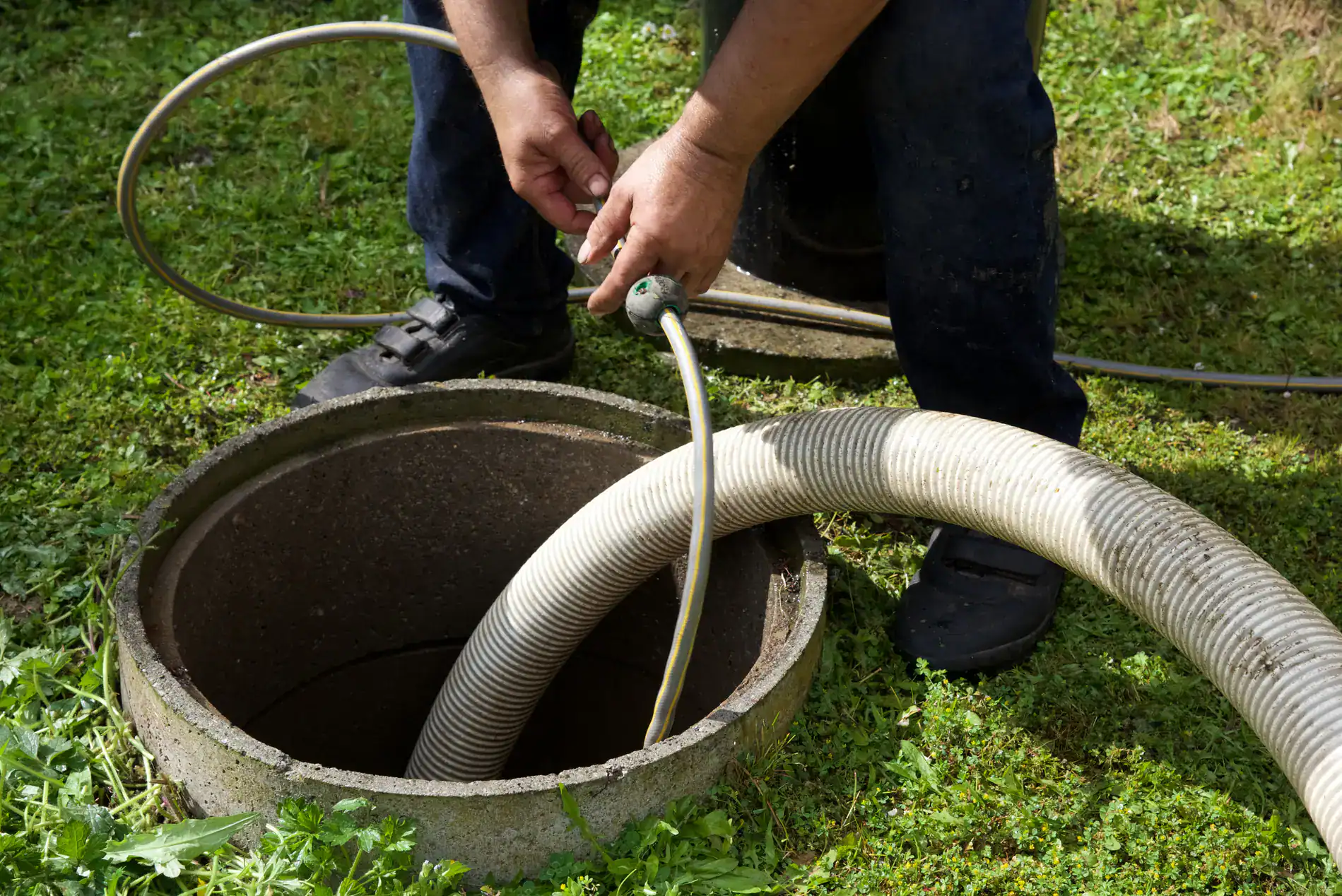
Most people don’t think about their cesspool until something goes wrong. That’s completely understandable — it’s underground, out of sight, and easy to put off. But here’s the thing: by the time a cesspool announces itself dramatically (think sewage backing up into your basement), it’s been trying to get your attention for a while. The warning signs were there. They just didn’t look urgent enough to act on.
If you’re a Suffolk County homeowner and something feels slightly off — a drain that’s slower than usual, a smell you can’t quite place, a patch of grass that looks a little too healthy — this post is for you. Here’s what those signs actually mean, and how to tell the difference between “schedule something soon” and “call right now.”
A cesspool doesn’t fail overnight. It gives you signals first. The problem is that most of those signals are easy to rationalize away — a slow drain must be a clog, a smell must be the neighbors, the wet spot in the yard must be from the last rainstorm. Sometimes those explanations are right. But in a Suffolk County home where the cesspool has been in the ground since the 1960s or 70s, the margin for error is a lot thinner than it is for newer systems.
Understanding what each warning sign is actually pointing to changes how you respond to it. Some signs mean you should schedule a pump-out within the next week or two. Others mean you should stop running water and call immediately.

Here’s the distinction that matters: one slow drain is almost always a localized clog. One sink, one tub, one toilet — that’s a pipe issue, and drain cleaning will likely solve it. But when multiple drains in different parts of the house start moving slowly at the same time, that’s a system-level signal. Your cesspool is telling you it’s running out of room.
When a cesspool gets too full, it can’t accept wastewater fast enough. The liquid has nowhere to go, so it backs up through your pipes. You’ll notice it in the lowest fixtures first — basement drains, ground-floor toilets — before it works its way up. If you’re seeing sluggishness across the board, that’s not a coincidence. That’s a full cesspool.
This is one of the most commonly misread warning signs because homeowners treat each drain as a separate problem. They snake one, it clears temporarily, and they move on. Meanwhile the cesspool keeps filling. By the time the drains are slow again a few weeks later, the system is in worse shape than before.
The fix isn’t always just pumping, either. If your lines have root infiltration or a cracked pipe, pumping will buy you time but won’t solve the underlying issue. A camera inspection run through the lines can tell you whether you’re dealing with a capacity problem, a structural problem, or both — and that information makes a real difference in what you spend to fix it.
If your home was built in the 1960s or 70s, which covers most of the housing stock across central Suffolk County, your cesspool is likely operating well past the 25–40 year lifespan that concrete cesspool rings were engineered for. Slow drains in a 50-year-old system aren’t a minor inconvenience. They’re a structural warning.
Of all the warning signs homeowners misread, the lush green grass one is probably the most common. You notice a patch of grass over your cesspool area that looks unusually thick and vibrant — greener than the rest of the lawn, growing faster. It’s easy to assume that’s a good thing, or at worst, harmless. It’s neither.
What you’re actually seeing is effluent — liquid waste — saturating the soil above your cesspool. The grass is thriving because it’s being fertilized from below by a system that’s overloaded or structurally compromised. That moisture and those nutrients aren’t supposed to be at the surface. When they are, it means the cesspool is either too full to contain what’s going into it, or the tank itself has a crack or failing wall that’s allowing liquid to escape. Either way, it’s not a cosmetic issue.
Sewage odors outside near the yard or inside near drains are in the same category. A properly functioning cesspool shouldn’t produce noticeable smells at the surface. When you can smell it, gas is escaping — which means the system is under pressure from being overfull, or there’s a structural failure allowing gases to vent where they shouldn’t. The smell won’t go away on its own.
Soggy or spongy ground over the cesspool area, especially during dry weather when there’s no rain to explain it, is another version of the same problem. Liquid is pooling underground and working its way up. In parts of Suffolk County with higher water tables — and areas like Holbrook’s proximity to the Great South Bay watershed means seasonal water table fluctuations are a real factor — this can happen faster than homeowners expect, and it can look deceptively minor before it becomes a full surface backup.
Taken individually, any one of these signs might feel like something you can monitor. Taken together, or appearing in a home with a cesspool that hasn’t been pumped in four or five years, they’re telling you to call today.
Want live answers?
Connect with a AAA Dependable Cesspool expert for fast, friendly support.
The most common reason homeowners delay calling is that they’re not sure how serious it is. And honestly, that uncertainty is reasonable — the warning signs are gradual, and no one wants to spend money on a service call for something that turns out to be nothing.
But here’s the math that changes the conversation. A routine cesspool pump-out, scheduled when you first notice warning signs, is a manageable expense. Ignoring those signs until the system fails completely is a different situation entirely. A full cesspool replacement in Suffolk County — which, under current county rules, must now meet modern standards rather than a simple like-for-like swap — is a major investment. That’s not a worst-case scenario. That’s the standard cost of a failed system.

Suffolk County has some of the strictest cesspool regulations in New York — and for good reason. Long Island sits on top of a sole-source aquifer, meaning it’s the only drinking water source for millions of people on the island. Every cesspool failure is a potential contamination event, not just a property maintenance problem. That’s why the county has been tightening the rules steadily since 2018.
Since July 2018, all cesspool pumping must be performed by contractors holding an active Liquid Waste License issued by Suffolk County, and every service must be reported to the Suffolk County Department of Health Services. If you hire an unlicensed operator — even if the price looks attractive — that work doesn’t count toward your compliance record, and it can create legal and financial liability for you as the homeowner.
Since July 2019, if your cesspool fails and needs to be replaced, you cannot simply put a new cesspool in its place. The county banned cesspool-to-cesspool replacement. Any failed system now requires an upgrade to at minimum a conventional septic system, and in many cases, an Innovative and Alternative Onsite Wastewater Treatment System designed to reduce nitrogen output. That’s where the replacement cost comes from.
There’s also a documentation angle that Suffolk County homeowners approaching a property sale need to understand. The county now requires service records as part of the property transfer process. If you don’t have documentation of regular pumping and maintenance, that gap can complicate a sale — or create leverage for a buyer to negotiate down the price. Every service we complete includes written records of waste volume removed and system condition, which satisfies the county’s requirements and gives you something tangible to hand over at closing.
The county does offer grant programs — up to $30,000 for qualifying homeowners upgrading to nitrogen-reducing systems — but accessing those programs requires that your maintenance records are in order. Another reason why keeping up with routine service isn’t just about the system. It’s about protecting your options.
The EPA’s general recommendation is every three to five years. Suffolk County’s Department of Health recommends every three years for most residential systems. We typically recommend every two to three years for most Suffolk County homes, and here’s why that more frequent interval makes sense locally.
Long Island’s soil conditions vary significantly across the county. Some areas have sandy, fast-draining soil that can actually mask early warning signs — the system appears to drain fine even when it’s nearly full. Other areas have clay-heavy soil that drains slowly and backs up at lower fill levels. Soil composition in central Suffolk County neighborhoods can vary by area and even by lot. Knowing your specific conditions matters when setting a service schedule.
Household size is the other major variable. A family of four in a Suffolk County home with a standard 1,000-gallon cesspool may need pumping every one to two years. A single person or couple in the same home might comfortably go three years. If you’re running a home-based business, have frequent guests, or use a garbage disposal regularly, that accelerates the fill rate.
The age of the system is the factor most Suffolk County homeowners underestimate. A cesspool installed when neighborhoods were built in the 1960s or early 1970s is now 50-plus years old. The concrete rings that make up the tank walls crack over time. Baffles — the internal components that separate solids from liquids — deteriorate. Root systems from mature trees find their way in. A 50-year-old system operating near capacity isn’t just full. It may be structurally compromised in ways that pumping alone won’t reveal.
That’s where a camera inspection becomes genuinely useful, not as an upsell but as a diagnostic tool. When the tank is empty after pumping, running a camera through the lines can show whether there’s root infiltration, a cracked pipe, or a failing baffle that explains why the system keeps backing up. Catching that on a routine service call is a very different financial conversation than discovering it during an emergency.
If you’ve read this far, you probably recognized at least one of these warning signs in your own home. The good news is that acting on them now — before a slow drain becomes a sewage backup, before a soggy yard becomes a system failure — is almost always the cheaper, easier path.
The warning signs your cesspool is sending you are worth taking seriously, especially in a Suffolk County home where the system may have been in the ground for half a century. A routine pump-out, done right and documented properly, protects your system, your property value, and your standing with the county’s compliance requirements.
We’ve been serving Suffolk County homeowners since 1998. We’re licensed by Suffolk County Consumer Affairs, we document every service for your records, and we’ll tell you exactly what we find — nothing more, nothing less. If you’re seeing any of the signs described here, give us a call and we’ll give you a straight answer.
Summary:
Article details:
Share: