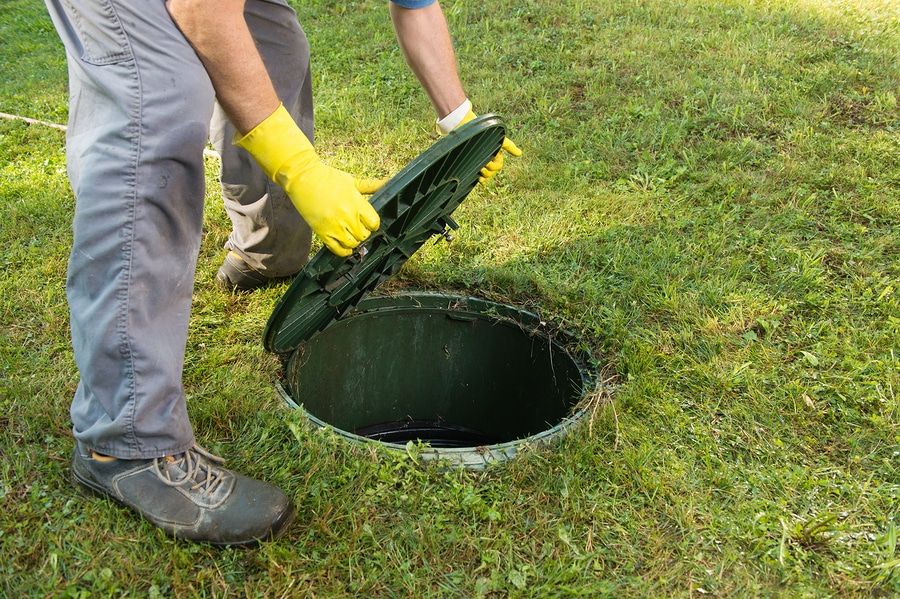
Your drains and cesspool work together as one system. Simple daily habits can prevent clogs, extend your cesspool's life, and save you from expensive emergencies—because no one wants a "surprise pond" in their backyard.
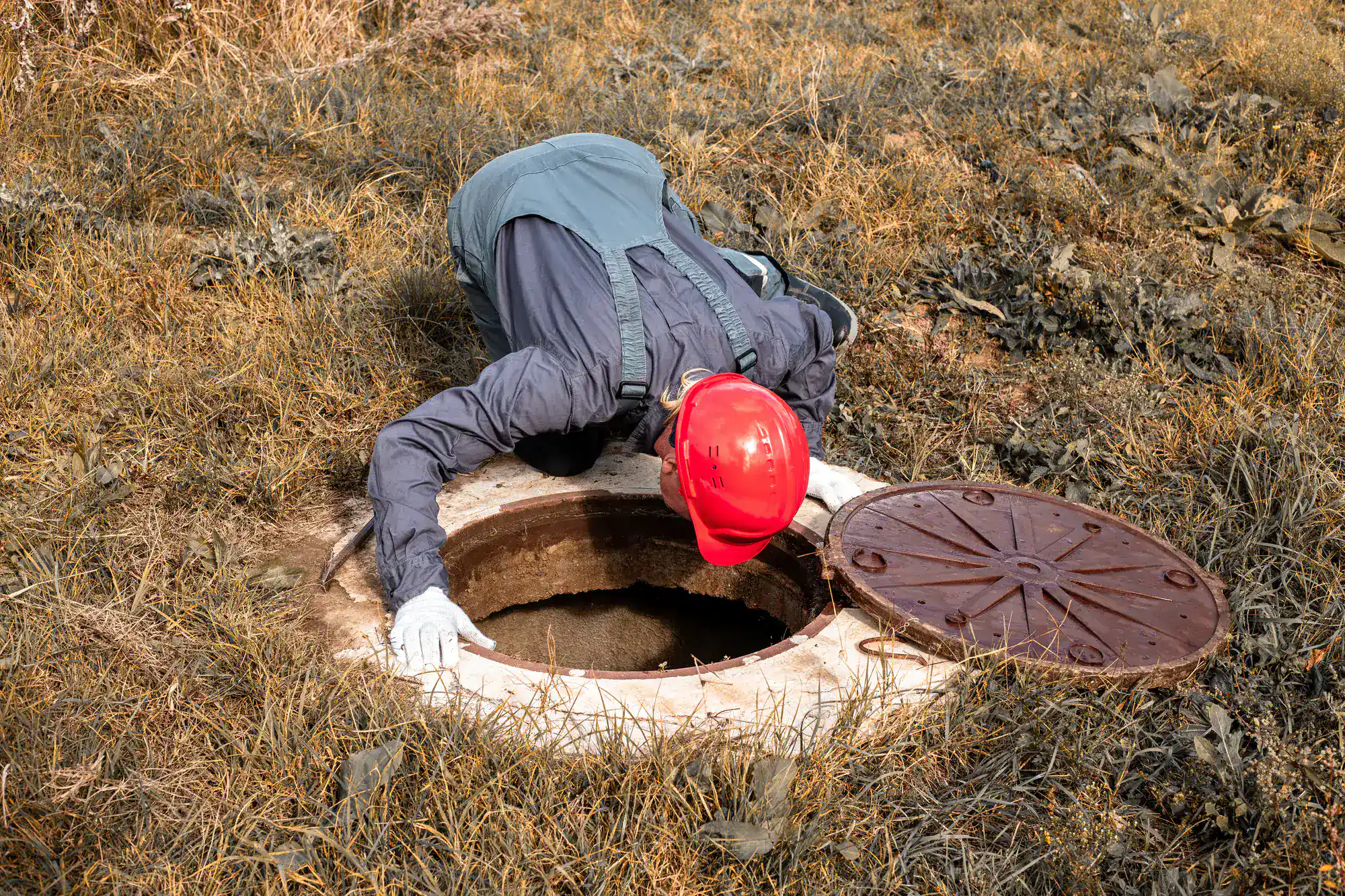
Everything that goes down your drains ends up in your cesspool. Grease, hair, food scraps, soap buildup—it all travels through your pipes and settles in that underground tank. It’s basically a VIP club for everything you didn’t want to see again.
When your drains are clogged or slow, it’s often a sign that your cesspool is working harder than it should. And when your cesspool gets overloaded with solids and gunk, it can’t do its job properly. That’s when you start seeing real problems—and hearing real gurgling.
In Suffolk County, NY, where many homes still rely on older cesspools, this connection is even more important. These systems weren’t designed to handle the kind of abuse modern households (and their 20-minute showers) put them through. Keeping your drains clean is one of the easiest ways to extend your cesspool’s life and avoid repairs that cost more than a weekend in the Hamptons.

When you pour grease down the kitchen sink, it doesn’t just “go away.” It cools, hardens, and sticks to the inside of your pipes. Over time, other debris clings to that grease, creating a stubborn clog. It’s essentially “cholesterol” for your house.
But here’s what most people don’t realize: that grease eventually makes its way to your cesspool, where it forms a thick layer on top. This layer prevents the system from separating solids and liquids properly. It’s like putting a lid on a pot that’s trying to boil over.
The same goes for coffee grounds, eggshells, and food scraps. They might seem harmless, but they don’t break down. Instead, they pile up at the bottom, taking up valuable space. Your cesspool doesn’t have a “trash compactor” mode, so every eggshell you flush is a little less room for everything else.
Hair is another major culprit. It tangles with soap scum to create clogs that could stop a freight train. And if you’re flushing “flushable” wipes? Just stop. Those things are about as flushable as a tennis ball and twice as likely to cause a $5,000 problem.
In Suffolk County, where soil conditions vary, these problems can escalate quickly. Your cesspool relies on the soil to absorb liquid waste, but if it’s clogged with solids, that process stops. You end up with slow drains and smells that will make your neighbors stop inviting you to the block party.
Your home will give you warning signs long before a full-blown backup happens. The trick is listening—unless the pipes are literally screaming, in which case, call us immediately.
Slow drains are usually the first clue. If your toilet takes five minutes to decide if it wants to flush, it’s not being dramatic; it’s struggling. Foul odors are another red flag. A healthy cesspool is like a good secret—you should never know it’s there. If your yard smells like a locker room, something is wrong.
Gurgling sounds are also worth paying attention to. That “glug-glug” noise is air trapped in your pipes because water isn’t flowing freely. It’s the sound of your plumbing gasping for air.
If you see wet spots or unusually green grass over your cesspool, don’t celebrate your green thumb. It means liquid waste is surfacing. Unless you’re growing a swamp, that grass should look just like the rest of the lawn.
In Suffolk County, where many systems are decades old, these signs appear more frequently. Sandy soil and high water tables create unique challenges that can turn a small “gurgle” into a major “oh no” faster than you can say “Long Island Expressway.”
Want live answers?
Connect with a AAA Dependable Cesspool expert for fast, friendly support.
You don’t need to live like a monk to protect your drains. Just a few simple tweaks to your routine will do the trick.
Start in the kitchen: the sink is not a trash can. Never pour grease down it. Let it cool in an old coffee can and toss it in the trash. Your pipes aren’t built for “liquid bacon.” Also, run cold water when using the disposal to help flush food particles, but try to keep the starchy stuff (like potato peels) out of there entirely.
In the bathroom, use drain catchers. They’re cheap, effective, and much easier to clean than a pipe full of hair. Think of them as the bouncers for your plumbing—only water gets past.
Once a week, pour a pot of hot water down your drains. It helps dissolve soap buildup before it becomes a problem. It’s like a mini-spa day for your pipes.
Once a month, use an enzyme-based cleaner. Avoid the harsh stuff that smells like a laboratory; it kills the “good” bacteria your cesspool needs. The enzymes eat the organic gunk without melting your pipes or the planet.
Clean your stoppers regularly. It’s a gross job, but someone (you) has to do it. Removing that clump of hair now is much better than dealing with it when it’s 3 feet deep in the line.
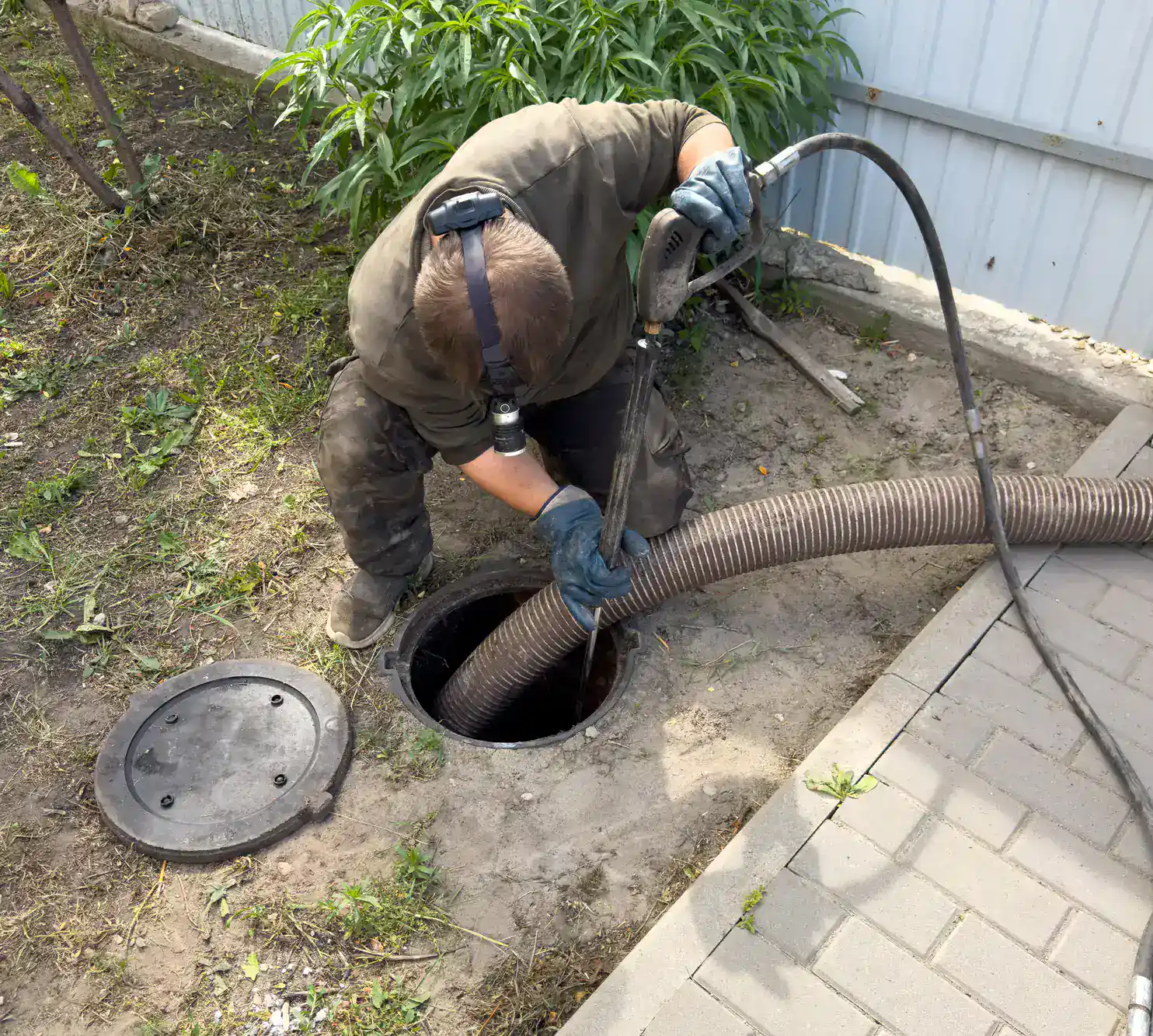
For your cesspool, schedule pumping every two to three years. If you have five kids and a dog that likes baths, make it every two. This gives your system a fresh start and prevents the “solid” stuff from taking over the “liquid” space.
Just as important as what you should do is what you shouldn’t do.
First, stop with the chemical drain openers. They are the “sledgehammers” of the plumbing world—eventually, they’ll break the wall they’re trying to fix. They corrode pipes and turn your cesspool into a dead zone where no waste-breaking bacteria can survive.
Don’t flush anything but toilet paper. No “flushable” wipes, no cotton swabs, and definitely no goldfish (RIP Goldie, but the cesspool is a terrible final resting place).
Also, watch the bleach. A little is fine, but if you’re sanitizing your house like it’s a high-security lab, you’re killing the bacteria your cesspool needs to function. And never, ever plant a tree right over your tank. Roots love cesspools—it’s like an all-you-can-eat buffet for them—and they will destroy your system to get to it.
Your drains and cesspool are partners. When you take care of the sink, you’re helping the tank. Simple habits like using a hair catcher and avoiding the cesspool can save you thousands.
Regular pumping and professional inspections catch problems while they’re still “small annoying things” rather than “house-ruining disasters.”
If you’re in Suffolk County and want honest, reliable service from a local team that’s been doing this since 1998, reach out to us at AAA Dependable Cesspool Sewer & Drain. No overselling, no empty promises—just straightforward help from people who know that a happy cesspool makes for a happy home.
Summary:

Article details:
Share: