When multiple drains slow down at once in your older Long Island home, it's not a coincidence. It's your main line telling you something's wrong.
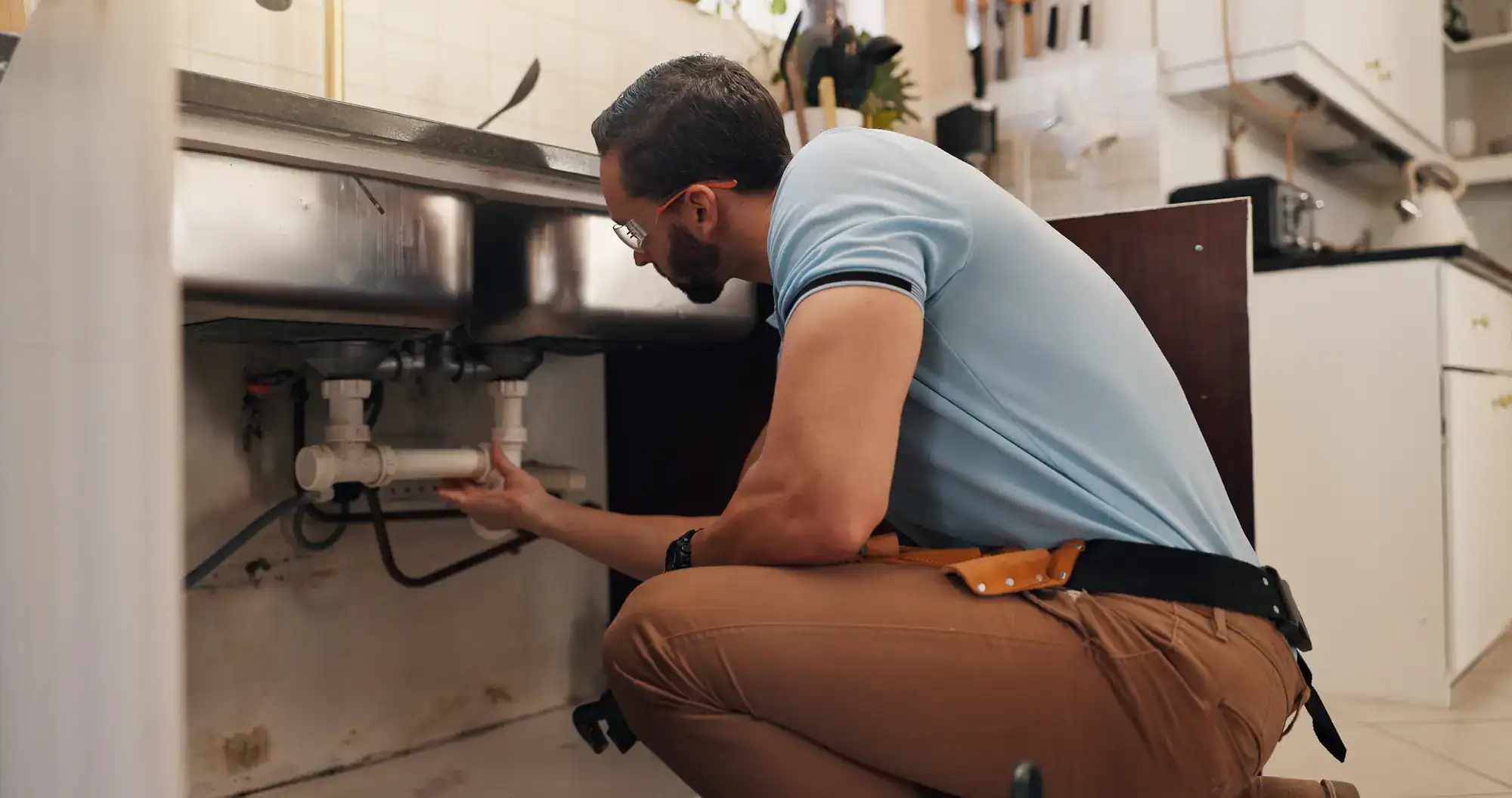
Think of your home’s plumbing like a tree. Each drain—your sinks, showers, and toilets—is a branch. They all feed into one central trunk: your main sewer line. When just one drain acts up, the problem is usually in that branch. Hair in the bathroom sink trap. Grease buildup in the kitchen line. These are localized issues you can sometimes handle yourself.
But when multiple fixtures start showing problems at the same time, the blockage is downstream in the main line. Everything trying to drain from your house hits that obstruction and has nowhere to go. Water backs up. Drains slow down. And if you keep using water without addressing it, you’re asking for a sewage backup that’s both expensive and hazardous.
The lowest drains in your home show symptoms first because water follows gravity. So if your basement floor drain or first-floor bathroom is backing up while upstairs seems fine, that’s a classic main line red flag. This is when residential main line cleaning becomes necessary—not optional.

If your home was built between the 1950s and 1970s, there’s a good chance it still has some of the original plumbing. Back then, builders used galvanized steel pipes. They were standard at the time. But galvanized pipes have a lifespan of about 40 to 50 years before rust starts clogging them from the inside out.
Even if portions of your system have been updated over the years, you might still have sections of old pipe. And those sections are where problems develop. The interior diameter shrinks as corrosion builds up. What used to be a smooth pipe becomes narrow and rough, catching everything that flows through.
Suffolk County’s soil and water conditions don’t help. The sandy soil common throughout Long Island makes it easy for tree roots to spread, and roots are drawn to the moisture around sewer lines. Once they find a crack or joint in an aging pipe, they work their way in. High mineral content in the water creates buildup faster than in other areas.
This isn’t about neglect. It’s about age. Homes in communities like Babylon, Huntington, and Smithtown that have served families well for decades eventually need their plumbing systems addressed. The pipes that worked perfectly for 30 years start to show their limits. And when that happens, pouring Drano down the sink isn’t going to cut it. You need professional pipe unclogging that addresses the actual problem.
One slow drain is annoying. Multiple slow drains mean something bigger is going on. Here’s how to tell the difference.
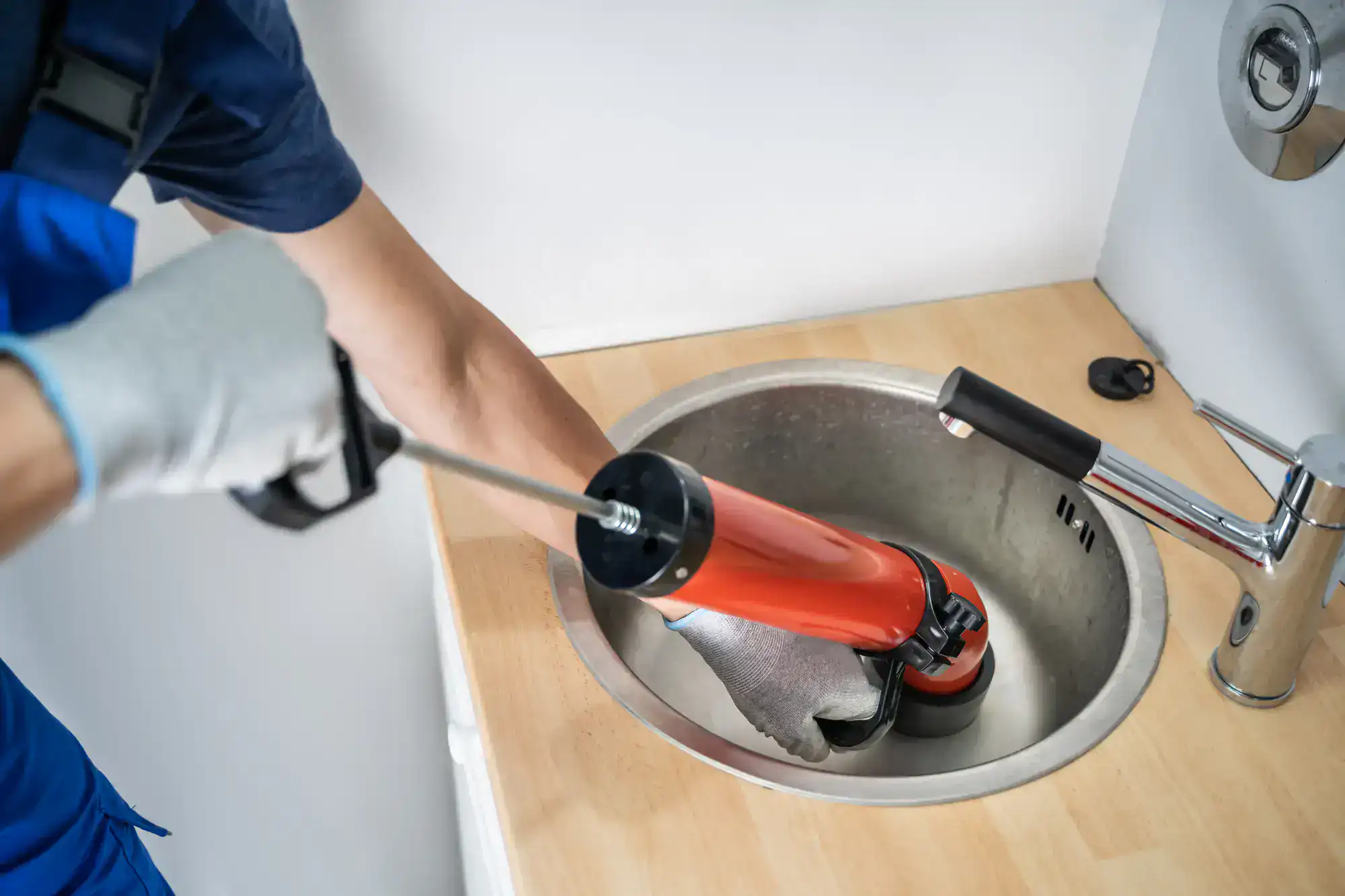
If only your kitchen sink is slow, and everything else drains fine, you’re probably dealing with grease or food buildup in that specific line. Try a plunger or a hand snake. If it clears, great. If it doesn’t budge or comes back in a few days, call someone. But it’s still likely a localized issue.
Now, if your toilet gurgles when you run the bathroom sink, or your shower backs up when you flush the toilet, or water appears in fixtures you’re not even using—that’s a main line problem. The blockage is preventing wastewater from leaving your home, so it’s finding the path of least resistance and coming back up through other drains.
Another sign is if you’re dealing with the same clog over and over. You clear the tub drain, it works for a week, then it’s slow again. That’s not a tub problem. That’s a symptom of a deeper blockage that keeps affecting everything downstream.
Foul odors coming from multiple drains, especially in the basement, can also signal a main line issue. When waste can’t flow out properly, gases back up into your home. It’s not just unpleasant—it’s a health concern.
And if you see water pooling in your yard near where your sewer line runs or notice a patch of grass that’s suddenly greener than the rest, that could mean a break or severe clog is causing wastewater to leak underground. At that point, you’re past the stage of “wait and see.” You need a professional to assess what’s happening below ground.
Want live answers?
Connect with a AAA Dependable Cesspool expert for fast, friendly support.
Professional drain cleaning isn’t just a bigger version of what you’d do with a plunger. It’s a completely different process designed to clear blockages that DIY methods can’t touch. When you’re dealing with a main line clog, you need equipment and expertise that go beyond the hardware store aisle.
The first step is diagnosis. A camera inspection lets a technician see exactly what’s causing the blockage and where it’s located. Tree roots. Decades of grease buildup. A section of collapsed pipe. You can’t fix what you can’t see, and guessing costs you time and money.
Once the problem is identified, the right tool gets deployed. Hydro-jetting uses high-pressure water to blast through buildup and clear the line completely. It’s not just poking a hole through the clog—it’s cleaning the pipe walls. For tougher obstructions like root masses, a motorized snake with cutting blades breaks through and removes the blockage. This is what whole-house snaking Long Island homeowners need when they’re facing serious drainage issues.
Walk into any grocery store and you’ll see shelves of chemical drain cleaners promising to dissolve clogs in minutes. For a minor sink clog, they might provide temporary relief. For a main line problem, they’re useless. Worse than useless, actually—they can damage your pipes.
Chemical cleaners work by creating a reaction that generates heat to break down organic material. But they only affect what they touch. If your main line is clogged 30 feet from your house, pouring chemicals down the kitchen sink isn’t going to reach it. The blockage is too far away, and the chemicals dissipate before they get there.
Even if the clog is closer, chemicals can’t cut through tree roots. They can’t remove decades of hardened grease. They can’t clear a pipe that’s partially collapsed or severely corroded. All they do is sit in your pipes, eating away at whatever material they’re made of—especially older pipes that are already compromised.
And if you’ve got standing water in multiple drains because of a main line backup, those chemicals are now sitting in your home, creating fumes and potential safety hazards. They’re not solving the problem. They’re adding to it.
Professional mechanical cleaning—regardless of if it’s snaking or hydro-jetting—physically removes the obstruction. It doesn’t rely on hoping a chemical reaction will dissolve something. It clears the line so water can flow freely again. And it does it without corroding your pipes in the process.
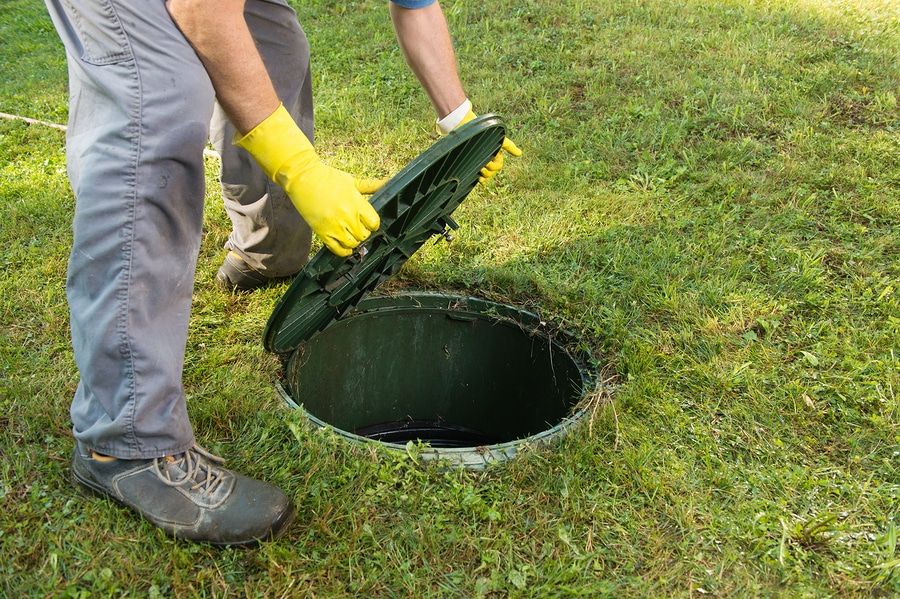
When you call us for main line drain cleaning in Suffolk County, here’s what happens. First, we locate the cleanout—an access point to your main sewer line, usually in the basement, crawlspace, or yard. This is the entry point for inspection and cleaning equipment.
A camera inspection typically comes first. A waterproof camera on a flexible cable gets fed into the line, sending back real-time video of the pipe’s interior. This shows exactly what’s causing the problem, where it’s located, and what condition the pipes are in. You’re not paying for guesswork. You’re seeing the actual issue.
Once the blockage is identified, we choose the right method to clear it. For buildup and grease, hydro-jetting sends high-pressure water through the line, scouring the pipe walls clean. For root intrusions, a mechanical snake with a cutting head breaks through the roots and removes them. For severe cases, both methods might be used.
The goal isn’t just to poke a hole through the clog so water can trickle past. It’s to restore full flow and clean the pipe so the problem doesn’t come right back. A properly cleared main line should give you years of trouble-free drainage, not just a few weeks.
After the cleaning, we’ll run the camera through again to confirm the line is clear and check for any underlying issues like cracks, offsets, or areas that might need future attention. That way, you know exactly what you’re dealing with and can plan accordingly. No surprises six months down the road.
Your home’s plumbing system is easy to ignore when it’s working. But when multiple drains start acting up, it’s telling you something needs attention. Understanding the difference between a simple fixture clog and a main line issue helps you respond appropriately—and avoid turning a manageable problem into an emergency.
Older homes throughout Suffolk County face unique obstacles. Aging pipes, tree roots, and decades of use all contribute to main line problems that can’t be solved with a bottle of drain cleaner. Professional drain cleaning addresses the root cause, restores proper flow, and gives you assurance that your system is working the way it should.
If you’re noticing slow drains throughout your house, gurgling toilets, or water backing up where it shouldn’t, don’t wait for it to get worse. We’ve been helping Suffolk County homeowners with honest, professional drain cleaning services since 1998. Local expertise, transparent pricing, and a commitment to doing the job right—that’s what you should expect from a drainage service.
Summary:

Article details:
Share: