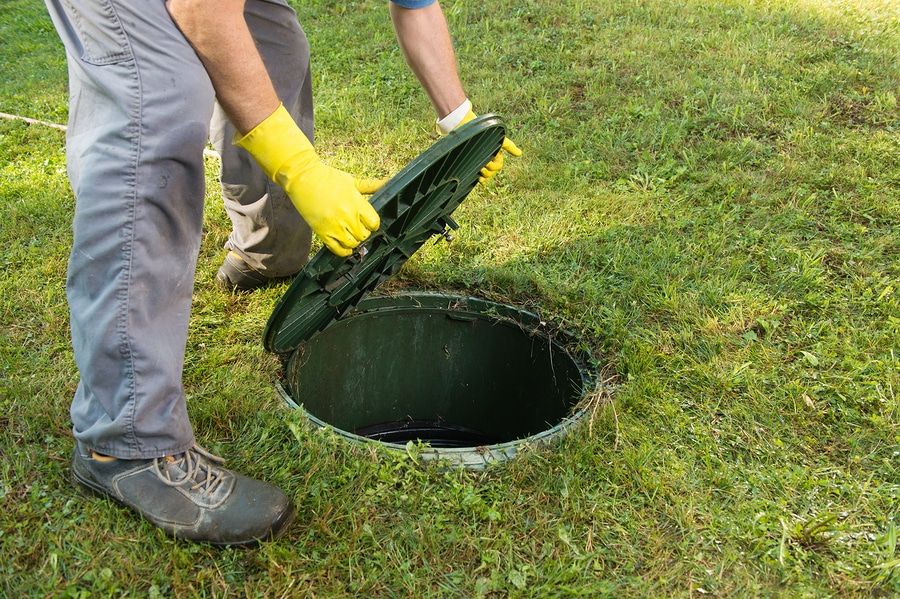
Winter cesspool installation in Suffolk County is possible—but only with the right approach, equipment, and local expertise. Here's what you need to know before scheduling.

Winter cesspool installation happens all the time in Suffolk County, but it requires specialized equipment and contractors who know what they’re doing. The biggest challenge is frozen ground. When temperatures drop and the soil freezes solid, standard excavation equipment can’t break through.
That’s where experience matters. We use ground thawing machines, hydrovac trucks with heated water jets, and specialized digging equipment designed for frozen conditions. These tools can soften or break through frozen soil, making excavation possible even in January or February.
But here’s the reality: not every contractor has this equipment or the expertise to use it properly. Some will tell you winter installation is impossible because they don’t want to deal with the extra work. Others will attempt it without the right tools and create problems that cost you thousands to fix later.
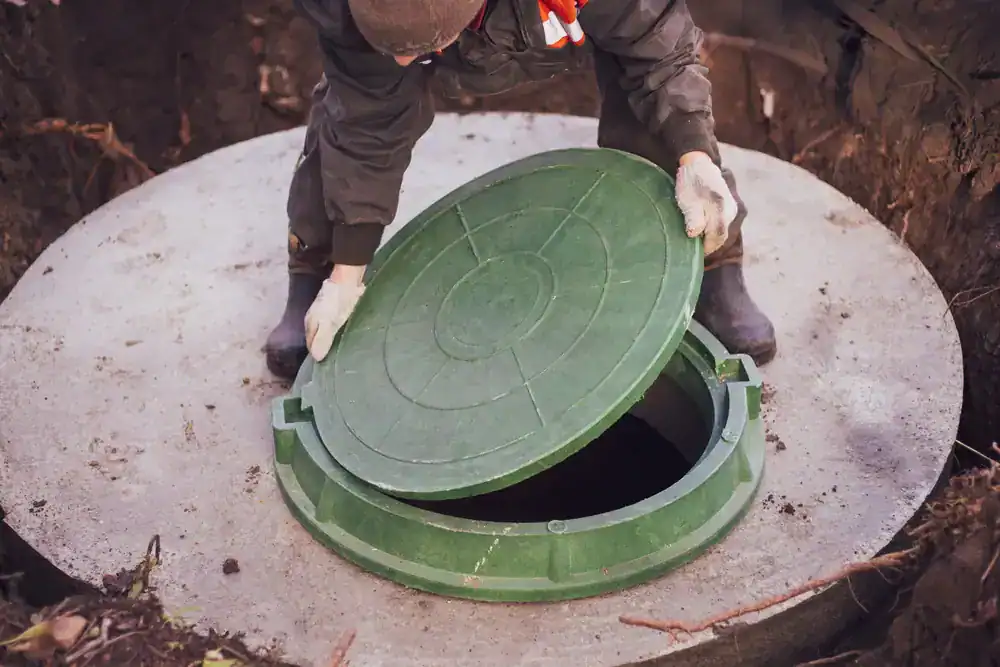
Suffolk County’s winter conditions create specific challenges that don’t exist during warmer months. Frozen ground is the most obvious issue. When soil freezes, it becomes harder than concrete, making excavation nearly impossible without specialized equipment. The frost line in Long Island typically extends 3-4 feet below the surface, which is exactly where cesspool installation work needs to happen.
Cold temperatures also affect concrete curing. If you’re installing a septic tank or concrete components as part of your system, the concrete needs to cure properly or it will crack and fail. In winter, we use heated enclosures, insulated forms, or heated curing blankets to maintain the right temperature for proper curing. Skip these steps and you’re looking at structural damage that compromises your entire system.
Equipment access becomes another problem when snow and ice cover your property. Heavy trucks and excavators need stable ground to operate safely. Wet, frozen, or snow-covered ground can make it impossible to position equipment properly, leading to delays or additional costs for site preparation.
The installation timeline itself becomes more critical in winter. Once you excavate and expose the ground, that exposed soil can freeze quickly. We know we need to work fast once excavation begins. The hole gets dug, the system gets installed, and everything gets backfilled before the exposed ground has time to freeze solid. This requires careful planning and enough crew members to complete the work effectively.
Suffolk County’s coastal location adds another layer of complexity. Rapid temperature swings are common here. A warm day followed by a sudden freeze doesn’t give your system time to settle properly. Most winter cesspool emergencies happen during these dramatic temperature changes, which is why we factor weather patterns into our installation schedules.
Winter installation makes the most sense when you’re dealing with a system failure that can’t wait until spring. If sewage is backing up into your home or pooling in your yard, waiting three or four months isn’t an option. In these emergency situations, winter installation becomes necessary regardless of the challenges.
Off-season scheduling is another legitimate reason to consider winter installation. During spring and summer, reputable cesspool contractors in Suffolk County are often booked 2-3 months out. In winter, you might get scheduled within days or weeks instead of months. If you’re planning ahead and don’t need immediate installation, winter scheduling can actually work in your favor.
Cost considerations sometimes favor winter installation too. Some contractors offer lower rates during their slow season because they want to keep crews working. You might save 10-20% compared to peak season pricing, though this depends on the specific contractor and how desperate they are for winter work.
But winter installation doesn’t make sense in every situation. If your current system is still functioning and you’re just planning a voluntary upgrade, waiting until spring or fall gives you better weather conditions and potentially more contractor options. The ground is easier to work with, concrete cures naturally without special equipment, and landscaping damage is easier to repair when plants aren’t dormant.
New construction projects should almost always wait for better weather unless there’s a compelling reason to push forward. Building inspectors may have reduced availability in winter, permit processing can take longer, and coordinating multiple contractors becomes more difficult when weather creates scheduling conflicts.
The condition of your property matters too. If your yard has drainage problems that create standing water or mud, winter installation becomes significantly more complicated. Frozen mud is one thing, but partially frozen slush and unstable ground create safety hazards for equipment operators and can damage your property.
Want live answers?
Connect with a AAA Dependable Cesspool expert for fast, friendly support.
Suffolk County banned traditional cesspool installations effective July 1, 2019. This changes everything about how replacement and new installations work, regardless of what season you’re installing. You can’t simply replace an old cesspool with another cesspool anymore.
Under current regulations, any cesspool replacement must include at minimum a septic tank before the leaching structure. Better yet, many homeowners are required to install nitrogen-reducing I/A OWTS systems, especially if you’re doing new construction or major renovations. These advanced systems remove up to 90% of nitrogen from wastewater, protecting Long Island’s sole-source aquifer and coastal waters.
The permit process now requires registration with the Suffolk County Department of Health Services for any replacement or retrofit work. This adds time to your project timeline, which matters more in winter when weather windows for installation are shorter and less predictable.
Getting permits during winter doesn’t technically take longer than any other season, but practical realities can slow things down. County offices sometimes operate on reduced schedules during holidays. Inspectors may have limited availability due to weather conditions or seasonal vacation schedules. These factors can add days or weeks to your project timeline.
The permit process itself requires specific documentation. You’ll need a current property survey showing underground utilities, soil testing results to determine proper system placement, and design plans from a licensed engineer or architect. If you’re applying for grant funding through Suffolk County’s Septic Improvement Program, additional paperwork is required before installation can begin.
Smart homeowners start the permit process well before they need installation. Even if you’re planning winter installation, submitting permits in late fall gives you time to address any issues or requests for additional information. By the time you’re ready to install, permits are already approved and you’re not waiting for county staff to process paperwork during a busy season.
Working with an experienced local contractor makes this process significantly easier. We regularly handle Suffolk County installations and know exactly what documentation is needed, which forms to file, and how to avoid common mistakes that delay approval. We can often handle the entire permit process on your behalf, saving you hours of frustration dealing with county offices.
One important note: if your existing system is failing and you need emergency replacement, Suffolk County may expedite permit processing. But “expedited” still means days or potentially weeks, not hours. This is why having a relationship with a reliable cesspool service company before you have an emergency saves you time and stress when problems develop.
Suffolk County offers substantial grant funding for cesspool and septic system upgrades—up to $30,000 in combined county, state, and local funding depending on your location and income level. The base Suffolk County grant provides $10,000, with additional funding available for low-to-moderate income households, pressurized shallow drainfield systems, and New York State matching funds.
Here’s how winter affects this funding: the grant application and approval process typically takes several months for non-emergency upgrades. If you’re planning winter installation and want to use grant funding, you need to start the application process in summer or early fall. Waiting until November or December to apply means you probably won’t have approval until spring anyway.
Emergency situations get priority processing. If you can document that your system has failed—typically by showing receipts for pumping your system more than twice in the past 12 months—Suffolk County moves your application to the front of the line. This can reduce processing time from months to weeks, though even expedited processing isn’t instant.
The grant program requires you to use county-approved contractors from their official vendor list. Not every cesspool company in Suffolk County is on this list. If you’re planning to use grant funding, verify that your chosen contractor is approved before you start the process. Switching contractors mid-application creates delays and paperwork headaches.
Winter installation with grant funding requires careful coordination. You need approved permits, approved grant funding, an available contractor with winter installation capability, and a weather window that allows safe installation. All of these factors have to align, which is why many homeowners who apply for grants in fall end up scheduling installation for spring even if winter installation would be technically possible.
One strategy that works well: apply for grants and permits in fall, get everything approved and ready, then schedule installation for the first good weather window in late winter or early spring. This gives you the financial benefits of grant funding, the scheduling benefits of off-season installation, and better weather conditions than January or February typically offer.
Winter cesspool installation in Suffolk County is absolutely possible with the right contractor, proper equipment, and realistic expectations about challenges and timelines. It’s not the ideal season for installation, but it’s far from impossible.
The key is working with a local company that has actual experience with winter installations, not just a contractor willing to try it for the first time on your property. You need specialized equipment for frozen ground, knowledge of proper concrete curing in cold weather, and the ability to work efficiently once excavation begins.
If you’re facing a system failure or need installation for reasons that can’t wait until spring, don’t let winter stop you from moving forward. Just make sure you’re working with professionals who understand Suffolk County’s regulations, can navigate the permit and grant process, and have the equipment and expertise to handle cold-weather challenges properly.
At AAA Dependable Cesspool Sewer & Drain, we bring decades of local experience and honest, transparent service to every job, regardless of season. Regardless of if you need cesspool installation, repair, or maintenance services, we’re here to help Suffolk County homeowners with reliable solutions year-round.
Summary:

Article details:
Share: