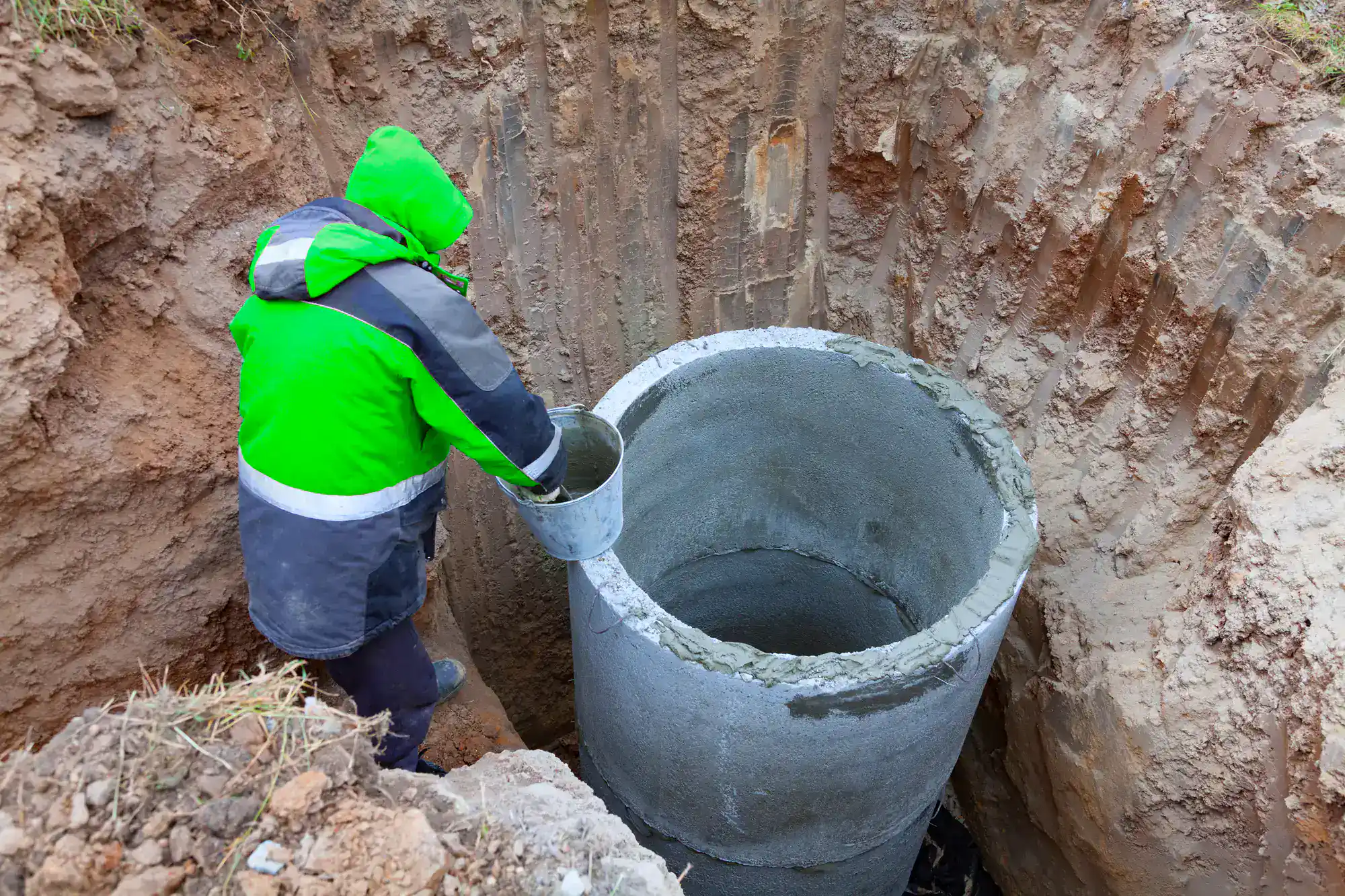
Tree roots don't just clog your cesspool—they signal structural damage that pumping alone won't fix. Here's what every Suffolk County homeowner needs to know.
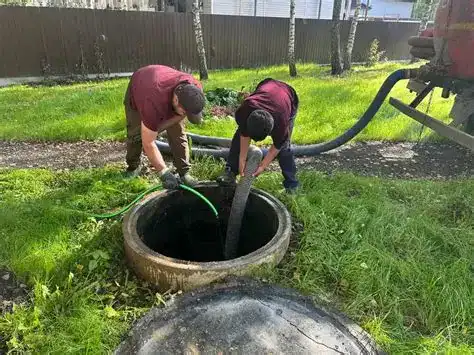
When roots show up during cesspool pumping, they’re not growing through solid concrete for fun. They’re following moisture through existing damage. Tree roots are remarkably good at finding water sources, and your cesspool holds thousands of gallons of it. But they can only access that water if there’s already a way in.
That entry point is the real problem. Cracks in precast cesspool rings, deteriorating mortar in brick cesspools, or failed pipe connections all create openings. Once roots find these weak spots, they don’t just slip through—they expand, widening cracks and accelerating structural failure.
Suffolk County’s soil conditions make this worse. The combination of clay-heavy areas that hold moisture and sandy coastal zones that shift with groundwater changes puts constant pressure on aging cesspool walls. Add mature trees seeking water during dry periods, and you’ve got the perfect conditions for root intrusion into compromised systems.
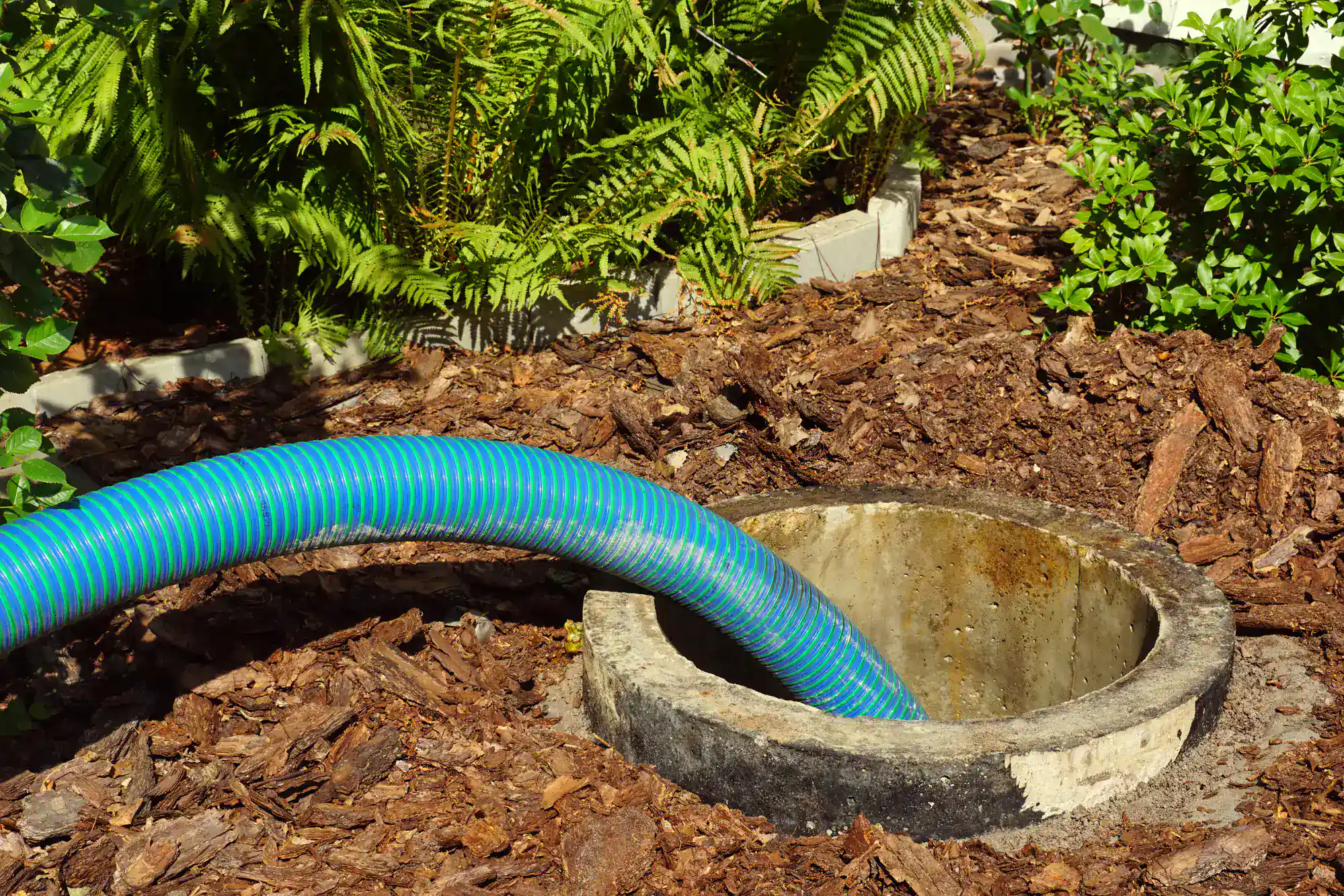
When the pump truck arrives and the technician can’t get the hose down into your cesspool, roots are usually the culprit. They form dense masses inside the tank or in the access pipe, physically blocking equipment from reaching the bottom where sludge accumulates. This isn’t just frustrating—it’s diagnostic.
Roots blocking the pump hose tell you they’ve been growing inside your system long enough to create substantial growth. That takes time, which means the cracks or openings they entered through have existed for months or years. During that time, those same openings have been allowing other problems: groundwater infiltration during wet periods, wastewater exfiltration that contaminates surrounding soil, and progressive structural weakening.
The pumping process itself can reveal additional issues. If roots are present in the primary pool, they’re likely also affecting your overflow tank or leaching pool. Suffolk County cesspools often use multiple connected pools, and root systems don’t respect those boundaries. A tree 20 feet from your primary cesspool can send roots through the entire system, following pipes and seeking moisture in each connected component.
Brick cesspools face particular vulnerability. Built before the 1950s, these older systems used mortar joints between bricks. Tree roots exploit these joints aggressively, and once inside, the root mass can destabilize entire sections of wall. You might not see surface evidence until the system is pumped and internal pressure changes, at which point collapse becomes a real risk.
Precast concrete cesspool rings, common in systems built after the 1950s, offer better structural integrity. But they’re not immune. The joints between rings, pipe connections, and the concrete itself can crack over time. Suffolk County’s freeze-thaw cycles, soil movement, and age all contribute to deterioration that roots will find and exploit.
The location of root blockage matters too. Roots near the inlet pipe suggest problems with your main line from the house. Roots throughout the tank indicate widespread structural issues. Roots concentrated near side-wall drainage holes signal that your leaching capacity is already compromised, which explains why your system might be failing even after pumping.
After pumping removes the wastewater and sludge, your cesspool is empty enough for a camera inspection to reveal the truth. This is when you see exactly where roots entered, how extensive the damage is, and what needs to happen next. Without this step, you’re guessing about your system’s actual condition.
The camera shows cracks you can’t see from the surface. It reveals whether roots damaged the tank walls, compromised the bottom, or broke through side-wall drainage areas. You get visual proof of whether you’re dealing with a minor repair or a system that’s beyond saving. That information changes everything about your next steps and budget.
Suffolk County homeowners often discover their brick cesspool has more damage than expected. The camera might show sections where mortar has completely deteriorated, bricks have shifted, or walls have begun to bow inward. These aren’t problems you can ignore or patch temporarily. They’re structural failures that require professional assessment about whether the system can be repaired or needs replacement.
For precast systems, the camera inspection identifies which rings are cracked, whether the damage is localized or widespread, and if the cracks are actively leaking. Some cracks can be sealed. Others indicate the concrete has reached the end of its service life. The camera gives you facts instead of assumptions.
The inspection also documents your system’s condition for Suffolk County compliance. Since 2019, regulations have tightened significantly. If your cesspool needs replacement, you can’t just install another cesspool—you’ll need to upgrade to a modern septic system. Having camera documentation of the existing system’s failure helps with permitting, contractor bids, and potentially qualifying for county grant programs that offset upgrade costs.
Root intrusion patterns tell experienced technicians a lot about your property’s drainage issues. If roots are entering primarily from one side, that indicates where trees are located and which ones are causing problems. If roots appear throughout the system, you might have multiple trees contributing or widespread soil saturation issues that are making roots seek any available water source.
The camera can also spot problems that aren’t root-related but were masked by the roots. Collapsed sections of pipe, failed baffles, or deteriorated access points all become visible once the tank is empty and roots are cleared. You get a complete picture of your system’s health, not just the obvious problem that brought the service truck to your property.
Want live answers?
Connect with a AAA Dependable Cesspool expert for fast, friendly support.
Root intrusions don’t happen in isolation. They’re often accompanied by soil saturation problems that affect how your cesspool’s side-wall drainage functions. When the ground around your leaching pool becomes waterlogged, liquid waste can’t percolate out through the perforated walls like it should. This creates a backup effect that makes your cesspool fill faster and fail sooner.
Suffolk County’s soil composition plays a huge role here. Clay-heavy areas in parts of the county hold water like a sponge, preventing proper drainage even when your cesspool is structurally sound. Sandy coastal areas drain too quickly, which sounds good until you realize it’s sending inadequately treated wastewater straight toward the aquifer. Both extremes create conditions where cesspools struggle and root systems thrive.
When side-wall drainage fails, waste accumulates faster than pumping can manage. You might find yourself needing service every year instead of every three to five years. That’s not normal, and it’s not sustainable. It’s your system telling you that the soil around your cesspool can’t accept more liquid, often because it’s already saturated from previous drainage or because root intrusion has damaged the perforated walls that allow drainage.
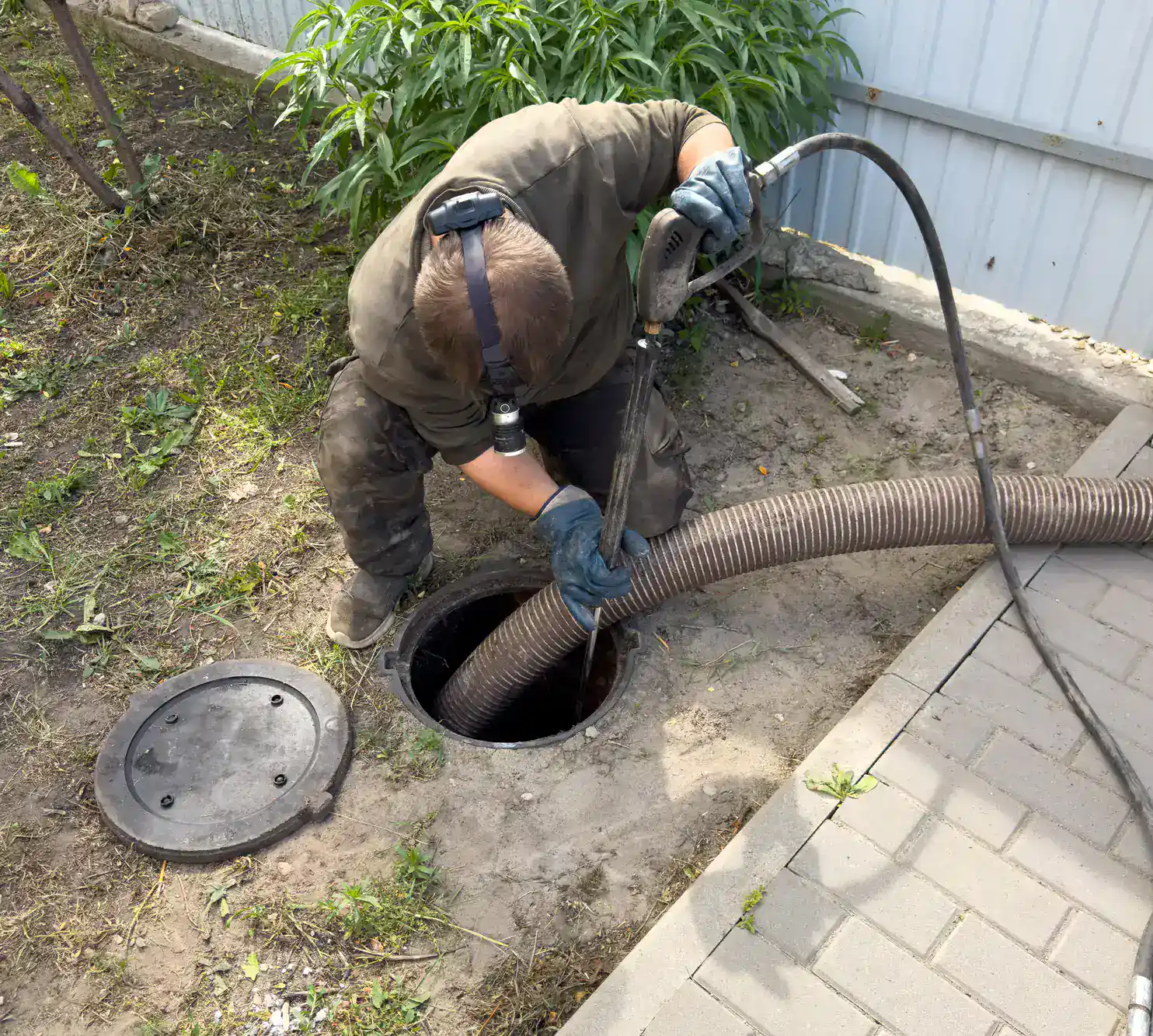
The type of cesspool you have determines how root intrusion affects your system and what solutions are available. Brick cesspools, common in homes built before 1959, face fundamentally different challenges than precast concrete systems installed after the 1950s.
Brick cesspools were built on-site using individual bricks and mortar. Over decades, that mortar deteriorates from constant exposure to wastewater, groundwater infiltration, and chemical breakdown. Tree roots exploit these weakened mortar joints with devastating efficiency. Once roots penetrate, they expand, pushing bricks apart and destabilizing entire sections of wall.
The danger with brick cesspools is collapse. When you pump a brick system completely empty, you remove the internal water pressure that was helping hold the walls in place. If roots have compromised enough mortar joints, the sudden pressure change can cause sections to cave in. This is why we’re cautious about completely emptying older brick cesspools without first assessing their structural condition.
Precast concrete cesspool rings offer significantly better structural integrity. These rings are manufactured off-site to specific standards, then stacked to create the cesspool. The concrete itself is more durable than brick and mortar, and the rings resist collapse even when empty. But they’re not invincible.
Roots can still damage precast systems by entering through the joints between rings or through cracks that develop in the concrete over time. Suffolk County’s freeze-thaw cycles are particularly hard on concrete. Water seeps into tiny cracks, freezes, expands, and makes those cracks larger. Roots follow.
The advantage of precast systems is that damage is usually more localized and repairable. A cracked ring can potentially be sealed or replaced without rebuilding the entire cesspool. Brick systems often require complete replacement once root damage becomes extensive because the deterioration affects the entire structure.
Camera inspection after pumping reveals these differences clearly. In a brick cesspool, you might see roots growing through multiple mortar joints, bricks that have shifted position, or sections where the wall has begun to bulge. In a precast system, you’ll see specific cracks in specific rings, joint failures between rings, or damage concentrated around pipe connections.
Suffolk County cesspools often consist of multiple connected components: a primary pool where waste first enters, an overflow tank or leaching pool that handles excess capacity, and venting systems that allow gases to escape. Root intrusion in any of these components affects the entire system’s performance.
The primary pool takes the direct hit from your household wastewater. This is where solids settle and where pumping typically focuses. If roots have entered the primary pool, they’re usually coming through the inlet pipe connection from your house, through cracks in the tank walls, or through deteriorated access covers. These roots interfere with the settling process that’s supposed to separate solids from liquids.
When roots block or damage the connection between your primary pool and overflow tank, waste can’t flow properly between them. Your primary pool fills faster than it should, leading to more frequent pump-outs. Meanwhile, your overflow tank sits underutilized because the blocked connection prevents proper distribution of wastewater across your entire system.
Overflow tanks and leaching pools are designed to handle liquid that’s already had solids removed in the primary pool. When roots compromise the primary pool’s function, solid-laden wastewater flows into these secondary components, clogging the side-wall drainage holes that are supposed to let liquid percolate into surrounding soil. This is how root problems in one part of your system cascade into system-wide failure.
Cesspool venting is often overlooked but critical for proper function. Vents allow sewer gases to escape and air to enter, which helps maintain pressure balance and supports the bacterial action that breaks down waste. Tree roots can block vent pipes, especially if those pipes have cracked or separated from the main tank. Poor venting leads to slow drains, gurgling sounds in your plumbing, and accelerated deterioration of your cesspool’s internal environment.
The camera inspection after pumping should examine all these components, not just the primary pool. You need to see the condition of pipes connecting different pools, the state of overflow tank walls, and whether venting systems are intact and functional. Root intrusion rarely affects just one component—it’s usually a system-wide issue that requires comprehensive assessment.
Suffolk County’s regulations require proper documentation of your entire cesspool system, not just the primary tank. When you eventually need to replace or upgrade, having camera inspection records of all components helps contractors provide accurate bids and helps you understand the full scope of work required. It also prevents the surprise of discovering additional damaged tanks during excavation that weren’t part of the original estimate.
Root intrusions during cesspool pumping aren’t something to ignore or postpone dealing with. They’re early warning signs of structural damage that will only get worse and more expensive over time. The roots you see today entered through cracks that are already compromising your system’s integrity and will continue expanding until addressed.
A camera inspection after pump-out gives you the information you need to make smart decisions. You’ll know whether you’re looking at a repairable situation or a system that’s reaching the end of its service life. You’ll have documentation for Suffolk County compliance and visual proof of your system’s condition that contractors can use to provide accurate repair estimates.
Most importantly, you’ll avoid the nightmare scenario of a complete system failure that catches you unprepared. When you know what’s happening underground, you can plan, budget, and act on your timeline instead of dealing with sewage emergencies that force expensive decisions under pressure.
We’ve been helping Suffolk County homeowners understand and maintain their cesspool systems since 1998, and we’ll show you exactly what’s happening beneath your property—no guessing, no overselling, just straight answers backed by visual proof.
Summary:
Article details:
Share: