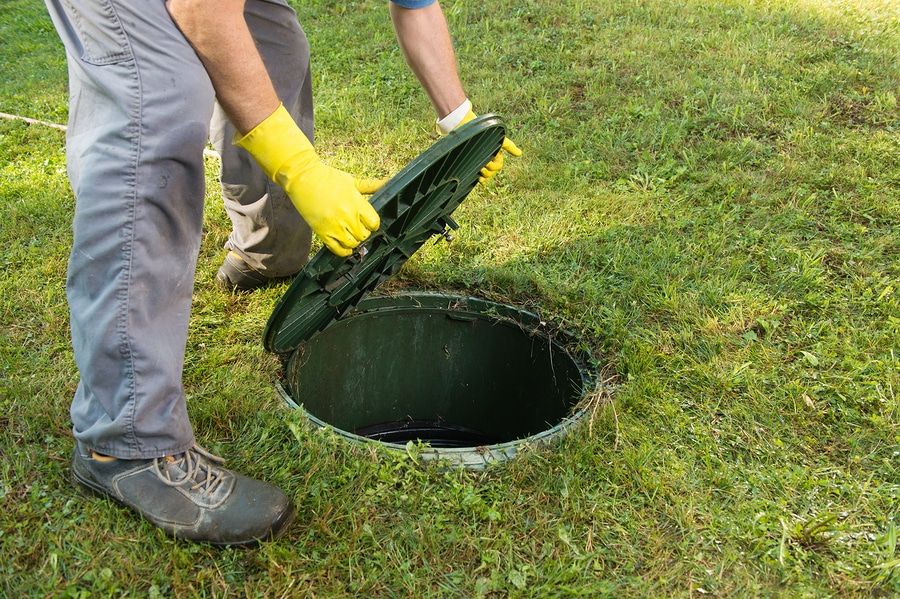
Not sure if you have a cesspool or septic system? The difference affects how often you pump, how much you spend, and what happens when your system ages.
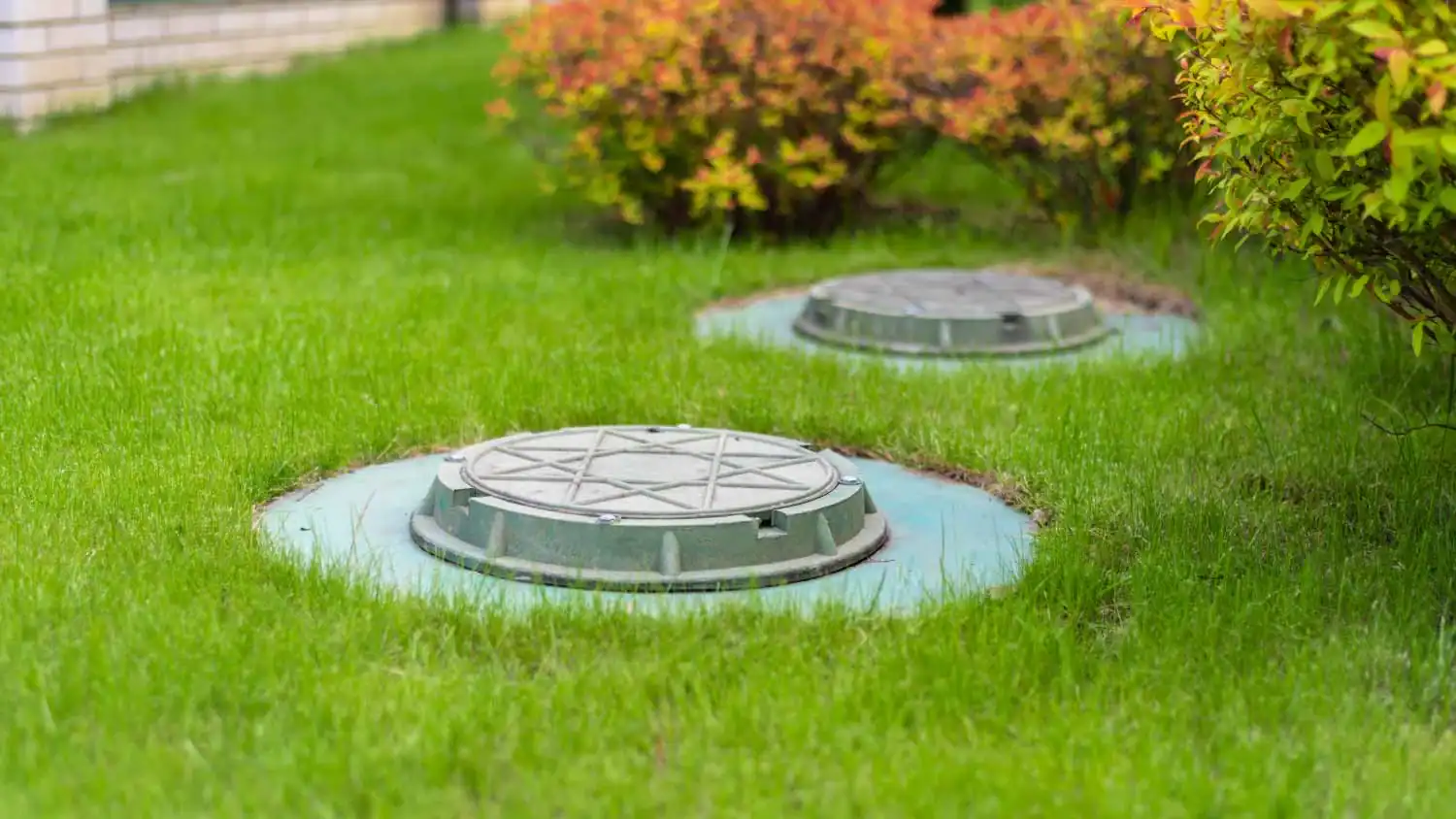
A cesspool is essentially a pit lined with brick or pre-cast concrete rings that has perforated walls. Everything from your house—toilets, sinks, showers—flows into this single underground chamber. Liquid waste seeps out through the holes in the walls directly into the surrounding soil. Solids settle at the bottom and break down slowly through bacterial action.
A septic system works differently. Wastewater first enters a sealed tank where solids separate from liquids. The tank holds back sludge and scum while only sending clarified liquid to a separate drain field—a network of perforated pipes buried in gravel-filled trenches. That drain field spreads effluent over a wide area where soil naturally filters it before it reaches groundwater.
This structural difference is why cesspools need more frequent attention. Without a separate treatment stage or dedicated leach field, everything depends on that single pit’s ability to drain through its walls into soil that’s constantly absorbing waste.
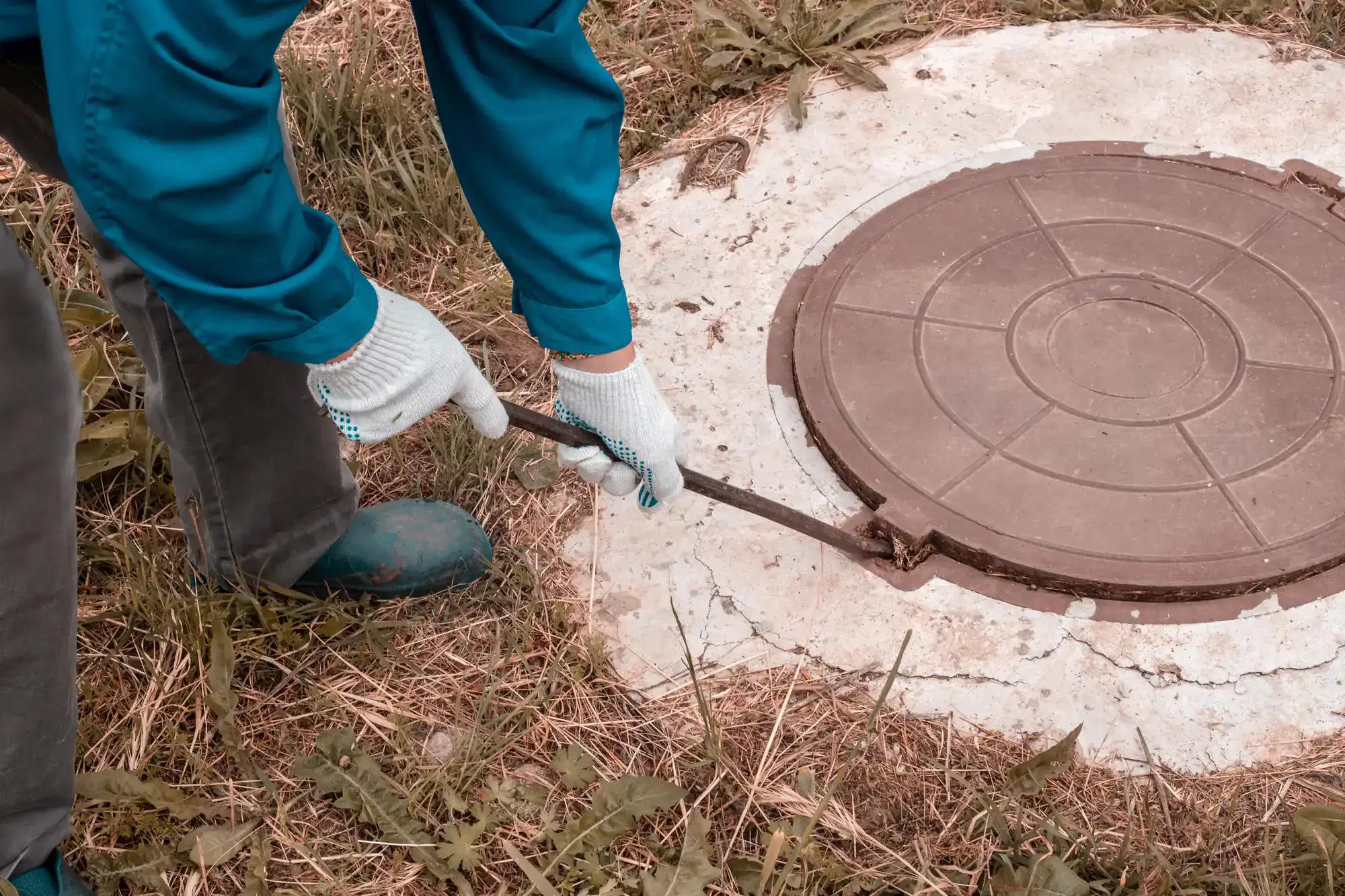
Side-wall drainage is exactly what it sounds like—liquid waste drains horizontally through perforations in your cesspool’s walls rather than through a dedicated drain field. When your system is new or recently pumped, this works reasonably well. The surrounding soil absorbs liquid, and your cesspool maintains its capacity.
But here’s what happens over time. The soil immediately around your cesspool walls becomes saturated with the waste it’s been absorbing for months or years. Think of it like a sponge that’s already full—it can’t take much more. A biofilm develops in that saturated zone. Solid particles from the waste gradually clog the soil pores. The soil’s ability to accept new liquid slows down.
This is why pumping frequency becomes increasingly important as your cesspool ages. You’re not just removing accumulated solids from the bottom of the pit. You’re reducing the liquid level to give that saturated soil time to drain and recover some absorption capacity. Skip pumping when you should, and liquid has nowhere to go. It backs up into your plumbing or surfaces in your yard.
Suffolk County’s soil conditions make this worse in certain areas. Clay-heavy soils inland drain slowly even when fresh. Sandy coastal soils drain fast initially but offer less filtration, so contamination spreads quickly. Either way, that side-wall drainage system is working against physics. The soil around your cesspool can only handle so much before it fails.
Compare this to a septic system’s leach field. Those perforated pipes spread effluent over hundreds of square feet of soil. The load is distributed. Soil in one section can rest while another handles the flow. The system is designed to work with soil’s natural limitations rather than fighting them.
This is the fundamental reason cesspool pumping in Suffolk County typically happens every one to two years while septic tank pumping stretches to three to five years. You’re compensating for a design that puts all the drainage burden on a small area of soil that never gets a break.
Soil saturation doesn’t happen overnight. It’s a gradual process that accelerates as your cesspool ages. Early on, you might not notice much change. Your system drains normally. Pumping every two years keeps things running fine. Then you start seeing signs.
Drains slow down, especially during wet weather when groundwater is high. That soggy patch in your yard near the cesspool location doesn’t dry out like it used to. You’re smelling sewage odors outside even though you just had the system pumped recently. These aren’t random problems—they’re your soil telling you it can’t keep up with the waste load anymore.
What’s actually happening underground is a combination of physical and biological changes. Solid particles from your wastewater—things like fats, oils, toilet paper fibers, and organic matter—accumulate in the soil pores around your cesspool walls. A layer of biomat forms. This is a dense, slimy coating of bacteria and organic material that acts like a seal, preventing water from moving through the soil.
At the same time, the soil structure itself changes. Continuous saturation breaks down soil particles. Clay soils become more compacted. Sandy soils lose their structure. The spaces between soil particles that used to allow drainage get smaller or fill with waste residue.
Long Island’s high water table makes this worse. When seasonal rains raise the groundwater level, there’s less unsaturated soil available for your cesspool to drain into. During dry periods, the soil might recover somewhat. But each wet season pushes the saturation deeper and wider around your cesspool.
Eventually, you reach a point where pumping more frequently doesn’t solve the problem anymore. The soil is permanently saturated. Liquid has nowhere to go. This is when cesspools fail completely, requiring either relocation of the leaching pool or—more commonly now under Suffolk County regulations—replacement with an advanced septic system.
The age of your cesspool matters here. Older brick cesspools built before the 1950s have had decades to saturate their surrounding soil. Pre-cast concrete ring cesspools from the 1960s and 70s are reaching that critical point now. If your system is showing signs of saturation, more frequent pumping might buy you time, but it won’t fix the underlying problem.
Want live answers? Connect with a AAA Dependable Cesspool expert for fast, friendly support. [Get A Free Quote] Call: 631-738-7100
Want live answers?
Connect with a AAA Dependable Cesspool expert for fast, friendly support.
The pumping schedule difference between cesspools and septic systems isn’t arbitrary. It’s driven by how each system handles solids and liquids. Cesspools mix everything together in one chamber. Septic tanks separate solids from liquids and only send clarified water to the drain field. That separation is why septic systems can go longer between pumpings.
For most Suffolk County cesspools, you’re looking at pumping every one to two years depending on household size and water usage. A single person might stretch to two years. A family of four probably needs annual service.
Septic systems usually need pumping every three to five years. While the service itself is similar, the frequency of required maintenance is much lower because you’re doing it less often. Over a decade, that difference in frequency is significant.

Your pumping schedule isn’t just about the calendar. It’s about how much waste and water you’re putting into the system. A two-person household generates far less wastewater than a family of six. That matters more for cesspools than septic systems because cesspools don’t separate solids from liquids.
Every gallon of water you use carries some solid waste into your system. Showers, laundry, dishwashing—it all goes to the same place. More water means more volume the system has to handle. More volume means faster accumulation of solids at the bottom and faster saturation of the surrounding soil.
Water usage habits make a real difference. If you’re running multiple loads of laundry daily, taking long showers, and using a disposal unit, your system fills faster. Disposal units are particularly hard on these systems because they introduce ground-up food waste that doesn’t break down as easily as human waste. That material accumulates at the bottom, reducing your effective capacity.
Suffolk County homeowners often don’t realize how much their water usage affects their system until they see the impact firsthand. A family that hosts frequent guests or has teenagers who take long showers might need pumping every year instead of every two years. During holidays when you’ve got extended family visiting, the extra load can push an already-full cesspool over the edge.
Septic systems handle this better because the tank design allows solids to settle and partially decompose while liquids flow out to the drain field. The separation process gives the system more capacity to handle temporary usage spikes. Cesspools don’t have that buffer. Everything competes for the same limited space.
This is why honest assessment of your household’s actual usage matters more than following a generic schedule. If your last pumping was eighteen months ago and you’re already seeing slow drains, that’s your system telling you it’s full. Don’t wait for the two-year mark if the signs say you need service now.
There comes a point where pumping more frequently doesn’t solve your cesspool problems anymore. You’re pumping every year, then every six months, and you’re still dealing with slow drains and backups. That’s when you’re facing replacement, not just maintenance.
The reason is that soil saturation we talked about earlier. Once the soil around your cesspool walls is permanently saturated and clogged, pumping the pit itself doesn’t restore drainage capacity. You’ve removed the solids and liquid from inside the cesspool, but the soil outside still can’t accept new wastewater. Within weeks or months, you’re full again.
Older cesspools face structural issues too. Brick cesspools built before the 1950s deteriorate over time. Mortar between bricks breaks down. Individual bricks crack or crumble. The structural integrity weakens. Eventually, the walls can collapse inward, creating a sinkhole hazard in your yard. Pre-cast concrete rings are more stable, but they can also crack or separate at the joints, especially if heavy equipment has driven over them.
Suffolk County regulations have changed the replacement landscape completely. As of July 2019, you can’t replace a failed cesspool with another cesspool. When your system reaches the end of its life, you’re required to upgrade to an advanced septic system—specifically an Innovative and Alternative Onsite Wastewater Treatment System that removes up to 90% of nitrogen from wastewater.
While these systems represent a larger initial project, Suffolk County and New York State offer base grants and supplements for low-to-moderate income homeowners or specific property types. Combined, these funding sources can cover a substantial portion of the upgrade.
The key is planning ahead. If you wait until your system fails completely, you’re dealing with an emergency. Emergency replacements take longer and happen during the busy season when contractors are swamped. Homeowners who see the writing on the wall—frequent pumping, persistent drainage issues, structural concerns—and plan the upgrade proactively reduce their overall stress.
Most cesspools in Suffolk County built before 1970 are reaching or past their functional lifespan. If you’re pumping more than once a year and still having problems, it’s time to talk about replacement, not just more frequent pumping.
The difference between cesspool pumping and septic pumping comes down to system design and how that design ages over time. Cesspools rely on side-wall drainage into soil that gradually loses its ability to absorb waste. Septic systems separate treatment from disposal, spreading the load over a dedicated drain field. That fundamental difference is why your maintenance schedule, costs, and long-term planning look completely different depending on which system you have.
If you’re dealing with a cesspool in Suffolk County, understanding how soil saturation affects performance helps you recognize when more frequent pumping is necessary and when you’re approaching the point where replacement makes more sense than continued maintenance. If you have a septic system, you’re working with a design that’s built to last longer with less frequent intervention.
Either way, working with a local company that understands Suffolk County’s soil conditions, regulations, and the specific challenges of Long Island’s aging infrastructure makes all the difference. We’ve been helping homeowners navigate these decisions since 1998, with the kind of honest guidance that helps you protect your home.
Summary:

Article details:
Share: