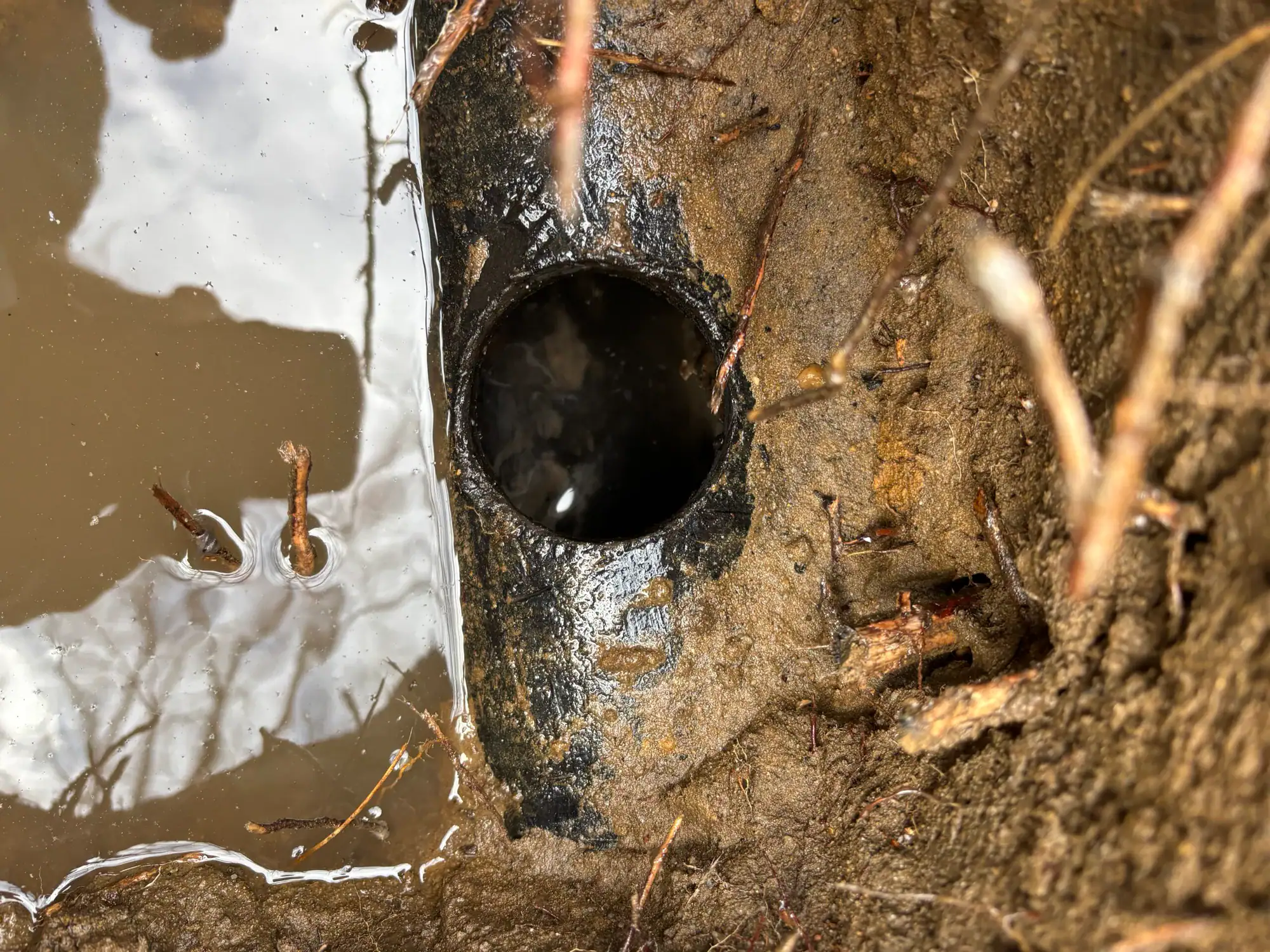
Confused about whether you have a cesspool or septic tank? Here's what every Suffolk County homeowner actually needs to know.
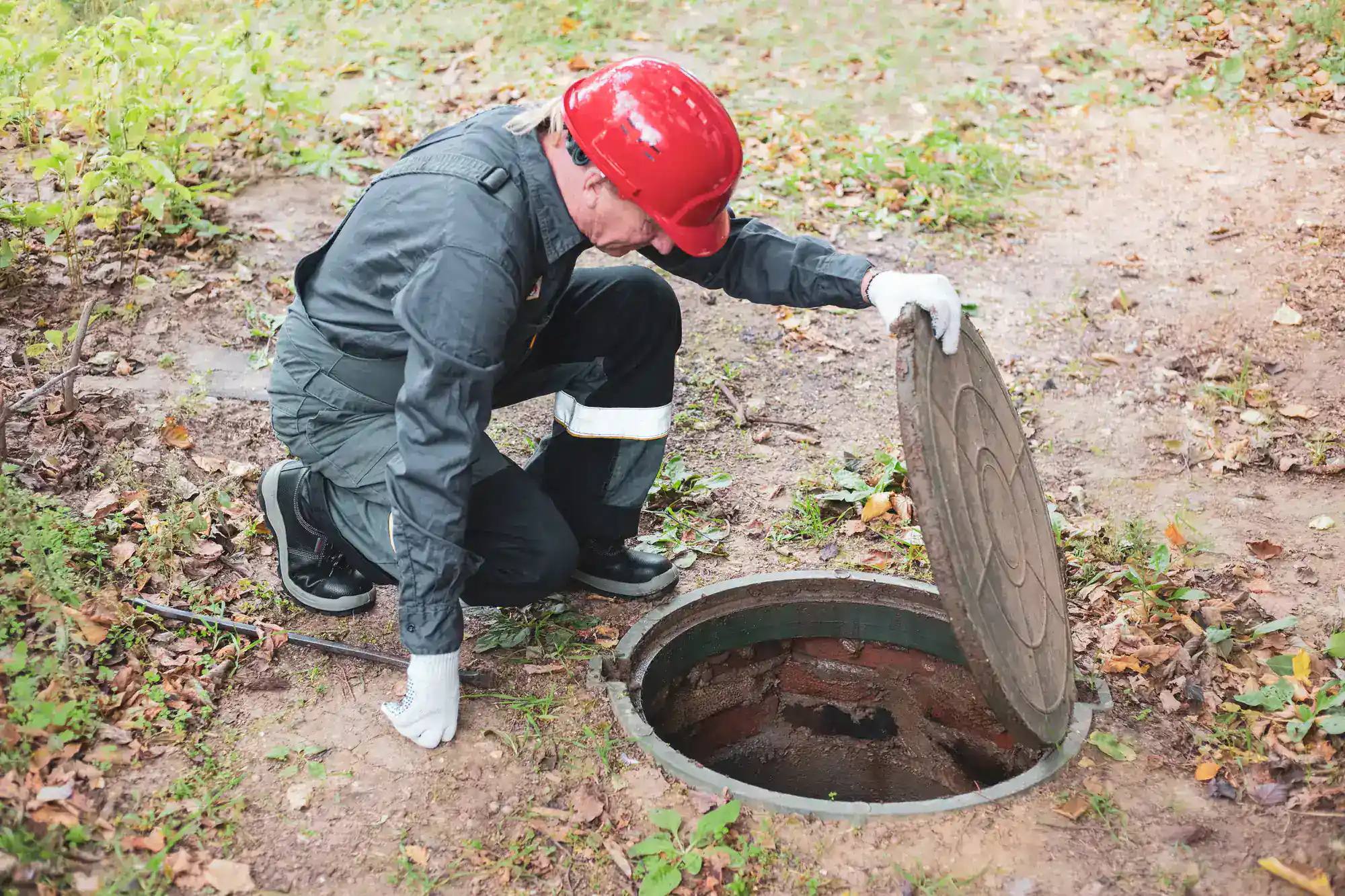
If you’ve lived in Suffolk County for any length of time, there’s a good chance someone has mentioned cesspools, septic tanks, or the county’s regulations around them. Maybe it came up during a home purchase. Maybe your drains have been slow lately and you started wondering. Either way, a lot of homeowners here aren’t entirely sure which system they have — and even fewer know what that distinction actually means for their wallet and their property.
These systems are underground, out of sight, and easy to ignore until something goes wrong. This page will help you understand what you’re actually dealing with — and what to do about it.
The terms get used interchangeably all the time, but they describe two very different systems. A cesspool is essentially a buried pit — usually made of concrete rings — with an open bottom and perforated sides. Household waste flows in, liquids seep out directly into the surrounding soil, and solids accumulate at the bottom. There’s no treatment happening. Raw sewage is just slowly dispersing into the ground beneath your yard.
A septic system works differently. Waste flows into a sealed tank where it separates naturally — solids sink to the bottom as sludge, grease floats to the top as scum, and the liquid layer in the middle flows out to a drain field. That drain field, made up of perforated pipes in gravel trenches, allows the liquid to filter gradually through the soil before it reaches groundwater. It’s not perfect treatment, but it’s a significant step up from a cesspool.
The practical difference matters more than most people realize — especially here on Long Island, where every drop of drinking water comes from underground aquifers. In Suffolk County specifically, that distinction has real consequences for the water supply that serves nearly 1.5 million people.

Here’s a simple starting point: if your home was built before 1973, there’s a reasonable chance you have a cesspool. Suffolk County banned cesspools from new construction that year, so anything built after 1973 should have a septic system — though there are exceptions, and not every pre-1973 home was converted. The only way to know for certain is to check your property records or have a professional take a look.
Your county health department records are actually a good first stop. The Suffolk County Department of Health Services keeps permit and installation records for most properties, and a quick search can tell you a lot about what was installed and when. If your records are incomplete or unclear, a camera inspection is the most reliable way to identify what’s down there without any guesswork.
Some homeowners discover they have a cesspool only when it starts failing — slow drains, a soft or wet spot in the yard, or an odor that wasn’t there before. These are signs that the system is struggling to absorb liquid fast enough, which usually means it’s reaching the end of its useful life. Cesspools can last anywhere from 10 to 40 years depending on how they’ve been maintained and what the soil conditions are like. Long Island’s sandy, permeable soil — particularly on the south shore — can actually accelerate the movement of effluent toward groundwater, which shortens the window before problems show up.
If you’re not sure what you have, don’t guess. A professional assessment takes the uncertainty out of it and gives you a clear picture of where things stand before any decisions need to be made.
This is where it gets personal. Long Island is one of the only places in the country that gets 100% of its drinking water from underground aquifers — there’s no reservoir, no river intake, no backup supply. Whatever seeps into the ground here eventually makes its way into the water people drink. That’s why the EPA classifies Long Island’s aquifer system as a sole-source aquifer, and it’s why Suffolk County has been pushing hard on cesspool replacement for years.
Nitrogen pollution in Long Island’s aquifers increased significantly between 1987 and 2005, and a substantial portion of that is attributed to the roughly 360,000 homes in Suffolk County still relying on older cesspools or conventional septic systems. The visible consequences show up in places like the Great South Bay — beach closures, shellfish restrictions, harmful algae blooms that have become a recurring problem for coastal communities from Babylon to East Patchogue.
The difference between a cesspool and a septic system, in this context, isn’t just about your property. A cesspool releases untreated sewage directly into the soil. A septic system provides at least basic treatment before anything reaches the ground. And the newer Innovative/Alternative Onsite Wastewater Treatment Systems — the I/A OWTS technology now required for new installations in Suffolk County — go further still, actively removing nitrogen before effluent enters the ground.
If you’re on a cesspool and wondering whether any of this applies to you, the short answer is yes. Existing cesspools can remain in use until they fail. The mandate that took effect in July 2019 applies to replacements and new installations, not to functioning systems. Understanding where you stand is the first step, and it doesn’t have to be complicated.
Want live answers?
Connect with a AAA Dependable Cesspool expert for fast, friendly support.
Maintenance is where the real difference between these two systems shows up in your bank account. Cesspools need to be pumped more frequently — typically every one to two years for a family of four — because they accumulate solids faster and have no separation process to slow that down. Septic systems, by contrast, generally need pumping every three to five years under normal household use.
In Suffolk County, a cesspool pump-out typically runs between $400 and $700 per service. Over time, that adds up. Factor in the higher likelihood of repairs as a cesspool ages, and the long-term cost of staying on a cesspool often exceeds what it would cost to upgrade — by $15,000 to $25,000 over a 20-year period.

There are two situations where a cesspool upgrade becomes necessary rather than optional. The first is system failure — if your cesspool stops functioning, Suffolk County law no longer allows you to replace it with another cesspool. Since July 2019, any replacement must be at minimum a conventional septic system. In many cases, depending on your property size and location, it will need to be an advanced I/A OWTS system designed to reduce nitrogen output.
The second situation is a major renovation. Certain types of significant home improvements can trigger the requirement to upgrade your wastewater system as part of the permitting process. If you’re planning an addition or major remodel, it’s worth checking with the Suffolk County Department of Health Services before you get too far into the planning.
The cost of a full upgrade varies. A conventional septic system installation in Suffolk County typically runs between $10,000 and $20,000. An advanced I/A OWTS system — the nitrogen-reducing technology now required for most new installations — averages around $25,000, not including engineering and design fees. Those numbers sound significant, but here’s what a lot of homeowners don’t know: Suffolk County’s Septic Improvement Program (SCIP) offers grants of up to $10,000 toward qualifying upgrades, and when combined with available New York State funding, eligible homeowners can receive up to $30,000 in total grant assistance. Suffolk County recently secured an additional $20 million in state funding for this program, so the money is there.
If you’re considering an upgrade — or want to understand whether you’d qualify for grant funding — the Suffolk County Department of Health Services administers the program through their Reclaim Our Water initiative. Getting a professional assessment of your current system is usually the right first step before any application.
The honest answer is: more often than most people do. Suffolk County now requires septic system inspections every three years, with mandatory reporting to the county database. That’s not just a suggestion — it’s an enforceable requirement, and it exists because neglected systems cause real problems for the aquifer and for neighboring properties.
For cesspools, the practical guidance is similar. A family of four should expect to pump every one to two years. A single-person household might stretch that to three years, but waiting longer than that without an inspection is a gamble. The problem with cesspools is that they give very little warning before they fail. One season the system seems fine, and the next you’re dealing with sewage surfacing in the yard or backing up into the house. By the time those signs appear, you’re often looking at emergency service costs — and potentially a forced replacement that runs $15,000 to $30,000.
Routine maintenance is genuinely cheaper than emergency repair in this industry. A pump-out and inspection every year or two costs a few hundred dollars. An emergency call, structural repair, or forced system replacement costs many times that. We’ve seen it play out this way for over 25 years of working on systems across Suffolk County, from Ronkonkoma to Southold to Babylon. The homeowners who stay on a regular schedule almost always spend less in the long run and deal with far fewer surprises.
Suffolk County also has specific soil conditions that make this more urgent than it might be elsewhere. The sandy, fast-draining soil that characterizes much of the county — especially the south shore and central spine — means effluent moves quickly once it leaves a failing system. There’s less natural filtration happening before that liquid reaches groundwater. That’s another reason why keeping your system in good working order isn’t just about your property — it’s about the shared water supply that everyone in the county depends on.
If you’ve read this far, you probably have a clearer picture of what separates a cesspool from a septic system — and why that difference matters in Suffolk County specifically. The bottom line is this: knowing what you have, keeping it maintained on a reasonable schedule, and understanding your options if something changes are the three things that will save you the most money and the most stress over time.
You don’t need to figure all of this out on your own. A straightforward system assessment can tell you exactly what you’re working with, what condition it’s in, and what — if anything — needs attention. We’ve been doing exactly this for Suffolk County homeowners since 1998. If you want honest answers from a local team that knows these systems and knows this county, give us a call at 631-738-7100.
Summary:
Article details:
Share: