Hair and fur from salons and grooming businesses create unique drainage challenges. Learn how specialized commercial drain services prevent costly backups in Suffolk County, NY.
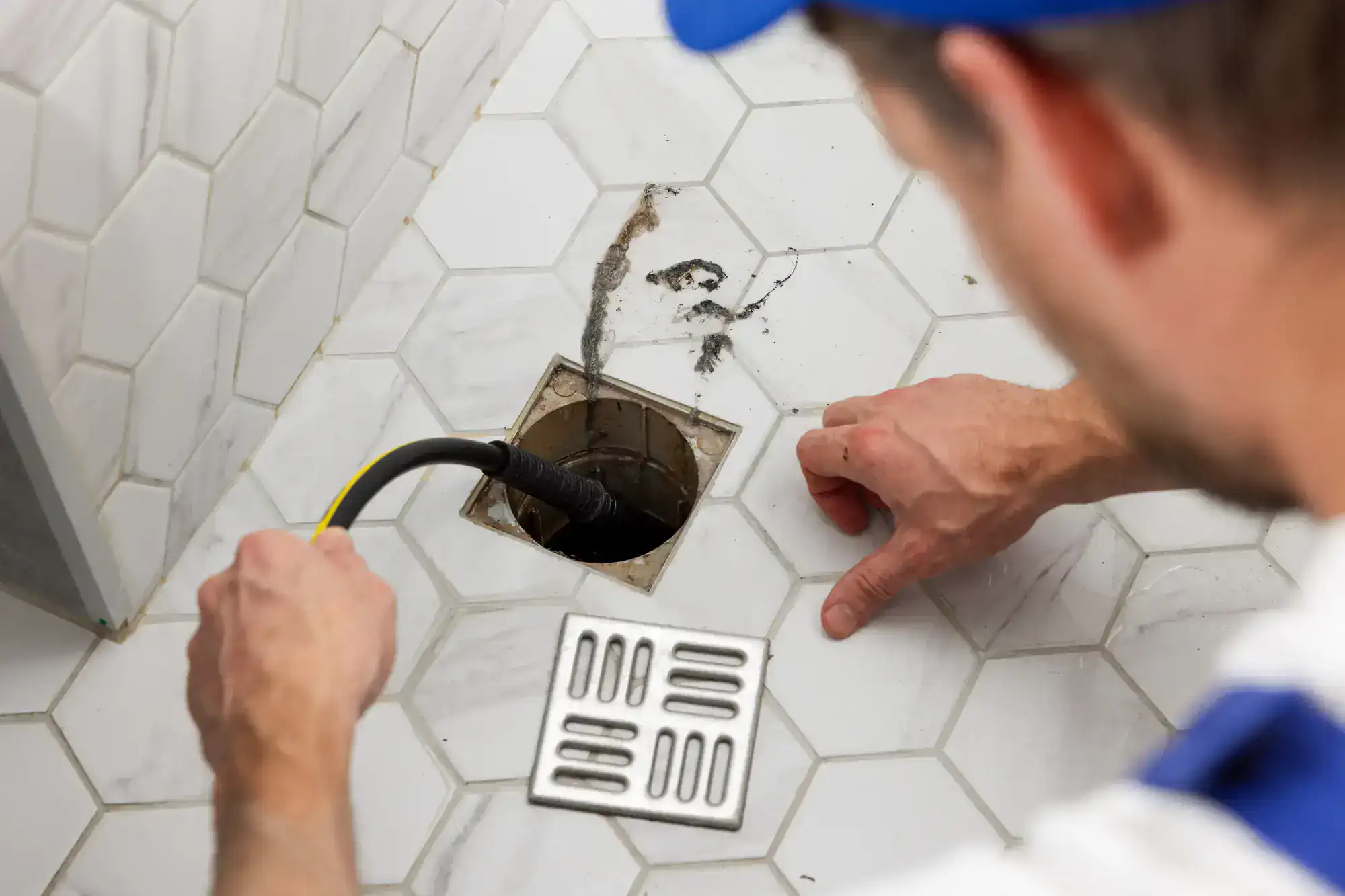
Most commercial plumbers treat every drain the same way. But your business isn’t like an office building or retail shop. You’re flushing hair and fur down your drains every single day, all day long.
Pet hair and human hair behave differently than typical drain debris. When hair hits water mixed with shampoo, conditioner, or grooming products, it doesn’t break down or wash away cleanly. Instead, it travels partway down your pipes and starts catching on anything rough—existing buildup, pipe joints, even microscopic imperfections in older plumbing. More hair catches on that first clump. Soap scum acts like glue. Before long, you’ve got a mass that water can barely squeeze past.
The volume matters too. A typical household might send a few strands down the drain during a shower. Your salon chair or grooming station? You’re dealing with that much hair every fifteen minutes. Multiply that across multiple stations running simultaneously, and your drainage system is handling what most residential properties wouldn’t see in months.

The first sign is usually subtle—water draining just a bit slower than it used to. Maybe you notice it pooling slightly around the shampoo bowl or taking an extra few seconds to clear from your grooming tub. That’s your early warning, and it’s easy to ignore when you’re busy with clients.
But hair clogs don’t stay small. Every wash adds more material to the blockage. The water flow slows further, which means hair has even more time to settle and stick instead of washing through. Eventually, you’re standing there with a completely backed-up sink or tub, water refusing to drain at all, and a client scheduled in twenty minutes.
The real problem isn’t just the inconvenience. Standing water in commercial settings creates sanitation concerns. Health inspectors notice. Clients notice. That stagnant water smell doesn’t exactly scream “professional establishment.” And if you’re a groomer, you can’t exactly bathe dogs when your tub won’t drain.
The costs add up fast. Every appointment you have to reschedule is lost revenue. Emergency plumber calls during business hours cost more than preventive maintenance ever would. If the backup causes water damage to your floors or walls, you’re looking at repairs that could run thousands of dollars. One serious clog can easily cost you more in a single day than a year of proper drain maintenance.
Suffolk County’s mix of older buildings and septic systems makes this even trickier. Many commercial properties in the area aren’t connected to municipal sewers—they rely on cesspools or septic systems that weren’t designed to handle the sheer volume of hair and product residue that salons and grooming businesses produce. When those systems get overwhelmed, the problems get expensive fast.
Walk into any restaurant and ask about their drain problems—they’ll tell you about grease. Office buildings worry about paper products and occasional food waste from break rooms. But hair and fur present a different challenge entirely, and that’s why your business needs specialized attention.
Hair is fibrous and flexible. It doesn’t dissolve in water, and it doesn’t break apart easily. When individual strands meet in your pipes, they weave together almost like fabric. Add in the oils from scalp treatments or pet coat conditioners, and you’ve got a sticky, tangled mess that standard drain cleaning methods struggle to fully remove.
Pet fur adds another layer of complexity. Dogs and cats shed continuously, and that loose undercoat comes off in huge volumes during baths. Short-haired breeds shed just as much as long-haired ones—the individual hairs are just smaller, which means they can work their way deeper into your plumbing system. Cat fur is particularly notorious for clumping when wet, creating dense masses that resist breaking apart.
The products you use every day contribute to the problem too. Shampoos and conditioners contain ingredients designed to coat and condition hair—which means they also coat your pipes. That residue gives hair something to stick to. Grooming products often include moisturizers and oils that don’t rinse away cleanly. Over time, your drain lines develop a layer of buildup that catches more hair with every wash.
Chemical drain cleaners aren’t the answer either. Those harsh products might eat through some organic material, but they’re not designed for the dense, fibrous clogs that hair creates. They can damage your pipes, especially older plumbing common in Suffolk County properties. And they definitely won’t solve the underlying issue—you’ll be back to square one within weeks because you haven’t actually removed the accumulated buildup coating your drain lines.
This is why businesses like yours need drain cleaning services that understand what they’re dealing with. A quick snake job might punch a hole through the clog and get water flowing again, but it leaves most of the hair and buildup still clinging to your pipe walls. You need thorough cleaning that actually removes the accumulated material, not just temporarily moves it aside.
Want live answers?
Connect with a AAA Dependable Cesspool expert for fast, friendly support.
Preventive maintenance isn’t about spending money on services you don’t need. It’s about avoiding the nightmare scenario where your drains fail during your busiest hours and you’re scrambling to find emergency help while clients wait.
For salons and pet grooming facilities in Suffolk County, NY, that means scheduled drain cleaning before problems start. Most hair-heavy businesses benefit from service every three to six months, though high-volume operations might need more frequent attention. The exact schedule depends on how many stations you’re running, how many clients you see daily, and what your drainage system looks like.
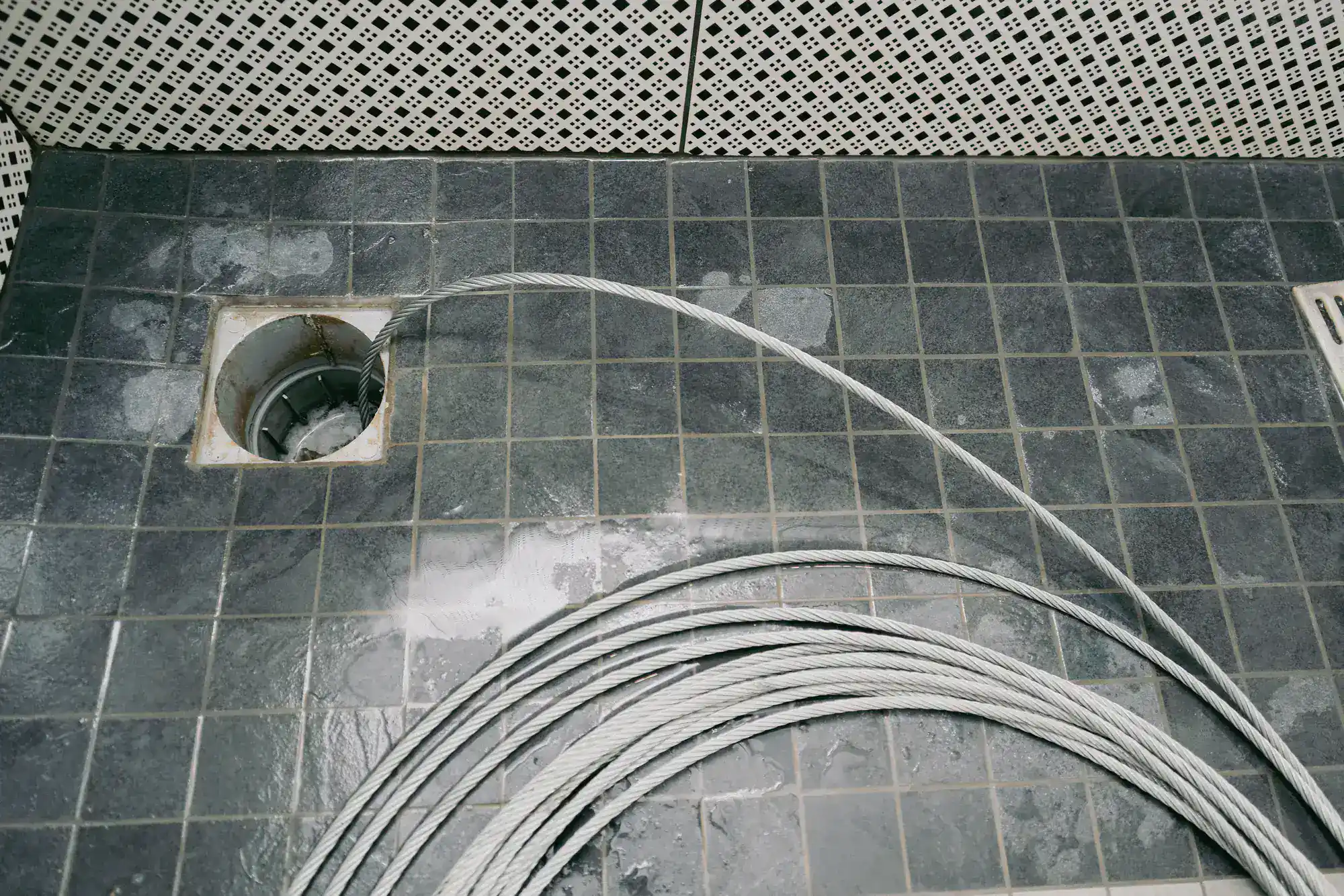
Professional drain cleaning for commercial operations uses equipment that actually solves the problem instead of just temporarily relieving symptoms. Hydro-jetting, for example, uses high-pressure water to scour the inside of your pipes clean—not just pushing through the clog, but removing the coating of hair, soap scum, and product buildup that’s been accumulating on your pipe walls. Camera inspections show exactly what’s happening inside your lines so you’re not guessing about what needs attention.
“Full service” gets thrown around a lot in the plumbing industry, but what does it actually mean for your salon or grooming business? It means addressing the complete picture of your drainage system, not just reacting to whatever’s causing problems today.
A thorough commercial drain cleaning starts with assessment. That means camera inspection of your main drain lines to see what’s actually happening below ground. You might have hair clogs, sure, but you might also have root intrusion if you’re on a septic system, or deteriorating pipes in older buildings, or improper slope that’s causing water to pool instead of flowing. Knowing what you’re dealing with lets you fix the right problem instead of wasting money on temporary patches.
The cleaning itself should remove accumulated buildup from your entire drainage system—not just the visible drains at your sinks and tubs, but the pipes connecting them to your main line. Hydro-jetting is typically the most effective method for this because the high-pressure water spray hits every surface inside the pipe. It cuts through the dense mats of hair, blasts away soap scum, and flushes everything out of your system completely.
But full service doesn’t stop when the cleaning is done. It includes follow-up camera inspection to verify the lines are actually clear. It means explaining what was found and what you can expect going forward. If there are underlying issues—like damaged pipes that are catching hair more easily than they should—you deserve to know about them so you can make informed decisions about repairs.
For businesses dealing with cesspools or septic systems, which is common in Suffolk County, full service also means understanding how your drain cleaning affects your overall waste management system. Hair and product residue don’t just disappear when they leave your building—they end up in your cesspool or septic tank. Regular pumping and maintenance of those systems needs to coordinate with your drain cleaning schedule to prevent problems from developing.
The right service provider also helps you implement preventive measures between professional cleanings. That might mean installing better drain screens at your shampoo bowls or grooming tubs. It could include recommendations about enzyme treatments that help break down organic material before it forms solid clogs. Simple changes to your daily routine—like brushing out pets before baths to remove loose fur, or using drain screens that catch hair before it enters your plumbing—can extend the time between needed cleanings and reduce your overall maintenance costs.
Even with the best preventive maintenance, emergencies happen. A particularly heavy shedding season for the dogs you’re grooming. An unexpected surge in business that pushes your drainage system past its limits. A sudden backup that appears without warning because something shifted in your pipes.
When your drains fail during business hours, you need help fast—not a callback in two days when it’s convenient for the plumber. Emergency drain service for commercial operations means someone who understands that every hour you’re closed costs you money. It means technicians who arrive with the equipment needed to diagnose and fix the problem on the first visit, not someone who shows up to “take a look” and then has to schedule another appointment to actually do the work.
For Suffolk County businesses, having a local service provider makes a massive difference in response time. When your grooming facility in Ronkonkoma has a backup at 9 AM on a Saturday—one of your busiest days—you need someone who can be there within an hour, not someone dispatching from two counties away. We know the area, understand the specific challenges of Long Island plumbing and septic systems, and have a reputation in the community to protect.
Emergency service should also include transparent pricing. The last thing you need when you’re already stressed about a plumbing disaster is surprise fees or unclear estimates. You should know what the service will cost before work begins, with no hidden charges for weekend calls or after-hours emergencies. That kind of straightforward pricing isn’t just good business practice—it’s a sign you’re working with someone who respects your situation instead of seeing it as an opportunity to overcharge.
The goal of emergency service isn’t just to get your drains flowing again today. It’s to understand why the problem happened so you can prevent it from recurring. That might mean adjusting your maintenance schedule, addressing an underlying issue in your plumbing system, or changing how your business handles hair and product disposal. A good emergency call should leave you with both a working drainage system and a plan to avoid finding yourself in the same situation next month.
Your drainage system might not be the most exciting part of running a salon or grooming business, but it’s definitely one of the most important. When it works, you don’t think about it. When it fails, you can’t think about anything else.
The difference between constant stress about your drains and confidence that your system can handle whatever you throw at it comes down to working with someone who understands your specific challenges. That means a provider with experience in commercial operations, particularly businesses that deal with high volumes of hair and fur. It means local knowledge of Suffolk County’s plumbing and septic systems. And it means honest communication about what your system needs—not overselling services you don’t need, but not underselling the importance of proper maintenance either.
We’ve been handling commercial drain cleaning for Suffolk County salons and pet groomers since 1998. We understand that your business can’t afford extended downtime, and we work around your schedule to minimize disruption. Whether you need preventive maintenance to keep your drains flowing smoothly or emergency service because your system just gave up mid-shift, you’re working with people who’ve seen every variation of hair-related drain problems Long Island businesses can produce—and know how to fix them.
Summary:

Article details:
Share: