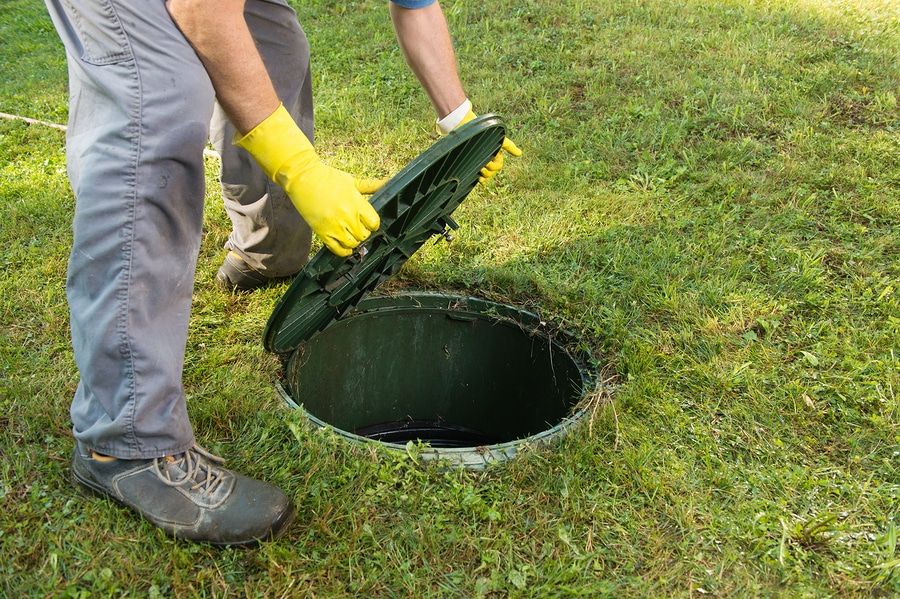
Wondering if your new high-efficiency toilet means fewer septic pumpings? The answer isn't what most people think—and it could save you from a costly mistake.

High-efficiency toilets use about 1.6 gallons per flush or less. Compare that to older models that guzzle 3.5 to 7 gallons, and you’re looking at serious water savings. For your septic system, that reduced water volume does make a difference—but not in the way most people assume.
The water you save benefits your drain field. Less hydraulic load means the soil has more time to absorb and treat the effluent before the next batch arrives. Your system isn’t constantly saturated, which helps prevent that waterlogged feeling that leads to surface pooling and system stress.
But here’s the part that surprises people: solid waste accumulation has almost nothing to do with water volume. The solids you flush—toilet paper, human waste, whatever makes it down the drain—settle to the bottom of your tank as sludge regardless of how much water accompanies them. A low-flow toilet doesn’t magically reduce the amount of solid waste your household produces.

Inside your septic tank, wastewater separates into three layers. Scum floats to the top—oils, grease, anything lighter than water. The middle layer is relatively clear liquid, called effluent, which eventually flows out to your drain field through the outlet pipe. At the bottom, sludge accumulates. This is the partially decomposed solid waste that settles and compacts over time.
Anaerobic bacteria living in your tank work constantly to break down this sludge layer. These bacteria don’t need oxygen to survive, which is why they thrive in the sealed environment of a septic tank. They digest organic material and convert it into simpler compounds, gases, and liquid that eventually leave the tank. This biological process happens slowly and steadily, regardless of whether you’re flushing 1.6 gallons or 5 gallons per use.
The rate at which sludge accumulates depends on what goes into your tank and how many people use your system. A family of four produces roughly the same amount of solid waste whether they’re using high-efficiency toilets or older models. The volume of water doesn’t change the volume of solids. What changes is how quickly that water moves through your system and how much stress it places on your drain field.
This is where the myth starts to make sense—and where it falls apart. Yes, less water is better for your septic system overall. It reduces the risk of hydraulic overload, gives your drain field time to recover between flushes, and helps prevent premature system failure. But it doesn’t reduce the amount of sludge building up in your tank. That sludge still needs to be pumped out on a regular schedule, or it will eventually overflow into your drain field and clog the soil.
Suffolk County’s sandy soil drains quickly, which is generally a good thing for septic systems. But it also means that when solids escape your tank, they can move through the soil faster and contaminate groundwater more easily. Keeping up with regular septic pumping protects both your system and the environment.
Here’s where things get interesting. While high-efficiency toilets don’t reduce solid waste accumulation, they can indirectly affect your pumping schedule in specific situations. If your household was producing so much wastewater that your tank couldn’t properly separate solids from liquids, reducing water volume might help the system function better. But that’s a sign your system was already stressed, not a reason to delay pumping.
Most Suffolk County homes need septic pumping every two to three years. That timeline is based on tank size, household size, and usage patterns—not toilet type. A family of four using low-flow toilets still generates the same amount of solid waste as a family of four using old toilets. The difference is in how much liquid passes through the system, not how much sludge settles at the bottom.
Some homeowners assume that because they’re using less water overall, they can stretch their pumping schedule from three years to four or five. That assumption causes problems. Sludge doesn’t care how much water you’re using. It accumulates based on what you flush and how many people live in your home. When the sludge layer gets too thick, it starts to interfere with the separation process inside your tank. Solids get carried out with the effluent, clog your outlet baffle or effluent filter, and eventually make their way into your drain field.
Once solids reach your drain field, they clog the soil and create a biomat—a layer of organic material that prevents water from infiltrating properly. At that point, you’re not just looking at a septic pumping. You’re looking at drain field repairs or replacement, which can cost thousands of dollars. High-efficiency toilets can’t prevent that if you’re not pumping your tank on schedule.
The best approach is to base your pumping frequency on actual sludge levels, not arbitrary timelines. A professional inspection measures how much sludge has accumulated and determines whether you need service. Some households might go longer between pumpings if they have a large tank and minimal usage. Others might need more frequent service if they have a garbage disposal, a large family, or heavy water use from other sources like laundry. Your toilet type is just one factor among many.
Want live answers?
Connect with a AAA Dependable Cesspool expert for fast, friendly support.
Sludge accumulation is a natural part of how septic systems work. Every time you flush, shower, or run the dishwasher, organic material enters your tank. Some of it breaks down quickly. Some of it settles to the bottom and compacts into a dense layer that takes years to decompose fully. The bacteria in your tank do their best to keep up, but they can’t eliminate sludge entirely.
Over time, that sludge layer grows thicker. In a properly functioning system, the sludge stays at the bottom while the effluent flows out through the outlet baffle. Baffles are designed to prevent scum and sludge from leaving the tank. They create a barrier that keeps floating solids from reaching the outlet pipe and forces the effluent to exit from the middle layer where it’s clearest.
Many modern tanks also have an effluent filter installed in the outlet baffle. This filter catches any remaining particles before they can enter the drain field. It’s an extra layer of protection, but it also means one more thing to maintain. If your filter gets clogged with solids, water can back up into your house. Regular filter cleaning—usually every few months to a year depending on usage—keeps that from happening.

Your septic tank has two baffles: one at the inlet where wastewater enters, and one at the outlet where effluent leaves. The inlet baffle directs incoming wastewater downward, which helps prevent it from disturbing the scum layer and allows solids to settle more effectively. The outlet baffle sits below the scum layer and above the sludge layer, so only the clearest liquid can exit the tank.
If your sludge layer gets too thick, it starts to encroach on the outlet baffle. When that happens, particles get pulled into the effluent stream and either clog the filter or escape into your drain field. This is why pumping schedules matter. Waiting too long allows the sludge to build up to a point where the separation process breaks down.
Effluent filters are relatively small devices, usually cylindrical, that fit inside the outlet baffle. They have tiny openings that trap solids while allowing liquid to pass through. Over time, these openings get clogged with particles. If you don’t clean the filter, water can’t exit the tank fast enough, and the level inside rises. Eventually, it backs up into your house through the lowest drain—often a basement toilet or floor drain.
Cleaning an effluent filter is straightforward but not pleasant. You remove the filter from the baffle, rinse it with a hose to wash the solids back into the tank, and reinstall it. Most homeowners prefer to have this done during a septic pumping, when the tank is already being serviced. But if you’re experiencing slow drains or backups between pumpings, a clogged filter might be the culprit.
High-efficiency toilets don’t reduce the need for filter maintenance. In fact, because they use less water per flush, there’s less hydraulic force pushing effluent through the filter. If anything, you might notice clogs slightly sooner with a low-flow toilet than with an older model, simply because there’s less water volume to keep things moving. It’s not a dealbreaker—just something to be aware of.
Suffolk County regulations require regular septic system inspections and maintenance. Homeowners are expected to have their systems inspected every three years and submit documentation to the county. That requirement exists because poorly maintained septic systems contribute to groundwater contamination, which affects everyone who relies on wells for drinking water. Keeping up with inspections and pumpings isn’t just about protecting your own system—it’s about protecting the community’s water supply.
The only way to know if your tank needs pumping is to measure the sludge depth. Professionals use a tool called a sludge judge—a long hollow tube with a check valve that captures a cross-section of your tank’s contents. Insert it through the access port, pull it back up, and you can see exactly how much sludge has accumulated since the last pumping.
As a general rule, your tank needs pumping when the sludge layer reaches about one-third of the tank’s liquid depth. At that point, there’s not enough clear zone left for proper separation, and solids start escaping with the effluent. Some tanks reach that threshold in two years. Others take four or five. It depends on usage, tank size, and what goes down your drains.
Homeowners with garbage disposals typically need more frequent pumping because food waste adds significantly to the sludge layer. Garbage disposals send partially ground food particles into your tank, where they settle and decompose slowly. If you use a disposal regularly, expect to pump every two years instead of three. High-efficiency toilets won’t change that math.
Water softeners can also affect sludge accumulation, though in a different way. The salt brine from regeneration cycles can interfere with bacterial activity in your tank, slowing down the decomposition process. If you have a water softener, make sure the backwash isn’t draining into your septic system. Diverting it to a separate dry well or the municipal sewer protects your tank’s bacterial balance.
Laundry habits matter too. Doing multiple loads in a single day floods your tank with water, which stirs up the sludge layer and can push solids toward the outlet. Spreading laundry throughout the week gives your system time to settle between loads. It’s a simple change that makes a real difference in how well your septic system functions.
The bottom line: high-efficiency toilets help your septic system by reducing hydraulic load, but they don’t eliminate the need for regular pumping. Solids accumulate at the same rate regardless of flush volume. If you want to protect your system and avoid costly repairs, stick to a pumping schedule based on actual sludge levels, not assumptions about water savings.
High-efficiency toilets are a smart upgrade. They save water, lower your utility bills, and reduce stress on your drain field. But they’re not a free pass to skip septic maintenance. Your tank still needs regular pumping to remove accumulated sludge, and your effluent filter still needs cleaning to prevent backups.
If you’re unsure about your pumping schedule, have a professional inspect your system and measure the sludge depth. That gives you a baseline to work from and helps you determine the right frequency for your household. Suffolk County’s unique soil conditions and environmental regulations make local expertise especially valuable. A company that understands how septic systems perform in sandy soil with a high water table can give you better guidance than generic online advice.
When it’s time for service, choose a company that’s been serving Suffolk County families for years. We at AAA Dependable Cesspool Sewer & Drain have the local knowledge and hands-on experience to keep your system running smoothly. Honest assessments, transparent pricing, and dependable service—that’s what you should expect from a septic company you can trust.
Summary:

Article details:
Share: