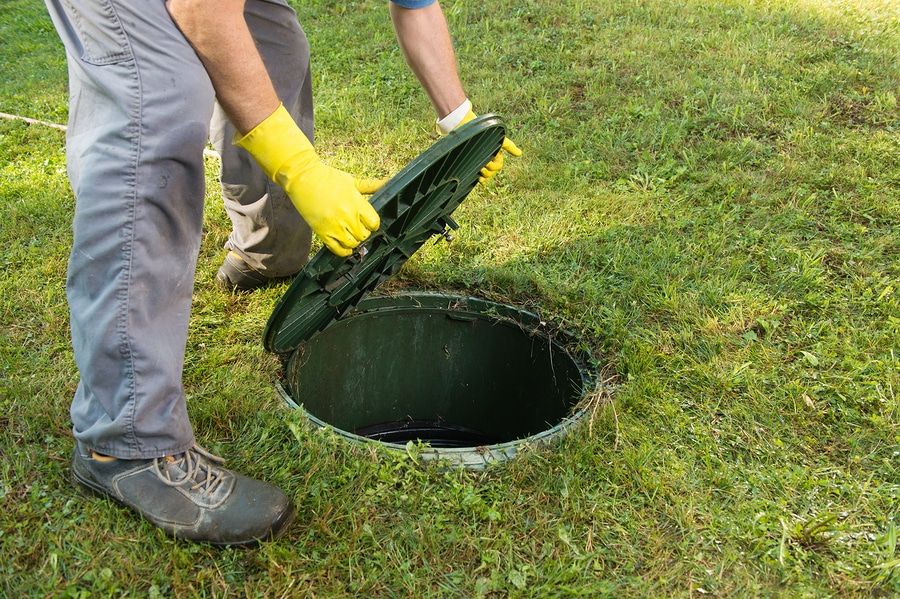
Winter in Suffolk County can turn small drain issues into frozen, burst pipes. Camera inspections spot the problems before temperatures drop.

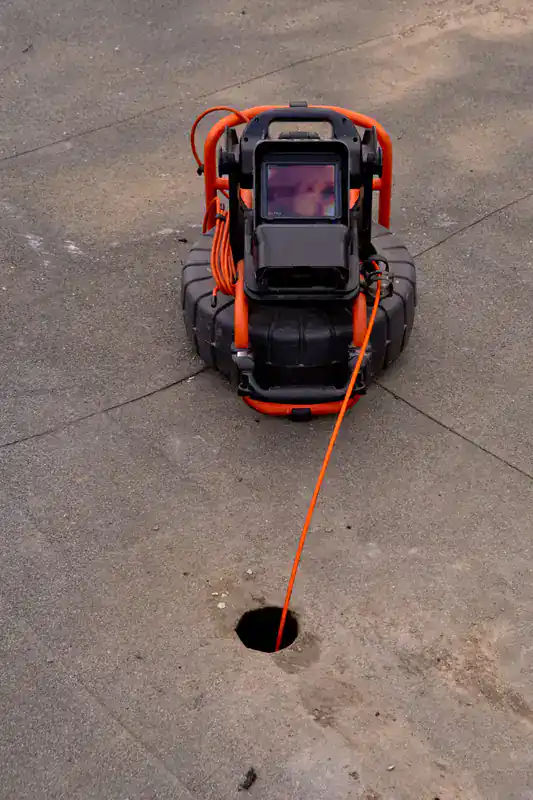
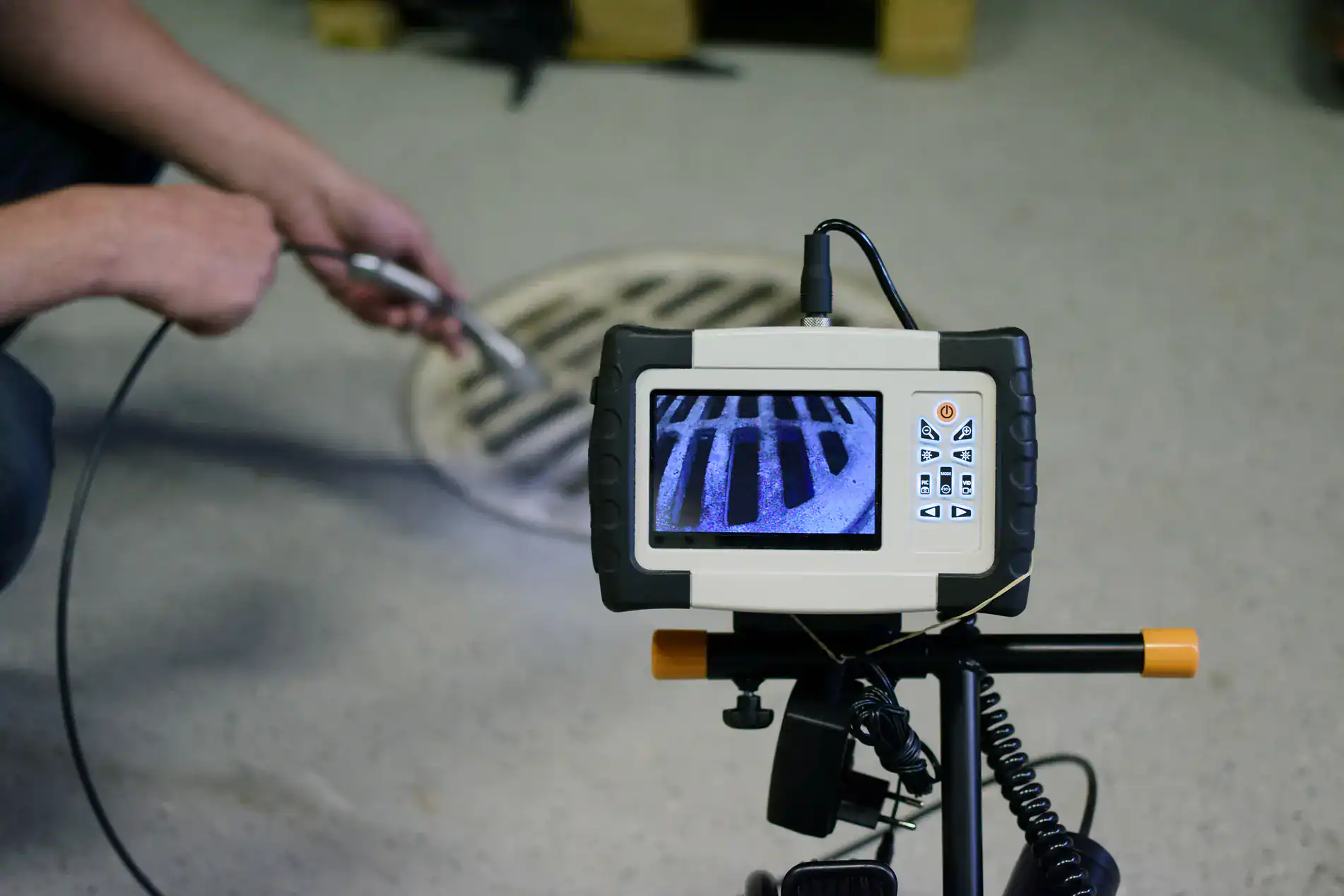
Camera inspection is straightforward. A small waterproof camera on a flexible cable goes into your drain line through an access point—usually a cleanout or drain opening. The camera has LED lights built in, so it can see in the dark. As it moves through your pipes, it sends live video back to a monitor.
You’re not guessing anymore. You see cracks, blockages, root intrusion, corrosion, whatever’s there. We can pinpoint exactly where a problem is without digging up your yard to find it.
For homeowners in Suffolk County, this matters even more before winter. The camera catches the vulnerabilities that freezing temperatures will exploit.
Suffolk County gets cold. We’re talking below-freezing temps, wind chills that drop well into the negatives, and freeze-thaw cycles that stress everything underground. When water freezes, it expands. That’s basic science, but the consequences aren’t small.
If you’ve got a hairline crack in a drain pipe, winter makes it worse. Water seeps into that crack, freezes, expands, and splits the pipe wider. Do that enough times over a season and you’ve got a break. Same thing happens with partial blockages. A drain that’s moving slowly in the fall can freeze completely when temperatures drop. Grease, soap scum, and food particles that would normally flow through will solidify in the cold and create a total blockage.
Here’s what a lot of people don’t realize: drains can freeze even though they’re underground. If a pipe isn’t buried deep enough, if there’s a belly or sag where water collects, or if there’s poor insulation around exit points, freezing is a real risk. Drain pipes in crawl spaces, along exterior walls, or in unheated areas are especially vulnerable.
Camera inspection finds these weak spots. It shows you where water is pooling, where pipes are misaligned, where there’s damage that cold weather will make worse. You get to see the problem areas before they become emergencies. A camera can reveal a pipe that’s sagging and holding water—exactly the kind of situation that leads to a frozen, blocked drain when the temperature drops. It can show you tree roots that have infiltrated a line, creating a spot where debris catches and builds up until it freezes solid.
The difference between a camera inspection in the fall and an emergency service call in January is thousands of dollars and a whole lot of stress. One is preventive. The other is reactive, and it usually happens at the worst possible time.
The biggest advantage of camera inspection is that it eliminates guesswork. Before this technology, diagnosing drain problems meant making an educated guess about where the issue was, then digging to see if you were right. If you weren’t, you dug somewhere else. It was expensive, time-consuming, and hard on your property.
Camera inspection changed all that. Now you see exactly what’s inside your pipes in real time. Blockages show up clearly—no matter if it’s grease buildup, hair and debris, or something that got flushed that shouldn’t have been. Tree root intrusion is easy to spot on camera. Roots work their way into pipes through small cracks or joints, then grow and create major blockages. On camera, you can see exactly where the roots are and how extensive the problem is.
Cracks and breaks are visible too. The camera shows you structural damage that’s invisible from the surface. You might have a pipe that’s cracked from settling soil, freeze-thaw damage from previous winters, or just age and deterioration. Without a camera, you wouldn’t know until the pipe fails completely. Corrosion is another issue that camera inspection catches early. Older metal pipes can corrode from the inside out, weakening the pipe and eventually causing leaks or collapses. The camera shows you the condition of the pipe material so you know if replacement is something to plan for.
Pipe misalignment and bellied sections show up on camera too. When soil shifts or settles unevenly, pipes can move out of alignment or develop low spots where water pools. These bellied areas are prime candidates for freezing in winter because standing water has time to freeze solid. Camera inspection identifies these spots so you can address them before cold weather hits.
The footage is clear enough that you can see it yourself. There’s no mystery about what’s wrong or why a repair is needed. That transparency matters. You’re making decisions based on what’s actually there, not on someone’s best guess.
Want live answers?
Connect with a AAA Dependable Cesspool expert for fast, friendly support.
Timing matters with drain maintenance. Getting a camera inspection done in the fall, before temperatures drop, gives you time to fix problems on your schedule instead of during an emergency. Winter in Suffolk County is unpredictable. We’ve seen stretches where the temperature doesn’t get above freezing for days, wind chills that make it dangerous to be outside, and sudden cold snaps that catch people off guard.
If your drains have issues, winter will find them. A camera inspection gives you the chance to address those issues before the cold does the damage. You’re not waiting for a problem to happen. You’re preventing it.
The cost of a camera inspection is a fraction of what you’ll pay for an emergency repair. Most camera inspections run between $200 and $1,000 depending on the complexity of your system. Compare that to the cost of dealing with a burst pipe in the middle of winter—emergency service calls, excavation in frozen ground, water damage cleanup, and the repair itself. You’re easily looking at several thousand dollars, and that’s if the damage is contained.
If a failed cesspool or drain line contaminates soil or groundwater, you’re dealing with environmental cleanup costs and potential fines that can reach into the tens of thousands. Camera inspection prevents that scenario by catching problems early when they’re still manageable and affordable to fix.
There’s also the property damage to consider. Traditional diagnostic methods required digging up your yard to locate a problem. Camera inspection eliminates most of that. We insert the camera through an existing access point and pinpoint the exact location of the issue. If digging is needed, it’s targeted and minimal. Your landscaping, driveway, and lawn stay intact.
The time savings matter too. A camera inspection typically takes one to two hours. You get results immediately. We can show you the footage, explain what’s wrong, and give you a clear plan for addressing it. There’s no waiting, no multiple visits to figure out the problem. You know what you’re dealing with and can make informed decisions about repairs.
For homeowners who are proactive about maintenance, camera inspection is part of a smart long-term strategy. Regular inspections every few years catch small issues before they become big ones. That approach extends the life of your cesspool and drain system significantly. A well-maintained cesspool can last 20 to 40 years. A neglected one might fail much sooner, requiring expensive replacement.
If you’ve never had a camera inspection done, here’s what the process looks like. We arrive with the camera equipment—a flexible cable with a waterproof camera on the end, LED lights for visibility, and a monitor to display the footage. We’ll locate the best access point for your system. That’s usually a cleanout, which is an access pipe specifically designed for maintenance, or we might go through a drain opening or vent stack depending on what we’re inspecting.
The camera goes into the pipe and we feed it through the line, watching the monitor as it moves. The footage is live, so we’re seeing the inside of your pipes in real time. We’re looking for blockages, cracks, root intrusion, corrosion, misalignment, and any other issues that could affect your system’s performance or lead to failure.
As we move through the line, we can measure distance so we know exactly where a problem is located. If there’s a blockage 30 feet from the access point, we know precisely where to focus repair efforts. If there’s a crack near a specific junction, we can pinpoint it. That accuracy is what makes camera inspection so valuable.
We’ll walk you through the footage and explain what you’re seeing. You’re not taking our word for it—you’re looking at the same images we are. We’ll point out problem areas, explain what’s causing the issue, and recommend solutions. We can provide a recording of the inspection so you have documentation for your records, for insurance purposes, or if you’re buying or selling a home.
The whole process is non-invasive. There’s no digging, no disruption to your property, no mess to clean up afterward. We finish the inspection, discuss findings with you, and you decide how to proceed. If repairs are needed, you have the information you need to plan for them. If everything looks good, you have assurance going into winter knowing your drains are in solid shape.
For Suffolk County homeowners, scheduling a camera inspection before winter is one of the smartest maintenance decisions you can make. It’s not about waiting for a problem. It’s about making sure you don’t have one when temperatures drop and your drains are under the most stress.
Winter doesn’t wait. Neither should you. Camera inspection gives you a clear picture of what’s happening inside your drains and cesspool lines before freezing temperatures turn small issues into expensive emergencies. You see the cracks, the blockages, the weak spots that cold weather will exploit. You get to fix them on your terms, not in the middle of a January freeze when everything’s harder and more expensive.
If you’re in Suffolk County and you want to know your drains are ready for winter, a camera inspection is where you start. It’s straightforward, it’s affordable, and it gives you real answers. We’ve been helping local homeowners protect their systems for over 25 years. Reach out before the next cold snap hits.
Summary:

Article details:
Share: