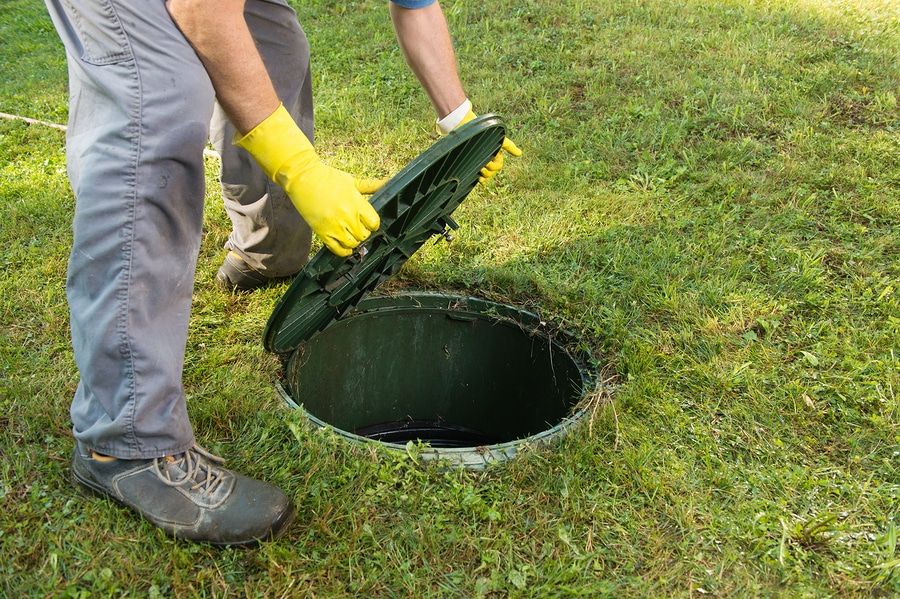
Suffolk County's sandy soil and high water table create unique septic pumping needs that generic advice doesn't address.
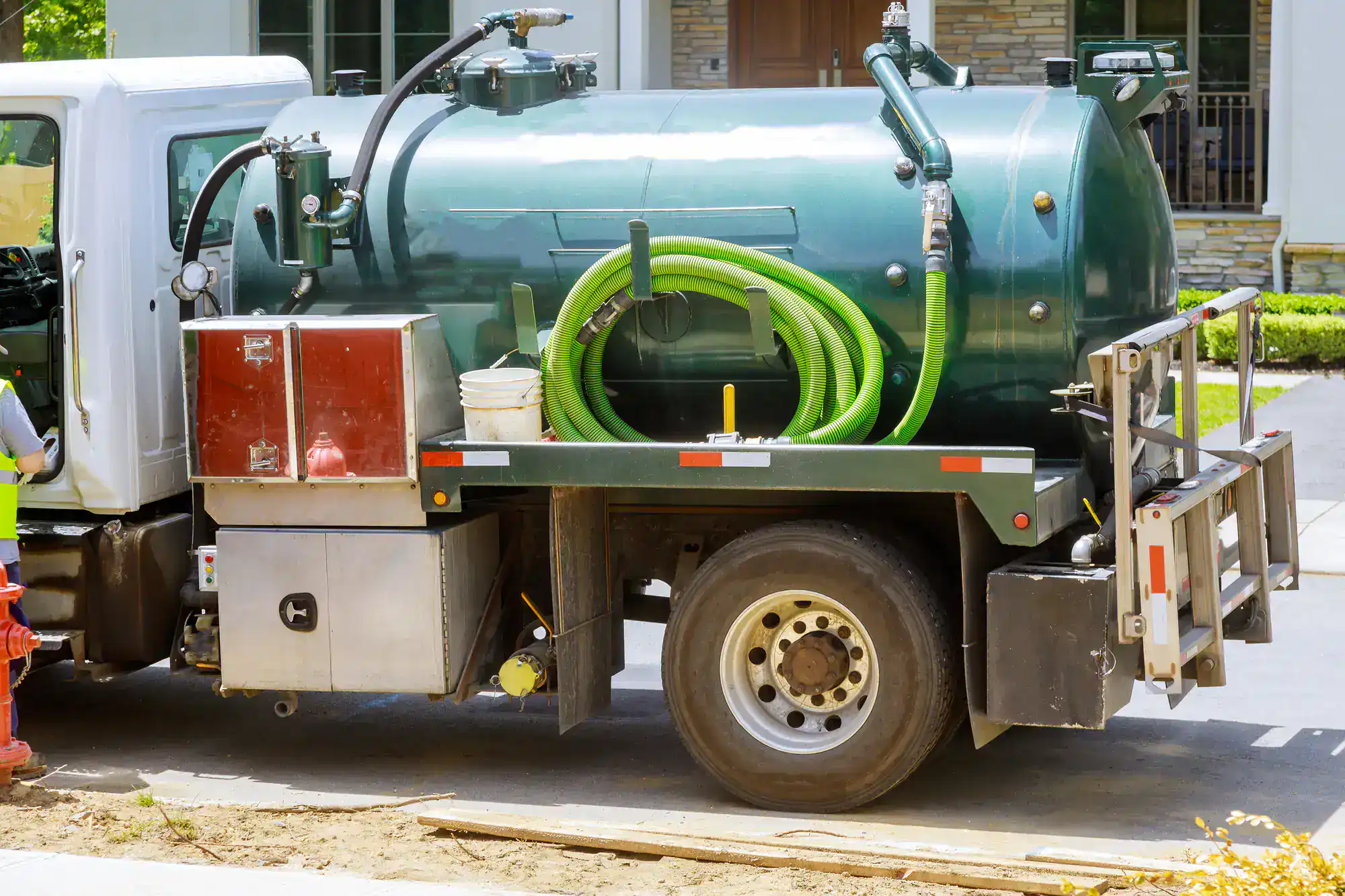
You’ve probably heard the standard advice: pump your septic tank every three to five years. But if you live in Suffolk County, that generic timeline might leave you with a flooded yard or a backed-up system when you least expect it. Long Island’s unique soil conditions, water table levels, and environmental factors create septic challenges that cookie-cutter advice simply can’t address.
What actually determines your ideal pumping schedule? Household size, water usage habits, system age, and local soil conditions all play a role. Scheduling a professional septic inspection helps assess your system’s current condition and establish a maintenance timeline tailored to your property—before minor issues turn into major emergencies.
For a family of four, professionals generally recommend pumping a septic tank every two to three years. But that’s just the starting point. Your actual usage patterns matter more than the number of people in your home.
A family of four typically uses about 250-400 gallons of water per day, and higher than average water usage leads to more frequent septic tank filling. If you’re running multiple loads of laundry daily, taking long showers, or have teenagers who seem to live in the bathroom, you’re looking at the higher end of that water usage range.
A family of four with a 1,000-gallon tank typically needs pumping every 2.5 years. Smaller households can wait longer, while larger families need more frequent service.
Long Island’s geology presents sandy soils, prevalent in areas like the outwash plains of the South Shore, which offer rapid percolation but can be a double-edged sword. While fast drainage sounds good, it means wastewater moves quickly through the system before it’s fully treated.
Long Island’s sandy soil means waste moves through your system differently than in other areas, often requiring more frequent attention. This isn’t necessarily bad news – it just means your pumping schedule needs to account for how quickly solids can build up when water drains away fast.
The rapid movement can potentially allow effluent to reach groundwater before it’s fully treated if the system isn’t designed properly, which may require specific maintenance approaches. Some areas feature more clay-rich soils that retain water and slow drainage, creating different maintenance needs.
Comprehensive soil testing directly impacts your septic maintenance schedule, as denser soils might necessitate more frequent septic tank cleaning to prevent solids from overwhelming a less permeable leach field. Understanding your specific soil type helps determine whether you need to pump more or less frequently than the standard recommendations.
The key is working with someone who understands these local soil variations and can adjust your maintenance schedule accordingly.
Suffolk County’s conventional septic systems only function as designed when there is enough distance between the leaching pit and groundwater, and in low-lying coastal areas systems are commonly considered “failing” when groundwater comes close to the leaching pit.
Proximity to the coast, prevalent across both North and South Shores, often means dealing with high water tables, which reduce the amount of unsaturated soil beneath the leach field that’s essential for proper effluent treatment. This is especially important if you live near Great South Bay, Peconic Bay, or Long Island Sound.
Many septic systems can fail at once when rain or storm surges submerge septic systems and elevate the water table. After heavy storms or during particularly wet seasons, you might notice your system struggling more than usual. This isn’t just inconvenient – it’s a sign that your pumping schedule might need adjustment.
Above normal precipitation has brought groundwater levels to near record highs in some parts of Long Island, and the impacts of a rising water table may include an increase in the potential for on-site septic system failure. If your property is in a low-lying area or you’ve noticed soggy spots in your yard during wet weather, you may need more frequent pumping than homes on higher ground.
The closer you are to water bodies, the more critical it becomes to stay ahead of your pumping schedule rather than waiting for warning signs.
Want live answers?
Connect with a AAA Dependable Cesspool expert for fast, friendly support.
According to Suffolk County News, due to changes in the Sanitary Code, as of July 1, 2019, “replacement of existing cesspools or septic systems will require the filing of registrations with the health department”. These aren’t just bureaucratic requirements – they reflect the county’s serious commitment to protecting Long Island’s sole-source aquifer.
The water that flows from every single spigot in Nassau and Suffolk County comes from groundwater aquifers and nowhere else, and even when working properly, traditional Long Island cesspools and septic systems are not designed to keep reactive nitrogen from entering groundwater aquifers.
Suffolk County Department of Health recommends pumping septic tanks every 3 years so no solid matter goes into the overflow cesspool causing cesspool failure. This isn’t just a suggestion – it’s based on protecting the water supply that every Long Islander depends on.
Water-efficient appliances, toilets, and shower heads help reduce overall water usage rates, while lifestyle choices like frequent laundry loads cause septic tanks to fill up much quicker. Your garbage disposal, dishwasher frequency, and even the types of soaps you use all impact your pumping schedule.
A family of four typically needs service every 3 years, but larger families or homes with garbage disposals may need pumping every 2 years. If you have teenagers, frequent guests, or run a home business, you’re probably looking at the more frequent end of that range.
The rate and degree of waste breakdown is determined by various factors including temperature, pH, bacterial efficiency, water usage, amount and types of waste and amounts of household cleaners, bleach, drain openers, and detergents added to the system. Heavy use of antibacterial soaps or bleach can actually slow down the natural bacterial processes your septic system depends on.
Using septic-safe cleaners and avoiding bleach, drain cleaners, and antibacterial soaps helps avoid killing the good bacteria within your septic tank. This isn’t just about being environmentally conscious – it directly affects how often you need pumping.
The bottom line: if you’re hard on your system with heavy water usage, harsh chemicals, or a garbage disposal, plan on pumping every 2-3 years rather than waiting for the full 3-5 year standard.
Look out for slow drains, gurgling sounds from plumbing, foul odors near the tank or yard, and pooling water or soggy ground in your drain field area – these are indicators that your tank may be full and require pumping. Don’t wait for these warning signs to develop into bigger problems.
Warning signs include slow drains, foul odors, and pooling water in your yard, and if you notice any of these, it’s time to schedule a pumping service. In Suffolk County’s sandy soil conditions, these problems can escalate quickly once they start.
If the sludge is more than one-third full when you check with a wooden rod, it’s time to pump your septic tank. You can do this basic check yourself, but most homeowners prefer having a professional assess the situation during regular maintenance.
Signs of a full septic tank include slow drains, foul odors, and standing water around the drain field, and if you notice these issues, schedule a pumping as soon as possible to prevent system backups and failures.
The key is recognizing that in Suffolk County’s unique conditions, waiting until you see problems often means you’re already behind schedule. Regular maintenance based on your specific household and local factors prevents these issues from developing in the first place.
Suffolk County’s sandy soil, high water table, and strict environmental regulations mean your septic pumping schedule needs to be tailored to local conditions, not generic national averages. For most families of four, that means pumping every 2-3 years, with adjustments based on your specific water usage, soil type, and proximity to water bodies.
The investment in proper maintenance protects both your property and Long Island’s precious groundwater supply. Regular pumping prevents costly emergency repairs and keeps your system compliant with county regulations.
When you’re ready to establish a maintenance schedule that actually works for your Suffolk County home, we can help you determine the right frequency based on your specific conditions and usage patterns.
Summary:

Article details:
Share: