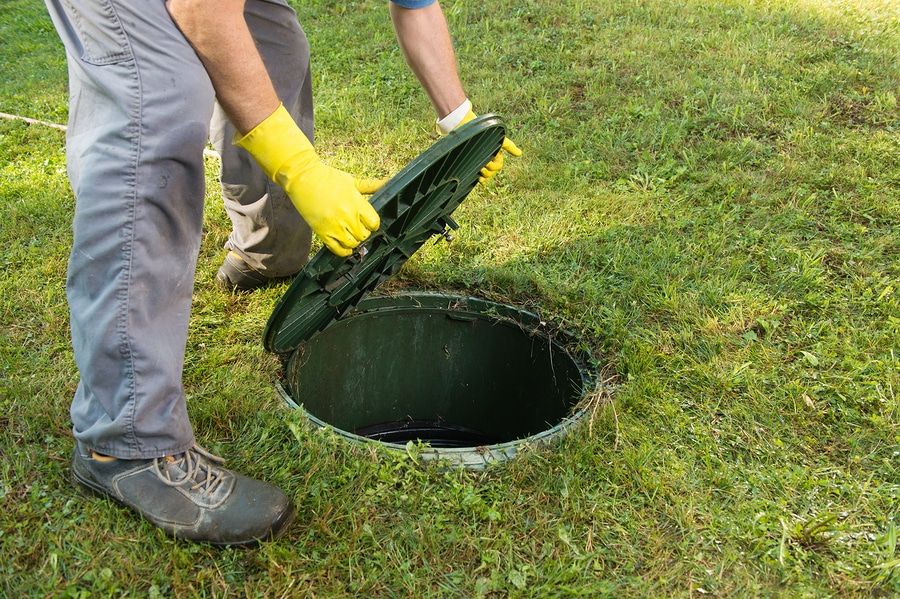
Not sure when your cesspool needs pumping? Discover how household size, tank capacity, and water usage determine your ideal pumping schedule in Suffolk County. (Hint: If your yard has a new "lake," you're late.)
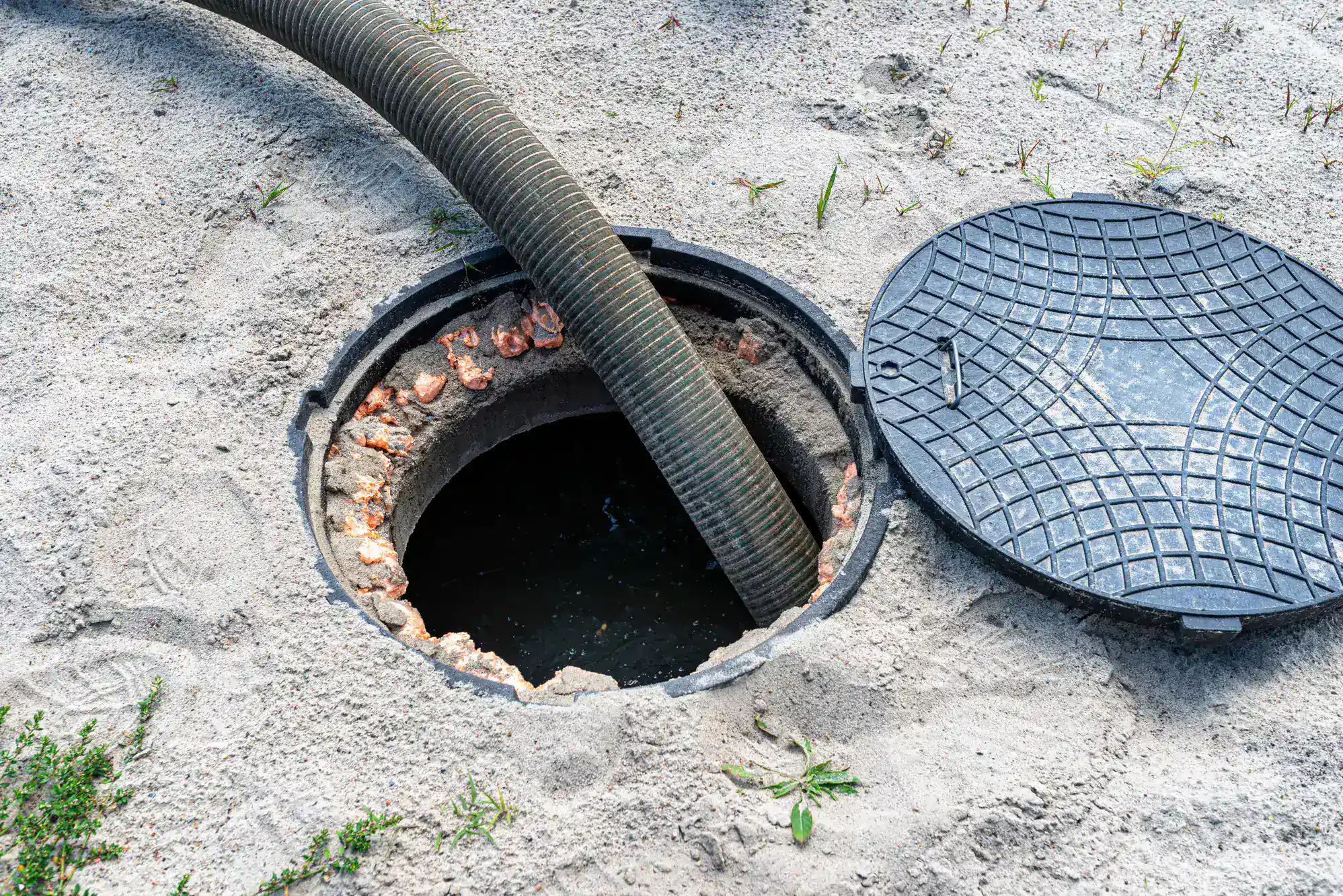
Your cesspool isn’t on a timer. It fills based on how you use it. The general guideline you’ll hear is every 3-5 years, but that’s just a starting point. It’s like saying every person needs a medium t-shirt; eventually, someone’s going to have a wardrobe malfunction.
Think of it this way: a two-person household using a 1,500-gallon tank will have a completely different pumping schedule than a family of six with the same size system. Your cesspool accumulates solid waste and sludge over time—the “permanent residents” of your tank—and when that buildup reaches a certain level, it needs to be removed before it starts looking for an exit.
The real question isn’t “how often do most people pump” but rather “what’s happening in your specific system.” That depends on three main factors: how many people live in your home, how much water you’re using daily, and the size of your tank.
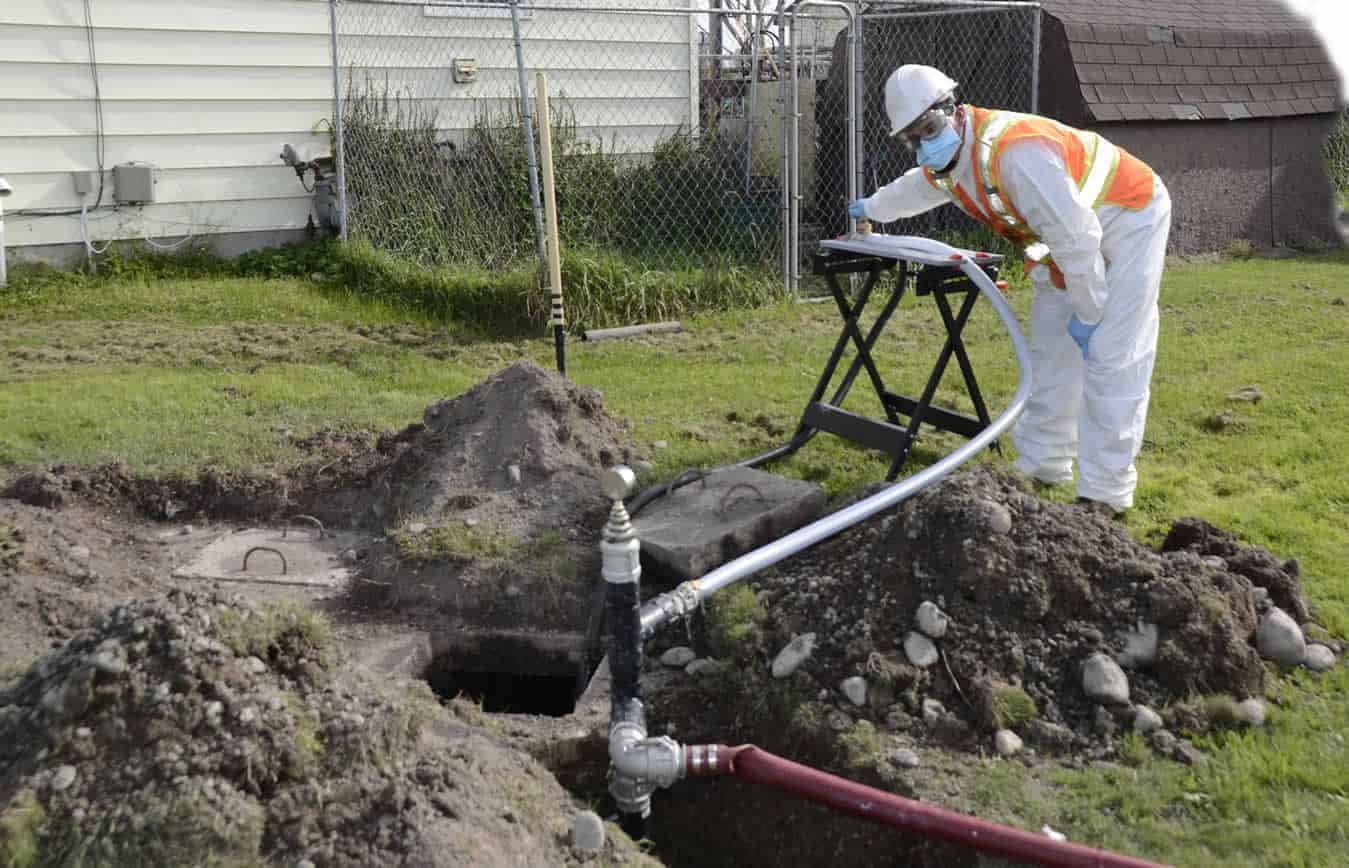
The more people in your home, the faster your cesspool fills. It’s that simple. Every shower, toilet flush, load of laundry, and sink full of dishes sends wastewater into your system. It’s basic math, but with higher stakes. A household of two might comfortably go four or five years between pumpings. Add a couple of kids (and their mountain of laundry), and you’re looking at every two to three years. Long showers, running multiple loads of laundry back-to-back, and frequent dishwasher use all contribute to how quickly your tank reaches “Maximum Capacity.”
Here’s something many Suffolk County homeowners don’t realize: your garbage disposal is secretly working against you. Every time you grind food waste down the drain, you’re adding solids to your cesspool that wouldn’t normally be there. Those solids don’t break down as easily as human waste. If you use your garbage disposal regularly, expect to pump more frequently than your neighbor who scrapes plates into the trash like it’s 1955.
Tank capacity is the other half of the equation. A larger tank can handle more waste before it needs a “spa day.” In Suffolk County, older homes often have cesspools that were sized for smaller households back when people took one bath a week and didn’t have high-efficiency washing machines running 24/7.
If you don’t know your tank size, that’s information worth tracking down. Tank sizes typically range from 750 to 1,500 gallons for residential properties, and that difference matters. A 1,000-gallon tank serving a family of four will need pumping much more frequently than a 1,500-gallon tank serving the same group.
System age also plays a role. Older cesspools—especially those 10 years or more—may need more frequent attention. As systems age, the porous walls that allow liquid to drain can become clogged with “biomat” buildup—basically, a biological slime that seals the walls shut. This means the tank fills faster than it did when the system was new. If your cesspool is approaching the 10-year mark, don’t assume the schedule that worked for the first decade still applies. It’s an elder now; treat it with respect.
Want live answers?
Connect with a AAA Dependable Cesspool expert for fast, friendly support.
Your cesspool will tell you when it’s reaching capacity—if you know what to listen for. These aren’t subtle hints; they’re more like your house shouting at you.
The most obvious sign is slow drainage. When your sinks, showers, and toilets start draining slower than a Monday morning, your cesspool is likely full. This isn’t the same as a single clogged drain from too much hair in the shower. We’re talking about multiple fixtures throughout your home all acting sluggish at the same time. If you hear “gurgling” sounds coming from your toilets, that’s another red flag. It’s the plumbing version of a stomach growl, and it means there’s no room left in the “stomach.”
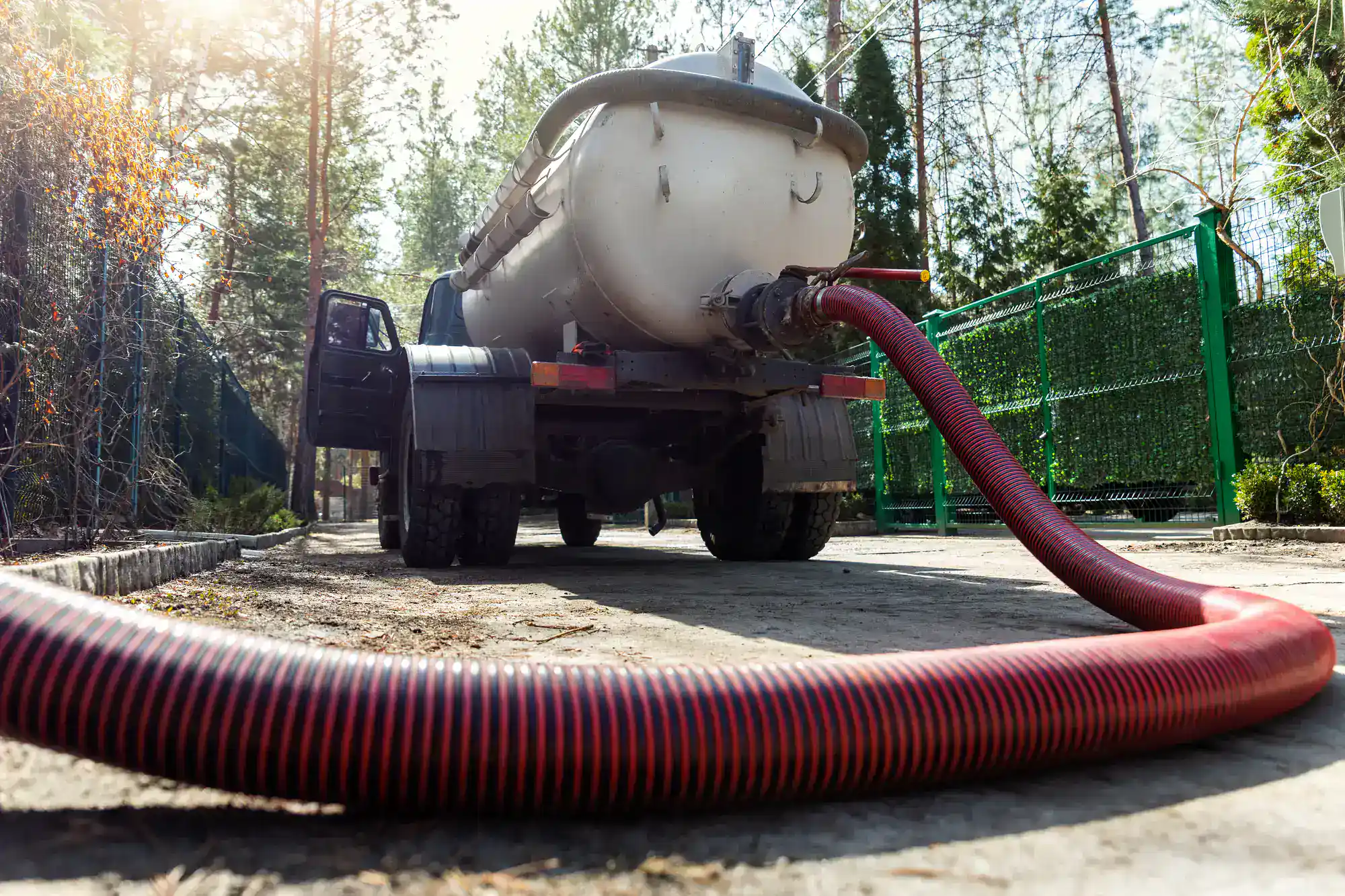
Foul odors are impossible to ignore. If you smell sewage inside your home—coming from drains or toilets—or outside near your cesspool, the system is either full or failing. That smell is raw sewage, and it means wastewater has nowhere to go but “out.”
Standing water or wet spots in your yard are also big indicators. If you notice a patch of grass that is unusually lush, green, and thriving compared to the rest of your lawn, don’t congratulate yourself on your gardening skills. It’s being fertilized by sewage. Unless you’re trying to grow a swamp, that’s not a good sign.
The most serious warning sign is sewage backup. This is the “nightmare scenario” where wastewater comes back up through your drains. It usually starts in the basement. If you see this, you’re past the point of routine maintenance; you’re in a full-blown emergency. Raw sewage is a health hazard containing bacteria and viruses that would make a scientist cringe. If you experience backup, keep pets and kids away and call us immediately.
The best approach to cesspool maintenance is proactive, not “wait until the basement floods.” Start by looking at your service history. If you don’t have records—maybe you just bought the home—schedule an inspection. We can measure sludge levels and recommend a schedule so you don’t have to play a guessing game with your plumbing.
For most Suffolk County households, pumping every 2-3 years is the “Goldilocks” zone. Larger families should lean toward every 2 years. Smaller households might stretch to 4. Very few residential cesspools should go longer than 5 years without service—unless you enjoy living on the edge of a plumbing catastrophe.
Set a reminder on your phone for six months before your “due date.” This gives you time to budget and schedule the service at your convenience, rather than calling us at 2:00 AM on a Sunday when your guests are wondering why the bathroom is “making noises.”
Figuring out how often to pump your cesspool isn’t complicated once you know the drivers: household size, water usage, and tank capacity. Most Suffolk County homeowners fall into the 2-4 year range.
The warning signs—slow drains, odors, and “magic” green grass—tell you when you’ve waited too long. Regular maintenance prevents emergencies and protects your property value. If you’re unsure when your system was last serviced, don’t guess. We’ve been helping Suffolk County homeowners since 1998 with honest, reliable cesspool service. Let’s keep your system running and your yard smell-free.
Summary:

Article details:
Share: