
Most Bohemia homeowners don't think about their cesspool until something goes wrong. Here's why that's a gamble — and what a maintenance program actually does to protect you.
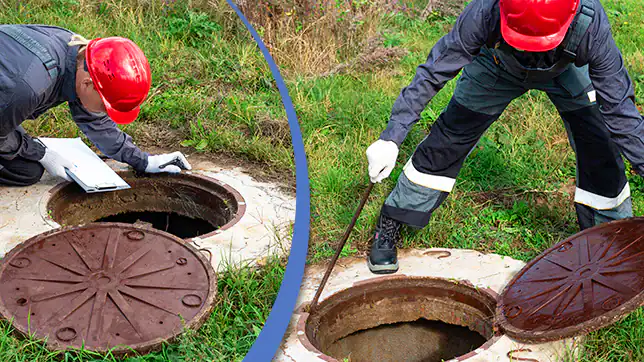
Most Bohemia homeowners don’t lose sleep over their cesspool. It’s underground, out of sight, and easy to push to the back of the list — right up until the morning you wake up to slow drains, a smell you can’t ignore, or worse, sewage surfacing in your yard. At that point, what could have been a routine service call has become an emergency. We’ve seen it play out hundreds of times across Suffolk County since 1998, and the pattern is almost always the same: the problem wasn’t sudden. It built up quietly while nobody was looking.
A preventative maintenance program exists specifically to catch it before you ever notice a thing. We treat each visit as a complete health check on your system, not just a service call. That’s the difference between staying in control and reacting under pressure.
A lot of people assume a maintenance program is just scheduled pumping with a fancier name. It isn’t.
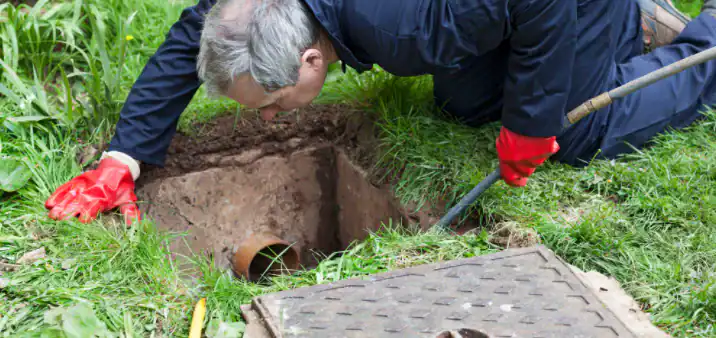
Pumping removes the waste that’s accumulated in your tank — that’s one piece of the picture. A full maintenance program goes further, treating each visit as a complete health check on your system, not just a service call. When we come out for a scheduled maintenance visit, we’re doing a thorough eight-point inspection: checking baffle conditions, measuring sludge levels, inspecting the distribution box, testing drainage flow, and scoping the pipes when the situation warrants it.
Every visit is documented in writing, and you walk away with a clear condition report that tells you exactly what was found and what it means. Nothing vague, nothing left to guesswork.
The national guidance from the EPA puts cesspool service somewhere in the three-to-five-year range. That’s a reasonable starting point for a lot of the country, but Long Island isn’t a lot of the country.
Suffolk County has its own set of conditions that push that timeline closer to every two to three years for most households — and sometimes more frequently than that. Long Island sits on a sole-source aquifer, meaning the groundwater beneath your property is the same water that comes out of your tap. There’s no municipal backup supply for most of Suffolk County. That makes a failing cesspool a much more immediate problem than it would be in a region with alternative water infrastructure.
The water table here is also relatively high, which reduces how effectively your leach field can absorb and process waste. When the water table rises — after a heavy rain, for example — a system that was functioning fine last month can suddenly show signs of stress.
Then there’s the housing stock. Bohemia, like much of the Town of Islip, was built largely during the 1950s, 1960s, and 1970s. The cesspools installed in those homes are now anywhere from fifty to seventy years old in some cases. Older systems don’t have the same structural resilience as newer ones, and they need more consistent attention to stay functional. A system that’s been quietly aging for decades can deteriorate faster than expected once it starts showing wear.
Household size matters too. A couple living in a home with a well-maintained system might stretch to four years between service visits. A family of four in an older Bohemia ranch using the same system daily will likely need attention every two years or less. Part of what we do during the first visit is assess your specific system and build a maintenance schedule around what it actually needs — not a generic interval that may or may not fit your situation.
The bottom line is that the three-to-five-year national guideline was written for average conditions. Suffolk County isn’t average, and your maintenance schedule shouldn’t be either.
Suffolk County requires that cesspool and septic systems be inspected on a regular cycle, with the results reported to the county’s centralized database by a licensed contractor. It’s not a suggestion. It’s a documented requirement, and it affects every homeowner in the county with a private wastewater system — which is the majority of households here, since roughly 75% of Suffolk County properties rely on cesspools or septic systems rather than municipal sewer connections.
Most homeowners find out about this requirement at the worst possible time: when they’re trying to sell their home. A property transfer can surface compliance gaps quickly, and if your system hasn’t been inspected and reported within the required window, that becomes your problem to resolve before the sale moves forward. It’s a delay and an expense that catches people completely off guard.
Here’s where a maintenance program makes the compliance piece simple. When you’re enrolled in a scheduled program with us, the inspection happens as part of the regular service visit. We handle the documentation and the reporting to the county database on your behalf. You don’t have to track the deadline, remember when the last visit was, or chase down paperwork. It’s built into the process.
There’s also the 2019 regulatory change to factor in. Since July 1, 2019, a failed cesspool in Suffolk County cannot simply be replaced with another cesspool. The replacement must be at minimum a conventional septic system, and in many cases a more advanced nitrogen-reducing I/A OWTS system is required. That shift dramatically raised the cost of system failure for every homeowner in the county.
What was once a painful but manageable replacement expense has become significantly more involved — and significantly more expensive. Staying current on maintenance isn’t just about avoiding a backup. It’s about protecting yourself from a replacement scenario that the county’s own regulations have made far more costly than it used to be.
Want live answers?
Connect with a AAA Dependable Cesspool expert for fast, friendly support.
People skip maintenance for understandable reasons. It costs money, it requires scheduling, and if nothing seems wrong, it’s easy to convince yourself it can wait another year. The problem is that cesspools don’t give you much warning before they fail.
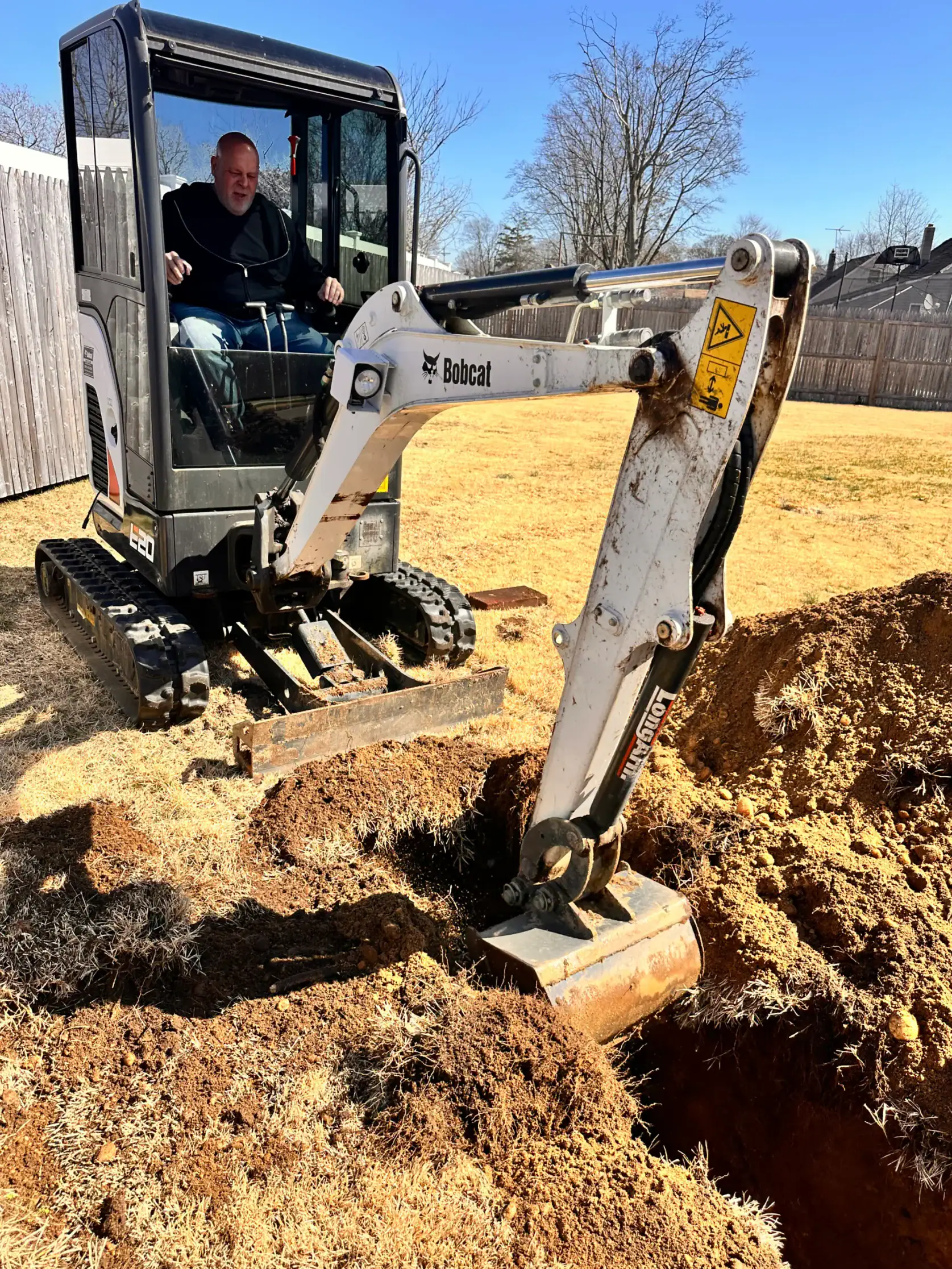
By the time you’re seeing symptoms — slow drains, odors, wet spots in the yard — the damage is already in progress. Professional sewage remediation after a backup is expensive on its own, and that’s before you account for any damage to flooring, drywall, landscaping, or personal property. A full system replacement, which under current Suffolk County rules now typically means an I/A OWTS installation, runs considerably higher.
The math on preventative maintenance isn’t complicated. It’s just easy to ignore until it isn’t.
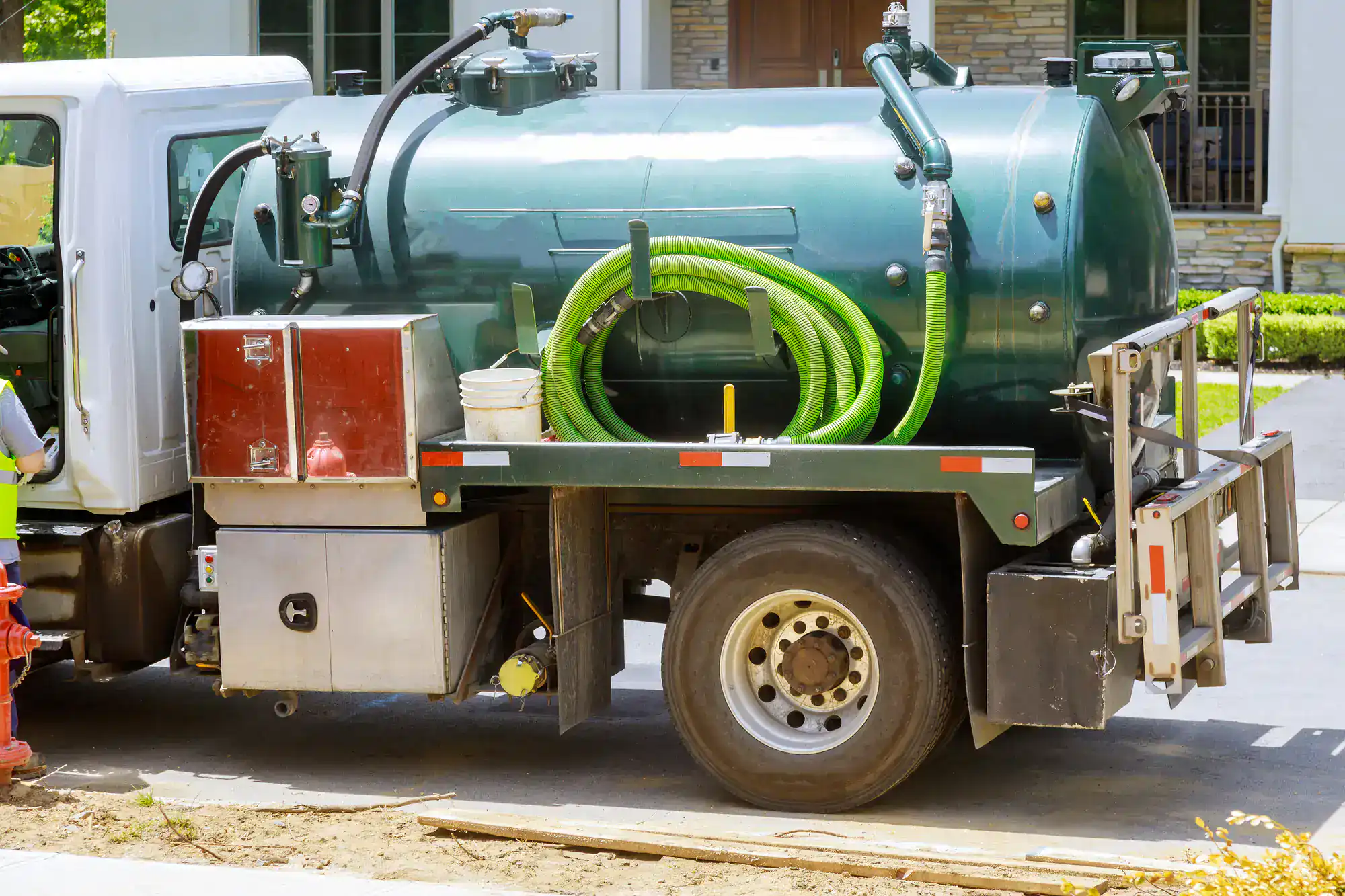
A cesspool failure isn’t just a plumbing problem. It’s a property problem. When a system backs up or the leach field becomes saturated and stops draining, the effects surface literally — in your yard. Sewage can pool on the ground, kill grass, contaminate soil, and create a remediation situation that goes well beyond fixing the system itself.
For a homeowner who’s spent years on their landscaping, their lawn, their outdoor space, it’s a gut punch on top of an expensive repair. There’s also a property value dimension that doesn’t get talked about enough. A well-documented maintenance history is a real asset when it comes time to sell.
Buyers and their inspectors ask about cesspool condition, and a clear paper trail showing consistent, professional service is a much stronger position to be in than “we haven’t had it looked at in a while.” Homes in Bohemia and the surrounding Town of Islip area are significant investments. The documentation that comes with a maintenance program protects that investment in ways that go beyond just keeping the system running.
We provide a written condition report after every visit — waste volumes removed, system condition, any observations worth noting. That record follows your home. If you sell in five years, you hand over a documented history. If something unexpected happens in the meantime, you have a baseline to work from. It’s a small thing that turns out to matter quite a bit.
Beyond the paperwork, there’s the practical benefit of knowing what’s actually going on underground. A cesspool is invisible under normal circumstances. Most homeowners have no idea whether their system is in good shape or quietly deteriorating. Regular maintenance gives you that visibility — not as an anxiety-inducing report card, but as straightforward information about a system that’s critical to your home’s function. You know what you have. You know what it needs. And you’re not waiting for a crisis to find out.
It’s the most common approach, and it’s the one that tends to cost the most in the long run. The logic makes sense on the surface — why pay for service when everything seems fine? The issue is that a cesspool doesn’t announce its problems in advance.
The system that looks fine today can be within months of a significant failure, and there’s no indicator on your kitchen wall that tells you which situation you’re in. Emergency service is also a different experience than scheduled maintenance, in ways that matter. When something goes wrong, you’re calling under pressure, scheduling under pressure, and often paying a premium for the urgency. You’re also dealing with a problem that’s already developed rather than catching it at a point where it’s still manageable.
A cracked baffle caught during a routine inspection is a straightforward repair. That same crack, left unnoticed for two more years, can compromise the entire system. The priority scheduling that comes with a maintenance program is worth mentioning here too. Program members move to the front of the line when something unexpected comes up between scheduled visits.
In a county where demand for cesspool service spikes seasonally — summer brings higher water usage, spring brings post-winter system stress, and storm events can push multiple calls in at once — having that priority access is genuinely useful. You’re not waiting days for a callback when your system needs attention.
We’ve been doing this work in Suffolk County since 1998, and the customers who’ve been with us the longest are almost always the ones who started with a maintenance program and stuck with it. Not because we pushed them into it, but because they saw what happened to neighbors who didn’t — and they decided the math made sense. It does. A routine service visit every two to three years is a fraction of what a single emergency remediation costs, and it’s a much better way to spend a Tuesday morning.
If you’ve been putting this off, you’re in good company. Most people in Bohemia and across Suffolk County don’t think about their cesspool until something forces the issue. The goal of a maintenance program is to make sure that moment never comes — or at least to catch it early enough that it stays manageable.
The first step is a complete system assessment. We look at what you have, how it’s performing, and what interval makes sense given your household size, system age, and usage. From there, we build a schedule around your actual needs and handle the county reporting requirements along the way. No surprises on the bill, no recommendations for work you don’t need, and a written record of every visit.
If you’re in Suffolk County and want to know where your system stands, reach out to AAA Dependable Cesspool Sewer & Drain. We’ll give you a straight answer.
Summary:
Article details:
Share: