Multi-family rentals put serious stress on main lines. Hydro-jetting clears chronic clogs more thoroughly than snaking, preventing repeat service calls.

Sewer jetting—also called hydro-jetting—uses high-pressure water to scour the inside of your drain lines. Not just push through them. Actually clean them.
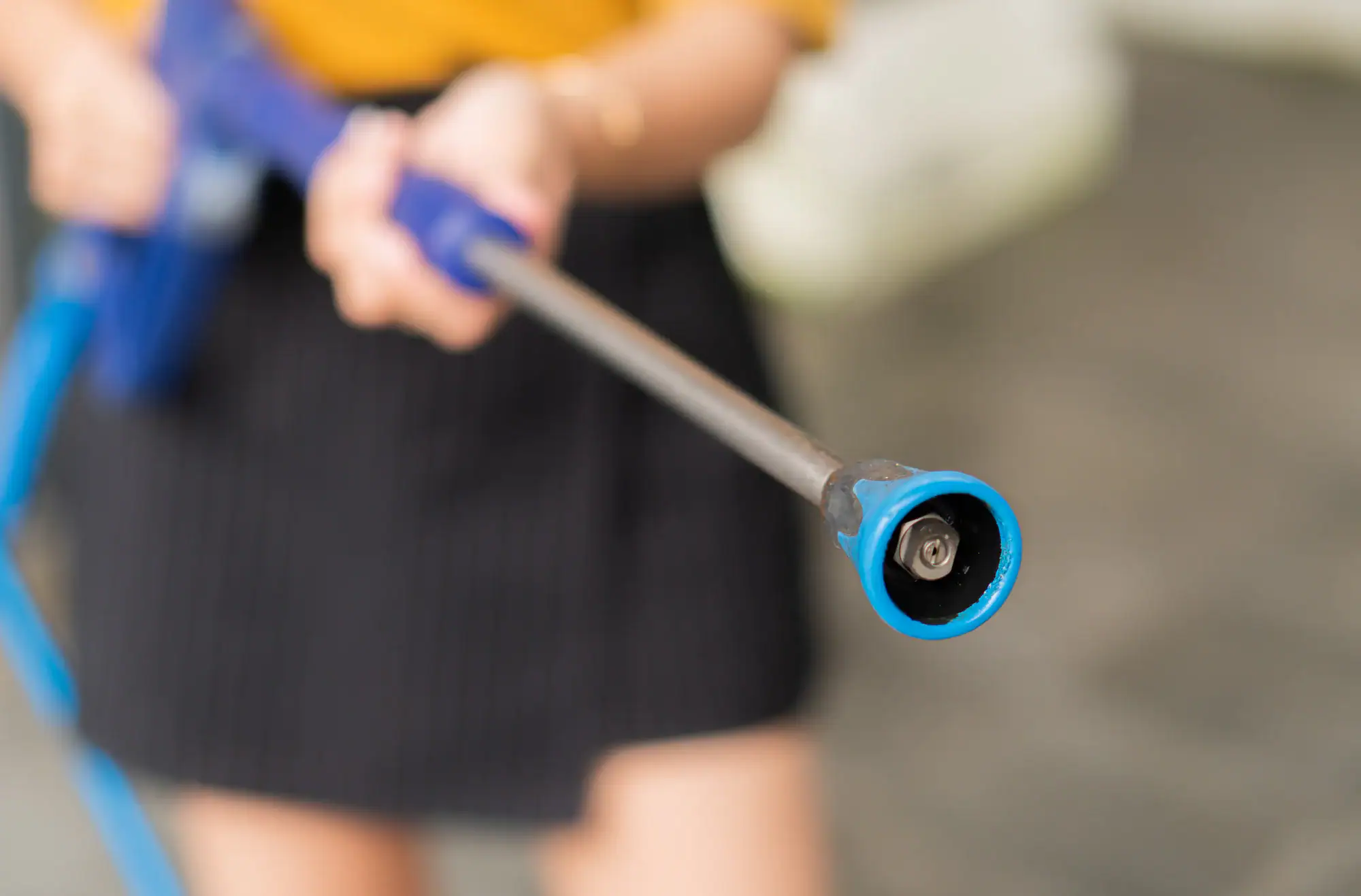
A specialized nozzle shoots water at 1,500 to 4,000 PSI in multiple directions. The force breaks up grease, soap scum, mineral deposits, and years of buildup clinging to your pipes. The debris gets flushed out completely, not just shoved aside like it is with a snake.
The process requires a certified plumber and professional-grade equipment. The pressure involved can damage pipes if used incorrectly, which is why experience matters—especially in older multi-family buildings where pipe condition varies. Long Island properties built decades ago often have cast iron or clay pipes that need careful assessment before any high-pressure work begins.
Snaking is a common first response. It’s fast, it’s familiar, and most plumbers can do it. But here’s what snaking actually does: it creates a hole through the clog. Picture drilling through a wall instead of removing it. Water flows again, so the immediate problem seems solved. But all that debris and sludge is still coating your pipes. It catches more waste. The clog rebuilds, often within weeks or months.
Hydro-jetting removes the coating itself. The high-pressure water scrubs pipe walls clean, eliminating the surface where future clogs form. You’re not just treating the symptom. You’re addressing what causes chronic drain problems in the first place.
Hydro-jetting removes the coating itself. The high-pressure water scrubs pipe walls clean, eliminating the surface where future clogs form. You’re not just treating the symptom. You’re addressing what causes chronic drain problems in the first place.
For multi-family properties, this difference matters more than it does in single-family homes. You’ve got multiple units using the same main line. More cooking byproduct going down kitchen drains. More hair, soap, and personal care products in bathroom drains. That accumulation builds faster in rental properties, which is exactly why the “drill a hole” approach stops working.
When you jet the line, you’re securing years of clear flow before the next service call, not just a few months. The operational difference is clear when you’re not paying for the same fix over and over.
Apartment buildings and multi-family rentals put stress on plumbing that single-family homes never see. You’ve got shared main lines serving 4, 6, 12 units or more. Each unit sends waste to the same pipes. One tenant’s bad habits affect everyone downstream.
Buildup is the biggest culprit. Tenants pour substances down the sink because they are liquid when hot. By the time they hit your pipes, they are solidifying and coating everything. Food particles stick to it. Hair from bathroom drains gets trapped in it. The whole mess creates a dense blockage that catches everything else flowing through.
In a single-family home, that might take years to become a problem. In a multi-family building, it happens in months. And when it does, it doesn’t just affect one unit. The clog backs up into lower floors. Multiple tenants start complaining. Water damage becomes a real risk if someone’s tub overflows.
Snaking might clear the immediate blockage, but it leaves all that coating in place. You’re basically guaranteeing another service call soon. Each time, you’re paying for temporary relief. Hydro-jetting strips mineral deposits and years of accumulation off your pipe walls. The line flows like it’s supposed to. You get years of clear drainage instead of weeks.
For landlords dealing with tenant turnover, this makes sense. Jetting the lines between tenancies gives you a clean slate and reduces the chance of emergency calls during a lease.
Suffolk County adds another layer to this. Many properties here rely on cesspools and septic systems instead of municipal sewer. When your main line clogs, it’s not just a drain problem—it can affect your entire waste management system. Backups can damage the system itself, turning a standard service into a major repair. Prevention is more effective than emergency fixes, especially when you’re dealing with shared systems serving multiple units.
Want live answers?Connect with a AAA Dependable Cesspool expert for fast, friendly support. Get A Free Consultation Call: 631-738-7100
Want live answers?
Connect with a AAA Dependable Cesspool expert for fast, friendly support.
Hydro-jetting is a more intensive process than snaking. While the initial service is a larger undertaking, the results last significantly longer. You’re choosing between frequent temporary fixes or a long-term solution that lasts 2 to 3 years.
The real value shows up in what you avoid: emergency calls, water damage from backups, tenant complaints, and potential lease disputes. One basement flood from a backed-up main line is far more taxing than a decade of preventive jetting. When you factor in the hassle of coordinating emergency repairs across multiple units, hydro-jetting is a strategic maintenance choice.

Not every clog needs jetting. If you’ve got a single slow drain in one unit and it’s the first time it’s happened, snaking might be fine. But there are clear situations where jetting is the smarter move from the start.
A proper hydro-jetting service starts with inspection, not equipment. We run a camera through your line first to see what we’re dealing with. This identifies the clog location, shows pipe condition, and confirms that jetting is safe for your system.
The camera inspection catches issues like cracked or corroded pipes before they become mistakes. If the inspection confirms jetting is safe, we insert a specialized hose with a high-pressure nozzle into your cleanout access point. Water scours the pipe walls as it moves through the line.
The process typically takes a few hours. After jetting, another camera inspection confirms the work. You should see clean pipe walls with no remaining buildup. This final check also documents the condition of your lines for future service planning.
For multi-family properties, schedule jetting during low-occupancy periods if possible. Tenants will need to avoid using water during the service. Coordinate with residents ahead of time to minimize inconvenience.
Chronic clogs hinder tenant satisfaction, property value, and your time. Hydro-jetting solves what snaking can’t—it actually removes the buildup causing your drain issues.
For multi-family properties in Suffolk County, the investment proves its worth after the first few months of trouble-free operation. You’re either going to keep paying for temporary fixes, or you’re going to address the root cause.
If you’re dealing with repeat clogs or main line issues affecting multiple units, it’s time to look at jetting. We’ve been handling these exact problems for Suffolk County landlords since 1998. We know the local systems and what actually works for multi-family properties.
Summary:

Article details:
Share: