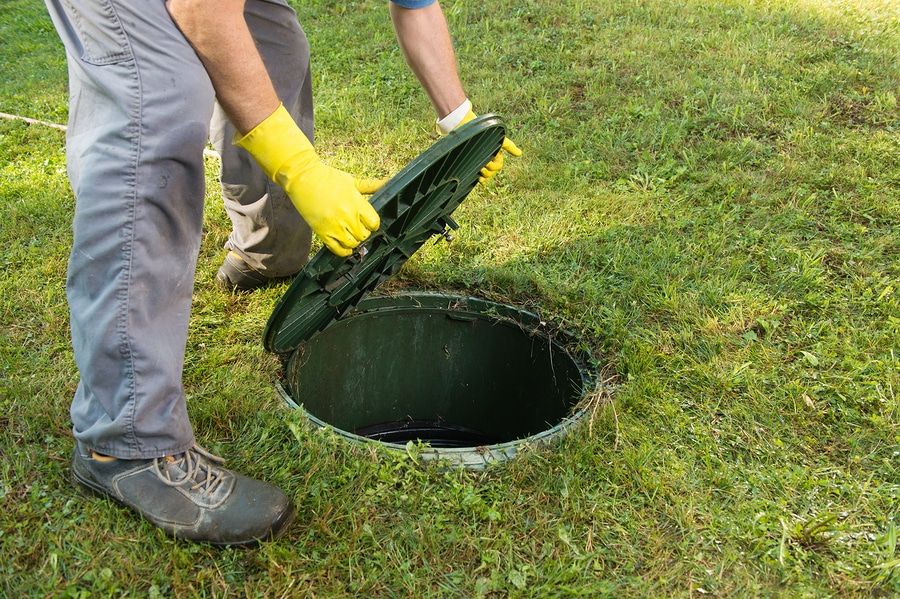
Preparing your yard for septic pumping isn't just about convenience—it's about saving money and protecting your system from unnecessary complications during service.
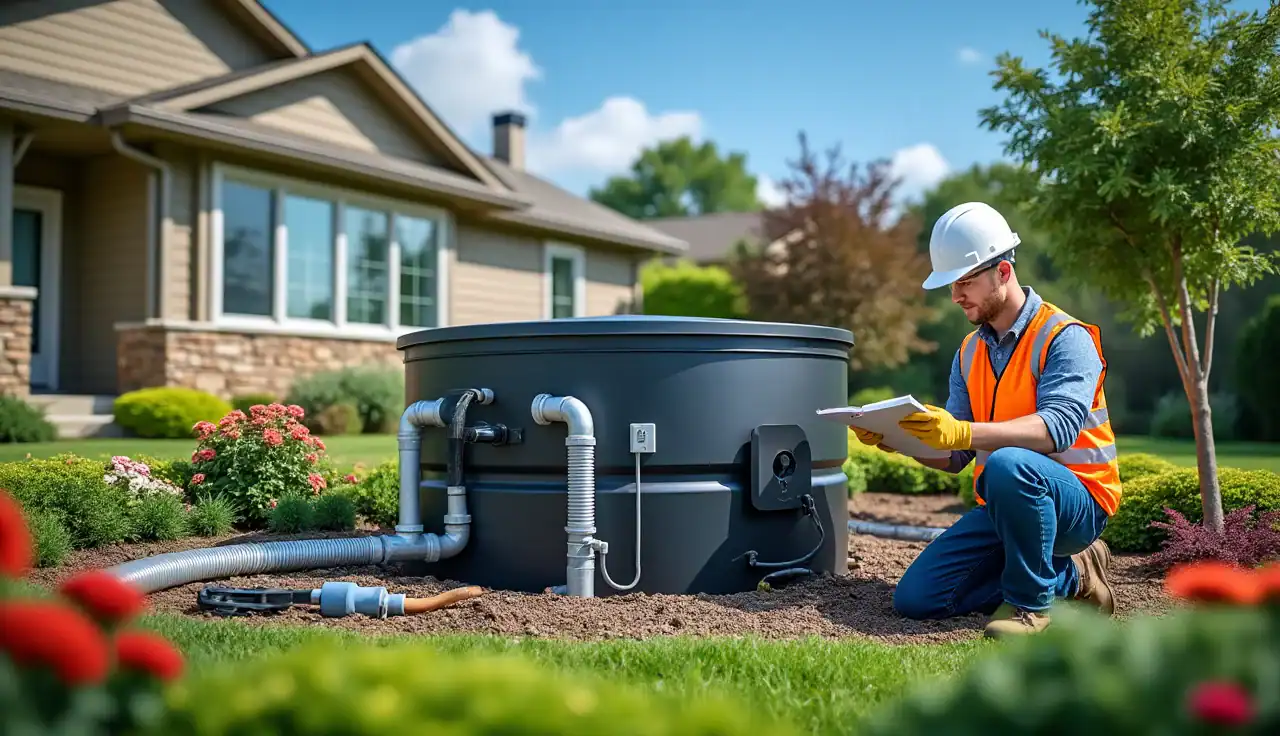
Access determines everything about your service experience. When we know exactly where to work, the job stays straightforward. When we have to search, the process becomes more labor-intensive.
Tank lids hide anywhere from four inches to four feet underground. Without clear markers, even experienced pros need time to locate them. Some homeowners have lived in their houses for decades without knowing the exact spot.
Check your property records first. As-built diagrams from your home purchase often show tank placement. No paperwork? Your county health department likely has it on file. Once you know the location, mark it clearly with something permanent—a decorative stone, birdbath, or lawn ornament that won’t accidentally get moved.

Let’s talk about what “hard to find” actually means for your maintenance schedule. When technicians can’t immediately locate your access point, they must spend valuable time using specialized equipment, probing your yard, and potentially excavating multiple spots.
That is extensive labor that doesn’t involve the actual pumping of your tank. A straightforward pumping job is much faster with clear access. Add a search process, and the visit becomes significantly longer.
Then there’s your property. Searching for buried lids means probing and digging in multiple locations. Each probe hole leaves marks on your lawn. Some of those marks are in the wrong spots where your tank isn’t even located.
Winter makes it worse. Frozen ground is harder to probe and dig. That’s why many Suffolk County homeowners who’ve dealt with winter septic emergencies make accessibility improvements immediately after. The fix is straightforward. If you know where your tank sits, mark it clearly and permanently. If you don’t know, find out now—not during an emergency.
Once you’ve found your tank lid, don’t let that information disappear. A permanent marker facilitates a smoother process every single time you need service.
The best markers survive weather and stay visible year-round. A birdbath, sundial, or specific landscaping stone placed directly over the access point works better than temporary flags that get removed during mowing. These look intentional, so they won’t be moved casually.
Some homeowners use multiple reference points to triangulate the exact location. If your lid sits between two trees near a property line, note those landmarks in your home maintenance records. Take a photo from a consistent angle—like from your back door—so you can show exactly where to look.
Keep this information accessible. Write it in your maintenance file. Mark it on a property map. Share it with family members who might schedule service.
Want live answers?
Connect with a AAA Dependable Cesspool expert for fast, friendly support.
Even when you know exactly where your lid sits, landscaping obstacles turn simple service calls into complicated projects. Overgrown plants, decorative features, or debris all add time.
Service trucks need reasonable access to your tank. Our trucks typically stay within 50 feet of the access point, with hoses running from truck to tank. If landscaping blocks the most direct path, we must work around it or move it.
Walk the path from your street to your tank location. Are there low-hanging branches blocking a truck? Dense shrubs to navigate around? Garden beds that might get damaged? Addressing these before service day keeps the process simple and protects your landscaping from accidental damage.
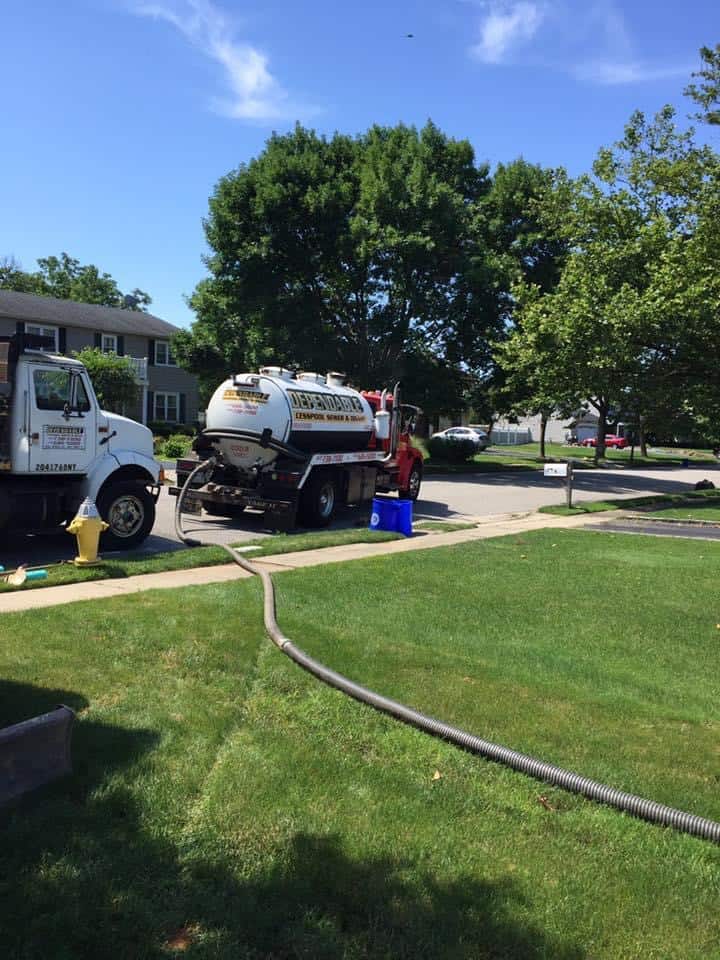
Walk from your street to your tank location like you’re pushing a wheelbarrow. Anything that makes that difficult makes service access difficult too. Clear it beforehand to streamline the technician’s work.
Start with the immediate area around your tank lid. Remove portable items—potted plants, lawn furniture, or decorative elements. If mulch or ground cover sits directly over the access point, clear it back. We need space to open the lid and position equipment.
Trim overgrown grass or weeds around the access point. This isn’t about looks—it’s about making the lid visible and accessible. If your lid has been buried under years of soil and grass growth, consider having it raised to ground level. This is especially relevant in Suffolk County, where older installations often have lids well below the current ground surface.
For winter service, clear snow and ice from the path and immediate tank area. Frozen ground is challenging enough without adding snow removal to the workload.
Want live answers? Connect with a AAA Dependable Cesspool expert for fast, friendly support. Get A Free Quote Call: 631-738-7100
Strategic landscaping around your septic system serves multiple purposes. It disguises access points while keeping them functional, prevents root damage, and makes future service calls simpler.
Consider installing a septic tank riser if your lid sits more than a few inches below ground. This brings the access point to surface level, eliminating digging during every service call. While there is an initial requirement for the installation, it simplifies the process significantly for the life of the system.
Preparing your yard for septic pumping isn’t a one-time task. It’s ongoing maintenance that prevents problems every time you need service. Homeowners who prioritize accessibility enjoy smoother maintenance over the years and face fewer emergencies.
The simplest preparation—knowing where your tank sits and keeping that area clear—streamlines every service call. Taking it further with permanent markers and smart landscaping compounds that efficiency over time.
For Suffolk County homeowners who want honest service without the runaround, we’ve been helping local families maintain their systems since 1998. When your yard is prepared and your tank is accessible, service calls go smoothly—exactly how they should be.
Summary:

Article details:
Share: