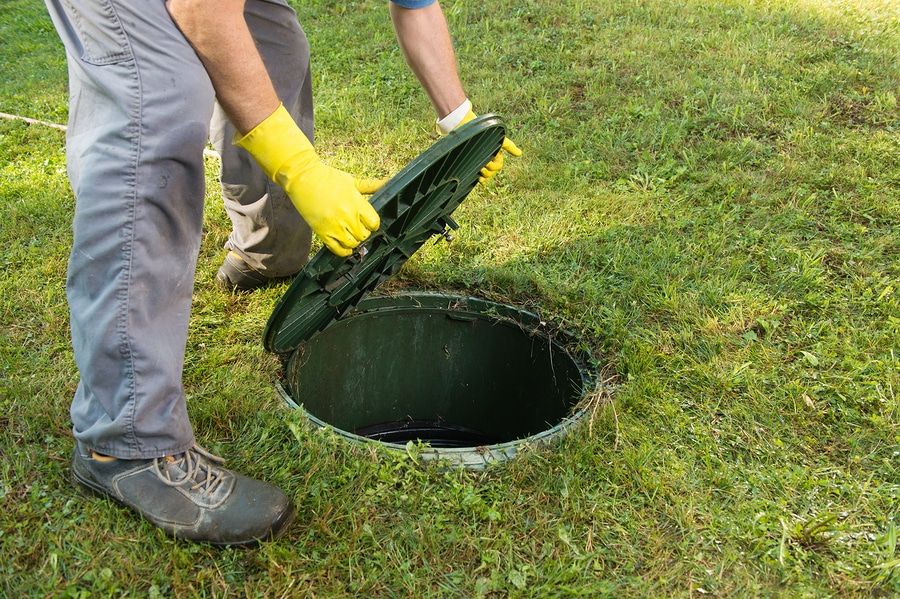
Suffolk County's cesspool regulations have changed significantly since 2019. Here's what homeowners actually need to know about installation requirements, replacement rules, and navigating SCDHS compliance in 2026.
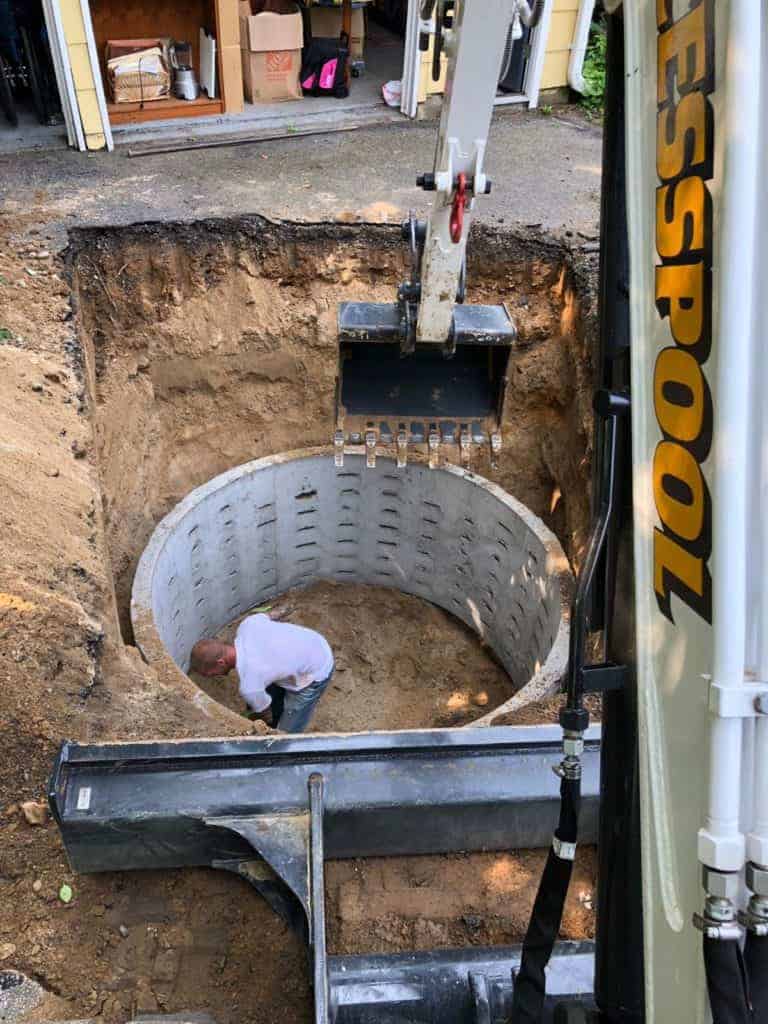
Let’s clear up the biggest misconception first. When people talk about the “cesspool ban,” they’re usually referring to legislation that took effect July 1, 2019. But here’s what that actually means for you.
The ban doesn’t require you to immediately replace your existing cesspool. If your system is working and you’re not making changes to your property, you can continue using it. What changed is this: you can no longer replace a failing cesspool with another cesspool.
Before 2019, if your cesspool failed, you could install a new cesspool in its place. That loophole closed. Now, when you choose to replace your system—whether it’s failing or you’re voluntarily upgrading—you must install at least a conventional septic system with a tank and leaching structure. For new construction and major renovations, the requirements go further, often requiring nitrogen-reducing systems.

Understanding when you’re legally required to upgrade versus when it’s optional makes all the difference in your planning and budget. The Suffolk County Department of Health Services has specific triggers that mandate cesspool installation or replacement.
Voluntary replacement is your choice. If your cesspool is functioning but you want to upgrade for environmental reasons or peace of mind, that’s entirely up to you. Many homeowners in Suffolk County continue operating their existing cesspools for years without issue. Regular pumping every 2-3 years and proper maintenance can extend system life significantly.
Mandatory replacement happens in specific situations. If your cesspool fails completely—sewage backing up into your home, waste surfacing in your yard, or structural collapse—you must replace it. You can’t repair a cesspool under current regulations. When that replacement happens, you’re required to install at minimum a conventional septic system, not another cesspool.
New construction projects require modern systems from the start. If you’re building a new home in Suffolk County, cesspool installation isn’t an option. Since July 1, 2021, new single-family homes must install Innovative and Alternative Onsite Wastewater Treatment Systems, commonly called I/A OWTS. These nitrogen-reducing systems treat wastewater more effectively than conventional septics.
Major reconstruction projects trigger the same I/A OWTS requirement. This is defined as any renovation where the cost exceeds 50% of your home’s market value. If you’re planning a substantial renovation, you’ll need documentation from a licensed appraiser and design professional to determine if your project meets this threshold. Adding bedrooms that bring your total above five also typically triggers advanced system requirements.
Home sales create the most confusion. Suffolk County doesn’t have a blanket requirement to replace cesspools when selling your property. However, certain areas designated as high-priority zones—particularly near shorelines and sensitive water bodies—may have additional local requirements. Article 6 of the Suffolk County Sanitary Code allows for mandatory upgrades during property transfers in specific environmentally sensitive areas. Your location determines whether this applies to you.
The key is knowing which category your situation falls into before you start making plans or commitments. If you’re unsure, getting a professional assessment of your current system and understanding your property’s specific requirements can save you from surprise costs or compliance issues down the road.
You’ll hear the term I/A OWTS repeatedly when researching Suffolk County cesspool regulations. These Innovative and Alternative Onsite Wastewater Treatment Systems represent the current standard for new cesspool installation projects and major renovations, but understanding what they are and why they’re required helps you make sense of the regulations.
Traditional cesspools and even conventional septic systems weren’t designed to remove nitrogen from wastewater. They separate solids and allow liquids to filter into the surrounding soil, but nitrogen passes through largely untreated. In Suffolk County, where approximately 360,000 homes rely on individual wastewater systems and the entire population depends on groundwater for drinking water, this creates serious problems.
Nitrogen pollution is the primary cause of harmful algal blooms in Long Island’s bays, beach closures after heavy rain, and the collapse of once-thriving shellfish industries. The average residential septic system discharges about 40 pounds of nitrogen per year. Multiply that by hundreds of thousands of systems, and you understand why Suffolk County’s water quality has declined significantly over the past decades.
I/A OWTS systems address this by actively treating wastewater to remove nitrogen before it enters the groundwater. These systems use biological processes—beneficial bacteria in oxygen-controlled environments—to convert nitrogen into harmless nitrogen gas that dissipates into the atmosphere. The result is a 70-90% reduction in nitrogen discharge compared to conventional systems.
Several approved technologies meet Suffolk County’s standards. Aerobic treatment units introduce oxygen to speed up bacterial breakdown of waste. Recirculating sand filters use layered media to treat effluent multiple times. Each system type has different maintenance requirements, costs, and suitability for various soil conditions and property constraints.
When I/A OWTS installation is required, you’re not just dealing with higher upfront costs—though these systems typically run $20,000-$40,000 compared to $10,000-$20,000 for conventional septics. You’re also committing to ongoing maintenance. These advanced systems require annual service contracts, usually costing $300-500 per year, to ensure they continue removing nitrogen as designed. The Suffolk County Department of Health Services tracks this through their Responsible Management Entity program.
The good news is that significant financial assistance exists specifically because these systems cost more. The Suffolk County Septic Improvement Program, combined with New York State funding, offers grants up to $30,000 for eligible homeowners. That can cover most or all of your cesspool installation costs for an I/A OWTS system. Low-interest loans at 3% fixed rates over 15 years help cover any remaining costs.
Not every property requires I/A OWTS. If you’re voluntarily replacing a failing cesspool and you’re not doing new construction or major reconstruction, a conventional septic system with a tank and leaching structure meets the minimum requirement. Understanding whether your project triggers the advanced system requirement is crucial for accurate budgeting and planning.
Want live answers?
Connect with a AAA Dependable Cesspool expert for fast, friendly support.
Suffolk County’s Department of Health Services oversees all cesspool installation and replacement projects, but the level of oversight depends on what you’re doing. Getting this right from the start prevents delays, failed inspections, and potential fines.
Registration requirements changed significantly in 2019. Any cesspool replacement or septic system installation now requires filing a registration with SCDHS. This isn’t the same as obtaining a construction permit, and for many projects, it’s a simpler process. Contractors performing the work must submit registration notices that document the system type, location, and compliance with current standards.
Formal permits become necessary for certain projects. New construction, major reconstruction, and any project where you want official SCDHS approval of bedroom counts or design specifications requires submitting a full application. These applications must include engineered plans, soil testing results, and documentation of setback distances from wells, property lines, and water bodies. The review process takes longer and costs more, but it provides formal approval that protects your investment.

The financial assistance available for cesspool installation in Suffolk County can dramatically reduce your out-of-pocket costs, but navigating the application process requires understanding eligibility requirements and what the programs actually cover.
The Suffolk County Septic Improvement Program provides the foundation. This program offers a base grant of $10,000 for eligible homeowners who install an approved I/A OWTS system. If you qualify as low-to-moderate income (federal adjusted gross income under certain thresholds), you can receive an additional $5,000. Installing a pressurized shallow drainfield system adds another $5,000 to your grant. That brings the Suffolk County maximum to $20,000.
New York State’s Septic System Replacement Fund adds up to $10,000 more. This program targets properties in priority areas near sensitive water bodies, which includes much of Suffolk County given its coastal location and sole-source aquifer designation. Combined, you could receive up to $30,000 in grant funding that you never have to repay.
Eligibility requirements are specific. Your property must be a single-family, owner-occupied primary residence. You can’t be connected to a sewer system or located in a proposed sewer district. Rental properties don’t qualify. You can’t have outstanding property tax liens. County employees and state elected officials are excluded. These restrictions ensure funding goes to homeowners who genuinely need assistance.
The application process requires documentation. You’ll need your property deed, recent homeowner’s insurance statement, proof of income, and a survey showing your property boundaries and existing system location. If your system has failed or you’re experiencing frequent backups requiring pumping more than twice per year, you’ll receive priority processing. Properties in designated priority areas near water bodies also get preferential consideration.
Applications are scored and ranked. The Suffolk County Department of Health Services reviews submissions based on factors like system failure status, location in environmentally sensitive areas, and proximity to surface waters. Catastrophic failures—where your system has collapsed or is creating immediate health hazards—receive the highest priority and fastest processing.
One critical detail: the grant pays your contractor directly. You don’t receive a check to spend as you choose. Suffolk County maintains an approved installer list, and you must use a contractor from that list to qualify for grant funding. This ensures quality work and proper compliance with regulations, but it limits your contractor options.
What the grants don’t cover matters as much as what they do. Engineering and design fees, landscaping restoration, irrigation system repairs, and any internal plumbing modifications are your responsibility. Sales tax, system pumping, and decommissioning of your old cesspool aren’t covered either. Budget for these additional costs when planning your project.
Processing times vary significantly. Non-emergency applications can take several months from submission to approval. If you’re planning a voluntary upgrade, start the process well in advance. If you’re facing a system failure, document everything—pumping receipts, photos of problems, and any emergency service calls—to support a priority application.
Some Suffolk County towns offer additional funding. Southampton, East Hampton, Shelter Island, and other East End communities provide Community Preservation Fund rebates that can cover engineering, landscaping, and other expenses not included in the County and State grants. Check with your town’s environmental department to see what’s available in your area.
If you’re buying or selling a home in Suffolk County, the cesspool situation can complicate your transaction. Understanding what’s actually required versus what’s negotiable helps both parties avoid surprises and unnecessary delays.
Suffolk County doesn’t mandate cesspool replacement on all home sales. This is one of the most common misconceptions. Many homes with functioning cesspools change hands every year without requiring system upgrades. The key factors are your property’s location, the system’s condition, and what your purchase contract specifies.
Location determines mandatory requirements. Properties in designated high-priority areas—particularly those near shorelines, wetlands, and sensitive water bodies—may fall under local regulations requiring upgrades during property transfers. Article 6 of the Suffolk County Sanitary Code gives the Department of Health Services authority to require system improvements in these zones. Your real estate attorney should verify whether your property falls into one of these areas.
System condition affects negotiations more than regulations. Even if replacement isn’t legally required, a cesspool inspection during the home buying process might reveal problems. Older cesspools built with concrete blocks or brick, systems showing signs of failure, or those requiring frequent pumping become negotiating points. Buyers often request credits or require sellers to upgrade before closing.
Smart buyers get specialized inspections beyond the standard home inspection. A general home inspector might note that a cesspool exists but won’t evaluate its condition thoroughly. Hiring a cesspool service to inspect the system, check for structural issues, and assess remaining useful life gives you real information to base decisions on. This typically costs a few hundred dollars but can save you from inheriting a $20,000 problem.
Sellers benefit from knowing their system’s status before listing. Getting your cesspool inspected and pumped before putting your home on the market shows good faith and prevents surprises during the buyer’s inspection period. If issues exist, you can address them proactively or price accordingly. Some sellers in high-priority areas even apply for grant funding and upgrade to I/A OWTS before selling, using the improved system as a selling point.
Timing matters for both parties. If replacement is required or agreed upon, understand that the grant application and installation process takes time. You can’t close on a Friday and have a new system installed by Monday. Build realistic timelines into your purchase contract if cesspool work is involved. Some transactions use escrow arrangements where closing proceeds but funds are held to ensure completion of required work.
The mortgage lender’s requirements sometimes exceed local regulations. Some lenders won’t finance properties with cesspools in certain conditions, even if Suffolk County doesn’t require replacement. FHA and VA loans have specific septic system requirements. If your buyer is using certain loan products, that might drive the cesspool conversation more than local regulations.
Documentation protects everyone. If you’re selling with an existing cesspool, provide records of pumping, maintenance, and any repairs. If you’re buying, get written confirmation of the system type, age, and condition. If replacement is happening as part of the transaction, ensure the contract specifies who pays, what system type will be installed, and what happens if there are delays or complications.
Suffolk County’s cesspool regulations in 2026 aren’t as straightforward as a simple ban, but they’re not as complicated as they might seem once you understand what actually applies to your situation. Whether you’re maintaining an existing system, facing a required replacement, or planning a major renovation, knowing the real requirements helps you make decisions based on facts rather than fear or confusion.
The bottom line is this: existing cesspools can stay if they’re functioning properly. Replacements must meet current standards, which means at minimum a conventional septic system. New construction and major renovations require nitrogen-reducing I/A OWTS systems. Significant grant funding exists to help with costs. And your specific property location and project details determine exactly what’s required.
If you’re dealing with cesspool questions in Suffolk County, working with a local company that understands SCDHS requirements and can give you straight answers makes the process manageable. We’ve been helping Suffolk County homeowners navigate these regulations since 1998, providing honest guidance on what you actually need and helping you stay compliant without unnecessary expense.
Summary:

Article details:
Share: