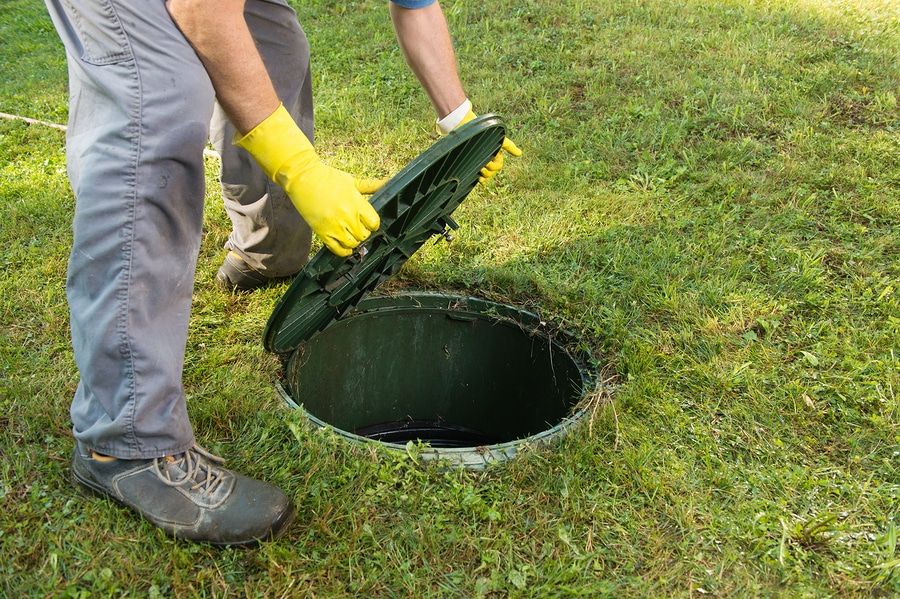
Your cesspool doesn't give much warning before it fails. It’s the "silent but deadly" type. Learn five proactive maintenance strategies that prevent backups, protect your property, and save thousands in emergency repairs.
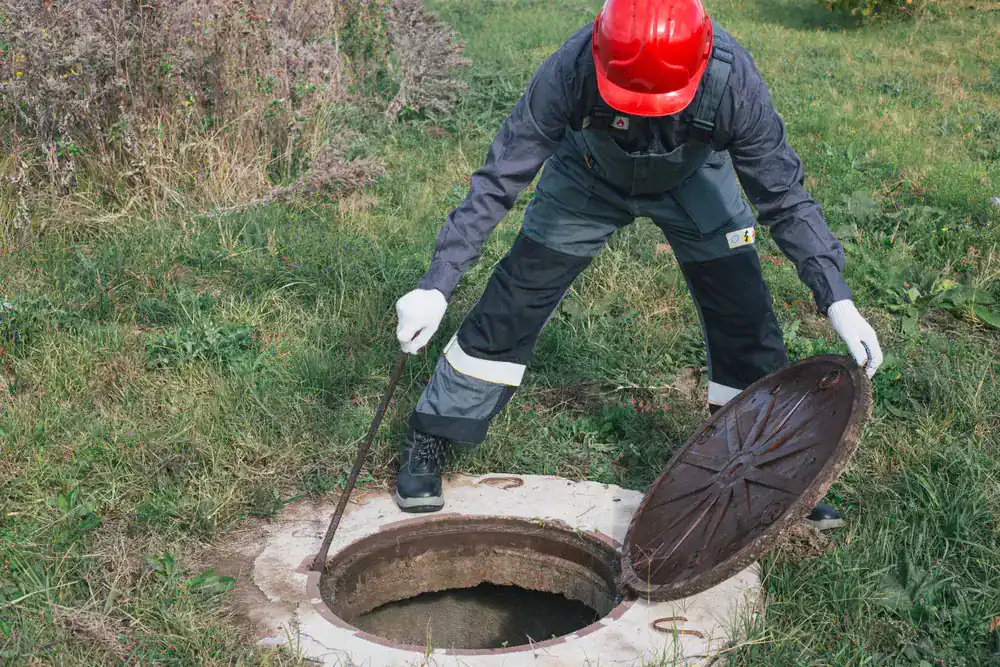
Your cesspool is basically an underground holding tank that collects all the wastewater from your home. It’s like a VIP lounge for everything you flush, except nobody really wants to get in. In Suffolk County, about 75% of homes still rely on these systems. Unlike modern septic tanks that treat and filter waste, cesspools are simpler—and that means they need more attention from you.
Here’s how it works. Water and waste flow into the cesspool, solids settle to the bottom (the “party guests” who won’t leave), and liquids slowly seep out through porous walls into the surrounding soil. Over time, those solids build up. When they accumulate too much, the system can’t drain properly anymore. That’s when you get slow drains, backups, and all the problems nobody wants to deal with during a dinner party.
The real issue? Most people wait until they see warning signs. By that point, you’re already behind the 8-ball. Proactive maintenance means staying ahead of those problems, catching issues when they’re still small, and keeping your system working—so you don’t have to explain to your neighbors why your lawn is “extra moist.”

This is the question every homeowner asks, and the answer isn’t one-size-fits-all. But here’s the baseline: the Suffolk County Department of Health recommends pumping every three years for most residential systems. That’s not a suggestion you should ignore, like your dentist’s advice to floss.
Now, your actual schedule might be different. If you have a larger household—say, five or more people—you’re putting more waste into that system every day. More showers, more laundry, more everything. That means you might need to pump every two years instead of three. It’s basic math: more people equals more “contributions” to the tank.
On the flip side, if it’s just you and one other person in the house, and you’re mindful about water usage, you might stretch it to four or five years. But don’t push it too far. The cost of pumping every few years is nothing compared to what you’ll pay if your system fails completely. You wouldn’t wait for your car engine to explode before changing the oil, right? (If you answered yes, please stop reading and go call a mechanic).
Here’s what a lot of people miss: regular pumping isn’t just about removing waste. It’s also your chance to have a professional inspect the system. We can spot cracks, check for leaks, and catch problems while they’re still manageable. Think of it like a wellness checkup for your yard’s digestive system.
Your cesspool will tell you when something’s wrong. The trick is knowing what to listen for—and acting fast. Ignoring these warnings doesn’t make them go away; it just makes the final bill look more like a phone number.
Slow drains are usually the first clue. If your sinks, showers, or toilets are draining slower than normal, that’s your system struggling to handle the load. A lot of homeowners assume it’s just a clog in the pipes and try to fix it themselves with a plunger and a prayer. Sometimes it is. But if multiple drains are slow at the same time, that’s a cesspool issue, not a “too much hair in the drain” issue.
Foul odors are another red flag you can’t ignore. If you smell sewage inside your home or around your yard, that means waste isn’t staying where it should. It could be seeping out through cracks, or your system might be so full that gases are backing up through your drains. Either way, that smell isn’t going to fix itself with a scented candle.
Pooling water in your yard—especially near where your cesspool is buried—is a major warning sign. If the grass is unusually green or soggy in one area, that’s wastewater coming to the surface. It might look like a lush oasis, but don’t be fooled—it’s not a natural spring. Suffolk County’s soil composition and proximity to water bodies make this particularly concerning for local groundwater. If you see standing water or notice that one patch of your lawn looks like it’s auditioning for a golf course while the rest is brown, call us immediately.
Gurgling sounds from your drains are easy to overlook, but they shouldn’t be. That gurgling happens when air is trapped in your plumbing because wastewater isn’t flowing out the way it should. It’s your pipes trying to tell you they’re overwhelmed.
And then there’s the worst-case scenario: sewage backing up into your home. If waste is coming up through your drains or toilets, you’re past the point of prevention. You’re in “full-blown crisis” mode. This usually means your cesspool is completely full, blocked, or has failed structurally. At this stage, you’re looking at significant repair costs and a very long conversation with your insurance agent.
Want live answers?
Connect with a AAA Dependable Cesspool expert for fast, friendly support.
Preventing cesspool problems isn’t about doing one big thing. It’s about building a few simple habits that protect your system over time. These five strategies are what separate homeowners who deal with constant issues from those who go years without ever having to think about what’s under their lawn.
You don’t need special tools or technical knowledge. You just need to be consistent and pay attention. Let’s break down exactly what works and why it matters for your Suffolk County home. (Spoiler: it involves less flushing of weird things).

This is the simplest maintenance tip, and it’s also the one most people ignore. Your cesspool isn’t a trash can with a direct line to the center of the earth. It’s designed to handle human waste and toilet paper—that’s it. Everything else you flush or wash down the drain is basically an act of war against your system.
Start with the obvious stuff. Don’t flush things like wet wipes, paper towels, feminine hygiene products, or diapers. Even if the package says “flushable,” it’s lying to you. In the world of cesspools, “flushable” is a marketing term, not a scientific fact. Those products don’t break down; they just hang out in your tank like unwanted houseguests.
Grease and cooking oil are just as bad. When you pour grease down your kitchen sink, it doesn’t stay liquid. It cools, solidifies, and creates what we in the industry call “fatbergs.” They stick to the inside of your pipes and your cesspool, restricting flow and creating blockages. Wipe greasy pans with a paper towel and throw it in the trash instead. Your pipes will thank you.
Household chemicals are another problem. Harsh cleaners, bleach, paint thinners—all of that stuff kills the “good” bacteria your system needs to break down waste. Without that bacteria, solid waste accumulates faster, and you’ll be calling us much sooner than you’d like.
This isn’t about being paranoid. It’s about being smart. Make it a household rule: if it’s not human waste or toilet paper, it doesn’t go down the “porcelain express.”
Your cesspool can only handle so much water at once. When you overload it—no matter if it’s from 45-minute showers or running the dishwasher and the laundry at the same time—you’re basically trying to shove a gallon of water into a pint glass. That leads to backups and premature failure.
Start by fixing leaks. A dripping faucet or a running toilet might not seem like a big deal, but it adds up fast. A toilet that runs constantly can waste hundreds of gallons of water a day. That’s hundreds of gallons your cesspool has to process for no reason. Walk through your house and check every fixture. If something’s leaking, fix it now before it fixes your bank account balance to zero.
Spread out your water usage throughout the day. Don’t do a “marathon laundry day” where you run ten loads in a row. That sudden surge of water overwhelms your system. Do a load or two a day instead.
Consider upgrading to low-flow fixtures. They use significantly less water without sacrificing performance. It’s an easy way to reduce the strain on your cesspool every single day. Also, make sure your gutters and sump pumps aren’t draining into your cesspool area. Your cesspool has enough to deal with without trying to process every rainstorm in Suffolk County.
You don’t need to be an expert to keep your cesspool running smoothly. You just need to be proactive. Schedule regular pumping every three years, watch for warning signs, and stop treating your toilet like a garbage disposal. Those five habits will prevent most of the problems that lead to expensive emergencies.
Your cesspool is one of those systems you don’t think about until it stops working. But by then, the “fun” has already started. The homeowners who never have cesspool problems aren’t lucky—they’re just the ones who don’t ignore the gurgling.
If it’s been more than three years since your last pumping, or if you’re noticing any of the warning signs we talked about, don’t wait. Reach out to us at AAA Dependable Cesspool Sewer & Drain and get your system checked. A little maintenance now saves you thousands later. Your wallet (and your nose) will thank you.
Summary:

Article details:
Share: