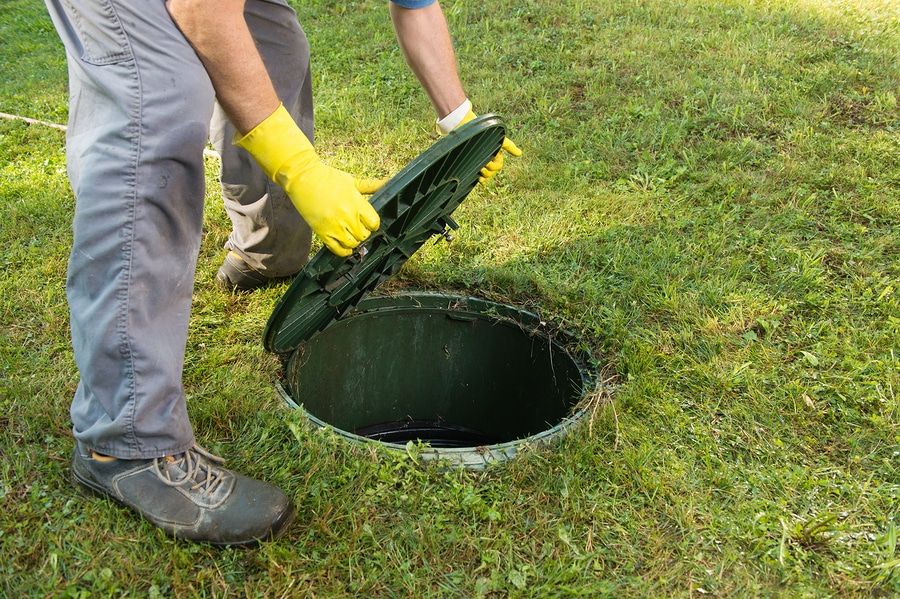
Complete 2025 pricing guide for septic pumping in Suffolk County, including cost factors, timing recommendations, and local service insights.
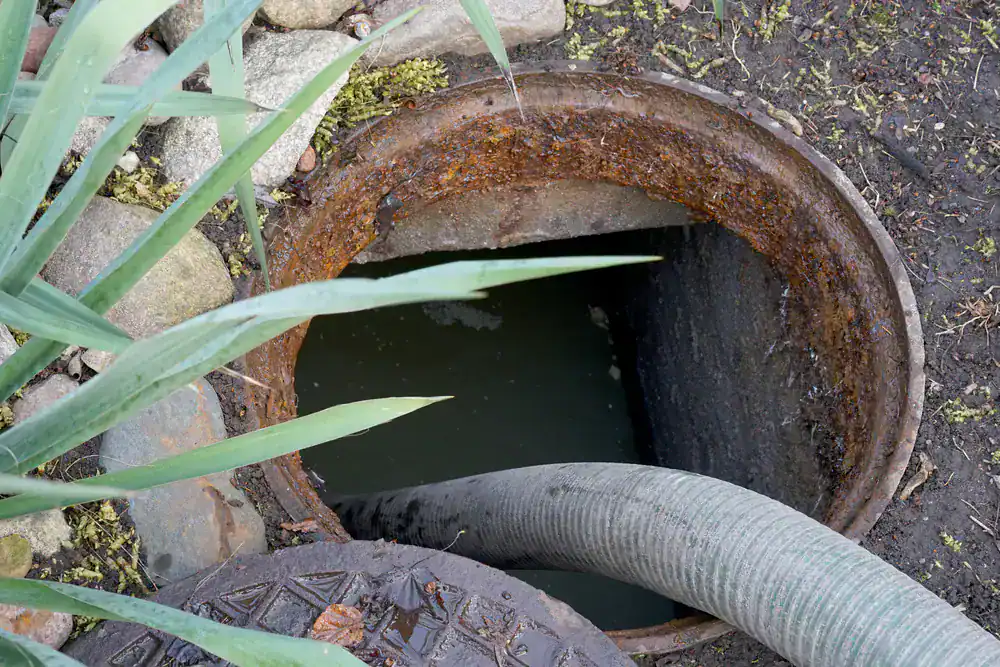
The scope of a standard septic tank pumping in 2025 depends heavily on your tank size and condition. A typical 1,000-gallon tank is the most common size for Long Island homes, though 1,500-gallon systems and smaller 750-gallon tanks are also prevalent throughout the county.
The key focus is “standard” pumping. If your system hasn’t been maintained regularly, you may require additional cleaning, inspection, or repairs that weren’t part of the initial assessment.
Tank size is the biggest factor in the duration of your service, but it’s not the only one that matters. A 1,000-gallon tank takes more time and effort to pump than a 750-gallon system. However, the condition of your tank affects the complexity of the job just as much as its size.
If you’ve kept up with regular 3-5 year pumping schedules, your service will be straightforward. The truck arrives, pumps out the tank, and you’re done. But if it’s been 7+ years since your last pumping, you’re dealing with compacted sludge that requires additional work to break up and remove.
Long Island’s sandy soil and high water table also create unique challenges. During heavy rain seasons, tanks can be more difficult to access, and the pumping process takes longer. As a local company familiar with these conditions, we factor these environmental variables into our scheduling, whereas out-of-area services might struggle with the local terrain.
Your tank’s location on your property directly impacts the logistics of the job. Easy access allows for a faster turnaround, while complicated access increases the labor required.
If your septic tank is close to your driveway with a clearly marked access point, the service is routine. But if the pump truck needs to run 100+ feet of hose, navigate around landscaping, or work in tight spaces, the labor intensity increases.
Tank depth also matters. Older Suffolk County systems sometimes have deeper tanks that require more time and specialized equipment to pump effectively. If your tank is more than 4-5 feet deep, mention this when scheduling—it helps ensure the right equipment is sent out from the start.
Don’t forget about finding your tank location. If you’re not sure where your septic tank is located, professional technicians can use electronic detection equipment to pinpoint your system. Once your tank is located and marked, future services become much more straightforward.
Want live answers? Connect with a AAA Dependable Cesspool expert for fast, friendly support.Contact Us for Details Call: 631-738-7100
Want live answers?
Connect with a AAA Dependable Cesspool expert for fast, friendly support.
The standard answer is every 3-5 years, but that’s not the whole story for Suffolk County homeowners. Your actual pumping frequency depends on household size, water usage, and your specific system type.
A family of four with a 1,000-gallon tank typically needs pumping every 3-4 years. Smaller households might stretch this to 4-5 years, while larger families or homes with heavy water usage should pump every 2-3 years. The key is understanding your system’s capacity relative to your actual usage patterns.
Suffolk County’s unique environment also affects timing. The area’s high water table and frequent storm events can stress septic systems more than inland locations. We recommend slightly more frequent pumping—every 3 years instead of 4-5—to account for these conditions.
Don’t wait for obvious problems to schedule septic pumping. By the time you notice slow drains, odors, or backups, you’re already dealing with a critical situation.
Watch for subtle early warning signs instead. Toilets that take slightly longer to flush, minor gurgling sounds from drains, or grass that grows unusually green over your drain field all suggest your system is getting full. These signs appear weeks or months before serious problems develop.
The most reliable approach? Track your pumping schedule and stick to it. If your last pumping was in 2021, you’re due for service in 2024-2025, regardless of whether you notice problems. Preventive pumping is much more manageable than emergency repairs.
Consider your household changes too. If you’ve added family members, installed a new dishwasher, or made other changes that increase water usage, you might need more frequent pumping than your previous schedule suggested.
Delaying septic pumping risks the health of your system. When tanks become overfull, solids start flowing into your drain field, potentially causing permanent damage that requires extensive reconstruction.
Emergency pumping services often require immediate mobilization during evenings, weekends, or holidays when problems become urgent. A routine maintenance visit is much simpler to coordinate than an emergency call.
Worse, overfull tanks often require additional services beyond basic pumping. You might need drain field cleaning, pipe repairs, or system inspections to assess damage.
Suffolk County’s new regulations also create additional complications for neglected systems. If your system fails and needs replacement, you’ll face requirements for upgraded nitrogen-reducing technology. The replacement process is much more complex than regular maintenance. Consistent maintenance prevents these larger problems from developing.
Understanding septic pumping costs helps you budget effectively and avoid unnecessary expenses. Most Suffolk County homeowners pay $300-$600 for routine pumping, with costs varying based on tank size, accessibility, and system condition.
The key to managing your system is staying ahead of problems through regular maintenance. Pumping every 3-5 years is the best way to avoid emergency repairs or system failures. When you factor in Suffolk County’s unique environmental conditions and new regulatory requirements, consistent maintenance becomes even more important.
Ready to schedule your septic pumping or get an assessment for your specific situation? We’re AAA Dependable Cesspool Sewer & Drain, providing professional service from experienced local technicians who understand Suffolk County systems and regulations.
Summary:

Article details:
Share: