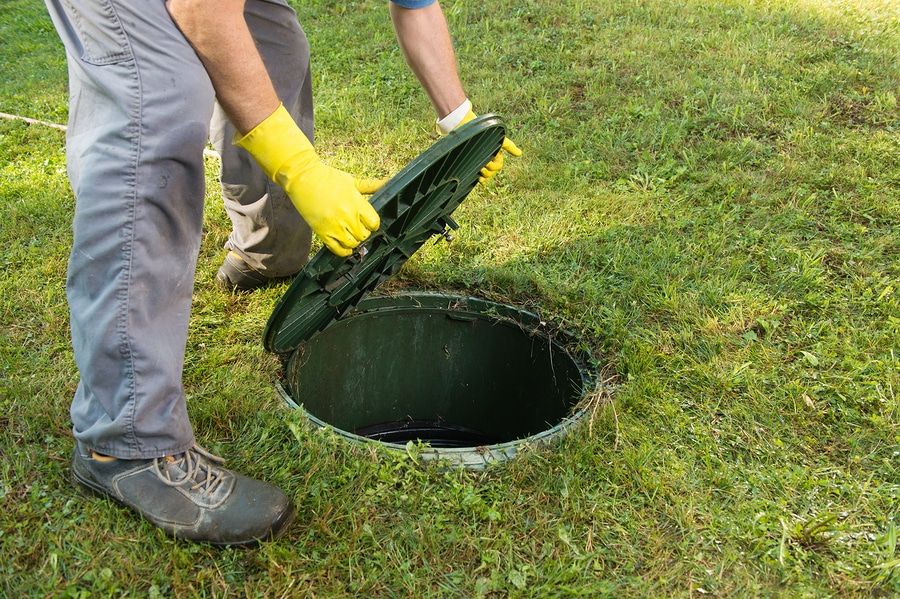
If you have 5 or more people in your Suffolk County home, the standard 3-5 year septic pumping schedule doesn't apply to you—and following it could cost you thousands.

The standard septic pumping schedule you see everywhere—every three to five years—is based on assumptions that don’t match reality for larger households. It assumes moderate water use, a typical family size, and average waste generation. None of that applies when you’ve got five, six, or more people under one roof.
Your septic tank has a fixed capacity. A typical 1,000-gallon tank can only hold so much solid waste before it starts causing problems. More people means more waste entering the system every single day, and that adds up faster than you might think. The math is simple, but the consequences of ignoring it aren’t.

Before you can adjust your septic pumping schedule, you need an honest count of who’s using your system. Don’t just think about permanent residents. Count everyone who regularly uses your bathrooms and generates wastewater in your home.
That includes kids who’ve moved back home, elderly parents who’ve joined your household, and even frequent long-term guests. Each person adds roughly 60 gallons of solid waste to your septic tank every year after bacterial breakdown. With a family of five, you’re adding about 300 gallons annually. A family of six? That’s 360 gallons.
Your 1,000-gallon tank isn’t actually holding 1,000 gallons of usable space—industry standards recommend pumping when solids fill about 30% of the tank’s volume, which is around 300 gallons. Do the math on that. A family of four fills that 300-gallon threshold in roughly 18 months. A family of five? You’re looking at closer to 14-15 months.
By the time you hit year three on a standard schedule, your tank has been operating beyond capacity for over a year. That’s when solids start escaping into your drain field, clogging the soil, and setting you up for a system failure that costs thousands to fix. Here’s the thing most people miss: it’s not just about the number of people. It’s about usage patterns.
Teenagers take longer showers. Younger kids might need more frequent baths. If you’re running multiple loads of laundry every day just to keep up, that’s additional water pushing through your system. Every flush, every shower, every load of dishes adds to the volume your cesspool or septic system has to process. High usage doesn’t just fill your tank faster—it also reduces the time solids have to properly separate and settle, which means your system works harder to do its job.
Suffolk County soil conditions add another layer to this. The sandy soil common throughout Long Island allows for good drainage under normal conditions, but it also means your system doesn’t have much buffer when things go wrong. When your tank starts overflowing solids into the drain field, that sand clogs quickly. Unlike clay-heavy soils that might give you a bit more time before total failure, Suffolk County systems can go from “seems fine” to “completely failed” in a matter of weeks once problems start.
Let’s cut through the generic advice and talk about what large families in Suffolk County actually need. If you’ve got five people in your household with a 1,000-gallon tank, you should be pumping every 1.5 to 2 years maximum. Six people? You’re looking at annual pumping. Seven or more? You might need cesspool pumping even more frequently, especially if your household includes teenagers or you have high water usage habits.
These aren’t arbitrary numbers. They’re based on how quickly solid waste accumulates in a tank of that size with that level of usage. The standard three-to-five-year schedule assumes two to three people in the household. Add two or three more people, and you’ve essentially doubled or tripled the waste load your system has to handle.
Your pumping frequency needs to reflect that reality. Some families push back on this schedule because it feels frequent. They remember their parents only pumping every few years, or they’ve gone longer in the past without obvious problems. But “without obvious problems” is the key phrase there.
By the time you notice slow drains, sewage odors, or backups, the damage is often already done. Solids have been escaping into your drain field, creating a biomat—a layer of sludge that clogs the soil and prevents proper drainage. Once that happens, pumping the tank doesn’t fix the problem. You’re looking at drain field restoration or replacement, which can run anywhere from $5,000 to $15,000 or more.
The cost difference between proactive pumping and reactive repairs is staggering. A routine pump-out in Suffolk County typically runs $400 to $600. If you’re pumping every two years for a family of five, that’s $200 to $300 annually. Compare that to an emergency call when your system backs up—those often cost three to four times the price of scheduled service, and that’s before you factor in any actual repairs.
If your drain field has failed because you waited too long between pump-outs, you’re looking at a bill that could exceed $10,000. Suddenly, that “frequent” pumping schedule doesn’t seem so expensive. Think about it this way: you wouldn’t drive your car 10,000 miles past the recommended oil change and expect it to run perfectly.
Your septic system is the same. It’s designed to handle a certain load under specific conditions. When you exceed those conditions—which large families inevitably do—you need to adjust your maintenance accordingly. Ignoring that reality doesn’t save you money. It just delays the inevitable and makes the eventual bill much, much larger.
There’s also the issue of what you’re flushing and how you’re using water. If your family uses a garbage disposal, that adds 50% more solids to your tank. If you’re doing six or seven loads of laundry a week, that’s a massive influx of water that can stir up solids and push them toward the outlet. These factors compound the impact of household size. A family of five with a garbage disposal and heavy laundry use might need pumping every 12 to 18 months, not the two years you’d expect for a family of that size under more moderate conditions.
Want live answers?
Connect with a AAA Dependable Cesspool expert for fast, friendly support.
Your septic system will tell you when it’s struggling—you just need to know what to listen for. By the time you’re seeing obvious signs like sewage backups, you’re usually past the point of simple prevention. But there are earlier warning signs that large families should watch for, especially if you’re not sure whether your current septic pumping schedule is frequent enough.
Slow drains are often the first indicator. If multiple fixtures in your home are draining slower than usual—your kitchen sink, bathroom sinks, showers, tubs—that’s a red flag. One slow drain might be a localized clog, but when everything is sluggish, your tank is likely too full. The system can’t accept new wastewater efficiently because there’s no room for it.
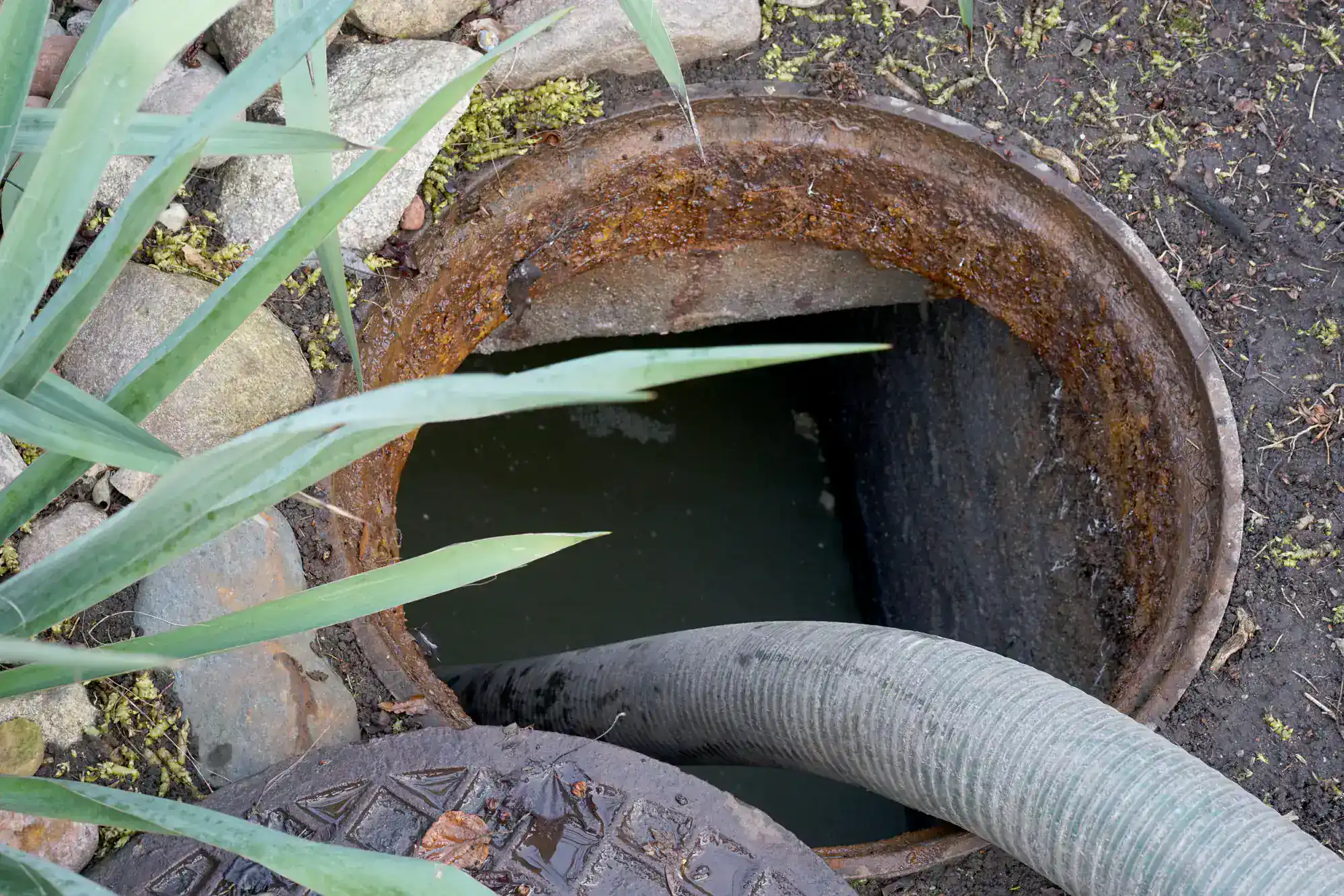
Sewage odors inside your home or in your yard aren’t normal, and they’re not something you should ignore or try to mask with air fresheners. If you’re smelling that distinctive sewer smell near your drains, around your septic tank area, or anywhere in your yard, your tank is full and gases have nowhere to go. In a properly functioning system, those gases vent through your plumbing stack. When the tank is overloaded, they start finding other ways out.
Gurgling sounds from your drains, especially when you flush a toilet or run water elsewhere in the house, indicate air displacement in your plumbing. That happens when your septic tank is too full to accept wastewater smoothly. The incoming water pushes air back through the system, creating those gurgling noises. It’s your system’s way of saying it’s struggling to keep up with the volume you’re sending its way.
Unusually lush or green grass over your drain field or cesspool area might seem like a good thing, but it’s actually a warning sign. It means your system is leaking nutrients—and likely effluent—into the surrounding soil. That’s fertilizing your grass, sure, but it also means your tank is full enough that liquid is escaping where it shouldn’t. In Suffolk County’s sandy soil, this can progress quickly from “greener grass” to “standing water and system failure.”
Standing water or soggy spots near your tank or drain field are even more serious. This isn’t about a rainy week or poor yard drainage. If you’re seeing persistent wet areas specifically around your septic system, especially during dry weather, your tank is overflowing. The soil can’t absorb the volume of wastewater your system is trying to process. This is an emergency situation that requires immediate attention.
The worst-case scenario is sewage actually backing up into your home—coming up through drains, toilets, or the lowest fixtures in your house. If you’re seeing raw sewage, you’re well past the point of routine maintenance. This is a health hazard and a sign of complete system overload or failure. It requires immediate professional service, and depending on what’s caused it, you might be looking at significant repairs beyond just pumping the tank.
For large families, these warning signs can appear suddenly. Because you’re generating so much more waste than the average household, the gap between “tank is getting full” and “tank is completely overloaded” is much shorter. A family of three might have months of warning signs before a real problem develops. A family of six might have weeks. That’s why sticking to an adjusted pumping schedule is so critical—you don’t have the buffer that smaller households have.
The financial impact of following a standard pumping schedule when you need a high-usage schedule goes way beyond the cost of an extra pump-out or two. When solids escape your tank and enter your drain field, they create a biological mat that clogs the soil. This biomat prevents water from properly infiltrating the ground, which means your drain field stops functioning. Pumping your tank at that point doesn’t remove the biomat—it’s already in the soil, doing damage.
Repairing or replacing a failed drain field in Suffolk County can easily cost $8,000 to $15,000 or more, depending on the size of your property and the extent of the damage. Compare that to the cost of pumping your tank every 18 months instead of every three years. Over a six-year period, you’d spend maybe $1,800 to $2,400 on pumping with the more frequent schedule. That’s a fraction of what you’d pay for a single drain field replacement. The math isn’t even close.
There’s also the issue of property value and real estate transactions. Suffolk County requires documentation of septic system maintenance for property transfers. If your system has been neglected and fails inspection, you’re looking at delays in closing, mandatory repairs before you can sell, and potentially losing buyers who don’t want to deal with septic issues. A well-maintained system with regular pumping records is an asset. A neglected system is a liability that can cost you tens of thousands in lost value or required repairs.
Emergency service calls add another layer of cost. When your system backs up on a Saturday night or during a holiday, you’re paying premium rates for emergency pumping. Those calls can run three to four times the cost of a scheduled service appointment. And if the backup has caused damage to your home—ruined flooring, contaminated belongings, necessary cleanup and sanitization—those costs pile up quickly.
Insurance might cover some of it, but many homeowners are shocked to learn that their policies have limited coverage for septic-related damage, especially if it’s due to lack of maintenance. Then there’s the health aspect. Sewage contains bacteria, viruses, and parasites that can make your family seriously ill. When your system fails and sewage backs up into your home or pools in your yard, you’re exposing everyone to those pathogens. Children, elderly family members, and anyone with a compromised immune system are especially vulnerable.
The cost of medical treatment, time off work, and the stress of dealing with a health crisis on top of a septic emergency—that’s not something you can easily put a price tag on, but it’s very real. Suffolk County has also been cracking down on septic system maintenance and water quality issues. Failing systems contribute to nitrogen pollution in local groundwater and bays, which has led to new regulations and requirements.
If your system is found to be failing or improperly maintained, you could face fines, mandatory upgrades to more expensive nitrogen-reducing systems, or other enforcement actions. The county’s Septic Improvement Program offers grants and assistance for upgrades, but those are typically for voluntary improvements or required upgrades—not for emergency situations caused by neglect.
If you’re reading this and realizing your large family has been following a schedule that’s too infrequent, don’t panic—but do take action. The first step is getting your tank inspected and pumped if needed. A professional can assess the current condition of your system, let you know if there’s any existing damage, and help you establish a pumping schedule that actually matches your household’s needs.
Going forward, treat your septic system like the critical piece of infrastructure it is. Keep records of when you have it pumped, note any issues or repairs, and stick to the schedule that works for your family size. If your household size changes—kids move out, relatives move in—adjust your schedule accordingly. Your septic system doesn’t care about generic advice or what worked for someone else’s family. It responds to the actual load you’re putting on it.
For Suffolk County families dealing with high usage, working with a local company that understands the specific challenges of the area makes a difference. Soil conditions, local regulations, and the realities of Long Island living all factor into proper family septic care. We’ve been helping Suffolk County families maintain their systems since 1998, with the local knowledge and straightforward approach that keeps systems running and families protected from costly surprises.
Summary:
Article details:
Share: