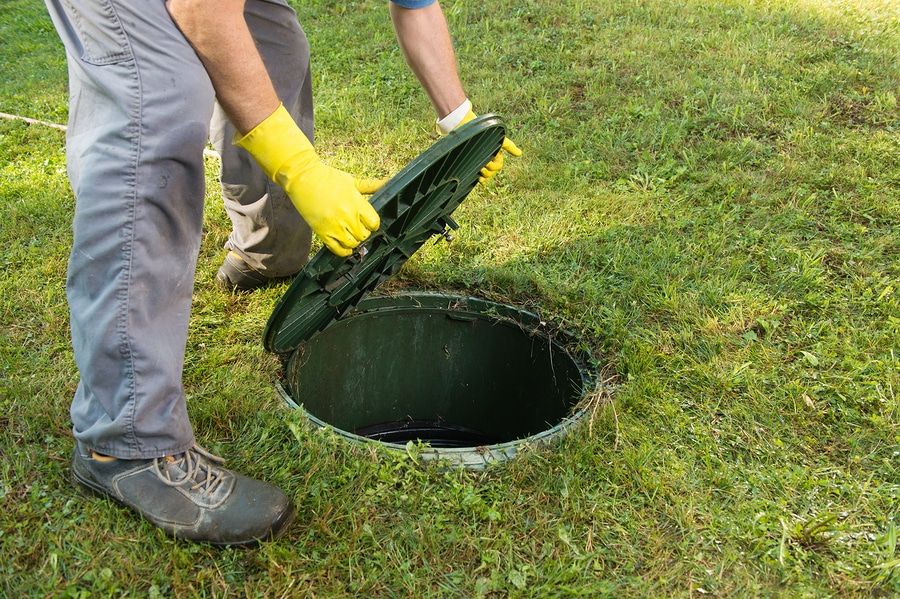
Your effluent filter protects your drain field from costly failure—but only if it's cleaned regularly during septic pumping. Here's what Suffolk County homeowners need to know.
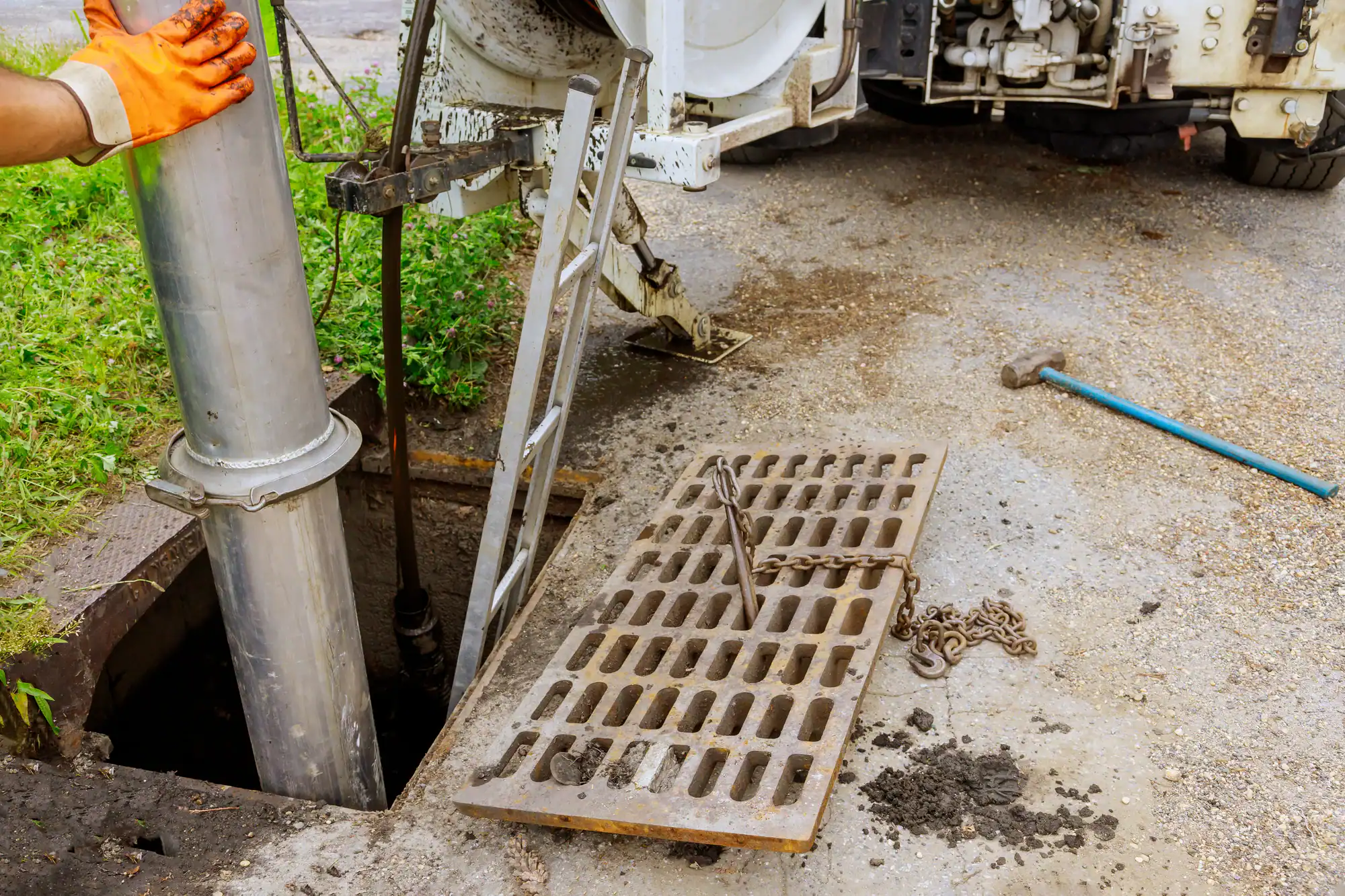
An effluent filter is a screening device installed at the outlet of your septic tank. It traps solid particles—toilet paper, grease, small debris—before they can exit the tank and flow into your drain field. Think of it as the last line of defense protecting the most expensive part of your septic system.
Not all tanks have them. Older systems installed before certain code updates might not include filters at all. Modern installations and many upgraded systems do have them, often required by local regulations. If you’re not sure whether your tank has one, check during your next pumping appointment or ask the technician to look.
The filter itself is typically made of slotted plastic, designed to let liquid pass through while catching anything larger than about 1/16 of an inch. It sits inside the outlet baffle or in a separate chamber near the outlet pipe. When it’s working properly, you never think about it. When it’s clogged, you’ll know fast.
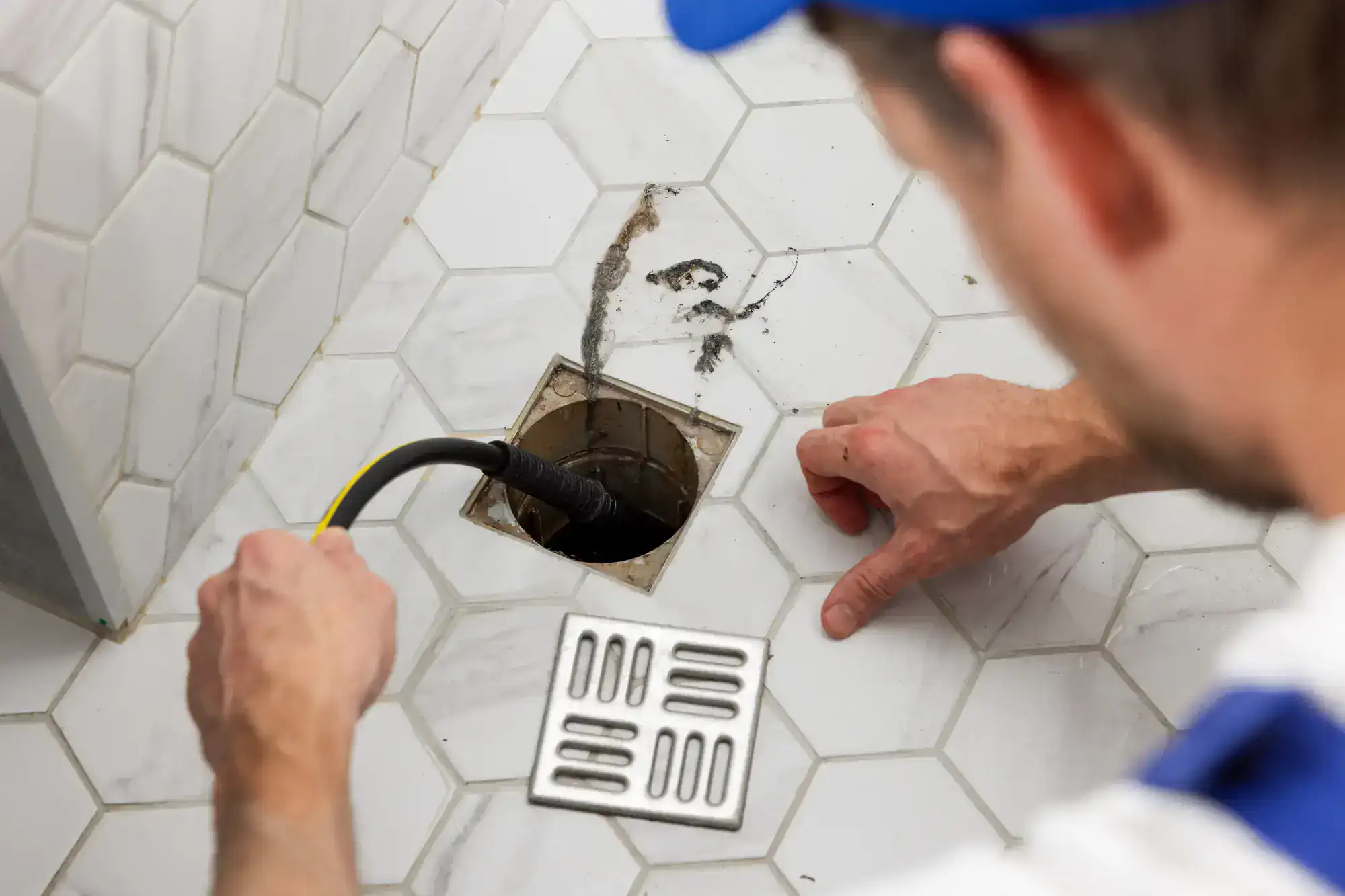
Your drain field is where the real treatment happens. Liquid effluent from your septic tank flows out through perforated pipes buried in gravel trenches, and the soil filters out remaining contaminants. This system only works if the liquid stays liquid—if solids get into those pipes, they clog the soil, and the drain field stops absorbing water.
Replacing a failed drain field costs anywhere from $5,000 to $20,000 or more, depending on your property and soil conditions. That’s not a repair—that’s excavation, new pipe installation, new gravel, new everything. An effluent filter prevents this by catching solids before they leave the tank.
Without a filter, or with a filter that’s too clogged to function, toilet paper, grease particles, and partially broken-down waste flow straight into your drain field. Over time, these solids build up around the pipes and in the soil, forming a thick biomat that blocks water absorption. The drain field becomes saturated, stops working, and you’re looking at a system failure.
The filter does one simple job—keep solids in the tank where they belong. When it’s clean, your drain field gets only clarified liquid, which extends its lifespan significantly. When it’s clogged, the whole system backs up, starting with slow drains and ending with sewage coming back into your home through the lowest fixtures, usually basement drains or first-floor toilets.
Cleaning the filter during routine septic pumping takes minutes and costs almost nothing compared to what you’d pay for emergency repairs or drain field replacement. It’s preventive maintenance that actually prevents something catastrophic.
Slow drains throughout your home are often the first warning. If multiple fixtures start draining sluggishly at the same time—not just one sink or toilet—your septic system is struggling to move water out of the tank. A clogged effluent filter restricts the flow of liquid leaving the tank, which causes the water level inside to rise above normal.
Gurgling sounds from toilets or drains are another red flag. When the filter is partially blocked, air gets trapped in the plumbing as water tries to push through the restricted outlet. You’ll hear it in the pipes, especially after flushing or running large amounts of water.
Sewage odors around your septic tank area or inside your home indicate the system isn’t processing waste properly. If the filter is clogged and the tank level is rising, gases have nowhere to go but back through your plumbing vents or out around the tank access points.
Basement backups are the most serious symptom. When the effluent filter becomes completely clogged, the tank fills to capacity and wastewater has nowhere to go except back up through your plumbing. Lower-level fixtures back up first because they’re closest to the main sewer line. If you see sewage coming up through basement floor drains, laundry tubs, or toilets, the filter is likely the culprit—and you need service immediately.
High water level in the tank itself is something you’d notice during an inspection or if you check the tank between pumpings. If the water level is rising above the outlet pipe or above the filter housing, the filter needs cleaning right away. Once the level gets too high, the risk of backup into your home increases dramatically.
The good news is that most of these problems are completely avoidable. Regular filter cleaning during septic pumping keeps water flowing freely and prevents the kind of clogs that lead to emergency calls. If you’re already seeing any of these signs, don’t wait for your scheduled pumping—call for service now before it becomes a sewage disaster.
Want live answers?
Connect with a AAA Dependable Cesspool expert for fast, friendly support.
At minimum, your effluent filter should be cleaned every time your septic tank is pumped—typically every 3 to 5 years for most Suffolk County households. But depending on your system and household usage, you might need more frequent filter cleaning.
Homes with larger families, heavy water usage, or older systems often need filter cleaning every 6 to 12 months. If you’ve experienced slow drains or backups before, or if your tank fills up faster than expected, plan on checking and cleaning the filter more often than the standard pumping schedule.
The filter cleaning process is straightforward but should be done carefully. We remove the filter from the outlet baffle, hose it off back into the tank so solids stay contained, and inspect it for damage before reinstalling. The whole process takes just a few minutes during a pumping appointment.
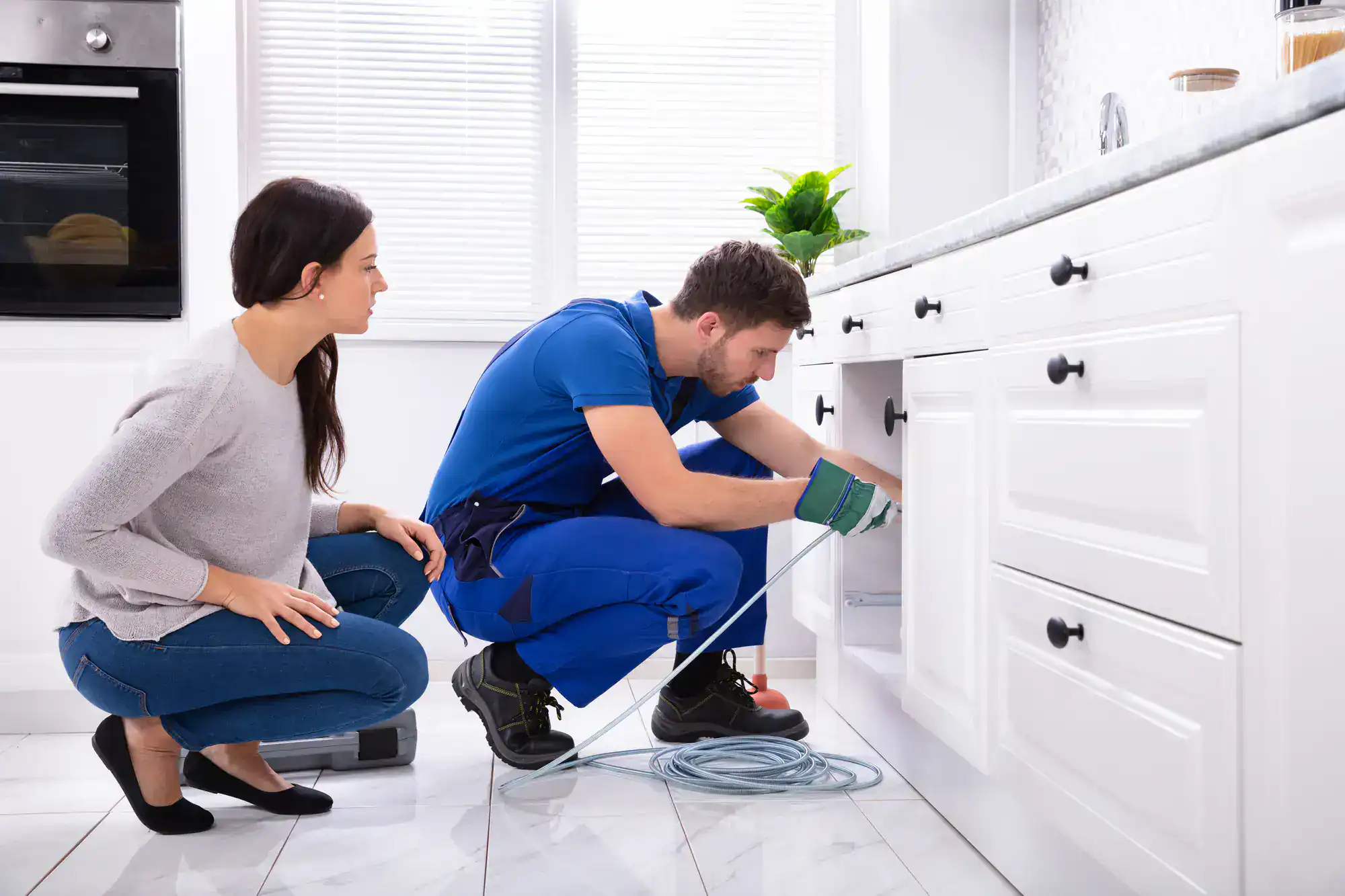
When we clean your effluent filter, we start by locating and accessing the filter, usually through the outlet side of your septic tank. If your tank has risers installed, this is quick and easy. Without risers, it means digging down to the tank access point, which adds time and cost to every service call.
Once the tank is open, we remove the filter from the outlet baffle or filter housing. The filter is covered in accumulated solids—toilet paper, grease, organic matter—that’s been trapped over months or years. This material needs to be washed back into the tank, not onto your property or into the drain field.
Using a garden hose or pressure washer, we spray the filter clean over the open tank, letting the solids fall back into the tank where they belong. This is why filter cleaning is best done during pumping—the tank gets emptied anyway, so the solids washed off the filter are removed along with everything else.
After cleaning, we inspect the filter for cracks, damage, or wear. Plastic filters can deteriorate over time, especially if harsh chemicals have been used in the household. If the filter is damaged, it needs replacement. A compromised filter won’t protect your drain field effectively.
The clean filter is reinstalled securely in the outlet baffle, making sure it’s properly seated so wastewater flows through it rather than around it. If the seal isn’t tight, the filter can’t do its job. Finally, the tank is closed up, and you’re good to go for another pumping cycle.
Some homeowners ask if they can clean the filter themselves. Technically, yes—but it’s not recommended unless you’re comfortable working around an open septic tank. The gases are dangerous, the work is unpleasant, and if you don’t reseal everything properly, you could create bigger problems. Having it done during professional pumping is safer, more thorough, and doesn’t cost much more since we’re already there.
Combining filter cleaning with septic pumping just makes sense. The tank is already being opened and emptied, so we have full access to the filter and a clear view of the outlet baffle. The solids washed off the filter during cleaning get pumped out along with the rest of the tank contents, leaving your system completely cleaned and reset.
If you try to clean the filter between pumpings, those solids you wash off go right back into a partially full tank, adding to the sludge and scum layers already there. You’re essentially moving the problem around instead of removing it. Cleaning during pumping means everything gets hauled away at once.
It’s also more cost-effective. We include filter cleaning as part of our standard pumping service, or charge a minimal additional fee. If you schedule a separate trip just for filter cleaning, you’re paying for another service call, another truck roll, another technician’s time. Doing it all together saves money and ensures nothing gets overlooked.
From a maintenance perspective, this approach keeps your entire system on the same schedule. You pump the tank every few years, clean the filter at the same time, inspect the baffles and tank condition, and document everything. You know exactly when the last service was done and when the next one is due. No guessing, no gaps in maintenance.
For Suffolk County homeowners specifically, this matters even more. Local soil conditions, high water tables, and environmental regulations mean your septic system works harder than systems in other areas. Regular, comprehensive maintenance—including filter cleaning—protects your investment and keeps your system compliant with local requirements.
If your septic company isn’t checking and cleaning your effluent filter during pumping appointments, ask why. It should be standard practice. If they say your system doesn’t have a filter, ask them to verify. If your system could benefit from adding a filter but doesn’t have one, consider the upgrade. The cost of installing a filter is a fraction of what you’d pay to replace a failed drain field.
Your effluent filter is a small component that does a big job. When it’s clean, it protects your drain field, prevents backups, and keeps your septic system running smoothly. When it’s neglected, you’re risking expensive repairs, emergency service calls, and potential system failure.
The solution is simple—make sure filter cleaning happens during every septic pumping appointment. Don’t assume it’s being done unless you ask. Verify that your technician is checking the filter, cleaning it thoroughly, and inspecting it for damage. If your system doesn’t have a filter and would benefit from one, consider adding it.
Regular maintenance isn’t exciting, but it’s what keeps your septic system working when you need it most. For Suffolk County homeowners, that means pumping every 2 to 3 years, cleaning the effluent filter during those appointments, and staying ahead of problems before they become emergencies. When you need honest, thorough septic service that actually protects your system, we’ve been helping Suffolk County families since 1998 with dependable care you can trust.
Summary:

Article details:
Share: