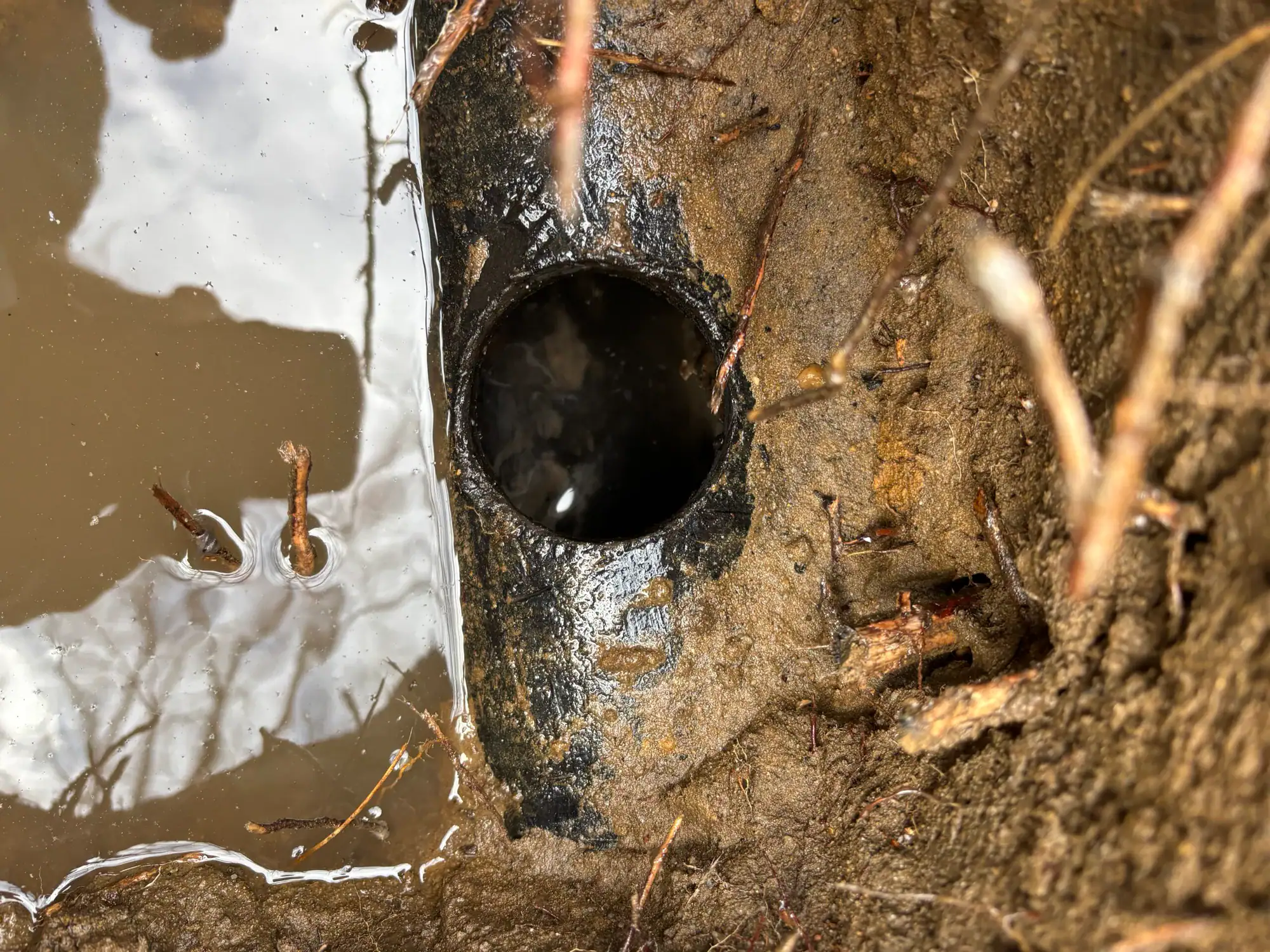
Suffolk County's cesspool rules have changed a lot since 2019. Here's what you actually need to know — and what most homeowners get wrong.

If you’ve been trying to figure out what Suffolk County’s cesspool regulations actually require — and you’ve come away more confused than when you started — you’re not alone. The rules have changed significantly since 2017, and most of what’s floating around online either oversimplifies or flat-out misses the point.
Here’s what we’ve learned after more than 25 years of doing this work across Suffolk County: most homeowners aren’t in as much trouble as they fear, but they are missing a few things that matter. What you need to do depends on your specific situation — whether you’re maintaining an existing system, replacing a failing one, or preparing for a property sale. Let’s walk through it clearly.
Suffolk County doesn’t require homeowners to schedule inspections on a fixed calendar just because they own a cesspool. But that doesn’t mean inspections are optional in every situation. There are specific triggers — property sales, permit applications, and certain commercial property timelines — where documented inspection records become non-negotiable.
For residential homeowners, the practical standard is that your system should be pumped and assessed every three to five years, depending on household size and system age. That service visit is also your inspection. We document the condition of your system, the volume removed, and where it was disposed — and that paperwork is what protects you when compliance questions come up later.

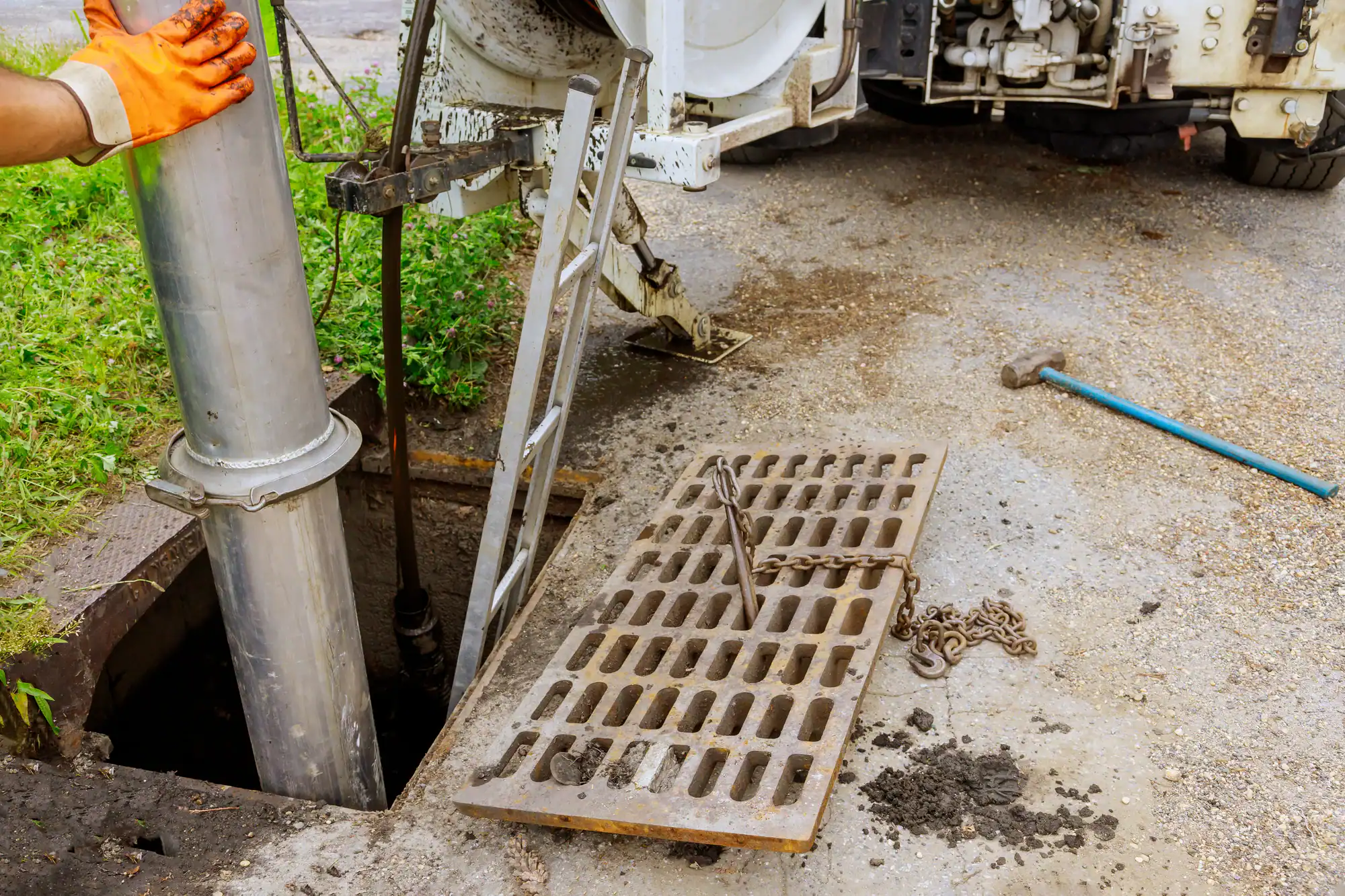
A proper cesspool service in Suffolk County isn’t just pumping. A thorough visit includes removing all accumulated sludge, scum, and liquid from the system, running flush and backflush cycles to break up stubborn deposits, and checking the condition of the tank walls, inlet and outlet baffles, and any connected leaching structures. If something looks wrong — a cracked ring, a compromised baffle, signs of hydraulic failure — you should hear about it during that visit, not six months later when the problem has gotten worse.
What you should walk away with after every service call is written documentation. That means the date of service, the volume removed, the disposal location, and a general condition assessment. This isn’t just good practice — it’s the record that matters when you’re selling your home, applying for a permit, or responding to a county inquiry. Since July 2018, we and all licensed contractors in Suffolk County have been required to report all pumping activity to the SCDHS (Suffolk County Department of Health Services). That reporting goes into a county database, and the documentation you keep at home should match what we filed.
For commercial properties, the county mandates inspections on a defined three-year cycle. Missing that window can result in fines, and the fines compound when violations go unaddressed. Residential homeowners don’t face the same mandatory cycle, but if you’re planning to sell, refinance, or apply for any permits, current service records will be required. The homeowners who run into problems aren’t usually the ones who skipped one pumping — they’re the ones who have no records at all and can’t demonstrate that the system has been maintained.
One thing worth knowing: Suffolk County has specific rules about cesspool additives. Before any additive can be legally sold or used in the county, it must be approved by the SCDHS Commissioner. Formaldehyde-based additives are outright banned. Chemical treatments are not a substitute for pumping, and any contractor who suggests otherwise is not giving you accurate information.
The best preparation for any cesspool inspection is a well-maintained system with a paper trail to prove it. If you’ve been keeping up with routine pumping every three to five years and you have the service receipts to show for it, you’re already in a strong position. The inspection itself — whether it’s part of a routine service call or a formal compliance review — goes much more smoothly when there’s documented history behind the system.
If you’re preparing for a property sale specifically, start by pulling together every service record you have. Dates, contractor names, volumes removed — all of it matters. If you don’t have records going back several years, that’s not automatically a deal-killer, but it does mean you’ll want a current inspection completed and documented before the transaction moves forward. Buyers and their attorneys in Suffolk County are increasingly asking for cesspool service history as part of due diligence, and real estate agents who work this market regularly know to flag systems with no documentation.
Practically speaking, make sure the access cover to your cesspool is locatable before a service visit. We can often locate buried covers, but it adds time and cost. If you know where your system is, mark it. If you’ve had work done in the past, find out whether it was permitted and whether the permit was closed out properly with the county — unpermitted work from a previous owner can surface during a sale and create complications that take time and money to resolve.
One more thing: if you’ve never had your system serviced since buying your home, don’t wait for a problem to force the issue. Cesspools that go without maintenance for extended periods are more likely to fail suddenly and expensively. A routine service call is far less disruptive — and far less costly — than an emergency replacement.
Want live answers?
Connect with a AAA Dependable Cesspool expert for fast, friendly support.
This is where a lot of homeowners get into trouble — not because they did something intentionally wrong, but because they didn’t know a permit was required. The line between work that needs a permit and work that doesn’t isn’t always obvious, and the consequences of getting it wrong can be significant.
Since July 2019, any cesspool replacement in Suffolk County — regardless of the reason — requires more than just swapping out the old system. In-kind replacement is no longer allowed. If your cesspool fails and needs to be replaced, you’re required to install at minimum a conventional septic system with a tank and leaching structure. That work requires SCDHS involvement, either through a formal permit or a registration notice filed through the county’s SHIP portal (Septic Haulers Information Portal), depending on the scope of the project.
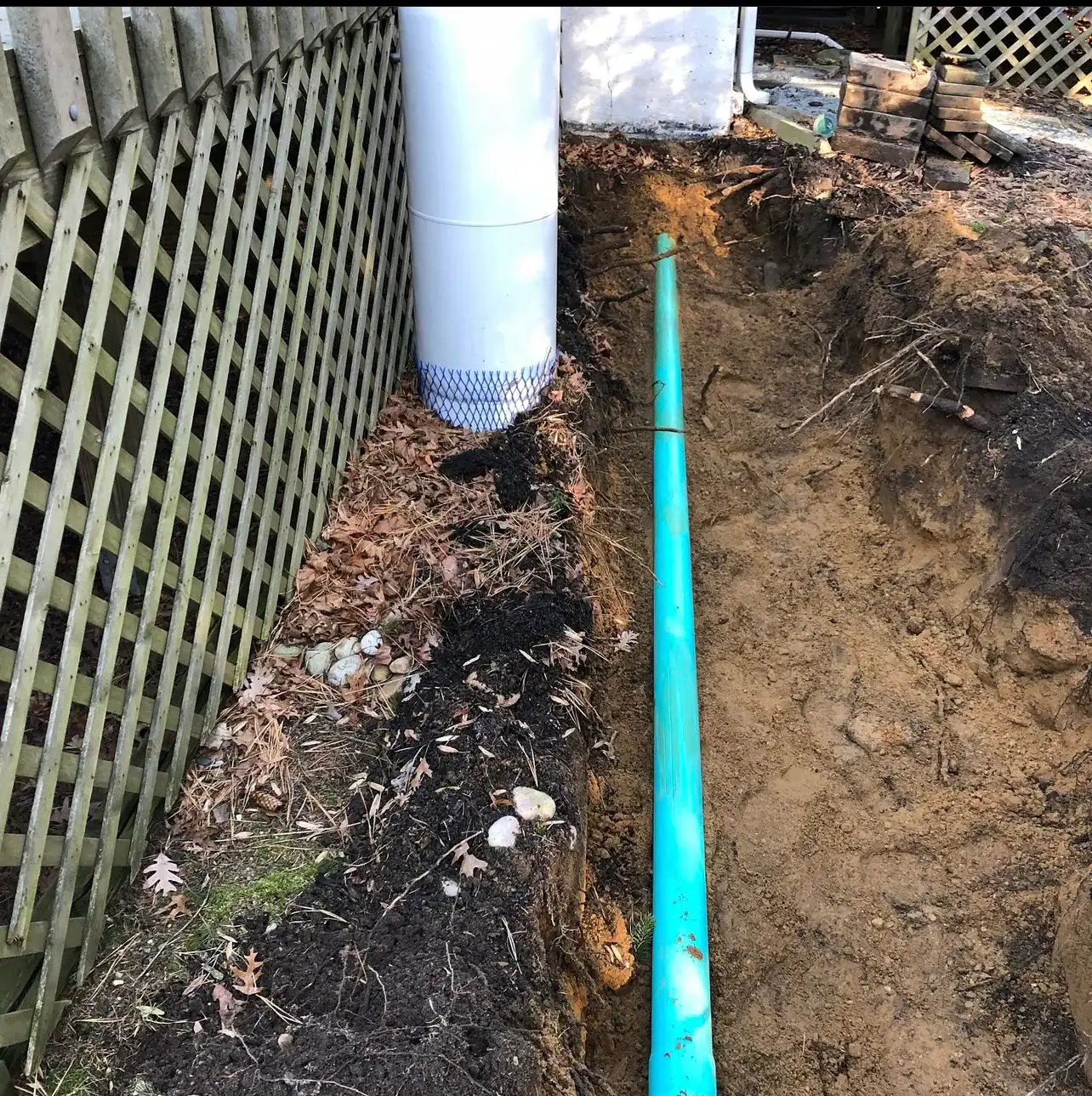
Routine pumping and maintenance don’t require a permit. But any replacement, retrofit, or significant repair does — and the permit process involves more steps than most homeowners expect. A formal SCDHS permit application typically costs between $200 and $500 depending on the system size, and processing takes roughly two to four weeks once the application is complete. Work cannot begin until the county has issued approval, and the system cannot be covered and backfilled until a county inspection has been completed.
For projects that qualify as OWTS replacements or retrofits under Article 6 of the Suffolk County Sanitary Code, your contractor is required to submit a registration notice through the SHIP portal before work begins. This is a streamlined process for certain project types, but it still requires an approved, licensed contractor to initiate it. Homeowners can’t file these submissions themselves — and contractors who skip this step are leaving you exposed.
Since July 2021, all new single-family residential construction and projects classified as major reconstruction must install I/A OWTS — Innovative and Alternative Onsite Wastewater Treatment Systems. These are nitrogen-reducing systems that go beyond conventional septic technology. They typically cost between $20,000 and $40,000 to install, though the Suffolk County Septic Improvement Program offers combined State and County grants of up to $30,000 for eligible homeowners. That grant money is paid directly to the approved vendor after installation — you don’t pay upfront and wait for reimbursement. But the grant must be applied for and approved before work begins. Starting without grant approval means forfeiting the funding entirely.
The setback requirements matter here too. Cesspool and septic systems in Suffolk County must be installed at least 100 feet from any water supply well and at least 20 feet from property lines. These aren’t suggestions — they’re code requirements that affect where a replacement system can be sited, and they’re part of what the permit review process evaluates.
Most cesspool violations in Suffolk County don’t happen because a homeowner was careless. They happen because someone hired an unlicensed contractor, skipped a permit they didn’t know was required, or had replacement work done without county documentation — sometimes by a previous owner. The problem surfaces later, often during a sale or a permit application for unrelated work, and by then the fix is more complicated than it would have been upfront.
The financial consequences are real. Fines for missed pump-outs or failed inspections range from $250 to $2,000. Initial violations under the Suffolk County code can run up to $500; subsequent violations up to $1,000. Cesspool additive violations carry similar penalties. And those numbers don’t include the cost of bringing an unpermitted installation into compliance — which can mean redoing work that was already paid for, this time with the proper permits and an approved contractor.
The contractor licensing piece is worth understanding specifically. Cesspool work in Suffolk County requires a Liquid Waste License issued by Suffolk County Consumer Affairs, with specific endorsements for the type of work being performed. Contractors who hold this license are required to report all pumping and replacement activity to the SCDHS. Contractors who don’t hold it aren’t reporting anything — which means the county has no record of the work, and you have no documented compliance history. If a violation is later discovered, the homeowner bears the burden of proving the work was done correctly. That’s a difficult position to be in.
Verifying a contractor’s license isn’t complicated. Suffolk County Consumer Affairs maintains licensing records, and any reputable contractor should be able to provide their license number on request without hesitation. If a contractor can’t or won’t, that’s your answer. We’ve held our Suffolk County Consumer Affairs Liquid Waste License since 1998, and we’re happy to provide that information to anyone who asks.
Here’s the honest summary: if your existing cesspool is functioning, you’re not required to replace it. But you are responsible for maintaining it, documenting that maintenance, and making sure any future repair or replacement work goes through the proper channels with a licensed contractor. That’s not a heavy lift — it’s mostly about keeping records and working with someone who knows the county’s requirements.
The homeowners who end up in trouble are usually the ones who waited too long, hired someone without verifying their license, or discovered a compliance gap during a property sale when time pressure made everything harder to fix.
If you have questions about where your system stands — whether you need a permit, whether you qualify for grant funding, or just whether your current maintenance schedule is adequate — we’ve been working through these exact questions with Suffolk County homeowners since 1998. Give us a call and we’ll give you a straight answer.
Summary:
Article details:
Share: