Learn how Suffolk County homeowners can access up to $30,000 in grants for modern nitrogen-reducing septic systems through step-by-step guidance.
Your cesspool is probably older than you think, and Suffolk County knows it. More than 360,000 homes rely on outdated cesspools and septic systems that do not properly treat wastewater to remove nitrogen. The good news? You’re not stuck paying the full $25,000+ price tag for a modern I/A OWTS system.
Residents may be eligible for combined State and County grants to install an Innovative and Alternative nitrogen removal septic system—potentially enough to cover the entire installation. Working with a company that provides comprehensive full cesspool service can help you navigate eligibility requirements, paperwork, and proper system installation. Here’s exactly how to access this funding and what you need to know about the process.
The funding comes from two main sources working together. The Suffolk County Septic Improvement Program provides a base grant, with additional funds that can be awarded to a grantee that installs a pressurized shallow drain field leaching system and/or toward the unit installation for eligible applicants based on specific criteria.
New York State adds another layer through their Septic System Replacement Program. Under the law, eligible property owners can be reimbursed a significant percentage of eligible expenditures for the installation of a conventional system or an enhanced septic system.
Some East End towns enhance the deal even further with additional rebate funds. Since 2016, areas like Southampton Town have provided further assistance to help residents transition to cleaner technology.
The eligibility requirements are straightforward, but they’re strictly enforced. In order to be eligible for a grant, the residence must be equipped with a septic tank system or cesspool and not connected to a sewer system or located within a proposed sewer district.
Your property must meet several basic criteria. You must have a Property Deed recorded with the Suffolk County Clerk. The property cannot have tax liens or be in foreclosure, and you must be current on payment of property tax. These aren’t negotiable—the county checks every application thoroughly.
New construction on a vacant lot is not eligible. The program specifically targets existing homes with failing or outdated systems. You’ll also need to work with approved contractors. Applicants must use an installer from the County’s list in order to remain eligible for grant funding. The installer is paid grant funds directly by Suffolk County on the homeowner’s behalf.
Priority goes to properties in designated areas. Many neighborhoods in Riverhead Town are designated by Suffolk County as priority areas for new advanced septic systems due to their proximity to surface water and groundwater sources. Income considerations can also impact your total funding availability.
The paperwork might seem overwhelming, but it’s manageable when you know what to expect. Start gathering documents before you begin the online process at the official Reclaim Our Water website.
You’ll need several key documents. A copy of the Certificate of Occupancy or Zoning Compliance for the dwelling and an up-to-date property survey are essential. Your survey must show underground utilities including gas, water, and electric lines.
Septic pumping receipts if you empty your system two or more times per year can fast-track your application. If you have pumped your existing system frequently in the last 12 months and can provide receipts, you will get priority.
The county determines system size based on your home’s bedroom count. This capacity requirement is used to determine the potential number of people who live or could live in your house, which affects your system requirements and grant levels.
Applicants must apply for and be issued a grant prior to installation. Don’t start any work before approval—doing so will result in a loss of funding eligibility. Currently, the County grant processing period can take several months for non-failure upgrades.
Want live answers? Connect with a AAA Dependable Cesspool expert for fast, friendly support. Get A Free Quote Call: 631-738-7100
Want live answers?
Connect with a AAA Dependable Cesspool expert for fast, friendly support.
The requirements for nitrogen-reducing I/A systems vary significantly based on your property’s specific conditions. Substantial grant funding makes these systems more accessible than many homeowners realize.
Suffolk County has specific requirements you must meet. As of July 1, 2021, Suffolk County requires I/A OWTS for all new single-family residential construction projects and all existing residential projects classified as ‘Major Reconstruction’. The technology isn’t optional anymore—it’s the law for most situations.
These aren’t just fancy septic systems—they’re solving a real environmental crisis. Studies show that declining water quality is caused by excess nitrogen, and that cesspools and septics are the largest source of nitrogen pollution.
These systems use advanced treatment methods to remove pollutants from wastewater before it is released into the environment. These systems use bacteria to convert nitrates into nitrogen gas, which is released into the air. This reduces the risk of negative environmental effects.
These technologies reduce the nitrogen entering the groundwater by more than 70%. Two main manufacturers dominate the Suffolk County market: Fujiclean and HydroAction. Both systems are designed for Long Island’s unique soil and groundwater conditions. They are low maintenance, energy-efficient, and easy to install.
Homeowners should be aware that I/A OWTS contain components such as pumps, floats, air compressors, and controls that may need to be replaced at some point during the useful life of the system.
Pumping requirements are different from traditional systems. Although these systems provide advanced treatment, they will still need to be occasionally pumped by a septage hauler, generally every 3-5 years depending on use.
Registration is mandatory and ongoing. Property owners are required to register their I/A OWTS with their County’s Health Department at the time of Final Approval. Registration is updated every 3 years. There is no fee to register, but it is critical to ensure proper function.
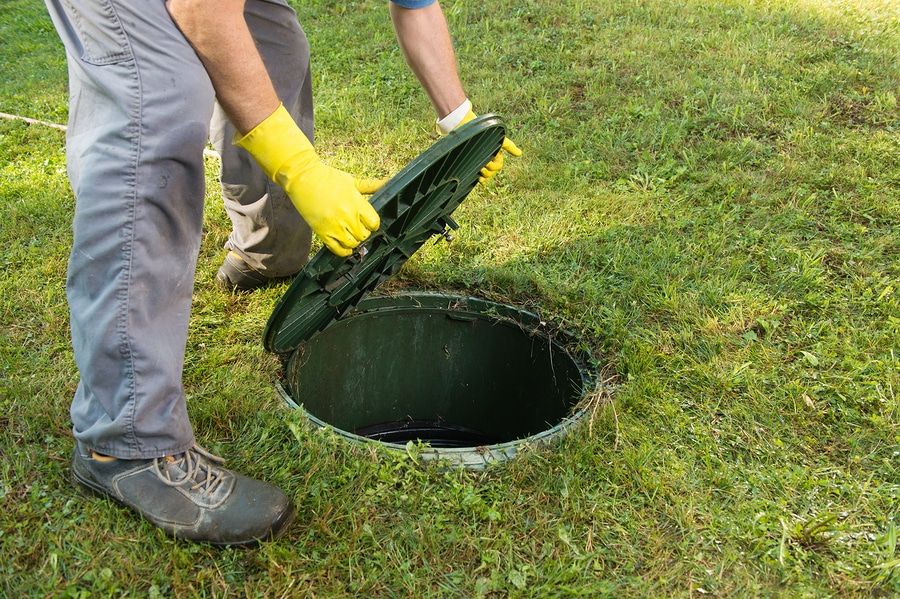
The systems include visible components you’ll need to maintain access to. Covers provide access for your service provider and must remain accessible even if landscaped around. Control Panels are the brains of the unit and are usually mounted to the side of the dwelling.
The available funding represents a once-in-a-generation opportunity to upgrade your property’s wastewater system. It has never been easier to access critical funding than it is today. The combination of state, county, and town programs can cover your entire installation.
Start by gathering your documentation and checking your eligibility. Remember that you must be issued a grant prior to installation.
Working with experienced professionals makes the difference between a smooth process and months of frustration. We have guided Suffolk County homeowners through grant applications for over 25 years. Contact us to start your application process and protect both your property and Long Island’s water quality.
Summary:

Article details:
Share: