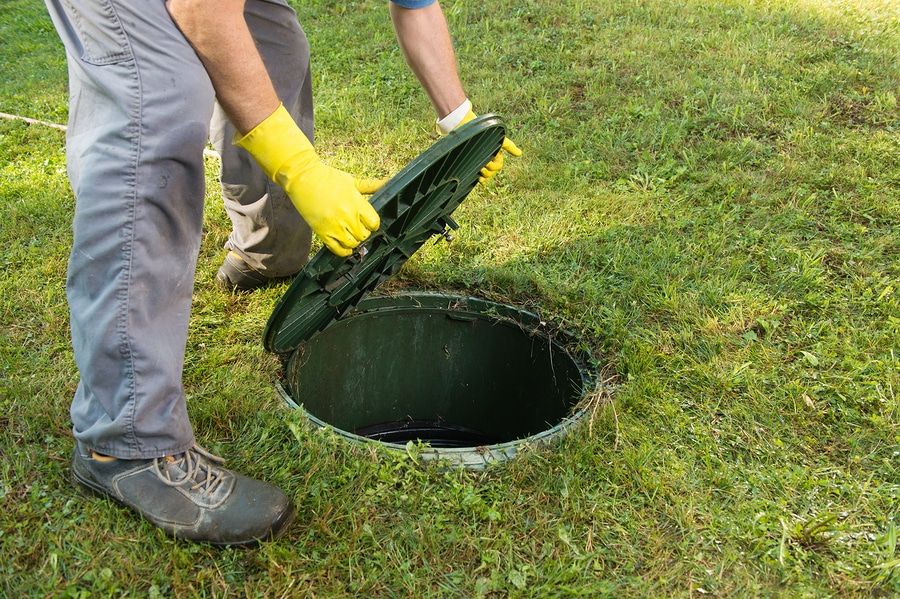
Camera inspections let you see exactly what's happening inside your drainage system—no guesswork, no unnecessary digging, just real answers about your cesspool or sewer lines. Think of it as "Sewer Cinema."

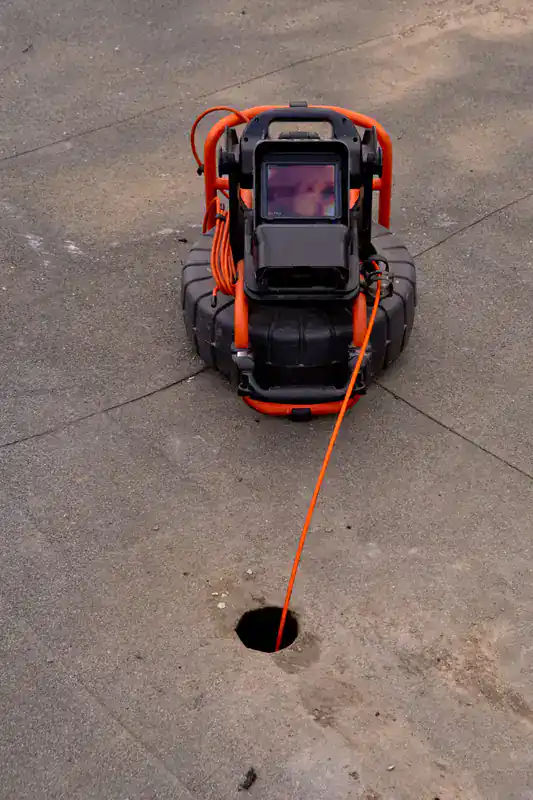
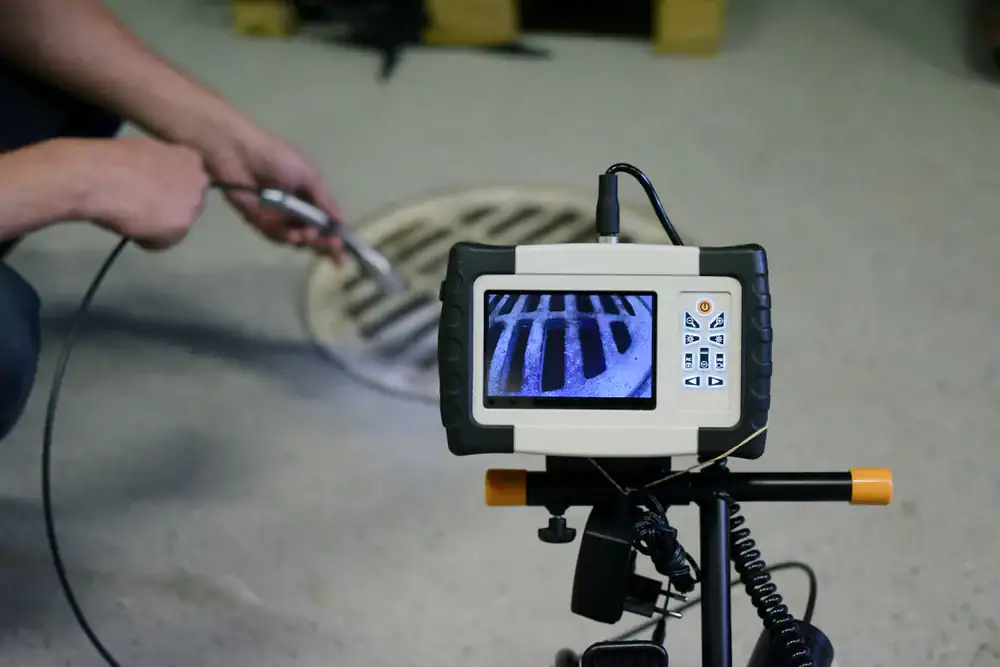
A camera inspection is exactly what it sounds like—a way to look inside your pipes without digging them up. A small, waterproof camera gets fed through your drainage system, sending live video back to a monitor. It’s essentially a colonoscopy for your house, but without the awkward hospital gown.
The camera itself is attached to a flexible cable that can navigate bends, turns, and long stretches of pipe that would make a professional gymnast jealous. It’s equipped with bright LED lights to illuminate dark spaces, and it captures high-resolution footage. The whole setup is designed to handle the “rough” conditions inside sewer lines—water, debris, and the occasional teenage mutant ninja turtle (okay, maybe not that last part).
Most inspections start at an access point like a cleanout. The camera moves through the line while we watch the feed in real-time, looking for clogs, cracks, or root intrusion. The process is non-invasive, meaning your prize-winning petunias are safe from the shovel.
Before camera technology, diagnosing drainage problems was about as accurate as a weather forecast in April. A technician would look at symptoms and make an “educated guess.” Then they’d start digging. If they guessed wrong? Well, now you have two holes in your yard and still no solution.
Camera inspections uncover issues that would otherwise stay hidden until they caused a “call the insurance agent” level of damage.
Tree Root Intrusion: Roots seek moisture like a New Yorker seeks a parking spot. They will find the tiniest crack in your pipe and move in permanently.
Blockages: From grease buildup to that “flushable” wipe that definitely wasn’t flushable, the camera sees all.
Corrosion: Older cast iron pipes rust from the inside out. The camera shows us if your pipes are more “rust” than “pipe” at this point.
Pipe Misalignment: Sometimes the ground shifts, and your pipes decide to part ways. The camera identifies exactly where the “breakup” happened.
Want live answers?
Connect with a AAA Dependable Cesspool expert for fast, friendly support.
You don’t need to wait for a full-blown backup to schedule a camera inspection. In fact, if you wait until the water is coming back up the drain, you’ve waited too long. If you’re noticing recurring clogs or slow drains that act up every time you run the dishwasher, that’s your system’s way of crying for help.
Foul odors are another red flag. If your house smells like a locker room and you don’t own a gym, there’s a blockage or leak somewhere. A camera inspection can locate the source faster than you can say “scented candle.”
The upfront cost of a camera inspection is minimal compared to the cost of a full system failure. It’s the ultimate “preventative medicine.” Small cracks are cheap to patch; collapsed pipes are not.
In Suffolk County, our high water table puts extra strain on drainage systems. Catching a leak early protects the groundwater and prevents your yard from becoming a swamp. Plus, if you’re buying a home, a camera inspection is the only way to make sure you aren’t inheriting a $10,000 plumbing nightmare hidden under a pretty lawn.
EMPTY_FIELD
Aging infrastructure and changing regulations make camera inspections a necessity for Long Island homeowners. It’s the smartest way to stay ahead of the game. You get clarity, you save money, and you keep your yard looking like a yard, not a construction site.
If you’re ready to see what’s really going on inside your drainage system, reach out to us at AAA Dependable Cesspool Sewer & Drain. We’ve been serving Suffolk County for over 25 years, and we promise a transparent look at your system—no hidden “actors,” just the facts.
Summary:

Article details:
Share: