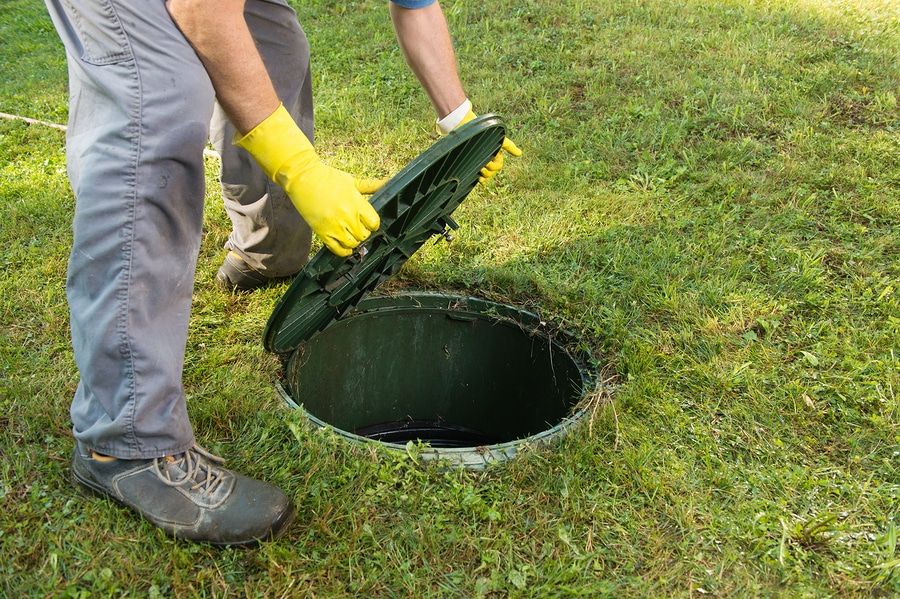
Timing your septic pumping matters more than you think. Learn why spring and fall are ideal for Suffolk County systems and how to avoid costly winter emergencies.

Long Island’s climate creates specific challenges that don’t exist year-round. Frozen ground in winter makes tank access nearly impossible without specialized equipment. Spring brings snowmelt and heavy rain that raises the water table and saturates drain fields. Summer means peak water usage from pools, guests, and outdoor activities.
Each season affects your septic system differently. Cold slows the anaerobic bacteria that break down waste in your tank. Saturated soil can’t absorb effluent properly. High usage during holidays and gatherings puts extra strain on a system that might already be near capacity.
The season you choose for pumping determines whether the work happens smoothly or becomes complicated by weather, ground conditions, and equipment access. It affects your system’s ability to recover after service and influences how long you can go before needing attention again.

Spring ranks as one of the most popular times for septic tank pumping on Long Island, and for good reason. The ground has thawed after winter, making your tank accessible without the need for specialized excavation equipment. You’re getting ahead of summer’s heavy usage before guests arrive and water demand spikes.
Spring service catches problems before they escalate during warm months when your system works overtime. If your inlet and outlet pipes have issues, if your septic tank baffles are deteriorating, or if your effluent filter needs cleaning, spring is when you want to find out—not in July when the house is full of people.
There’s a catch, though. Spring on Long Island brings its own challenges. Snowmelt and April rains raise the water table significantly. Your drain field might already be managing excess groundwater before you add household wastewater to the mix. If you pump too early in spring while the ground is still saturated, your system has to work harder to process effluent through soil that’s already holding maximum moisture.
The sweet spot is late spring, after the ground has dried out somewhat but before summer usage begins. You’re giving your system a fresh start with a pumped tank, clean effluent filter, and confirmed working components. When family shows up for Memorial Day weekend or you start filling the pool, your septic system is ready to handle the increased hydraulic load.
Spring pumping also gives you visibility into winter damage. Cold temperatures can crack pipes, shift tank components, and damage drain fields through freeze-thaw cycles. A spring inspection catches these issues while repairs are still straightforward and affordable. Wait until summer when the system is under peak demand, and a small problem becomes a bigger one.
Fall might be the smartest time to pump your septic system in Suffolk County, NY. You’re preparing your tank to handle winter’s demands before frozen ground makes any service complicated. When family arrives for Thanksgiving and Christmas, when everyone’s showering more because it’s cold outside, when household water usage naturally increases from people staying indoors—your freshly pumped tank handles it without problems.
The strategy is straightforward. Pumping in fall means you’re not overloading a full tank during winter when repairs are most difficult and expensive. If something does go wrong, you catch it before frozen ground makes fixes a nightmare. A backup in December when the ground is frozen solid costs significantly more to address than the same issue in October when we can still access your system easily.
There’s a practical advantage too. Fall is slower for cesspool companies across Long Island. Summer emergencies have subsided, and most homeowners aren’t thinking about septic maintenance yet. That often translates to better availability, more flexible scheduling, and sometimes more competitive pricing. You’re not competing with every other property owner for the same appointment slot.
Fall service also addresses the accumulated stress from summer. If you had extra guests, ran the washing machine constantly, or pushed your system harder than usual during warm months, fall pumping removes the sludge layer buildup before it becomes a winter problem. Your septic tank baffles get inspected, your effluent filter gets cleaned, and you start the cold season with a system that’s ready for increased indoor water use.
The timing matters within fall itself. Early fall—September through mid-October—gives you the best conditions. The ground is still workable, the water table has dropped from spring highs, and you have time to address any repairs before winter weather arrives. Wait too long and you’re pushing into November when temperature swings can create their own complications.
One thing homeowners often overlook: fall pumping gives your system time to re-establish its bacterial balance before winter slows everything down. After pumping, it takes a week or more for your tank to refill to operational level. Doing this in fall rather than winter means the anaerobic bacteria in your system have time to rebuild their population while temperatures are still moderate, not when cold is already slowing their activity.
Want live answers?
Connect with a AAA Dependable Cesspool expert for fast, friendly support.
Not every season works equally well for septic pumping. Some times of year create complications that make routine service more expensive, more difficult, or less effective. Understanding when to avoid scheduling helps you plan smarter and save money.
Winter and peak summer both present challenges, though for different reasons. Winter’s frozen ground is the obvious problem, but summer’s saturated usage and spring’s high water table create their own issues. Knowing what makes these seasons difficult helps you understand why spring and fall are better choices.

Winter is, by far, the worst time to need septic service in Suffolk County. The frozen ground makes locating and accessing your tank difficult even when you know exactly where it is. Snow cover hides septic tank risers and access points. Ice creates safety risks for technicians trying to work around your property.
When soil freezes, it becomes harder than concrete. Excavation requires specialized equipment that most standard service calls don’t include. If your tank access isn’t already exposed with a riser bringing it to surface level, winter service means you’re paying for extra labor and equipment just to reach the tank itself. Those costs add up quickly compared to the same service in fall or spring.
Frozen ground also affects how well your system functions after pumping. Your septic tank needs to settle back into place properly. The drain field needs to be able to absorb effluent. When everything is frozen solid, normal system operation gets disrupted in ways that don’t happen during warmer months.
There’s another issue most homeowners don’t consider: cold temperatures slow the bacteria that break down waste in your tank. Even after pumping, your system relies on anaerobic bacteria to process incoming wastewater. In winter, those bacteria are already working at reduced capacity because of the cold. Pump the tank in December and you’re removing what little active bacterial population exists, forcing the system to rebuild during the least favorable conditions.
Long Island’s dramatic temperature swings make this worse. A warm afternoon followed by an overnight freeze doesn’t give your system time to adjust gradually. The rapid temperature change catches systems unprepared and increases the risk of pipe damage, component failure, and frozen lines.
If you absolutely must pump in winter—maybe you’re dealing with an emergency backup or a real estate transaction that can’t wait—expect to pay more. Emergency winter service costs reflect the difficulty of working in frozen conditions, the specialized equipment needed, and the limited availability of contractors willing to take on cold-weather jobs.
The better approach: plan ahead. If you know your system is due for pumping, schedule it in fall before frozen ground becomes an issue. That advance planning saves you money, stress, and the risk of a winter emergency.
Summer seems like it should be ideal for septic work. The ground isn’t frozen, the weather is pleasant, and access is easy. But summer on Long Island brings its own complications, particularly if you’re dealing with seasonal guests, vacation rentals, or increased water usage from pools and outdoor activities.
The main issue is timing your pumping around peak usage. If you pump your septic tank right before a big July 4th gathering or when you have houseguests for two weeks, you’re asking your system to refill and re-establish its bacterial balance during a period of maximum stress. Your tank needs time to reach operational level again—usually a week or more—and heavy usage during that recovery period can overwhelm the system.
Summer also means competition for service appointments. Every homeowner who ignored their septic system during winter suddenly remembers it needs attention when warm weather arrives. Contractors are busy, scheduling gets tight, and you might wait longer for service than you would in fall or early spring.
Spring presents a different challenge: the water table. Snowmelt and spring rains saturate the ground across Suffolk County. Your drain field, which needs to absorb and process effluent from your septic tank, is already dealing with excess groundwater. Add freshly pumped wastewater to soil that’s holding maximum moisture and you risk overwhelming your leach field.
The sludge layer depth and scum crust in your tank matter more during spring because your drain field’s capacity to handle effluent is already compromised by saturated conditions. If you pump too early in spring while water tables are still high, your system struggles to process the wastewater flow even though the tank itself has been cleaned.
That doesn’t mean spring pumping is bad—it means timing within spring matters. Early spring while the ground is still saturated is problematic. Late spring after things have dried out somewhat works much better. The difference of a few weeks can significantly affect how well your system recovers after service.
For properties with high summer usage—vacation homes, rental properties, or houses that host frequent guests—fall pumping makes more sense than summer service. You’re preparing the system before winter rather than trying to maintain it during peak demand. Your septic tank baffles, effluent filter, and inlet and outlet pipes all get checked and cleaned when the system isn’t under maximum stress.
The best time to pump your septic system in Suffolk County comes down to two seasons: spring and fall. Both offer accessible ground, moderate temperatures, and conditions that let your system recover properly after service. Fall edges ahead slightly because you’re preparing for winter’s increased indoor usage and avoiding the complications of frozen ground repairs.
What matters most is planning ahead rather than waiting for an emergency. If you schedule pumping during optimal seasons, you avoid the stress of winter service, the complications of spring’s high water table, and the scheduling challenges of peak summer. Your system gets maintained when conditions favor the work, not when weather forces compromise.
If you’re in Suffolk County and your septic system is due for pumping, consider fall as your first choice and late spring as your backup. Both give you the conditions you need for effective service without the complications that other seasons bring. We’ve been providing honest, straightforward septic service to Suffolk County since 1998, and we’re here to help when you’re ready to schedule your seasonal maintenance.
Summary:

Article details:
Share: