
Professional cesspool pumping protects Long Island's sole drinking water source and prevents nitrogen pollution that's devastating the Great South Bay's marine ecosystems.
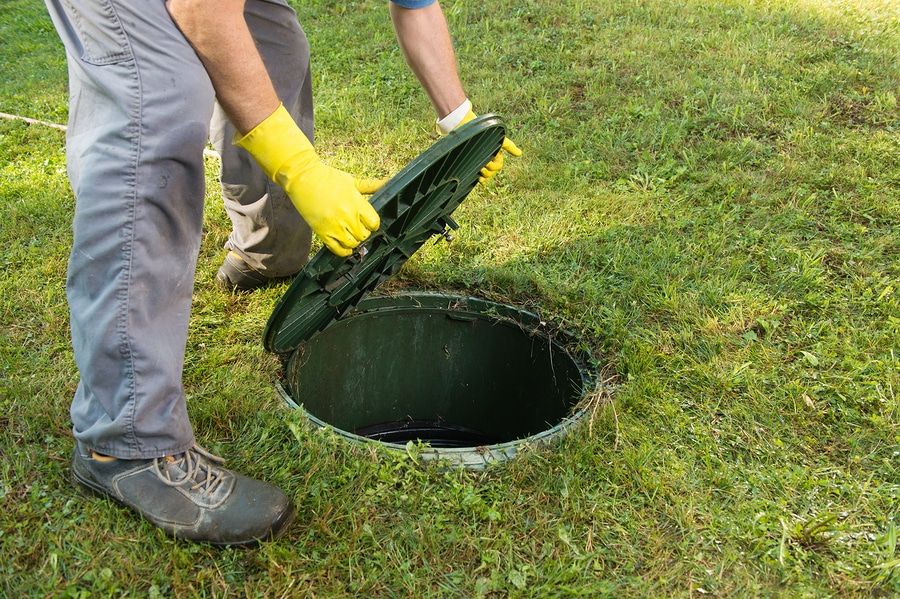
Suffolk County sits on top of a sole-source aquifer. That means every drop of drinking water for nearly three million people comes from the ground beneath your property. When your cesspool isn’t pumped regularly, accumulated solids reduce the system’s capacity and untreated wastewater seeps directly into that same groundwater.
Unlike modern septic systems that separate and treat waste, older cesspools are essentially just pits lined with brick or pre-cast cesspool rings. They collect everything from your home and let liquids leach into surrounding soil. The problem isn’t just what goes in—it’s what comes out.
Nitrogen from human waste converts to nitrate as it moves through soil. That nitrate travels straight into the aquifer with minimal filtration. Research shows that cesspools and conventional septic systems contribute roughly 69% of the total nitrogen load affecting the Great South Bay and local waterways.

Nitrogen might sound harmless, but too much of it in water creates serious problems. When nitrogen-rich groundwater flows into the Great South Bay, it fuels massive algae blooms that block sunlight and deplete oxygen. Fish and marine life suffocate in these “dead zones.”
The bay that once produced more than half the clams eaten in America has seen its hard clam harvest drop by 93% over the past 25 years. Bay scallop fisheries collapsed almost entirely due to nitrogen-caused algal blooms. Thousands of jobs disappeared along with the shellfish.
It’s not just about the economy. Harmful algal blooms close beaches, create foul odors, and produce toxins dangerous to human health. Wetland marshes that protect Long Island’s shoreline from storms are dying because excess nitrogen weakens their root systems. These marshes act as natural buffers during hurricanes and nor’easters—losing them puts coastal communities at greater risk.
Professional cesspool pumping removes the accumulated solids before they overwhelm your system’s capacity. When your cesspool functions properly, it can handle the volume of wastewater your household produces without overflowing or backing up. That means less untreated sewage entering the soil and eventually reaching surface waters.
Regular maintenance also gives our technicians a chance to spot problems early. A cesspool that’s filling too quickly might have structural issues with its brick cesspool walls or problems with side-wall drainage. Catching these issues during routine service prevents catastrophic failures that dump raw sewage directly into the environment.
Skip pumping for too long and your cesspool stops draining effectively. Solids build up until they block the leaching pool’s ability to disperse liquids into surrounding soil. You’ll notice slow drains, sewage odors, or wet spots in your yard. But the environmental damage starts well before you see symptoms at home.
An overloaded cesspool releases higher concentrations of nitrogen and pathogens into groundwater. The biofilm that normally provides some filtration gets overwhelmed. Raw sewage essentially flows directly into the aquifer with minimal biological treatment. This contamination can spread to neighboring wells and eventually reaches streams, rivers, and bays.
Soil saturation around a failing cesspool creates anaerobic conditions where beneficial bacteria can’t survive. The natural filtration process that should remove contaminants stops working. At that point, your property becomes a direct source of pollution affecting everyone downstream.
The Great South Bay is particularly vulnerable because it’s a shallow estuary with limited water exchange. Nitrogen pollution accumulates faster than natural processes can dilute it. When thousands of cesspools across Suffolk County are poorly maintained, the cumulative effect devastates water quality across the entire region.
Property owners sometimes don’t realize their system is failing until they face emergency repairs. By then, environmental damage has been ongoing for months or years. A cesspool that’s been neglected might need complete replacement rather than simple pumping—a much more expensive fix that could have been avoided with regular maintenance.
Suffolk County has responded to this crisis with increasingly strict regulations. The county banned new cesspool installations in 2019 and now requires nitrogen-reducing systems for new construction. These rules exist because the environmental impact of aging cesspools has become impossible to ignore.
Want live answers?
Connect with a AAA Dependable Cesspool expert for fast, friendly support.
Professional cesspool service does more than remove waste from your property. We understand how Long Island’s unique soil conditions, high water table, and coastal geography affect system performance. We pump at the right frequency to prevent overflow while disposing of waste at approved treatment facilities.
When waste gets pumped from your cesspool, it goes to a facility designed to treat sewage properly before releasing it. That’s completely different from letting untreated wastewater seep into groundwater. Professional pumping breaks the direct path from your home to the aquifer.
The frequency matters too. Most Suffolk County cesspools need pumping every one to three years depending on household size and water usage. Waiting longer saves money short-term but increases environmental damage and risks system failure.

Regular cesspool pumping directly reduces the nitrogen load entering Suffolk County’s waterways. When solids are removed before they overwhelm the system, your cesspool can handle daily wastewater without backing up or overflowing. That means fewer nutrients leaching into groundwater that eventually flows to the bay.
The difference adds up across thousands of properties. If every cesspool owner in Suffolk County maintained their system properly, nitrogen pollution to the Great South Bay would drop dramatically. Suffolk County estimates that connecting priority areas to sewers and upgrading cesspools could reduce harmful nitrogen pollution in the bay by 25% or more.
Your individual contribution might seem small, but cesspools and septic systems collectively account for roughly 70% of nitrogen entering the bay. When you maintain your system, you’re participating in the larger solution to Long Island’s water quality crisis.
Professional cesspool pumping also allows our technicians to assess whether your cesspool is still adequate for your household’s needs. Families that have grown or properties with increased water usage might need more frequent service or system upgrades. Understanding your system’s capacity prevents overloading that leads to environmental contamination.
Some homeowners try to extend time between pumpings by using additives or chemicals. Most of these products don’t work as advertised and some can actually harm your system or the environment. Professional service provides real results without introducing questionable chemicals into groundwater.
Suffolk County now offers grants up to $30,000 to help homeowners upgrade to advanced nitrogen-reducing systems. These innovative treatment technologies can remove up to 90% of nitrogen from wastewater before it reaches soil. Proper maintenance records from professional pumping services help qualify for these grants.
Suffolk County designated its aquifer system as a sole-source aquifer, one of the few in the country with that critical designation. This recognizes that protecting groundwater isn’t optional—it’s essential for the region’s survival. Every regulation, every requirement for cesspool maintenance, stems from this fundamental reality.
The county’s Comprehensive Water Resource Management Plan identifies nitrogen from cesspools and septic systems as the primary threat to water quality. This isn’t speculation—it’s based on decades of research showing direct connections between on-site wastewater systems and contamination of drinking water supplies and coastal waters.
When you schedule professional cesspool pumping, you’re complying with the county’s broader strategy to protect public health and the environment. The service creates documentation showing your system is maintained, which matters for property transfers and helps avoid violations if regulations tighten further.
Suffolk County’s regulations will likely become stricter over time as environmental problems worsen. Properties with well-maintained systems and good service records will have an easier time meeting new requirements. Those with neglected cesspools might face mandatory upgrades or connection to sewer systems at significant expense.
The overflow tank and primary pool in your cesspool system need proper venting to function correctly. Our technicians check these components during pumping to ensure your system operates as designed. Poor venting can create pressure problems that force untreated wastewater into soil before it’s adequately filtered.
Long Island’s high water table complicates cesspool operation, especially in low-lying coastal areas. When groundwater rises close to the leaching pool, the system can’t drain properly and essentially fails. Regular pumping helps manage this challenge by keeping solids from accumulating and reducing the system’s effective depth.
The environmental stakes are high enough that Suffolk County now requires cesspool pumping records for property transfers and renovation permits. Homeowners must show documentation of regular waste removal by licensed contractors. Properties with neglected cesspools often fail inspections and require expensive repairs before sales can proceed.
Professional cesspool pumping protects more than your property—it safeguards the drinking water for 2.8 million Long Islanders and helps restore the Great South Bay’s damaged ecosystems. Regular maintenance prevents nitrogen pollution, stops pathogen contamination, and ensures your system operates without harming groundwater.
The connection between your cesspool and Long Island’s environmental health is direct and measurable. When you schedule service every one to three years, you’re actively reducing the pollution that’s killing shellfish beds, closing beaches, and threatening the sole water source for the entire region.
Suffolk County’s regulations reflect the urgency of this environmental crisis. Staying ahead of requirements with proper maintenance protects your property value while contributing to the community’s long-term sustainability. For reliable cesspool service that prioritizes both your needs and environmental protection, we bring decades of local experience and a genuine commitment to Suffolk County’s future.
Summary:

Article details:
Share:
