Everything Sayville homeowners need to know about cesspool installation — the process, the permits, the grants, and how to avoid paying more than you should.
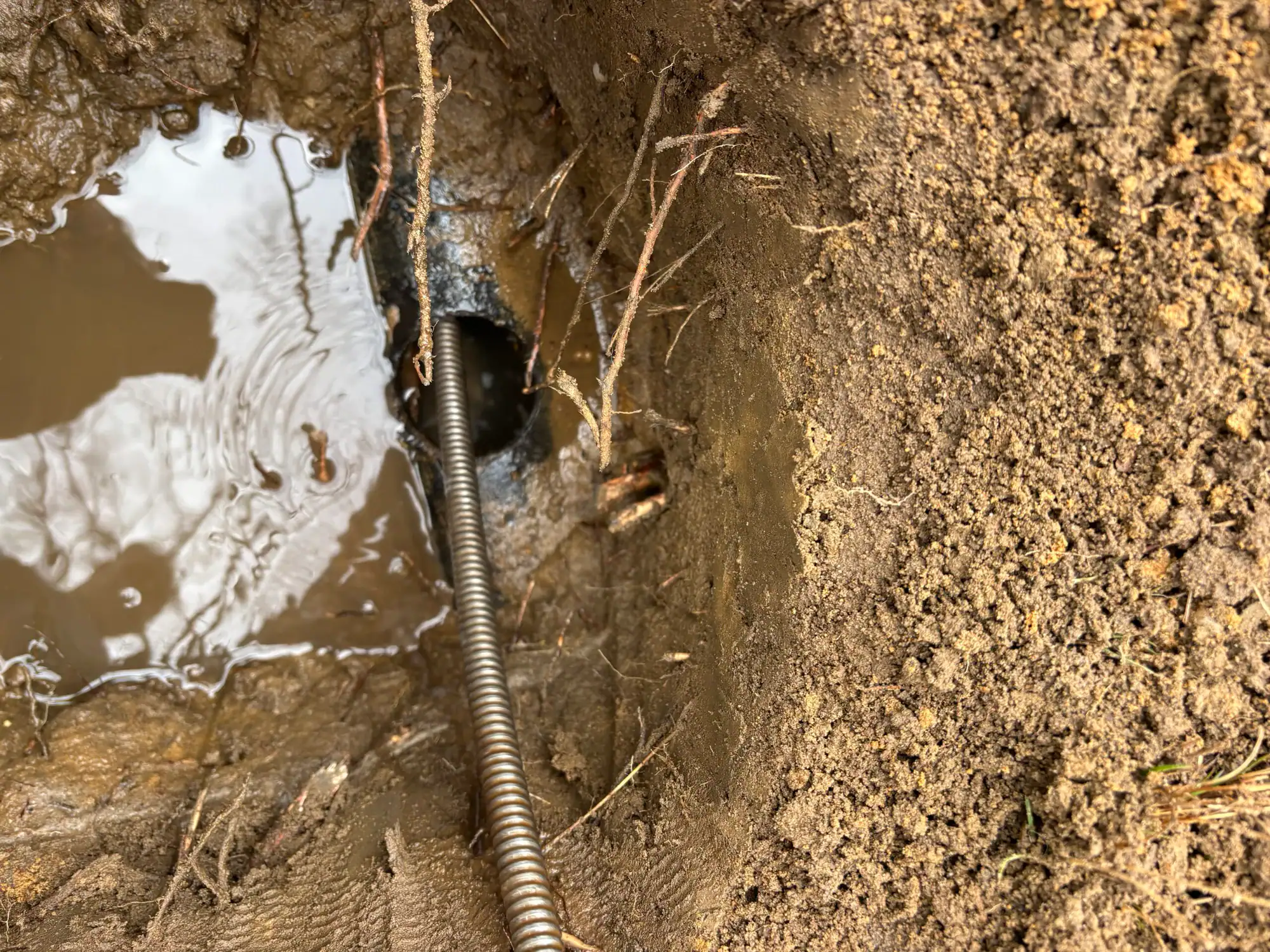
If you’ve noticed slow drains, a smell in the yard, or a wet patch where there shouldn’t be one, you’re probably already bracing for the worst. And if someone has already told you that you need a whole new system, you might be wondering whether to believe them.
You’re right to ask questions. Cesspool installation in Suffolk County isn’t what it used to be — the rules have changed, the costs are real, and there’s money available that most homeowners don’t know about. This guide covers all of it, plainly, so you can make a smart decision before you sign anything or spend a dollar.
Here’s something a lot of Sayville homeowners don’t find out until they get a quote: since July 1, 2019, Suffolk County banned the practice of replacing a failing cesspool with another cesspool. That means if your system needs to go, it has to be replaced with something better — at minimum a conventional septic system, and in many cases a nitrogen-reducing I/A OWTS (Innovative and Alternative Onsite Wastewater Treatment System).
This isn’t arbitrary. Suffolk County sits above a sole-source aquifer — the only drinking water source for more than a million people. With nearly 75% of Suffolk County households relying on private systems rather than municipal sewer lines, the cumulative nitrogen load from aging cesspools has caused real, visible damage to local waterways, including the Great South Bay that Sayville residents live on.
The regulation matters for your wallet as much as the environment. Understanding it upfront is the difference between a plan and a surprise.
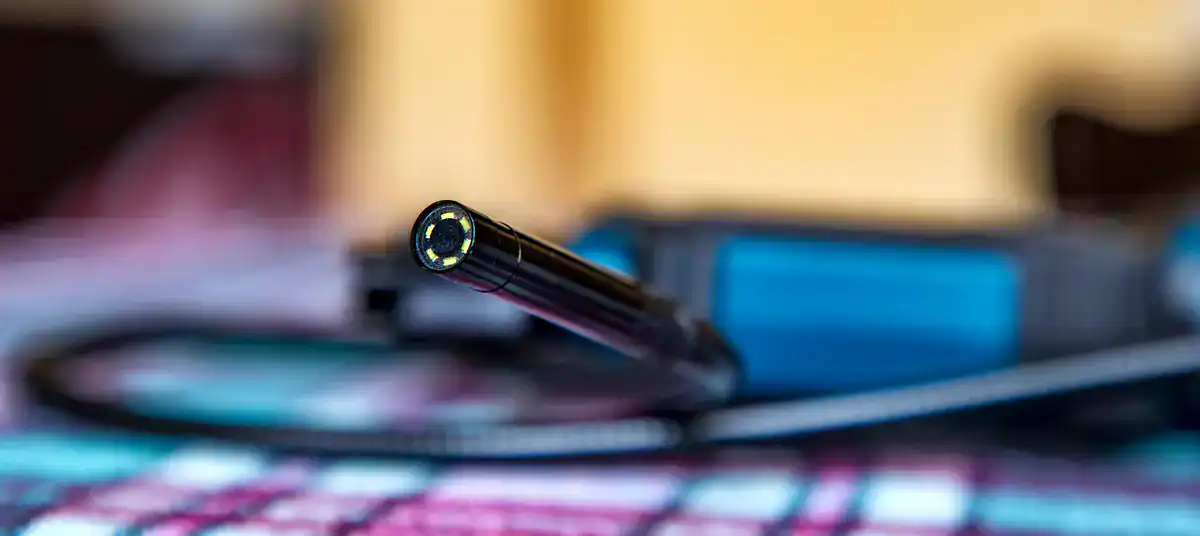
This is the step most homeowners skip — and the one that most often saves them money. Before any installation decision gets made, a camera inspection of your existing system can tell you exactly what you’re dealing with. Not a guess. Not a visual check from the surface. An actual look inside the pipes and tank.
We’ve had customers come to us after another company told them they needed a full replacement. We ran the camera, found a cracked distribution box or a blockage that could be cleared, and the job cost a fraction of what they were quoted. That happens often enough that we make camera inspection a standard first step when there’s any question about whether a full replacement is truly necessary.
If the camera confirms the system is genuinely failing — collapsed walls, saturated leach fields, structural damage — then you have the information you need to move forward with confidence. You’re not taking anyone’s word for it. You’re seeing it yourself.
For Sayville homes specifically, this matters more than people realize. A lot of the housing stock here was built in the 1950s through 1980s. Many of those original systems have never been replaced. Some are still functioning adequately; others are quietly failing. A camera inspection tells you which category you’re in, so you’re not paying for a system you don’t yet need — or ignoring one that’s about to back up into your home.
The inspection itself is straightforward. We run a small camera through your cleanout or access point, record what we find, and walk you through it. If the system is repairable, we’ll tell you that. If it’s not, we’ll explain exactly why and what the next step looks like.
Permitting is where a lot of homeowners feel like they’re losing control of the process. The requirements are real, the paperwork is specific, and the timeline isn’t always predictable. Here’s what’s actually involved.
Before any installation can begin, you need approval from the Suffolk County Department of Health Services. That application includes a soil evaluation using the ASTM Unified Soil Classification System, a site layout showing setback distances from wells, property lines, and structures, and a full system design plan. The minimum setback from a well is 100 feet — that’s not negotiable, and it affects where on your property the system can go.
Suffolk County’s sandy soil, which is common throughout the South Shore and Sayville area, affects how the system is sized and placed. Sandy soil allows water to move quickly, which is generally favorable for leaching — but it also means nitrogen can travel fast toward the water table if the system isn’t properly designed. A contractor who knows local soil conditions isn’t just checking a box; they’re making decisions that affect how your system performs for decades.
Permit costs typically run between $200 and $650 depending on system size and local requirements. Processing generally takes two to four weeks once the application is submitted with complete documentation. Because Sayville falls within the Town of Islip, there’s also a municipal building department layer on top of the county health department requirements — which is one more reason it helps to work with someone who’s navigated this specific jurisdiction before.
We handle the permit application from start to finish. We submit the documentation, coordinate with county officials, and manage the timeline so you’re not chasing paperwork or waiting on calls. Once approval comes through, we schedule the installation and coordinate the county inspection before any backfilling happens. That last part matters: a system that gets backfilled before the inspector signs off can require re-excavation. We don’t cut that corner.
Want live answers?
Connect with a AAA Dependable Cesspool expert for fast, friendly support.
If your system qualifies for an I/A OWTS upgrade — the nitrogen-reducing systems now required for many replacements — what a complete installation costs before any assistance depends on the site, and it includes engineering and permits. That’s a real number, and it’s the one that stops a lot of homeowners in their tracks.
What most people don’t know is that between Suffolk County’s Septic Improvement Program and available New York State grants, qualifying homeowners can receive up to $45,000 in combined funding. That’s not a loan. It’s grant money that can cover the entire project cost — and it’s tax-free, per IRS Announcement 2022-26.
For those who have a remaining balance after grants, financing is available at a 3% fixed rate over 15 years.

The Septic Improvement Program, often called the SIP, was created specifically to help Suffolk County homeowners upgrade failing or inadequate wastewater systems without bearing the full financial burden alone. The program targets properties with cesspool-only systems — which describes a significant portion of Sayville’s older residential housing — and prioritizes upgrades to I/A OWTS systems that reduce nitrogen output by up to 70% before it reaches the groundwater.
Eligibility is based on your property type, existing system configuration, and location within Suffolk County. Most single-family homes with a cesspool-only system qualify, though the specifics depend on your lot and system history. The SIP reimbursement rate increased to 75% as of 2025, with the county covering up to $25,000 of the installation cost.
Here’s the part that surprises most homeowners: the grant doesn’t come to you as a reimbursement after you’ve already paid. We receive the payment directly from the county after the installation is complete. You don’t write a check for the whole system and wait to get it back. The money flows from the county to us, and you pay only whatever remains — which, combined with state grants, is often nothing.
The catch is that this only works with contractors on the county’s approved SIP vendor list. Not every licensed cesspool company qualifies. We do. We handle the application paperwork, coordinate with the county on your behalf, and make sure the process moves forward without it falling on you to manage.
If you’re not sure whether you qualify, the honest answer is: most Sayville homeowners with an aging cesspool-only system do. The best way to find out is to call us, describe your property, and we’ll tell you straight.
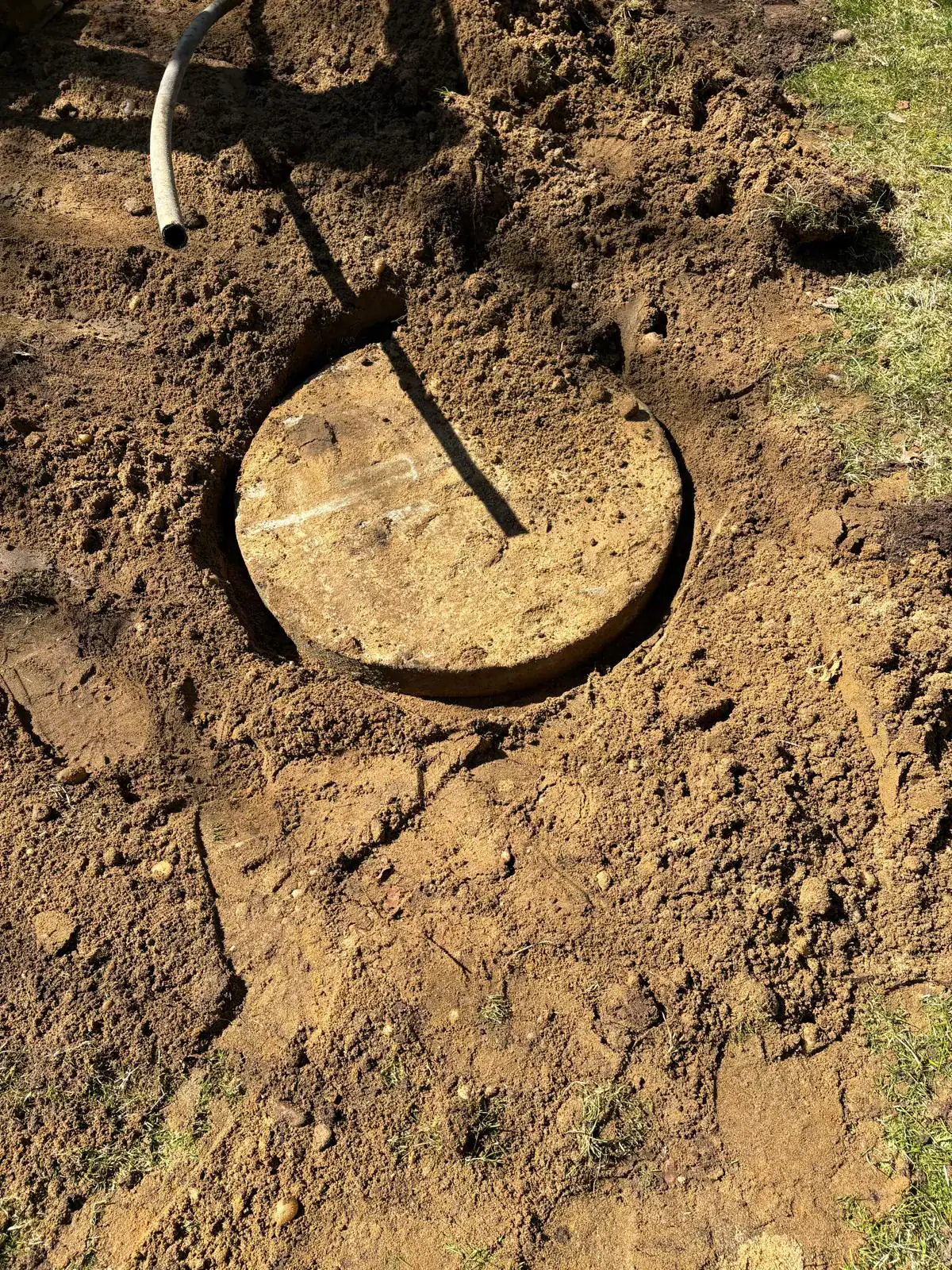
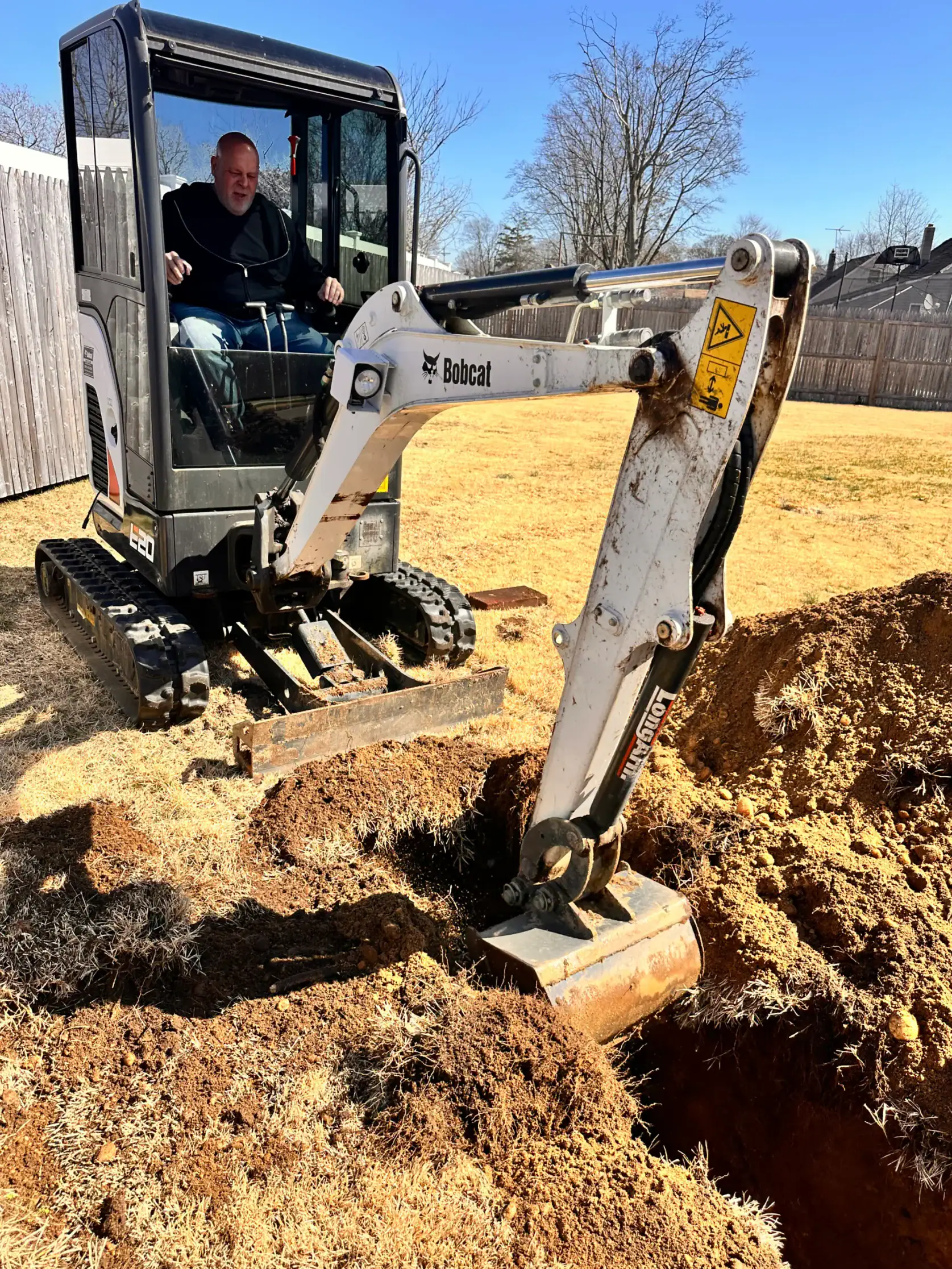
Once permits are approved and the installation date is set, most residential cesspool installations in Suffolk County take two to three days from excavation to final grading. That timeline accounts for the excavation itself, tank placement, distribution box installation, connection to your home’s plumbing, and the county inspection before backfilling.
Larger or more complex lots can take longer, but for a typical Sayville home, two to three days is the realistic window. We use one crew for the entire job. That means the same team that assesses your site is the team that digs, installs, and coordinates the inspection. We don’t hand off pieces of the work to subcontractors, which means accountability gaps don’t appear at handoff points.
During the installation, your home’s plumbing will be temporarily offline for portions of the work. We’ll be upfront with you about the specific windows when that applies so you can plan accordingly. The yard will be disturbed during excavation and restored after the system is in place and inspected.
After installation, the work isn’t completely done — it’s just shifted from construction to maintenance. Even a brand-new cesspool or septic system needs to be pumped every two to three years, depending on household size and water usage. Skipping that schedule is one of the most common reasons systems fail prematurely.
We offer maintenance programs designed to keep your system performing the way it should, and we can schedule your first service interval before we leave the job site. If you’re planning any home renovations after the installation, it’s worth knowing that Suffolk County’s permit process for renovations now includes a review of your wastewater system. Having documentation of a properly installed, inspected, and permitted system on file makes that process significantly smoother. We provide written records after every job — something worth keeping with your property documents.
There are a few things worth confirming before you hire anyone for cesspool installation in Suffolk County. The contractor should hold a Suffolk County Consumer Affairs Liquid Waste License — that’s the county-specific credential, not just a generic “licensed and insured” claim. They should also hold a New York State Part 364 Waste Transporter Permit. And if you’re pursuing SIP grant funding, they need to be on the county’s approved vendor list.
Beyond credentials, pay attention to how they answer your questions. Do they recommend a camera inspection before jumping to a replacement quote? Do they explain the permit process clearly, or wave it off? Do they tell you when you don’t need the more expensive option? Those things tell you more than any award or review count.
We’ve been doing this work in Suffolk County since 1998. If you’re a Sayville homeowner trying to figure out your next step — whether that’s a camera inspection, a permit question, or a full cesspool installation — AAA Dependable Cesspool Sewer & Drain is happy to talk it through with you, no pressure attached.
Summary:
Article details:
Share: