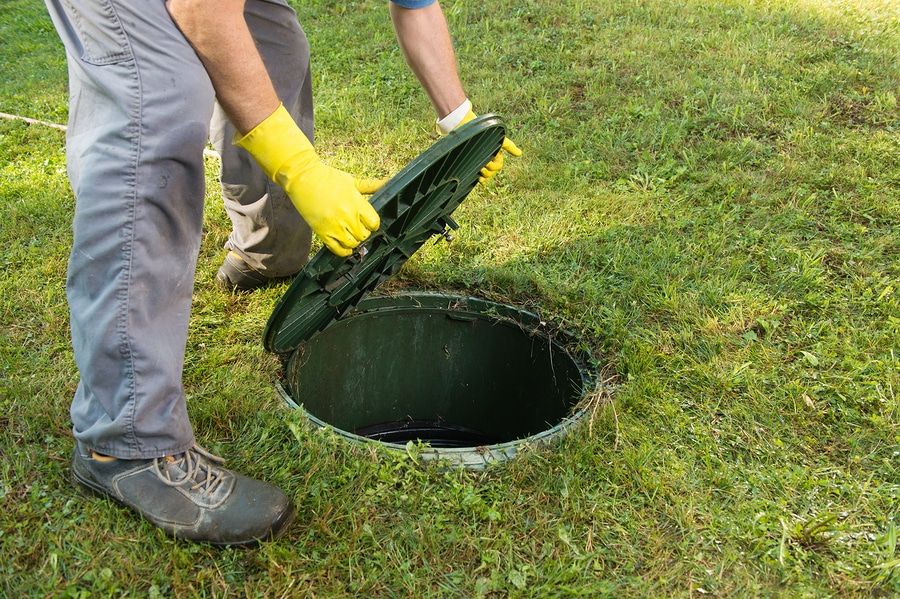
Think all septic pumpers are the same? Unlicensed contractors can dump waste illegally, leaving you liable for fines and cleanup requirements.

Licensed septic contractors in Suffolk County have met specific requirements set by the county and state. They’ve demonstrated knowledge of proper waste handling, disposal regulations, and system maintenance. They carry the equipment and training to do the job correctly.
Insurance coverage includes general liability and workers’ compensation. General liability protects your property if something goes wrong during service. Workers’ compensation covers the contractor’s employees if they’re injured while working on your system.
When you hire someone without these credentials, you essentially become the insurance provider. If an unlicensed worker gets hurt while on your property, you could be responsible for their medical care and lost wages. Your homeowner’s insurance likely won’t cover it because the work was performed by someone without proper credentials.

Unlicensed septic contractors often operate without insurance to keep their rates lower than legitimate businesses. That lower quote comes with hidden risks that can lead to significant financial strain.
If an unlicensed worker damages your property during service—breaks a pipe, cracks your driveway, damages your lawn—you have limited recourse. There’s no insurance company to file a claim with. You can try to sue the individual, but many operate cash-only specifically to avoid accountability. Even if you win a judgment, collecting payment is another challenge entirely.
Your homeowner’s insurance may explicitly exclude coverage for work performed by unlicensed individuals. If you file a claim related to septic work, the insurance provider will check the contractor’s status. If they were not properly licensed, the claim may be denied entirely.
Your homeowner’s insurance may explicitly exclude coverage for work performed by unlicensed contractors. Insurance companies know that unlicensed work carries higher risk of problems. If you file a claim related to septic work, the insurance company will ask whether the contractor was properly licensed. If the answer is no, they may deny your claim entirely.
The total risk adds up quickly. A worker injury, property damage from improper equipment, or environmental contamination from illegal disposal could bring county fines and mandatory cleanup. Those minor savings on the initial quote are rarely worth the gamble.
Some unlicensed septic contractors keep their rates low by dumping waste illegally instead of paying disposal fees at designated facilities. They might discharge it into storm drains or unauthorized dumping sites.
Suffolk County and New York State require septic waste to be disposed of at designated treatment facilities. Licensed contractors factor these requirements into their operations. Unlicensed operators skip this step entirely.
The problem is that illegal dumping creates serious liability for property owners. If investigators trace illegally dumped waste back to your property, you could face enforcement action. The law holds property owners responsible for proper waste disposal, even when they hire someone else to handle it.
Federal and state water pollution laws carry significant penalties. Illegal discharge of pollutants can result in daily fines and criminal investigations. When waste from your property is involved, you become part of the investigation.
Suffolk County’s groundwater is a sole-source aquifer, meaning the area depends on groundwater for drinking. Contamination from illegal dumping threatens public health. Licensed contractors provide documentation of proper disposal, protecting you if questions ever arise. Unlicensed contractors working for cash rarely provide a paper trail, leaving you with no proof of proper disposal.
Want live answers?
Connect with a AAA Dependable Cesspool expert for fast, friendly support.
Suffolk County has specific regulations governing septic service to protect public health, environmental quality, and property owners. As of July 2019, the county requires registration for all cesspool and septic system replacements. Contractors must report pumping activities to the Department of Health Services.
Licensed contractors understand these regulations and maintain compliance. They know which permits are required and how to meet county standards. This expertise protects you from code violations that could surface years later when you try to sell your property.

Improper septic service creates problems that compound over time. When contractors don’t pump your tank completely or damage parts during service, your system starts failing gradually.
Your septic tank contains three layers: floating scum at the top, liquid effluent in the middle, and sludge at the bottom. When these levels reach a certain point, the tank needs pumping. Unlicensed contractors may not check these levels properly or clean the tank thoroughly. This leaves solids that continue building up, shortening the time until your next service and increasing the risk of system failure.
The outlet baffle and effluent filter are critical components that need inspection during pumping. Licensed professionals check these and identify problems before they cause failures. When solids escape into your drain field, they clog the pipes and saturate the soil. This can lead to slow drains, sewage odors, and eventually sewage backing up into your home. Fixing a failed drain field or replacing a complete system is a major undertaking.
The investment in routine septic pumping from licensed, insured contractors varies based on tank size and accessibility. While unlicensed contractors might quote lower rates, that difference is minor compared to the risks.
Regular maintenance from licensed professionals ensures the longevity of your system. Compare that to the requirement for a full system replacement, and the value becomes clear. Emergency septic service is also significantly more demanding than scheduled maintenance. Licensed contractors who maintain your system on schedule help prevent these emergency situations.
Property value matters too. A well-maintained, properly documented septic system protects your home’s value. Many buyers require septic inspections before closing. If problems surface, you may have to address them before the sale can proceed.
Suffolk County offers grants for homeowners upgrading to nitrogen-reducing systems. These programs require working with licensed contractors on the county’s approved vendor list. Unlicensed contractors cannot access this funding, meaning you miss out on available assistance.
Property value matters too. A well-maintained, properly documented septic system maintains your home’s value. A system with code violations, missing permits, or evidence of improper service reduces what buyers will pay. Many buyers require septic inspections before closing. If problems surface, you’ll either pay for repairs or accept a lower sale price.
The warranty and recourse also matter. Licensed contractors stand behind their work. If something goes wrong, you have a business to contact and insurance to file claims against. Unlicensed contractors often disappear when problems arise, leaving you with no protection.
The warranty and recourse matter. Licensed contractors stand behind their work. If something goes wrong, you have a business to contact, insurance to file claims against, and county consumer affairs offices that investigate complaints. Unlicensed contractors disappear when problems arise. You have no recourse and no protection.
Licensed and insured septic pumping isn’t just about following rules. It’s about protecting yourself from liability, ensuring waste is disposed properly, and maintaining your system so it lasts decades instead of failing prematurely.
The difference in rates between licensed and unlicensed service is minor compared to the potential for contractor injuries, illegal dumping fines, and system failures. Working with licensed contractors ensures compliance and gives you documentation that protects your investment. When you need septic service you can trust, we’re here to provide honest, reliable service backed by proper licensing and insurance at AAA Dependable Cesspool Sewer & Drain.
Summary:

Article details:
Share: