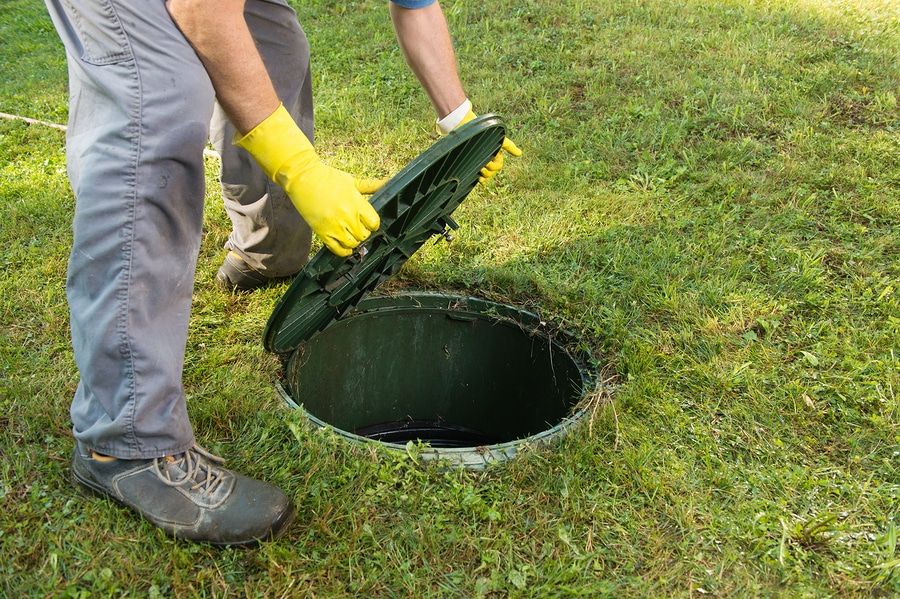
Winter brings unique challenges for Suffolk County cesspools. Learn how maintenance programs protect your system from freeze damage and prevent expensive emergencies before cold weather strikes.

Long Island winters are unpredictable. One day it’s 45 and raining. Two days later it’s 12 degrees with frozen ground. Your cesspool doesn’t get time to adjust.
When temperatures drop fast, the water in your pipes, baffles, and distribution lines can freeze before you even notice a problem. That expansion cracks concrete, splits pipes, and damages pumps. By the time you see slow drains or smell something off, the damage is already done.
The soil around your cesspool matters too. Sandy areas drain fast but don’t insulate well. Clay-heavy spots hold moisture that freezes around your system components. And the water table? It fluctuates all winter as snow melts and rain soaks in, forcing your cesspool to work harder when it’s already stressed by cold.

Frozen ground doesn’t just make digging harder if you need emergency repairs. It fundamentally changes how your cesspool functions.
When the ground freezes, the soil that normally absorbs and filters your wastewater becomes impermeable. Liquid waste has nowhere to go. It backs up into your tank faster, fills your system quicker, and creates pressure that can crack aging concrete or collapse older cesspool structures entirely.
Most Suffolk County homes were built decades ago when cesspool installation standards were different. If your home went up in the 50s, 60s, or 70s, your pipes might sit closer to the surface than modern systems. That makes them vulnerable to frost damage that newer installations avoid.
And here’s what most people don’t realize: once the ground freezes, getting emergency service becomes exponentially more complex. We need specialized equipment to access your system. The work takes longer. And if you’re calling on a weekend in January because your toilet’s backing up, you’re dealing with the stress of emergency service that could have been avoided with scheduled maintenance in November.
Your cesspool will tell you when it’s struggling. You just have to know what to listen for.
Want live answers? Connect with a AAA Dependable Cesspool expert for fast, friendly support. Get A Free Consultation Call: 631-738-7100
Want live answers?
Connect with a AAA Dependable Cesspool expert for fast, friendly support.
Scheduled maintenance isn’t about selling you services you don’t need. It’s about timing service when it actually protects your investment.
A maintenance program means your system gets inspected and serviced before winter weather creates problems. We check all components—baffles, inlet pipes, drainage patterns—and catch issues while they’re still small and manageable to fix. You avoid the scenario where a minor crack becomes a major failure because frozen ground prevented early detection.
You also get priority scheduling. When everyone else is calling for emergency service in January, maintenance program members get scheduled first. That matters when your system backs up and you need help fast.
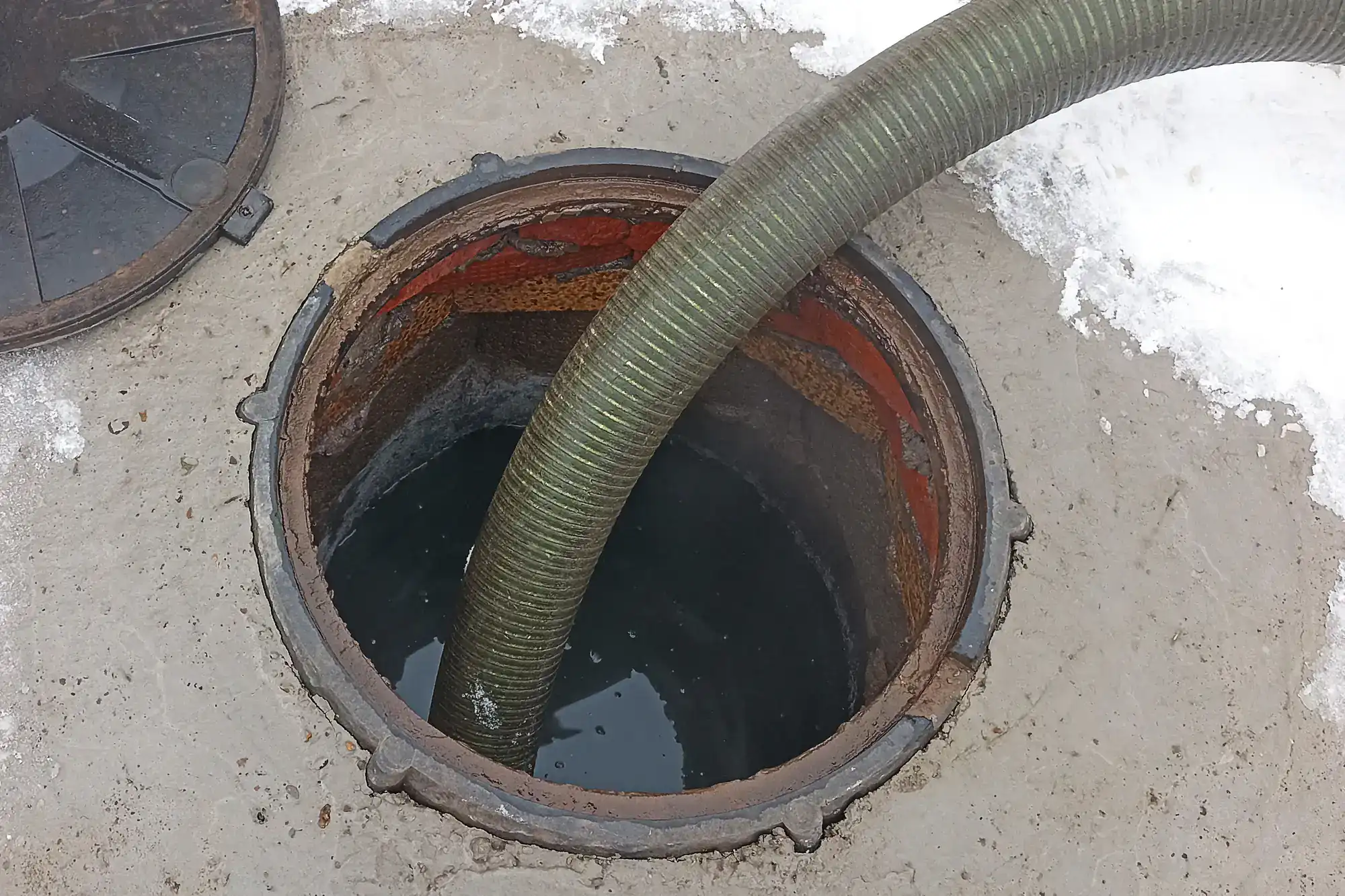
A proper maintenance program covers complete cesspool pumping, thorough system inspection, and documentation of your tank’s condition.
You get an eight-point inspection that identifies worn components, drainage issues, and potential problems that could cause future emergencies. These inspections happen during scheduled service when repairs are less disruptive than emergency calls.
The program also includes documentation that Suffolk County requires for property transfers and renovation permits. If you ever sell your home, you’ll need records showing regular waste removal by licensed contractors. Properties with neglected cesspools fail inspections and require major repairs before sales can proceed. Maintenance programs keep those records current automatically.
Priority scheduling extends to any unexpected issues too. If something does go wrong between scheduled services, program members get faster response times. Your investment in regular maintenance facilitates significant peace of mind compared to reactive repairs.
Here’s what happens when you skip maintenance and hope your cesspool makes it through another winter.
First, winter pumping is a more intensive operation than service during milder months. Frozen ground and bad weather make everything harder. If you wait until January to deal with a problem you noticed in October, you’re dealing with the logistical difficulty of advance planning.
Second, property damage from cesspool failures becomes an issue fast. Sewage backing up into your home destroys flooring, damages walls, and creates health hazards that require professional remediation. Your homeowner’s insurance might not cover damage from neglected maintenance, leaving you responsible for the outcome.
But the biggest burden is the stress and disruption of dealing with a cesspool emergency during winter. You can’t use your plumbing, and you’re scrambling to find available service during the busiest season for emergency calls.
Winter maintenance programs exist because Long Island winters are hard on cesspools. Frozen ground, temperature swings, and water table fluctuations create stress that turns small issues into extensive emergencies.
Scheduled maintenance catches problems early, protects vulnerable components, and keeps your system running when you need it most. You get priority service and documentation that protects your property value. Most importantly, you avoid the nightmare of dealing with a cesspool failure in the middle of winter.
If your cesspool hasn’t been inspected recently, or if you’re noticing any warning signs, now is the time to schedule service—before the ground freezes and your options become limited. We’ve been serving Suffolk County families since 1998 with honest, reliable maintenance programs that actually protect your home.
Summary:

Article details:
Share: