Suffolk County homeowners face unique cesspool challenges. Preventative maintenance programs offer priority service during peak seasons, significant cost savings, and a documented service history that protects property value.

A cesspool service contract is a scheduled agreement where a local company handles your system’s maintenance on a regular timeline. Not when it backs up. Not when you smell something. Before problems start.
Think of it like getting your car serviced before the check engine light comes on. You’re catching issues early, keeping everything running smoothly, and avoiding the much larger headaches that come from neglect. For Suffolk County, NY, homes, this usually means pumping every two to three years, depending on your household size and system type, plus inspections that spot small problems before they become major emergencies.
The difference between this and calling someone when you have a backup is timing. With a septic maintenance plan, you control when service happens. Without one, your cesspool controls your schedule, and it always picks the worst possible moment.
Suffolk County, NY, isn’t like other places. The soil here behaves differently depending on where you live. Sandy soil on the South Shore drains fast, sometimes too fast. Clay-heavy areas up north hold water longer. Your system deals with challenges that a generic maintenance schedule from a national company won’t address.
Local septic service agreements account for these differences. A good program adjusts your service intervals based on your specific location, soil type, system age, and how many people live in your home. Not everyone needs the same schedule, and companies that treat every home identically aren’t doing you any favors.
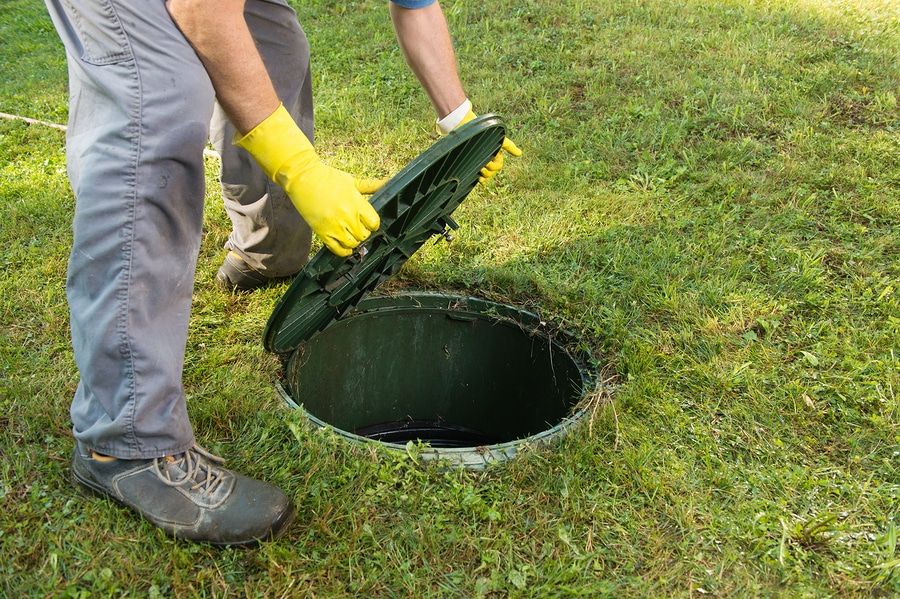
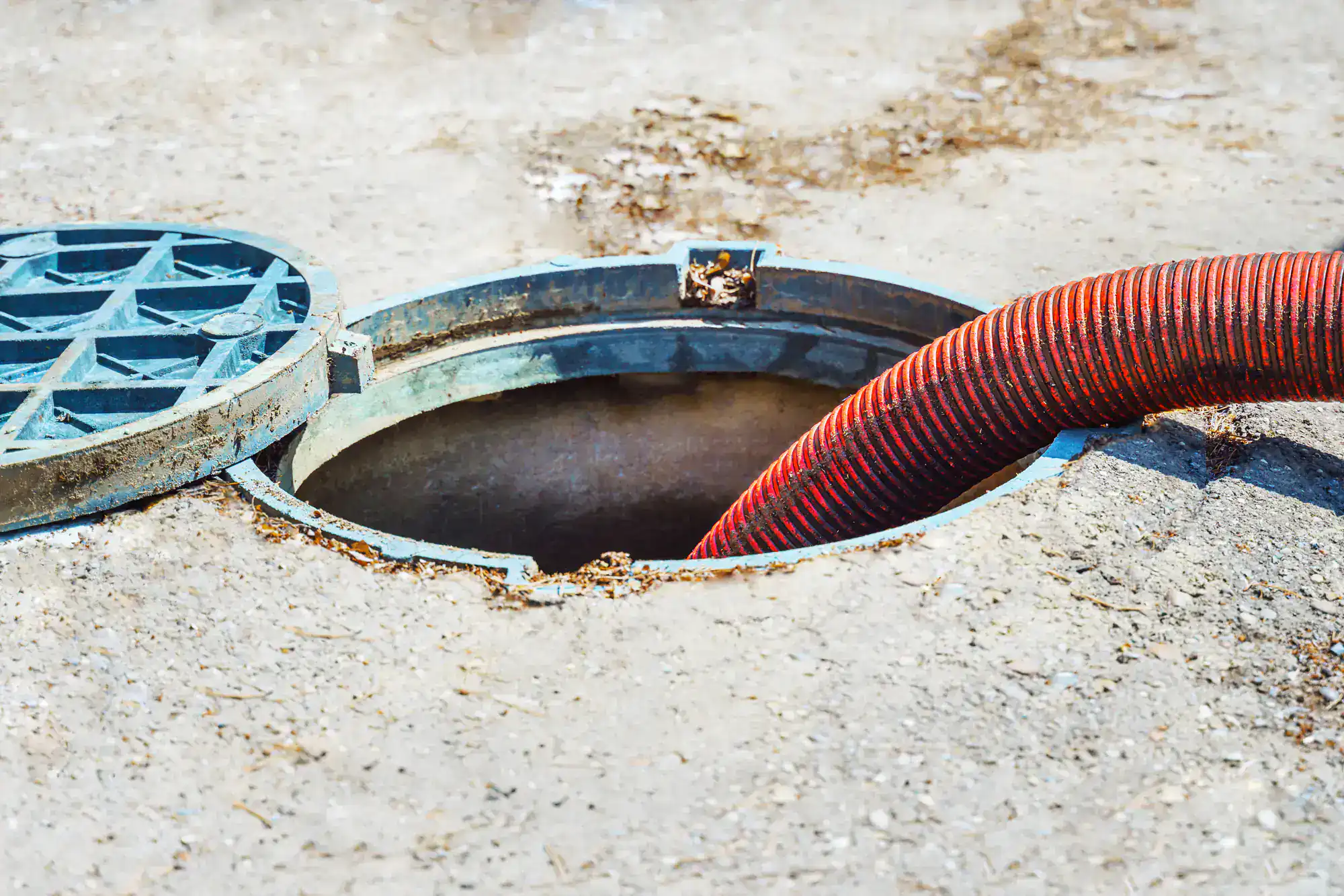
Here’s what typically happens during a scheduled maintenance visit. We pump your cesspool to remove accumulated sludge and solid waste. Then we inspect the system—checking pumps, testing drainage, looking at pipes, and using camera equipment when needed to see what’s happening underground. You get a detailed report explaining what we found, what we did, and when you should schedule the next visit.
That documentation matters more than most people realize. When you sell your home, buyers and inspectors want proof that your cesspool has been maintained. A stack of service records from a licensed local company shows you’ve taken care of the property. No records? That’s a red flag that can complicate negotiations or delay your sale while you scramble to get an inspection done.
Suffolk County also requires pumping records for property transfers and renovation permits. If you don’t have documentation showing regular maintenance by a licensed contractor, you might face delays or complications when you’re trying to close a sale or pull a permit. A maintenance program keeps those records organized and current without you having to think about it.
Summer and holidays are when cesspools fail. More people in the house, more showers, more laundry, more cooking, and more everything going down the drain. Your system that handled two people just fine suddenly can’t keep up with six houseguests. And when it backs up, so does everyone else’s.
That’s the problem with emergency-only service. When you need help, you’re competing with dozens of other homeowners who also need help right now. Companies triage based on severity and existing relationships. If you’re not already a customer, you’re waiting. If you have a maintenance contract, you’re getting priority scheduling.
This isn’t about jumping the line unfairly. It’s about us taking care of the customers who’ve been taking care of their systems. When you’re utilizing preventative cesspool pumping, we know your system, have your records, and can respond faster because we’re not starting from scratch trying to figure out where your cesspool is located or what type of system you have.
Holiday weekends are particularly brutal. Everyone’s hosting family, running dishwashers constantly, and doing extra loads of laundry. Systems that seemed fine suddenly aren’t. If you’re calling for emergency service on July 4th weekend or Thanksgiving, you’re looking at higher demand and potentially waiting days for someone to show up. With a yearly cesspool checkup schedule, you’re already set for service before the busy season hits, or you’re getting priority response if something unexpected happens.
Spring thaws create another surge in problems. Systems that seemed fine all winter get overwhelmed when the ground thaws and spring rains hit. Drain fields that were handling wastewater suddenly can’t keep up. Again, everyone calls for service at once, and again, maintenance contract customers get priority.
The difference in urgency is significant too. Emergency service during peak times is far more intensive than scheduled maintenance. Regular maintenance avoids that stress entirely.
Want live answers? Connect with a AAA Dependable Cesspool expert for fast, friendly support. Get A Free Quote Call: 631-738-7100
Want live answers?
Connect with a AAA Dependable Cesspool expert for fast, friendly support.
The logic of preventative maintenance isn’t complicated. Regular service keeps the system healthy. Emergency repairs are extensive, especially if you’re looking at system failure or property damage.
Compare routine visits to emergency cesspool pumping during a backup, which may also require water damage restoration if sewage backs up into your basement. System replacement is where the situation really escalates. If neglect leads to complete system failure, you’re looking at a full conventional system replacement. Some situations require even more work, especially if you need to upgrade to nitrogen-reducing technology to meet current Suffolk County regulations.

Cesspools and septic systems don’t last forever, but maintenance determines if yours lasts 20 years or 40 years. The difference is enormous when you’re talking about a major replacement.
Regular pumping prevents solid waste from migrating into your drain field. Once solids clog the drain field, you’re not looking at a simple pump-out anymore. You’re looking at drain field repairs or replacement, which is significantly more involved and disruptive than maintaining the tank properly in the first place.
Early detection catches small problems before they become big ones. A small crack in your tank might be a simple fix if caught during routine maintenance. Ignore it until sewage is leaking into your yard, and you’re replacing the entire tank. A pump that’s starting to show wear can be replaced during scheduled service. Wait until it fails completely and causes a backup, and you’re looking at emergency service, property damage, and the pump replacement.
Maintenance also protects the bacterial balance in your system. Cesspools rely on bacteria to break down solid waste. When the system gets overloaded with solids or contaminated with harsh chemicals, that bacterial process breaks down. Regular service keeps sludge levels manageable and identifies issues that might be disrupting the biological treatment process.
Suffolk County, NY’s soil conditions make maintenance even more critical. Sandy soil doesn’t filter as effectively as other soil types, which means your system needs to be working properly to avoid groundwater contamination issues. Clay soil doesn’t drain well, which puts extra stress on your system. Both situations benefit from regular monitoring and adjustment of service intervals based on how your specific system is performing.
The systems that last longest are the ones that get consistent attention. Not emergency repairs when something breaks. Not neglect until there’s a crisis. Regular, scheduled maintenance that keeps everything functioning the way it’s supposed to.
When you sell your home in Suffolk County, NY, your cesspool’s maintenance history becomes part of the transaction. Buyers want to know the system has been maintained. Inspectors look for service records. Lenders sometimes require proof of recent pumping before approving a mortgage.
A well-maintained cesspool with documented service history protects resale value. A neglected system with no records can be a major hurdle in negotiations or delay your sale entirely. Buyers see missing maintenance records as a red flag. They assume the worst and either ask for a reduction to cover potential repairs or they walk away and find a different property.
The documentation itself matters. Verbal claims that “we’ve always taken care of it” don’t carry weight. Written records from a licensed cesspool company showing regular pumping, inspections, and any repairs create confidence. Buyers and their inspectors can see exactly when service was performed, what was done, and what condition the system is in.
When you sell your home in Suffolk County, NY, your cesspool’s maintenance history becomes part of the transaction. Buyers want to know the system has been maintained. Inspectors look for service records. Lenders sometimes require proof of recent pumping before approving a mortgage.
A well-maintained cesspool with documented service history protects resale value. A neglected system with no records can be a major hurdle in negotiations or delay your sale entirely. Buyers see missing maintenance records as a red flag. They assume the worst and either ask for a reduction to cover potential repairs or they walk away and find a different property.
The documentation itself matters. Verbal claims that “we’ve always taken care of it” don’t carry weight. Written records from a licensed cesspool company showing regular pumping, inspections, and any repairs create confidence. Buyers and their inspectors can see exactly when service was performed, what was done, and what condition the system is in.
Some Suffolk County home sales require cesspool certifications or inspections before closing. If you don’t have current maintenance records, you’re paying for an inspection during the most stressful part of the transaction. If that inspection reveals problems because the system hasn’t been maintained, you’re either making repairs under time pressure or renegotiating the sale from a weak position.
Maintenance contracts solve this problem before it becomes one. You have organized records showing years of proper care. When it’s time to sell, you hand those records to your real estate agent, they include them in the listing information, and buyers see a well-maintained property. The cesspool becomes a non-issue instead of a negotiating point.
Property value impact goes beyond just avoiding problems. Documented maintenance can actually increase buyer confidence enough to support your valuation. When buyers are comparing similar homes, the one with clear maintenance records has an advantage over the one where the cesspool’s history is unknown. That advantage translates to faster sales and better offers.
Preventative maintenance isn’t about unnecessary tasks. It’s about avoiding much larger headaches, getting service when you actually need it, and protecting your home’s value with documentation that matters during resale.
The homeowners who benefit most from maintenance programs are the ones who understand that cesspools don’t fail conveniently. They fail during holidays, summer gatherings, and the busiest times of year when everyone else is having the same problem. Priority service during those peak seasons alone justifies the commitment to a maintenance contract.
Add in the benefits of catching problems early, extending your system’s lifespan, and avoiding emergency repair needs, and the return on investment becomes clear. Including the resale value protection from documented service history, these programs make practical sense for most Suffolk County homeowners.
If you’re ready to stop worrying about whether your cesspool will pick the worst possible time to fail, a preventative maintenance program with AAA Dependable Cesspool Sewer & Drain gives you scheduled service, priority response, and the documentation you need to protect your investment.
Summary:

Article details:
Share: