Hear From Our Clients
You’re not just getting a hole in the ground with a tank. You’re getting a system that won’t fail in two years, won’t flood your yard during the next heavy rain, and won’t leave you scrambling for emergency repairs when guests are coming over.
Proper cesspool installation in East Patchogue means your drains work like they should. Your toilets flush without hesitation. Your showers don’t leave you standing in water.
When the job’s done right, you don’t think about your cesspool. That’s the point. It handles what it’s supposed to handle, day after day, without backing up into your home or creating puddles on your lawn. You get a system built to Suffolk County’s current standards, not what was acceptable twenty years ago, which means it’s designed to last and perform under the conditions your property actually faces.
We’ve been handling cesspool installation in East Patchogue and across Suffolk County for over 25 years. That means we’ve seen the regulations change, watched the technology improve, and learned exactly what works in the soil conditions around the Great South Bay.
You’re working with a family-owned company that lives here, not a franchise operation rotating crews through Long Island. We know which permits your property needs, how long the health department actually takes to schedule inspections, and what Suffolk County inspectors look for when they show up.
Our team stays current with Article 6 regulations because we have to. Your installation gets handled by licensed professionals who understand that cutting corners now means emergency calls later.

Every cesspool installation in East Patchogue starts with a site assessment. We test your soil, verify distances to wells and buildings, check groundwater depth, and determine what type of system your property can support. This isn’t guesswork—it’s required information for your permit application.
Once we know what your property needs, we handle the permit process with the local health department. That includes submitting the application, coordinating required inspections at excavation, tank placement, and backfill stages, and making sure everything’s scheduled so your project doesn’t sit waiting for approvals.
The actual installation follows Suffolk County’s current requirements. If you’re replacing an old cesspool, that means adding a septic tank at minimum—it’s been required since 2019. We excavate to the proper depth, position components correctly for your soil type, and make sure the system’s built to handle your household’s actual usage.
After installation, the health department inspects before we backfill. Once they sign off, we complete the backfill, restore your yard, and walk you through what you need to know about your new system.

Ready to get started?
Your cesspool installation in East Patchogue includes everything from site assessment through final inspection. We’re not handing you a list of things you need to coordinate separately—we handle the permits, the inspections, the excavation, the installation, and the restoration.
You get a system sized correctly for your property. That matters more than most people realize. Install a system that’s too small, and you’re looking at premature failure. Size it correctly, and it handles your household’s daily use without strain.
East Patchogue properties near the Great South Bay face specific environmental considerations. Suffolk County’s nitrogen-reduction requirements exist because cesspools and septic systems account for roughly 70% of nitrogen entering the bay. Your installation includes components that meet current environmental standards, not just what was acceptable before the regulations changed.
We’re working with soil conditions that vary significantly across the area. Sandy soils drain quickly but require different system design than clay-heavy soils that slow absorption. Your installation accounts for what’s actually in the ground on your property, which is why the site assessment happens first.
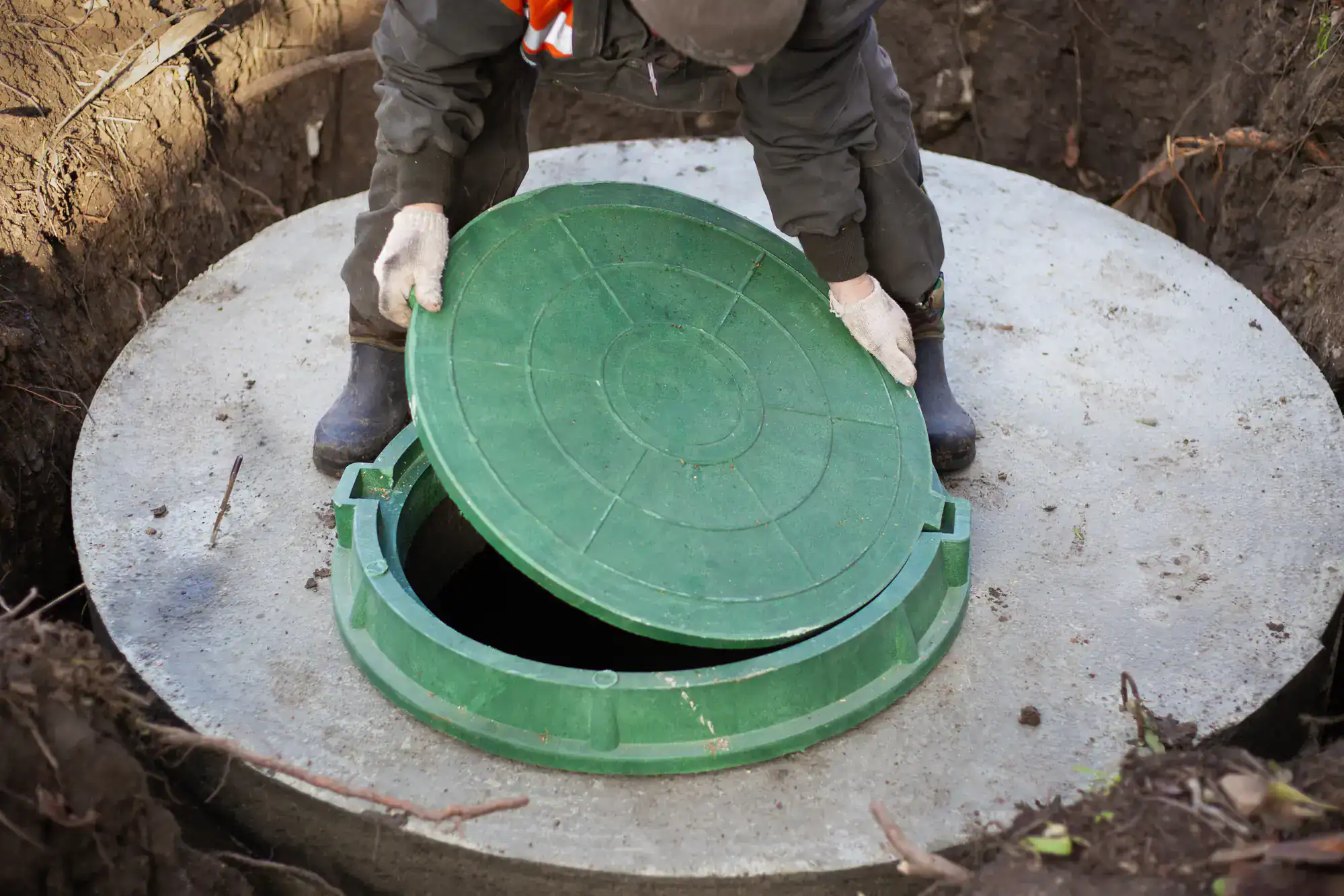
The actual installation work typically takes one to three days, depending on your property’s conditions and the system type you’re installing. That’s just the physical work—digging, setting tanks, connecting components, and backfilling.
What extends the timeline is the permit process. Suffolk County health department permits take two to four weeks to process, and you can’t start digging until you have that permit in hand. Then you need inspections at three stages: after excavation, after tank placement, and before final backfill. Each inspection requires 24-hour advance notice to the health department.
If everything moves smoothly—permits process without issues, inspections get scheduled quickly, and weather cooperates—you’re looking at four to six weeks from start to finish. If there are complications with your permit application or inspection scheduling gets delayed, it takes longer. We handle the coordination to keep things moving, but some parts of the process are outside anyone’s control.
You need a permit from the Suffolk County Department of Health Services before any cesspool installation or replacement work begins. This isn’t optional, and starting work without the permit creates serious problems—the county can make you dig everything back up and start over.
The permit application requires a site plan showing your property layout, distances to wells and buildings, soil test results, and system design specifications. The health department reviews everything to make sure your planned installation meets current regulations and won’t create environmental or safety issues.
Once approved, your permit specifies what inspections are required and when they need to happen. For most residential cesspool installations in East Patchogue, you’ll need inspections at excavation, tank placement, and before backfill. The inspector verifies that what’s actually being installed matches what was approved and meets code requirements. We coordinate these inspections as part of the installation process, so you’re not trying to figure out who to call or when to schedule them.
Technically, Suffolk County allows property owners to install their own cesspool systems. Practically, it’s rarely a good idea unless you have professional experience with septic system installation and understand current regulations.
The permit process alone is complicated. You need to submit proper site plans, soil test results, and system designs that meet Article 6 requirements. If your application has errors or doesn’t meet current standards, it gets rejected and you start over. Then you need to coordinate inspections at multiple stages, and if the inspector finds issues, you’re fixing them yourself or hiring someone to correct your work.
The actual installation requires excavation equipment, proper tank handling, knowledge of soil conditions and drainage requirements, and understanding of how to position components correctly for long-term performance. Install your system wrong, and you’re looking at premature failure, environmental violations, or worse—sewage backing up into your home. Most homeowners find that the risk of doing it wrong outweighs any savings from not hiring licensed installers who handle cesspool installation in East Patchogue regularly.
A traditional cesspool is basically a large pit that collects wastewater and allows it to seep into the surrounding soil. There’s no treatment—everything goes straight into the ground. Older cesspools were often just concrete rings or even loose stone, and they don’t do anything to reduce nitrogen or other contaminants before they enter the groundwater.
A septic system includes a tank that separates solids from liquids before releasing wastewater into a drainage field. The tank provides basic treatment by allowing solids to settle and be broken down by bacteria. Modern septic systems can include additional components that reduce nitrogen levels significantly—up to 70% in some cases.
Since 2019, Suffolk County requires anyone replacing a cesspool to install at least a septic tank as part of the new system. You can’t just replace an old cesspool with another cesspool. This change addresses the environmental impact—cesspools and septic systems account for roughly 70% of nitrogen entering the Great South Bay, and the county’s pushing for better treatment to protect water quality. When you’re getting cesspool installation in East Patchogue now, you’re actually getting a septic system that meets current environmental standards.
The most obvious signs are backups and standing water. If your toilets or drains are backing up regularly, if you’re standing in water during showers, or if there are wet spots or puddles on your lawn when it hasn’t rained, your cesspool is likely failing.
Slow drains throughout your house can indicate a problem, especially if multiple drains are affected at once. One slow drain might be a clog in that specific line, but when everything’s draining slowly, it’s often a system issue. Strong sewage odors inside or outside your home are another red flag—properly functioning systems shouldn’t smell.
Sometimes the failure is more dramatic. Cesspools can collapse, creating sinkholes in your yard. Older systems built with deteriorating materials eventually give out, and when they do, you’re looking at an emergency situation. If you’re buying a property in East Patchogue and the inspection reveals an old cesspool, replacement might be necessary even if it’s currently functioning—many lenders won’t approve mortgages for properties with failing or outdated cesspool systems. Age alone doesn’t determine whether replacement is needed, but systems more than 20-30 years old are worth having evaluated by professionals who handle cesspool installation and replacement regularly.
Suffolk County’s Septic Improvement Program provides grants to help homeowners upgrade their systems. The base grant offers up to a certain amount, with additional funding available for specific installation types that provide enhanced nitrogen reduction. These grants are designed to encourage property owners to replace old cesspools with modern systems that better protect water quality.
The program has eligibility requirements based on your property location, current system type, and what you’re installing. Not every cesspool replacement qualifies, and the application process requires documentation of your current system and planned installation. Funding is limited, so there’s often a waiting list.
Even if you don’t qualify for county grants, the environmental and property value benefits of replacing a failing cesspool make it worthwhile. A properly functioning system protects your drinking water, prevents sewage backups, and ensures your property meets current regulations. When you’re ready to move forward with cesspool installation in East Patchogue, we can walk you through what’s involved and help you understand your options for both the installation itself and any available assistance programs.
Other Services we provide in East Patchogue