Hear From Our Clients
Your old cesspool failed, or you’re building new construction. Either way, you need a system that meets Suffolk County’s current regulations, passes inspection, and works reliably for decades.
That’s what proper cesspool installation in East Quogue gets you. A system engineered for your property’s soil conditions, sized correctly for your household, and built to handle Long Island’s unique groundwater challenges. No shortcuts. No guesswork.
You also get peace of mind knowing the installation meets setback requirements, drainage field specifications, and nitrogen reduction standards Suffolk County now requires. When the health department inspector shows up, everything checks out. When you sell the property years from now, the documentation is clean. And when heavy rains hit or your household grows, the system keeps working because it was designed with capacity to spare.
We’ve been installing and servicing cesspool systems in East Quogue since 1998. We’re a family-owned operation, Suffolk County licensed, and we’ve watched these regulations change firsthand over the past 25+ years.
That matters because Suffolk County banned cesspool-to-cesspool replacements in 2019. If your system fails today, you need a compliant septic system with advanced treatment. We handle those installations regularly across East Quogue and know exactly what the health department expects during inspections.
We’re not the biggest operation in Suffolk County, and that’s intentional. You work directly with experienced installers who live in this community and understand the sandy soil, high water tables, and strict environmental protections that shape every installation here.

First, we assess your property. That means soil percolation testing to determine drainage rates, measuring setbacks from wells and property lines, and confirming your lot can support the system size your household requires. This isn’t optional—it’s what Suffolk County mandates before issuing permits.
Next, we handle the permit applications and coordinate with the local health department. You don’t chase down paperwork or wait on hold with county offices. We submit everything, schedule required inspections, and make sure the timeline stays on track.
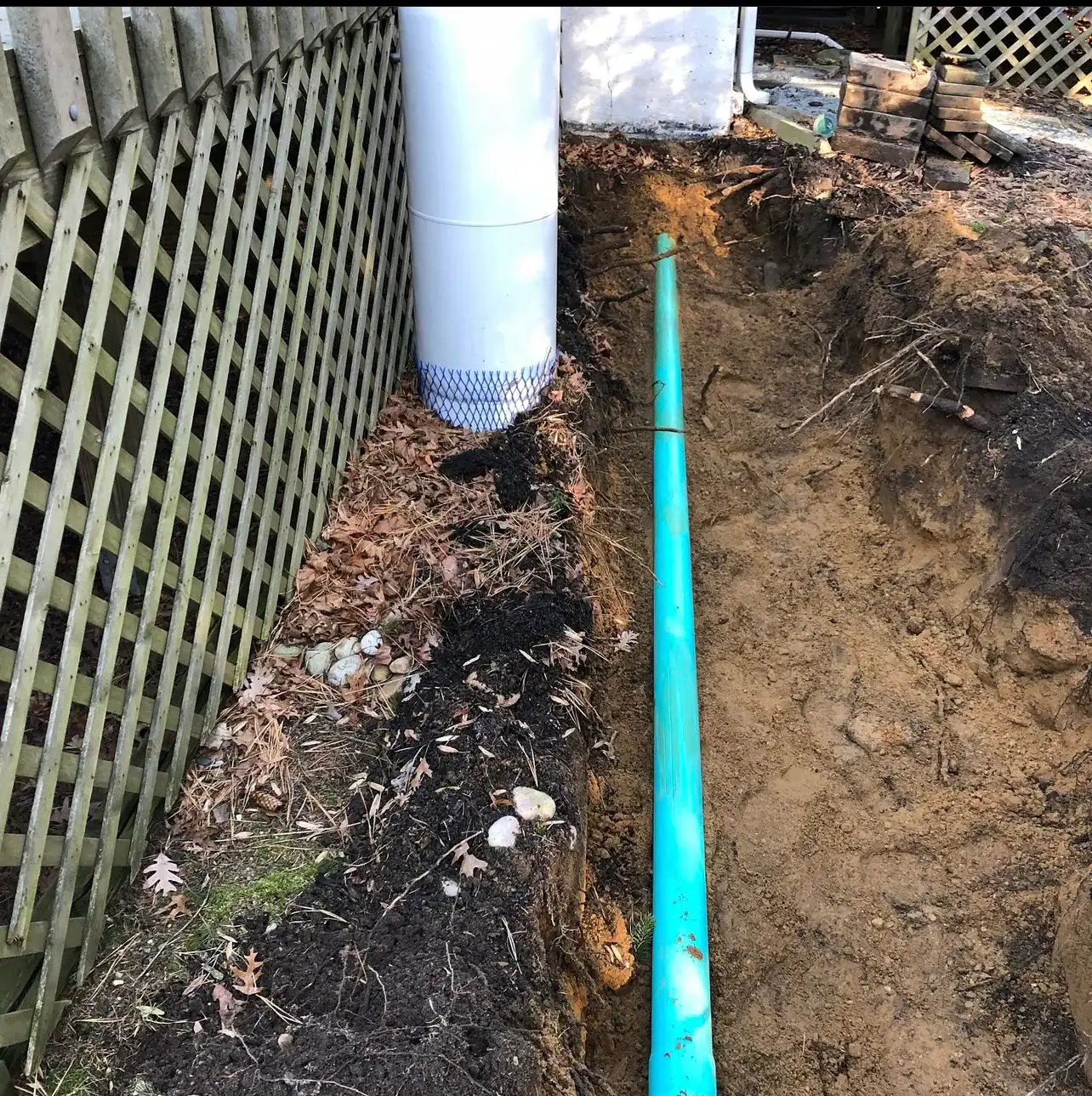
Then we install the system. That includes excavation, tank placement, drainage field construction, and connection to your home’s plumbing. We follow engineered plans specific to your property, not generic layouts. Each installation accounts for your soil type, water table depth, and household wastewater volume.
Finally, we coordinate the final inspection and walk you through system maintenance. You get documentation showing the installation meets all current Suffolk County requirements, which protects you during future property transactions and gives you a clear maintenance schedule to follow.

Ready to get started?
Every cesspool installation in East Quogue includes permit acquisition, soil testing, engineered system design, excavation, tank and drainage field installation, plumbing connections, and final inspection coordination. You’re not paying for the installation and then discovering you need separate contractors for permits or inspections.
Suffolk County requires nitrogen-reducing systems for most new installations. That means advanced treatment technology gets built into your system design. We install I/A OWTS (Innovative/Alternative Onsite Wastewater Treatment Systems) that meet current environmental standards and protect Long Island’s sole-source aquifer.
Your installation also accounts for East Quogue’s specific conditions. The area sits on sandy soil with relatively high water tables compared to other parts of Suffolk County. That affects drainage field design, tank depth, and system sizing. We’ve installed hundreds of systems across this area and know how to engineer for these conditions without over-building or cutting corners.
You also get complete documentation. That includes permit copies, inspection reports, system specifications, and maintenance guidelines. When you sell the property or need service years from now, everything is on record and accessible.
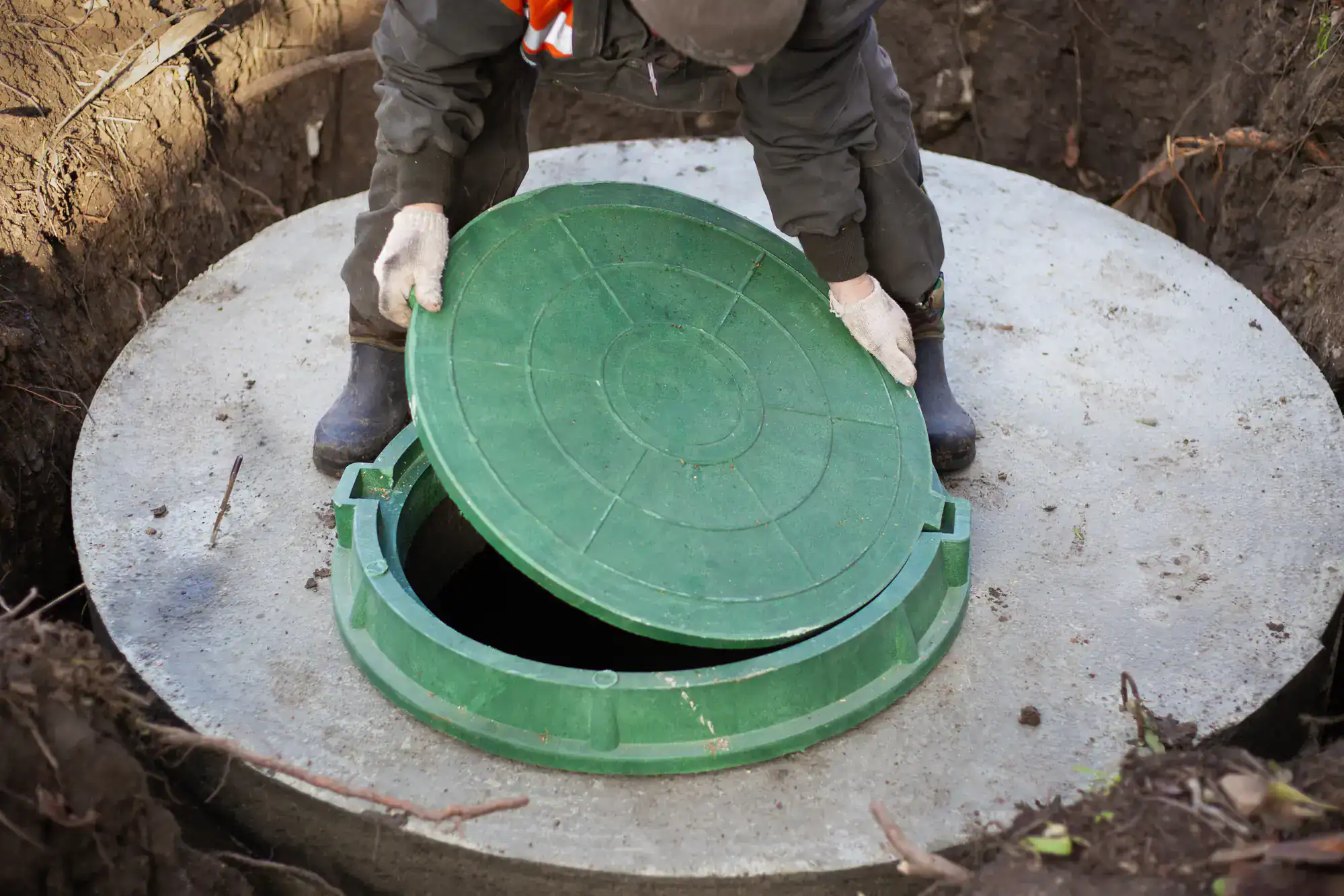
You need a permit from the Suffolk County Department of Health Services before any excavation or installation begins. That permit requires engineered plans showing your system design, soil test results proving adequate drainage, and a site survey confirming setback distances from wells, property lines, and water bodies.
The permit application also requires proof that your system meets current nitrogen reduction standards. Since Suffolk County banned traditional cesspool installations in 2019, most new systems need advanced treatment technology that removes nitrogen before wastewater reaches the groundwater.
We handle the entire permit process as part of your installation. That includes hiring the engineer, conducting soil tests, preparing the application, and coordinating with the health department. You don’t need to navigate county offices or track down requirements yourself. We submit everything, follow up on approvals, and schedule the required inspections once installation is complete.
Plan on two to four weeks from permit approval to final inspection. That timeline includes excavation, tank and drainage field installation, plumbing connections, backfilling, and site restoration. Weather, soil conditions, and inspection scheduling affect the exact timeframe.
The permit approval process adds time before installation starts. Suffolk County typically reviews applications within two to three weeks, but that varies based on their current workload and whether your application needs revisions. Soil testing and engineered plans need to be completed before you even apply, which adds another week or two to the front end.
If you’re replacing a failed system and need temporary solutions while waiting for installation, we can discuss options during the initial assessment. Some properties can use holding tanks or other interim measures, but that depends on your specific situation and what the health department allows. The goal is keeping your household functional while ensuring the permanent installation is done correctly and passes inspection the first time.
Technically, Suffolk County allows homeowners to install their own systems, but you still need engineered plans, permits, soil tests, and health department inspections. You’re also personally liable if the installation fails inspection or causes environmental violations.
Most homeowners quickly discover that DIY installation isn’t practical. You need excavation equipment, knowledge of current regulations, experience reading engineered plans, and the ability to coordinate multiple inspections at specific stages of construction. Miss a required inspection, and you might need to excavate completed work to prove compliance.
There’s also the risk of doing it wrong. Improper tank placement, inadequate drainage field sizing, or incorrect pipe slopes can cause system failures within months. Those failures mean excavating everything, fixing the problems, and paying for re-inspection—often costing more than hiring licensed installers from the start. Suffolk County’s regulations exist because improperly installed systems contaminate groundwater that supplies drinking water for the entire region. The health department takes violations seriously, and fixing them after the fact is expensive and disruptive.
Traditional cesspools are simple concrete or block chambers that collect wastewater and allow it to seep into surrounding soil. They don’t treat wastewater—they just hold it temporarily and let it drain. Suffolk County banned new cesspool installations in 2019 because they contribute to nitrogen pollution in the groundwater.
Septic systems include treatment components. Wastewater flows into a tank where solids settle and separate from liquids. The liquid then moves to a drainage field where soil bacteria break down contaminants before the water reaches the aquifer. Modern systems also include nitrogen-reducing technology that removes significantly more pollution than traditional designs.
When we talk about cesspool installation in East Quogue today, we’re usually referring to septic system installation that replaces old cesspools. The terminology stuck even though the technology changed. If your old cesspool fails, you can’t install another cesspool—you need a compliant septic system with advanced treatment. That’s what current Suffolk County regulations require, and that’s what we install. The systems cost more and involve more components, but they also last longer and protect the groundwater that supplies your drinking water.
Not immediately. Suffolk County’s 2019 regulations apply to new installations and replacements, not existing systems that still function properly. If your cesspool works and isn’t causing problems, you can continue using it.
However, you should plan for eventual replacement. Cesspools typically last 20 to 40 years depending on soil conditions, maintenance history, and household size. When yours fails—whether from age, damage, or capacity issues—you’ll need to install a compliant septic system. You can’t replace a cesspool with another cesspool anymore.
That’s why some East Quogue homeowners choose to upgrade before failure happens. Planned installations let you schedule the work during convenient times, explore financing options, and avoid emergency situations where sewage backs up into your home. Suffolk County also offers grants that can offset installation expenses, but those programs have eligibility requirements and limited funding. If you’re thinking about upgrading proactively, we can assess your current system and discuss whether replacement makes sense now or if you’re better off waiting until problems develop.
The health department identifies specific deficiencies that need correction before they’ll approve the installation. Common issues include improper setback distances, inadequate drainage field sizing, incorrect pipe slopes, or missing components in the treatment system. You fix those problems and schedule a re-inspection.
Failed inspections delay occupancy permits for new construction and extend the timeline for replacement installations. They also add expense since you’re paying for additional labor, materials, and inspection fees. That’s why working with experienced installers matters—we know what inspectors look for and build systems that pass the first time.
In 25+ years installing systems across Suffolk County, we’ve developed a track record of passing inspections without surprises. We follow engineered plans exactly, use approved materials, and coordinate with inspectors throughout the process. If an inspector raises concerns during interim inspections, we address them immediately rather than waiting until final inspection when fixes are more disruptive. You want your installation done once, done right, and approved without delays. That’s what we deliver as experienced local installers.
Other Services we provide in East Quogue