Hear From Our Clients
Your system works without backups, flooding, or surprise failures. That’s what happens when installation is done according to Suffolk County’s updated regulations and Long Island’s specific soil conditions.
Eastport properties need cesspools that handle the reality of our groundwater table and seasonal water levels. The installation process determines whether your system lasts 25 years or fails in five. Proper depth, correct tank sizing for your household, adequate drainage field design, and nitrogen-reducing technology all matter from day one.
When the work is done right, you’re not calling for emergency service three years later. Your drains flow. Your yard stays intact. Your drinking water stays clean because the system is actually treating wastewater instead of just holding it temporarily.
We’ve been installing cesspool systems in Suffolk County since 1998. That means we were here before the 2019 cesspool ban, through every regulatory change, and we understand exactly what Eastport properties require for compliant installation.
Our team handles the Suffolk County Department of Health Services permits, coordinates inspections, and installs I/A OWTS systems that meet current nitrogen-reduction standards. We’re licensed, insured, and we’ve built relationships with local inspectors over decades of consistent work.
Eastport homeowners deal with specific challenges: proximity to Moriches Bay, high water tables in certain neighborhoods, and strict setback requirements. We account for all of it during installation planning.

First, we evaluate your property to determine the right location based on setback requirements from wells, property lines, and water bodies. Eastport’s proximity to Moriches Bay means we’re often working with tighter spacing than inland properties.
Next comes the permit application through Suffolk County Health Department. We handle the paperwork, site plans, and percolation test results. Processing typically takes two to four weeks, and we coordinate the timeline so you know exactly when installation begins.
Installation day involves excavation to the proper depth for your soil type, setting precast concrete tanks that meet Long Island specifications, and installing the I/A OWTS treatment components. These systems actively reduce nitrogen by up to 70% instead of relying solely on soil filtration. We connect all components, backfill correctly to prevent settling, and restore your yard.
Final inspection with the county confirms everything meets code. Once approved, your system is operational and you receive documentation for your property records.

Ready to get started?
Every cesspool installation in Eastport, NY includes permit acquisition, site evaluation, and installation of nitrogen-reducing I/A OWTS technology that meets Suffolk County’s current requirements. Traditional cesspools without treatment capability can no longer be legally installed as of July 2019.
Your system includes precast concrete tanks sized appropriately for your household, distribution boxes, drainage fields designed for your property’s soil conditions, and the treatment technology that processes wastewater before it reaches the groundwater. Eastport sits above the same sole-source aquifer that supplies drinking water to 2.8 million Long Islanders, so proper treatment isn’t optional.
We also coordinate inspection scheduling, provide system operation instructions, and connect you with information about available grant funding. Suffolk County currently offers grants that can significantly offset installation expenses, and we help homeowners understand the application process.
The installation accounts for Long Island’s specific conditions: seasonal water table fluctuations, sandy soil composition in some areas, and clay layers in others. Each property gets evaluated individually because cookie-cutter approaches fail here.
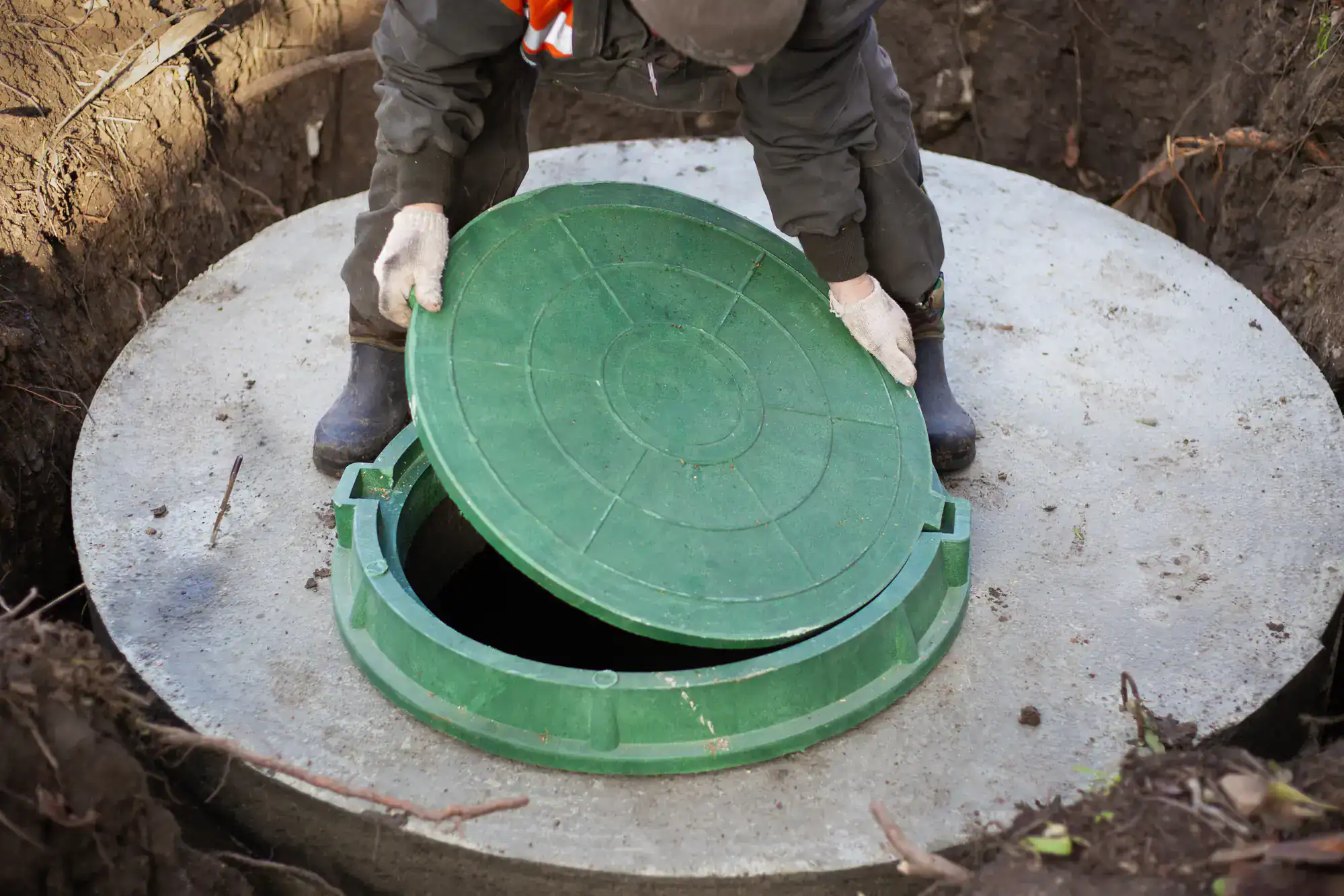
Traditional cesspools are basically concrete holding tanks with perforated walls that let wastewater seep into surrounding soil. They rely entirely on soil to filter contaminants, and they don’t remove nitrogen effectively. Suffolk County banned new traditional cesspool installation in July 2019 because they’re the primary source of nitrogen pollution contaminating Long Island’s drinking water.
I/A OWTS systems (Innovative/Alternative Onsite Wastewater Treatment Systems) function more like miniature treatment plants. They actively break down waste using aerobic bacteria, mechanical filtration, and treatment processes that remove up to 70-90% of nitrogen before treated water reaches the soil. These systems have pumps, aerators, and treatment chambers that process wastewater instead of just storing it.
For Eastport homeowners, this means new installations must include this treatment technology. The systems require electricity to run the treatment components and need maintenance contracts to ensure the aerobic processes keep working properly. But they protect the aquifer that supplies your drinking water and everyone else’s in Suffolk County.
The permit process through Suffolk County Department of Health Services typically takes two to four weeks once we submit your application with site plans and percolation test results. That’s usually the longest part of the timeline and it’s outside anyone’s control.
Actual installation work takes one to three days depending on your property conditions, system size, and whether we encounter rock, high water table, or other site challenges. Straightforward installations on accessible properties with good soil conditions often finish in a day. Properties with difficult access, ledge rock, or high seasonal water tables take longer.
After installation, the county inspector needs to approve the work before you can use the system. We schedule that inspection as soon as installation is complete, and inspectors typically come within a few days. Total timeline from permit application to operational system usually runs four to six weeks for Eastport properties, assuming no complications with permits or unexpected site conditions during excavation.
Suffolk County requires licensed contractors for cesspool installation. You legally cannot install your own system, and the health department won’t issue permits to unlicensed individuals. This regulation exists because improper installation creates groundwater contamination that affects entire neighborhoods.
The installation involves more than digging a hole and dropping in a tank. Proper depth calculations based on seasonal water table levels, correct tank sizing for household wastewater volume, drainage field design that accounts for soil percolation rates, and I/A OWTS treatment component installation all require specific knowledge. Get any of it wrong and your system fails prematurely or contaminates drinking water.
Licensed installers also carry insurance that protects you if something goes wrong during installation. We handle permit applications, coordinate inspections, and ensure the work meets every Suffolk County code requirement. The county inspector won’t approve DIY installations, and you’d end up paying to have everything dug up and redone properly anyway. Eastport’s proximity to Moriches Bay means installation errors can directly impact water quality in the bay, so regulations are enforced seriously here.
Old cesspools must be properly abandoned according to Suffolk County regulations. We pump out all remaining contents, then fill the tank completely with sand, gravel, or controlled low-strength material to prevent future collapse. An empty abandoned cesspool creates a sinkhole hazard that can swallow people, vehicles, or structures.
If your old cesspool is in the same location where the new system needs to go, we remove it entirely during excavation. If it’s in a different spot on your property, we abandon it in place by filling it completely. Either way, the old system cannot remain functional or empty.
The county inspector verifies proper abandonment during the final inspection of your new system installation. This is documented in your property records so future owners know the old cesspool location and that it was properly decommissioned. Eastport properties sometimes have multiple old cesspools from additions or system replacements over the decades, and all of them need proper abandonment to prevent safety hazards and groundwater contamination from residual waste.
Commercial cesspool installation in Eastport, NY follows different requirements than residential systems based on wastewater volume, business type, and occupancy. Restaurants, offices, retail spaces, and other commercial properties generate different waste streams and volumes that require specific system sizing and treatment capacity.
Suffolk County calculates commercial system requirements based on occupancy load, fixture count, and business operations. A restaurant needs grease trap integration and higher treatment capacity than an office building. Medical facilities have additional treatment requirements for potential biological waste. Each commercial property gets evaluated individually.
Commercial systems also face stricter maintenance and inspection schedules. The county requires regular reports confirming your treatment system is functioning properly and meeting nitrogen reduction standards. Many commercial properties need larger I/A OWTS systems or multiple treatment units to handle peak usage periods.
If you’re installing a cesspool system for commercial property in Eastport, the permit process takes longer and requires more detailed engineering plans than residential installations. We handle commercial installations regularly and work with engineers to design systems that meet your specific business requirements while satisfying all Suffolk County commercial wastewater regulations.
I/A OWTS systems require regular maintenance contracts because they have mechanical and biological treatment components that need monitoring. Most systems need professional inspection and servicing every six months to ensure aerators are functioning, treatment bacteria levels are adequate, and all mechanical components are working properly.
Suffolk County requires maintenance records for I/A OWTS systems. When you sell your Eastport property, buyers and title companies will ask for proof that the system has been maintained according to manufacturer specifications and county requirements. Missing maintenance records can delay or kill real estate transactions.
Typical maintenance includes checking aerator function, inspecting treatment chambers, testing effluent quality, and pumping the tank when solids reach specified levels. The treatment components need electricity, so power outages can disrupt the aerobic treatment process. Most systems have alarms that alert you to malfunctions before they become serious problems.
Budget for professional maintenance as an ongoing operational expense, similar to HVAC servicing. The systems are more complex than old traditional cesspools, but that complexity is what allows them to remove nitrogen and protect drinking water. Proper maintenance keeps your system working effectively for its expected 20-30 year lifespan and prevents expensive emergency repairs from neglected components.
Other Services we provide in Eastport