Hear From Our Clients
You stop worrying about whether your wastewater system will pass inspection. The health department signs off because everything was done to code from day one.
Your property stays compliant with Suffolk County’s nitrogen reduction requirements. That matters when you’re protecting Long Island’s sole-source aquifer and avoiding fines down the road.
You get a system designed for Hampton Bays soil conditions—sandy substrates, seasonal water table shifts, and the realities of coastal living. That means fewer service calls, longer system life, and no surprises when the ground thaws or storms roll through.
The installation timeline is clear. Permits get filed correctly. Inspections happen on schedule. You’re not left wondering what’s next or why things are taking longer than expected.
We’ve been handling cesspool and septic work in Suffolk County since 1998. Three generations of experience means we’ve seen what works in Hampton Bays and what doesn’t.
We’re licensed, insured, and familiar with every quirk of local soil conditions and county regulations. When Suffolk County updated Article 6 requirements in 2019 and 2021, we were already ahead of it—installing compliant systems and guiding homeowners through the transition from old cesspools to modern septic configurations.
Hampton Bays properties have specific challenges. Proximity to water, sandy soils, and strict setback requirements all factor into how your system gets designed and installed. We handle those variables daily, so you’re not paying for someone else’s learning curve.

First, we assess your property. Soil percolation tests determine how quickly water drains through your ground, which dictates the size and type of system you need. Hampton Bays’ sandy soils typically drain fast, but we test to confirm rather than assume.
Next comes system design and permitting. Suffolk County requires specific setbacks—100 feet from water wells, 20 feet from property lines. We map everything out, submit permits, and coordinate with the health department. Permit processing usually takes two to four weeks.
Installation follows once permits clear. For most residential properties in Hampton Bays, installation takes one to two days depending on system complexity and site conditions. We excavate, install tanks and distribution components, connect everything to code, and prepare for inspection.
The final step is inspection and approval. The local health department verifies the installation meets all requirements. We schedule this, walk the inspector through the work, and handle any follow-up. Once signed off, your system is operational and compliant.

Ready to get started?
Every cesspool installation in Hampton Bays now requires at minimum a septic tank preceding the leaching structure. That’s been Suffolk County law since July 2019. You can’t replace an old cesspool with another cesspool anymore.
For properties in nitrogen-sensitive areas—which includes much of Hampton Bays due to groundwater protection zones—you may need an I/A OWTS system. These advanced treatment systems remove up to 70% of nitrogen from wastewater before it reaches the aquifer. We’ll tell you upfront if your property requires one based on location and county mapping.
Installation includes all excavation, tank placement, distribution box setup, leaching field construction, and backfill. We coordinate inspections, handle permit documentation, and make sure everything from pipe slope to tank depth meets code.
Hampton Bays homeowners may qualify for grants up to $30,000 through Suffolk County and New York State programs. These cover a significant portion of system installation, especially for nitrogen-reducing technology. We can point you toward those resources and explain what documentation you’ll need.
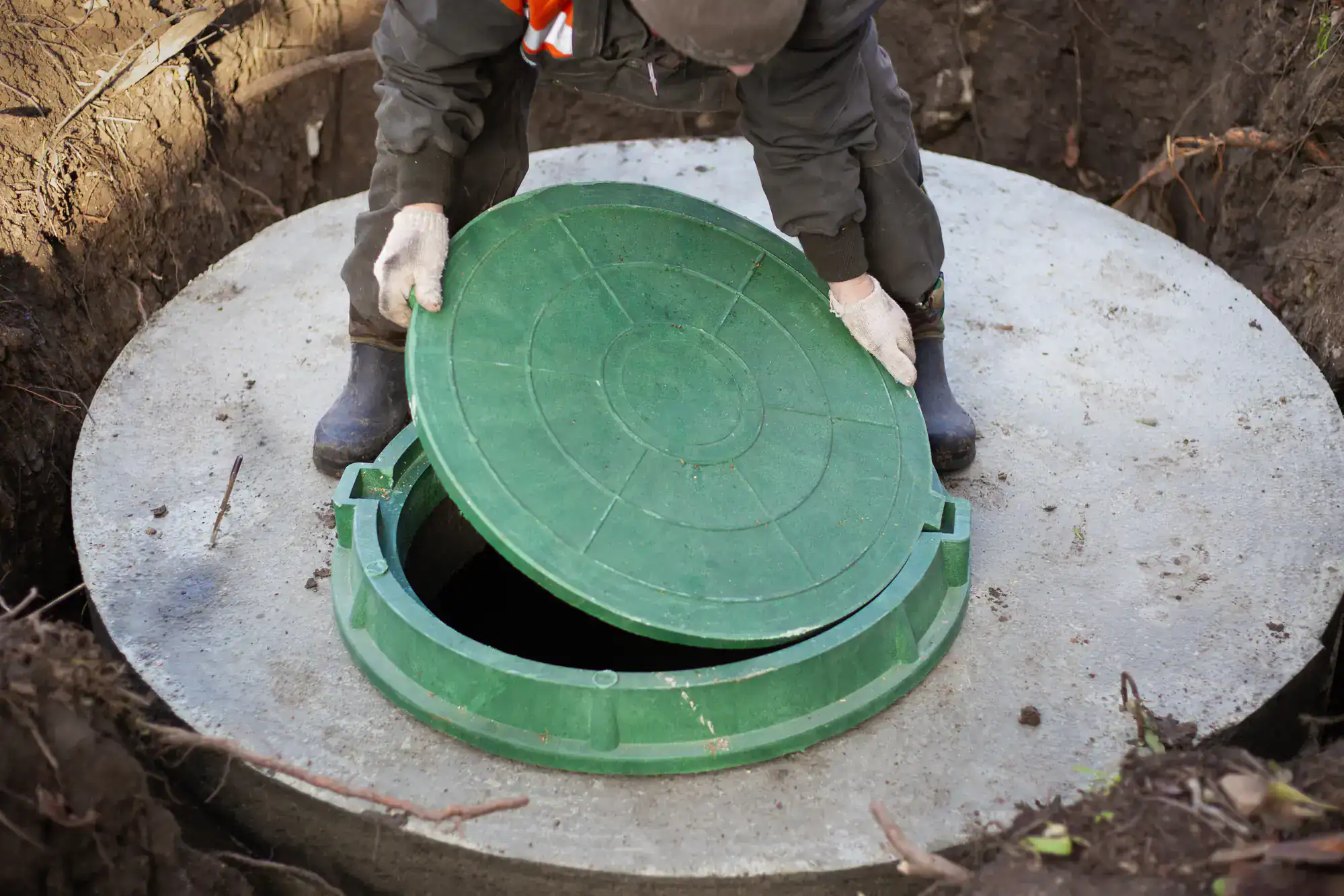
No. Suffolk County regulations changed in July 2019, prohibiting the replacement of old cesspools with new cesspools. If your existing cesspool fails or you’re building new construction, you’re required to install at minimum a septic tank with a leaching structure.
This applies across Hampton Bays and all of Suffolk County. The regulation was part of a broader effort to reduce nitrogen pollution reaching Long Island’s groundwater. Traditional cesspools don’t separate solids or treat wastewater, which allows more nitrogen to leach into the aquifer.
Depending on your property’s location within Hampton Bays, you may also be required to install an I/A OWTS system—an advanced treatment system that removes significantly more nitrogen than a standard septic setup. We determine this during the site assessment by checking your property against Suffolk County’s nitrogen-sensitive area maps.
The physical installation typically takes one to two days for a residential property. That’s the actual excavation, tank placement, and system construction. But the full timeline from start to finish runs longer due to permitting and inspections.
Permit processing with Suffolk County usually takes two to four weeks. We submit all required documentation—site plans, soil test results, system specifications—and coordinate with the health department. You can’t break ground until permits are approved.
After installation, the health department schedules a final inspection to verify everything meets code. Once that inspection passes, your system is operational. Total timeline from initial assessment to final approval generally runs four to six weeks, assuming no delays with permit review or weather conditions that halt excavation work.
Hampton Bays sits on predominantly sandy soil, which drains quickly. That sounds ideal for wastewater systems, but it also means less natural filtration before effluent reaches groundwater. Fast drainage requires careful system sizing to ensure adequate treatment time.
Seasonal water table fluctuations matter here too. During wet seasons or after heavy storms, the water table can rise closer to the surface. Your system needs to be designed with enough separation between the leaching field and the high water table to function properly year-round.
Proximity to saltwater also affects soil chemistry in some Hampton Bays areas. Saltwater intrusion can alter how soil absorbs and filters wastewater. We account for these variables during site assessment and percolation testing, adjusting system design to match actual ground conditions rather than relying on generic specifications.
It depends on where your property sits within Hampton Bays. Suffolk County has mapped nitrogen-sensitive areas based on proximity to water bodies and groundwater recharge zones. Properties in these zones require I/A OWTS systems that remove at least 50% of nitrogen from wastewater.
Much of Hampton Bays falls within or near these sensitive areas due to the town’s coastal location and reliance on the Long Island aquifer for drinking water. We check your property against county maps during the assessment to determine if advanced treatment is required.
Even if your specific location doesn’t mandate nitrogen reduction, installing an I/A OWTS system may qualify you for higher grant amounts—up to $25,000 versus $10,000 for basic systems. These grants offset a significant portion of installation expenses, making advanced treatment more accessible than many homeowners expect.
You need a sanitary system permit from the Suffolk County Department of Health Services. This covers the design, installation, and inspection of your wastewater system. The permit application requires site plans, soil percolation test results, and detailed system specifications.
If your installation involves significant excavation or affects property drainage patterns, you may also need additional approvals from the Town of Southampton, which governs Hampton Bays. We handle permit coordination as part of the installation process, so you’re not navigating multiple agencies on your own.
The health department reviews your permit application to verify setback distances, system sizing, and compliance with current regulations. Once approved, they issue the permit and schedule inspections at key installation milestones. Final approval comes after the completed system passes inspection, confirming everything was built according to the permitted design.
You’ll need to replace it with a compliant septic system, not another cesspool. Suffolk County regulations prohibit cesspool-to-cesspool replacement, so failure triggers an upgrade to at minimum a septic tank with leaching field.
Emergency cesspool replacement in Hampton Bays follows the same permitting process as planned installations, but we can expedite certain steps when you’re dealing with sewage backup or system failure. The health department understands emergency situations and typically prioritizes permit review for failed systems.
The timeline is still constrained by permit processing and inspection requirements—there’s no bypassing those steps even in emergencies. However, temporary measures can sometimes be arranged while permits are pending, depending on the severity of the failure and site conditions. We assess your specific situation and outline realistic options for getting your property back to functional as quickly as regulations allow.
Other Services we provide in Hampton Bays