Hear From Our Clients
When your cesspool installation in Islip is done right, you’re looking at 20 to 30 years of reliable wastewater management. That’s decades without worrying about system failure, contamination risks, or surprise repairs that drain your savings.
But here’s what most homeowners don’t realize until it’s too late: Long Island’s soil conditions make or break your system’s lifespan. Clay soil doesn’t absorb liquids quickly, which means an improperly installed cesspool can fail within years instead of decades. You need someone who understands Islip’s specific ground conditions and builds accordingly.
A proper installation means your family’s wastewater gets handled safely every single day. No sewage backing up into your home. No contamination seeping into the groundwater that feeds your drinking water. No middle-of-the-night emergencies because someone cut corners during installation.
The difference between a system that lasts and one that fails early comes down to site assessment, proper materials, and installation that meets Suffolk County’s current regulations. When those pieces are in place, you get peace of mind and a system that simply works.
We’ve been installing cesspool systems across Suffolk County since 1998. That’s over two decades of working with Islip’s soil conditions, navigating local permits, and building systems that hold up to Long Island’s unique challenges.
Being family-owned means we’re not running through your job to get to the next one. We’re licensed, insured, and we live in the same community we serve. When we install your system, we’re doing it knowing we’ll see you around town.
Every installation we complete has to meet our standards before we call it done. That means proper excavation depth, correct tank placement, and coordination with Suffolk County Health Department inspections at every required stage. You’re not getting shortcuts—you’re getting a system built to code and built to last.

First, we assess your property. That means percolation testing to see how your soil absorbs water and determining the right location based on Suffolk County setback requirements. Your system needs to be at least 100 feet from any water well and 20 feet from property lines. We map all of this out before any digging starts.
Next comes permitting. Suffolk County requires approval from the local health department before installation begins. We handle the paperwork and coordinate the required inspections—there are three: one at excavation, one at tank placement, and one before backfill. Each inspection confirms we’re meeting code.
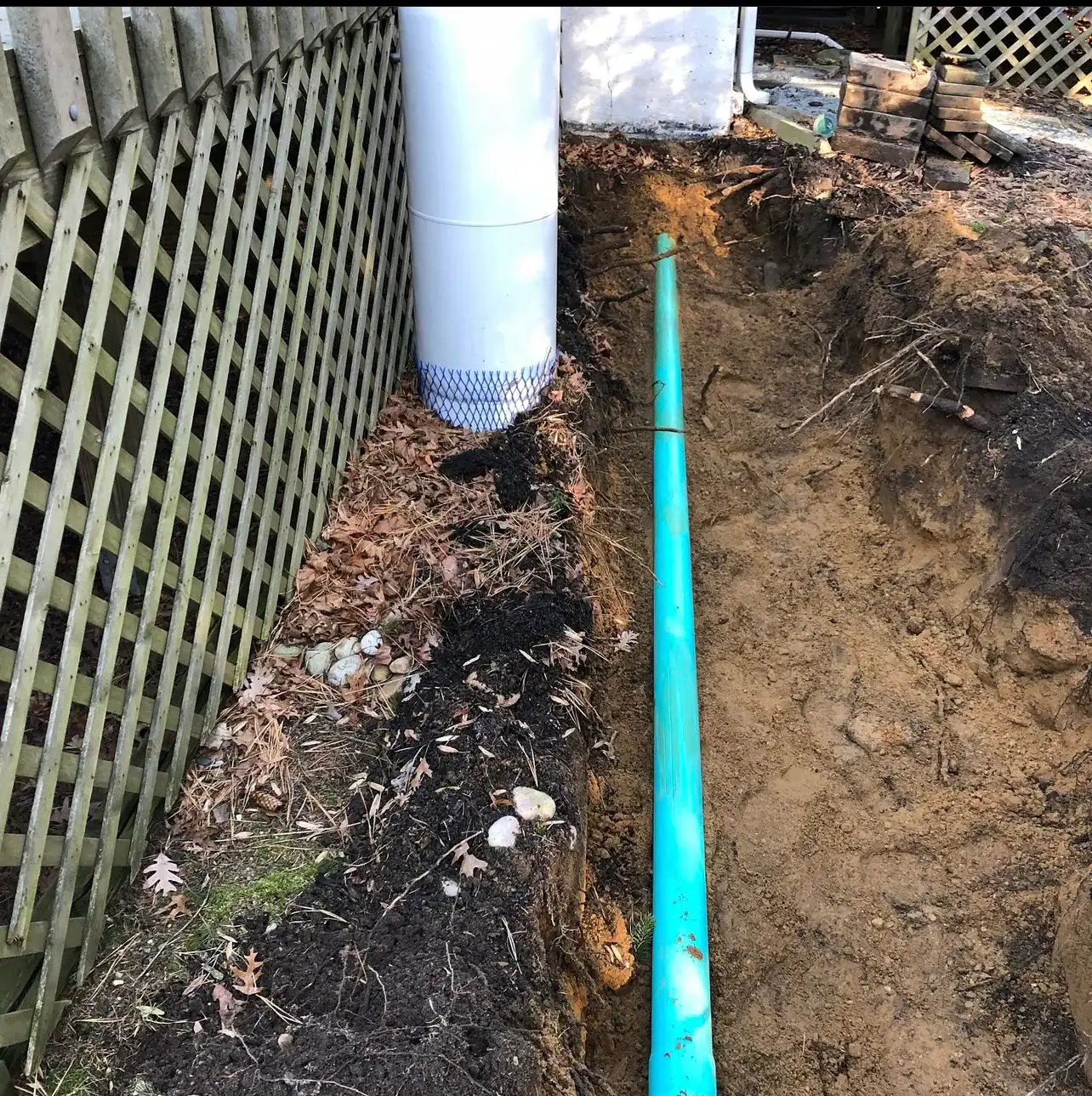
Then we install. We excavate to the proper depth, set precast concrete tanks with engineered baffles that separate solids from liquids, and connect everything to your home’s plumbing. The system gets built using only approved materials that meet current environmental standards.
After final inspection and approval, we backfill and restore your property. You’re left with a fully functional cesspool system that’s documented, permitted, and ready to handle your household’s wastewater for the next several decades.

Ready to get started?
Your cesspool installation in Islip includes complete site assessment with percolation testing. We’re checking soil conditions and absorption rates to size your system correctly. Undersized systems fail early. Oversized systems waste your money. Proper testing gets it right.
You get full permit coordination with Suffolk County. That includes application submission, scheduling all three required inspections, and making sure everything passes. The health department needs to sign off at excavation, tank placement, and backfill stages. We handle all of it.
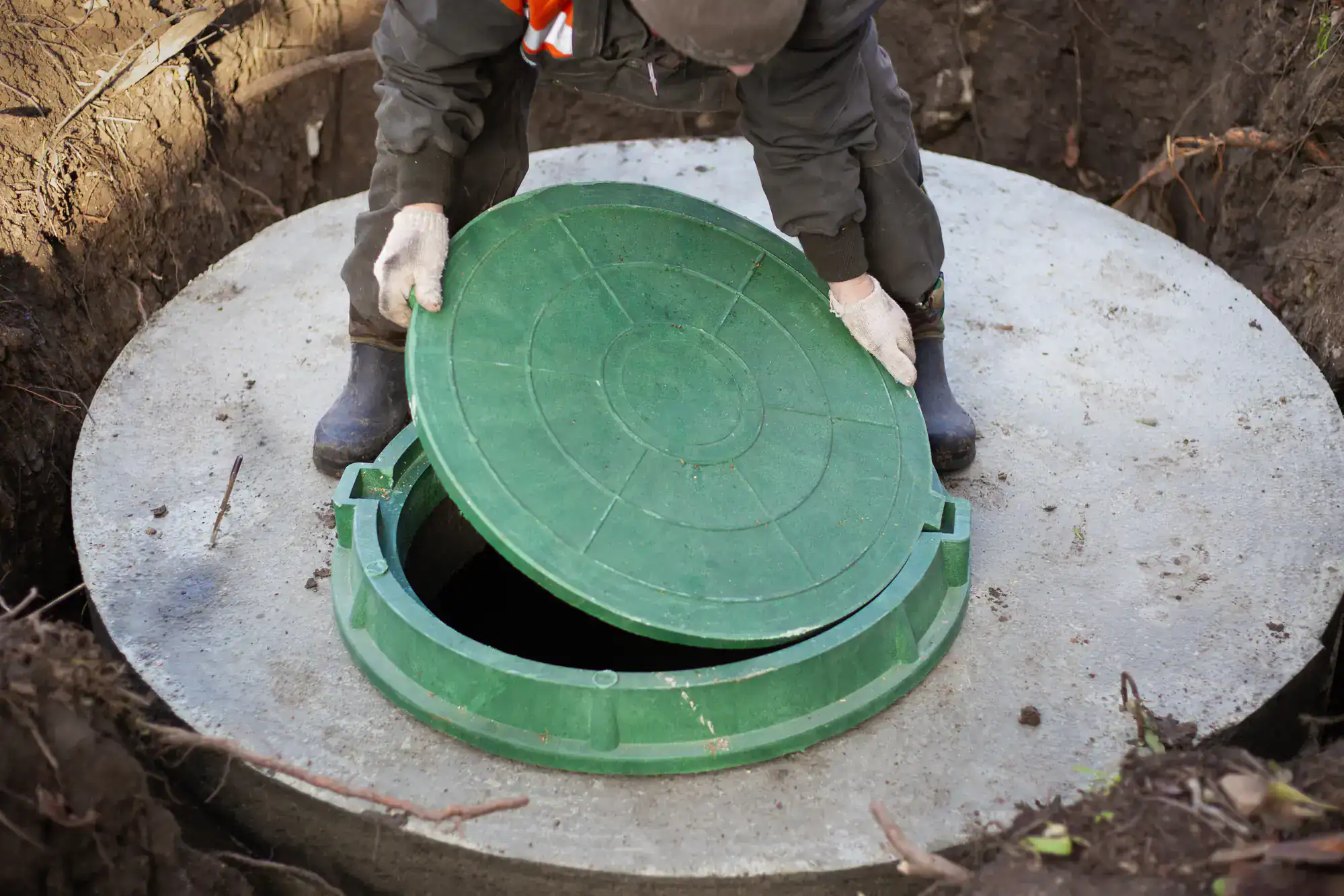
Installation includes excavation, tank placement, and connection to your home’s existing plumbing. We’re using precast concrete tanks that resist the cracking and settling that cause system failures. These tanks include baffles engineered to separate solids from liquids, which is critical for system longevity.
Since Suffolk County banned new cesspool installations in 2019, what you’re actually getting is a modern septic system that meets current environmental standards. These systems are built to reduce nitrogen contamination—a major concern in Islip where drinking water comes entirely from underground aquifers. Your new system protects both your property and the local water supply.
No. Suffolk County banned new cesspool installations starting July 1, 2019. If you’re replacing an old cesspool, you now need to install at least a conventional septic system that meets current environmental standards.
This change happened because Long Island’s drinking water comes entirely from underground aquifers, and Suffolk County already has higher nitrate levels in its drinking water than 95% of the country. Old cesspools leak untreated waste directly into the ground, contaminating the same water supply your family drinks.
The new systems required for residential cesspool installation in Islip are designed to reduce nitrogen by significant amounts before wastewater enters the soil. They cost more upfront than old cesspools, but they protect your property value and the local water supply. Plus, Suffolk County offers grants up to $10,000 (sometimes more for qualifying households) to help offset installation expenses.
Plan on 2 to 4 weeks for permitting, then 2 to 5 days for actual installation once permits are approved. The timeline depends on how quickly Suffolk County Health Department processes your application and schedules inspections.
Permitting takes the most time because the health department reviews your site plan, soil test results, and system specifications before approval. Once you have permits, the physical installation moves quickly—excavation, tank placement, connections, and backfill typically wrap up within a week.
Weather can extend the timeline if heavy rain makes excavation unsafe or impossible. Unexpected soil conditions sometimes require design adjustments that need health department re-approval. We keep you updated throughout the process so you know exactly where things stand and when to expect completion.
Long Island has a mix of sandy and clay soil, and both create specific challenges. Sandy soil drains too quickly without filtering contaminants properly, which is why environmental regulations got stricter. Clay soil drains too slowly, which means systems can overload and fail if not sized and installed correctly.
In Islip specifically, you’re dealing with variable soil conditions even within the same property. That’s why percolation testing is required—we need at least two tests for every 1,000 square feet of absorption area, and more if soil conditions vary significantly across your property.
Clay soil is particularly problematic because it doesn’t absorb liquids quickly. If your system gets overloaded, wastewater can back up or surface on your property, creating immediate health hazards. Proper installation accounts for your specific soil type and builds a system sized to handle your household’s wastewater without overwhelming the ground’s absorption capacity.
We fix whatever the inspector flagged, then schedule a re-inspection. Suffolk County requires three inspections during installation: excavation, tank placement, and backfill. Each inspection confirms we’re meeting code before moving to the next phase.
Common inspection issues include incorrect tank depth, improper setback distances from wells or property lines, or using materials that don’t meet current standards. These are all preventable with proper planning and experienced installation, which is why choosing the right cesspool installation company in Islip matters.
If something does get flagged, we correct it immediately at no additional charge to you. The inspector returns to verify the fix, signs off, and we continue with installation. Your system doesn’t get buried until it passes all required inspections and meets Suffolk County regulations completely.
Not immediately, but you should start planning. Cesspools typically last 20 to 40 years depending on soil conditions, usage, and maintenance. If yours is working fine and you’re keeping up with regular pumping, you can continue using it.
However, when your current cesspool does fail—and eventually it will—you cannot replace it with another cesspool. Suffolk County regulations require you to upgrade to a modern septic system that meets current environmental standards. That’s a bigger project than simple cesspool replacement used to be.
The smart move is to start researching septic system installation in Islip before you have an emergency. Emergency replacements cost significantly more than planned installations, and you have fewer options when sewage is backing up into your home. Knowing what’s required and what grants are available gives you time to make informed decisions instead of desperate ones.
You need approval from the Suffolk County Department of Health Services before any installation work begins. This includes submitting a site plan, percolation test results, and system specifications for review. The health department verifies your proposed system meets setback requirements, is properly sized for your household, and complies with current environmental regulations.
After initial approval, you need to schedule three inspections during installation: one when excavation is complete, one when tanks are placed but before backfilling, and one final inspection before the system goes into service. Each inspection must pass before moving to the next phase.
Some installations also require building permits from the Town of Islip, depending on the scope of work and whether you’re modifying your home’s plumbing. We coordinate all required permits and inspections as part of our cesspool replacement services in Islip, so you’re not navigating multiple agencies on your own. Everything gets handled correctly and in the right sequence.