Hear From Our Clients
When your cesspool fails in Laurel, you’re facing more than just an inconvenience. Raw sewage doesn’t disappear—it surfaces in your yard, backs up into your home, or seeps into the ground where your kids play. Every day you wait increases the health risk to your family and your neighbors.
Suffolk County closed the cesspool replacement loophole on July 1, 2019. If your system fails now, you’re required to upgrade to a modern septic system or nitrogen-reducing I/A OWTS that meets current standards. These aren’t the same cesspools your house was built with in the 1960s.
The new systems actually treat wastewater before it reaches the ground. They remove up to 70% of harmful nitrogen that’s been contaminating Long Island’s sole source aquifer for decades. Your new residential cesspool installation protects your property value, keeps your family safe, and stops contributing to the groundwater crisis affecting everyone who lives here.
We’ve handled cesspool installation in Laurel, NY and across Suffolk County for over 25 years. We’re a family-owned business, licensed by Suffolk County Consumer Affairs, and we know exactly what Long Island soil conditions do to wastewater systems.
Laurel sits on the North Fork with unique drainage challenges. The soil composition here affects how systems perform, how permits get approved, and what installation methods actually work long-term. We’ve installed hundreds of systems in this area—we’re not guessing about what your property needs.
You’re working with a local team that answers the phone, shows up when scheduled, and handles every permit requirement without you chasing down county offices. No surprises, no runaround, no overselling.

First, we assess your property to determine what type of system you need and whether your soil can support it. Suffolk County requires percolation tests and specific setback distances from wells, property lines, and water bodies. We handle the testing and submit all documentation to the county for approval.
Once permits are approved, we excavate the old cesspool and prepare the site for your new septic system installation. This includes installing the tank, distribution box, and leach field or I/A OWTS components depending on what your property requires. Everything gets positioned according to county specifications and your property’s drainage patterns.
After installation, the county inspector reviews the work to verify compliance. We don’t backfill until inspection passes—that’s how you know it’s done right. Once approved, we restore your yard and walk you through basic maintenance requirements so your system runs properly for the next 20-30 years.
The entire process typically takes 2-4 weeks from permit application to final inspection, depending on county processing times and weather conditions.

Ready to get started?
Your new system includes a sealed septic tank that separates solids from liquids, a distribution box that evenly disperses wastewater, and either a traditional leach field or advanced nitrogen-reducing treatment components. The specific configuration depends on your property size, soil conditions, and household wastewater volume.
For residential cesspool installation in Laurel, NY, most homes require either a standard septic system or an I/A OWTS (Innovative/Alternative Onsite Wastewater Treatment System). I/A OWTS systems include additional treatment stages that reduce nitrogen levels before wastewater enters the ground. Suffolk County prioritizes these systems in areas near water bodies and environmentally sensitive zones.
Commercial cesspool installation follows the same regulatory requirements but typically involves larger tank capacities and more robust distribution systems to handle higher wastewater volumes. Restaurants, retail properties, and multi-unit buildings need systems sized for peak usage, not average daily flow.
Every installation includes complete permit handling, county inspections, and compliance documentation. You receive records showing your system meets current Suffolk County standards—critical information for property sales, refinancing, or future service needs.
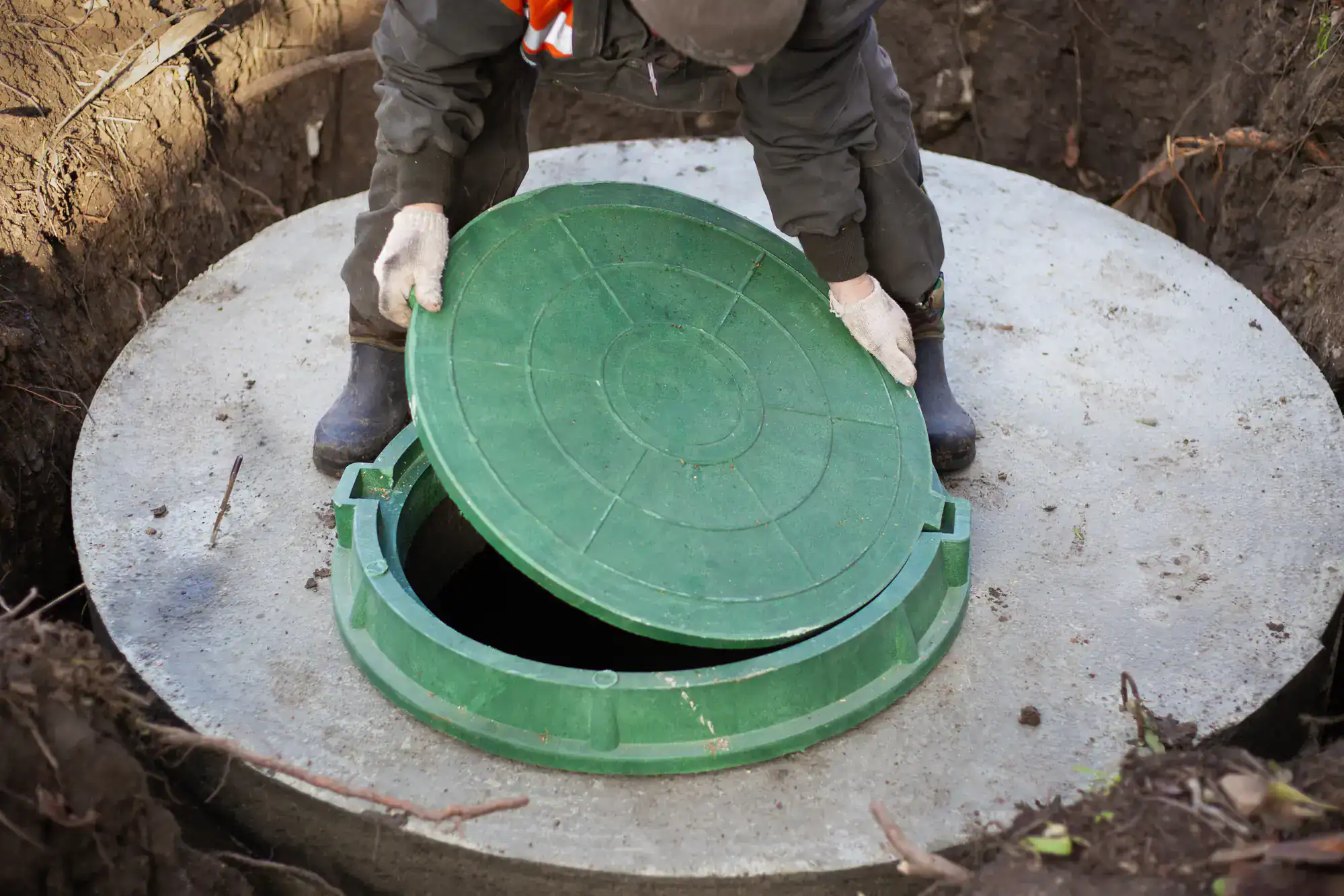
You cannot install a new cesspool in Laurel or anywhere in Suffolk County as of July 2019. The county banned cesspool-to-cesspool replacements to address nitrogen pollution in Long Island’s groundwater. If your cesspool fails or needs replacement, you’re required to upgrade to at least a basic septic system.
Most properties now need an I/A OWTS (nitrogen-reducing system) depending on location and environmental factors. These systems treat wastewater before it reaches the soil, removing up to 70% of harmful nitrogen that cesspools release untreated.
The regulation applies to all residential and commercial properties. There are no exceptions for older homes or grandfathered systems. When your cesspool reaches the end of its functional life, the replacement must meet current standards regardless of what was originally installed.
The complete process typically takes 2-4 weeks, but most of that time involves permit processing, not actual installation work. Suffolk County reviews your application, soil tests, and site plans before issuing approval. That review period varies based on current application volume at the county office.
Once permits are approved, the physical installation usually takes 3-5 days depending on system complexity and site conditions. We excavate the old cesspool, install the new septic system components, and prepare everything for county inspection. Weather can extend this timeline if heavy rain makes excavation unsafe or impossible.
After installation, the county inspector schedules a site visit to verify compliance. Once inspection passes, we backfill and restore your property. You can typically use your new system the same day final inspection is approved, though we recommend waiting until restoration work is complete to avoid any complications.
If your cesspool fails completely—meaning sewage is backing up into your home or surfacing in your yard—you’re facing a health emergency that requires immediate action. Suffolk County allows emergency cesspool replacement services under specific conditions, but you still cannot install another cesspool. You must upgrade to a compliant septic system.
The county can expedite permit processing for documented emergencies, but you’ll still need soil tests, site plans, and inspector approval before installation begins. In the meantime, you may need temporary pumping services to manage sewage backup and prevent further property damage or health hazards.
Emergency situations don’t waive the requirement for proper permits and inspections. Some homeowners assume they can install first and get approval later—that’s not how it works, and it can result in fines, required system removal, and complications when you eventually sell your property. Even in emergencies, the installation must follow county regulations from the start.
Many Laurel homeowners qualify for Suffolk County grants and low-interest financing programs designed to offset septic system installation expenses. The county offers financial assistance specifically for upgrading from cesspools to nitrogen-reducing I/A OWTS systems.
Grant amounts and eligibility requirements change based on available funding and program updates. Some programs prioritize properties in environmentally sensitive areas or near water bodies. The North Fork’s proximity to Long Island Sound often makes Laurel properties eligible for higher assistance levels.
We work directly with approved grant programs and can help you navigate the application process. Most programs require pre-approval before installation begins, so you’ll want to explore funding options during the planning phase, not after the work is complete. The application includes income verification, property assessment, and confirmation that you’re upgrading from a cesspool to a qualifying advanced system.
A cesspool is essentially a large pit that collects wastewater and allows it to seep untreated into the surrounding soil. It doesn’t separate solids or treat sewage—everything just drains into the ground, including harmful bacteria, viruses, and nitrogen that contaminate groundwater.
A septic system includes a sealed tank that separates solids from liquids, allowing solids to settle and decompose while liquids flow to a leach field for soil absorption. This separation process provides basic treatment before wastewater enters the ground. Modern I/A OWTS systems add additional treatment stages that actively reduce nitrogen and other contaminants.
The functional difference is significant. Cesspools were cheap to install and required minimal maintenance, but they’ve been contaminating Long Island’s drinking water for decades. Septic systems and I/A OWTS installations cost more upfront but actually treat wastewater, protect groundwater quality, and last 20-30 years with proper maintenance. That’s why Suffolk County banned new cesspool installations—the environmental damage outweighs any short-term convenience.
Suffolk County determines system requirements based on your property’s location, proximity to water bodies, soil conditions, and local environmental sensitivity. Properties near Long Island Sound, harbors, or designated groundwater protection zones typically require I/A OWTS installations that reduce nitrogen levels.
The county reviews your permit application and site assessment to specify which system type you need. You can’t choose a basic septic system if your property falls within a zone requiring advanced treatment. The regulations prioritize nitrogen reduction in areas where groundwater contamination poses the greatest risk to drinking water and marine ecosystems.
During the initial assessment, we evaluate your property against county requirements and let you know which system you’re required to install. Most Laurel properties need I/A OWTS due to North Fork environmental protections, but each property gets reviewed individually. The county’s decision is final—if they require advanced treatment, that’s what gets installed regardless of personal preference.
Other Services we provide in Laurel