Hear From Our Clients
Your new cesspool system works the way it should from day one. No surprises six months later when the ground settles wrong or the system can’t handle normal household use.
You’re not dealing with permit headaches or failed inspections. The installation meets every Suffolk County requirement because it’s designed and built by people who’ve done this thousands of times in Mastic Beach specifically.
Your property value stays protected. When a system is installed correctly with proper soil assessment and sizing, it lasts 20 to 30 years without major intervention. That’s what you’re actually paying for—decades of reliability, not just a hole in the ground with a tank in it.
We’ve been installing cesspool systems in Mastic Beach since 1998. We’re not a franchise or a national chain—we’re a family-owned operation that’s built our reputation one neighbor at a time.
We know Suffolk County’s soil conditions, water table fluctuations, and regulatory requirements because we’ve been working here for over 25 years. When you’re dealing with clay-heavy areas or sandy coastal zones in Mastic Beach, that local knowledge matters.
We handle the permits, the inspections, and the installation. You get a system that’s built to last and a team that answers the phone when you call—not a voicemail system or a call center three states away.

First, we assess your property. That means soil testing, measuring setback distances from wells and property lines, and determining the right system size based on your household’s actual needs. Suffolk County requires specific setbacks—100 feet from water wells, 20 feet from property lines—and we make sure your installation meets every one.
Next, we handle the permits. Suffolk County requires Article 6 compliance and nitrogen-reducing systems for new installations. We submit the paperwork, coordinate inspections, and keep you updated on timing. Permit processing typically takes two to four weeks, and we manage that entire process.
Then we install the system. That includes excavation, proper bedding material, tank placement, distribution box setup, and leach field construction. We’re installing I/A OWTS systems that actively treat wastewater and reduce nitrogen—not outdated cesspools that dump untreated waste into the ground.
After installation, the system gets inspected by Suffolk County. We’re there for that inspection, and we don’t leave until everything passes. You get documentation showing your system is compliant and ready to use.

Ready to get started?
You get a complete system designed for Mastic Beach’s specific conditions. That includes soil percolation testing to determine how quickly water drains through your property’s soil, which directly affects system design. Suffolk County’s soil varies significantly—what works in one part of Mastic Beach might fail in another.
The installation includes all necessary components: the treatment tank, distribution box, leach field with proper stone bedding, and all piping. We’re installing nitrogen-reducing systems that meet current Suffolk County environmental standards, not traditional cesspools that are no longer permitted for new installations.
You get full permit coordination and inspection scheduling. We handle Suffolk County Department of Health Services requirements, coordinate with local inspectors, and make sure every aspect of the installation meets code. That includes proper setback distances, adequate soil depth, and correct system sizing based on your home’s bedroom count and daily water usage.
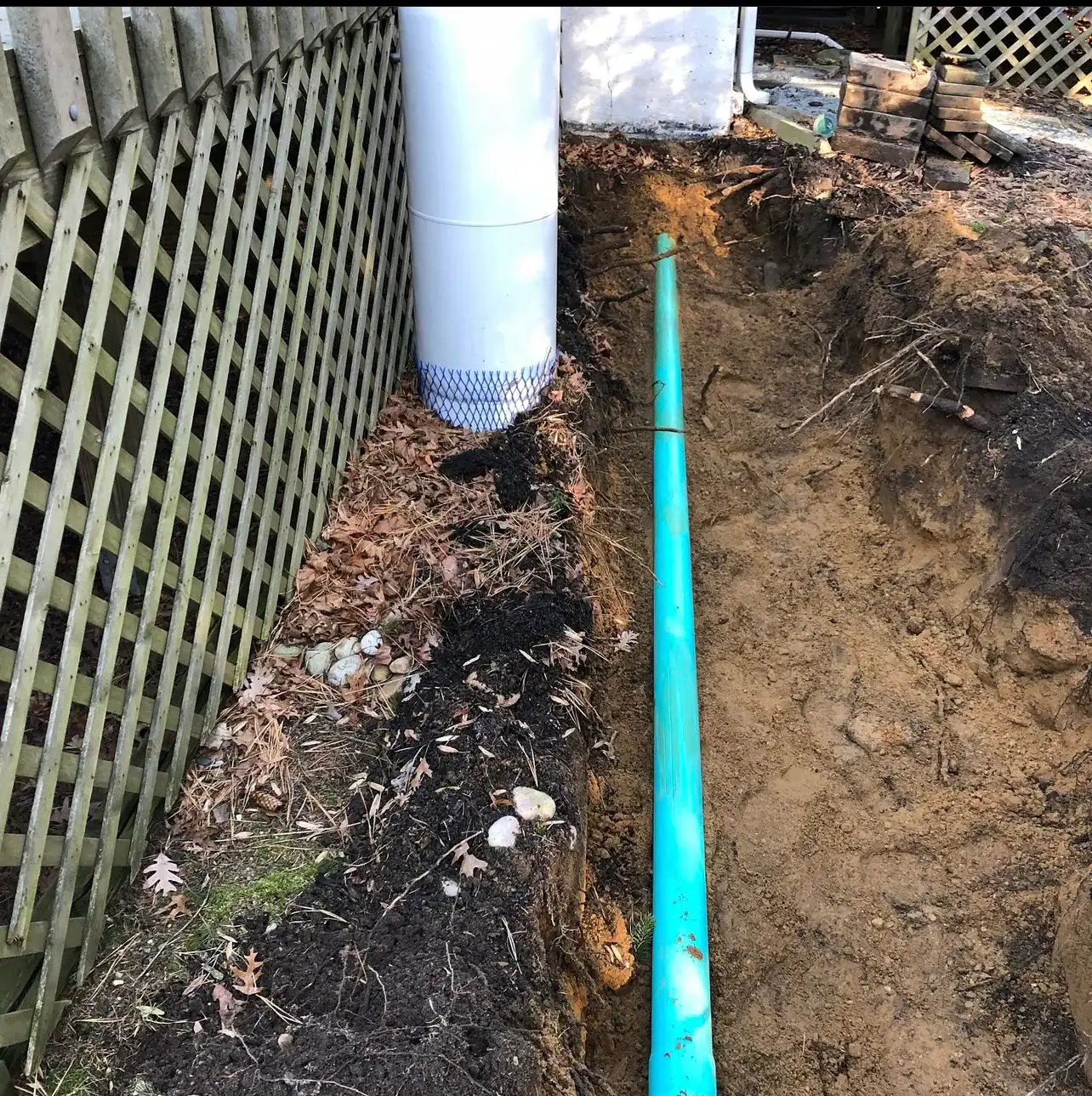
The work includes site restoration after installation. We’re not leaving your yard torn apart—we backfill properly, grade the area correctly, and restore the surface so your property looks right when we’re done.
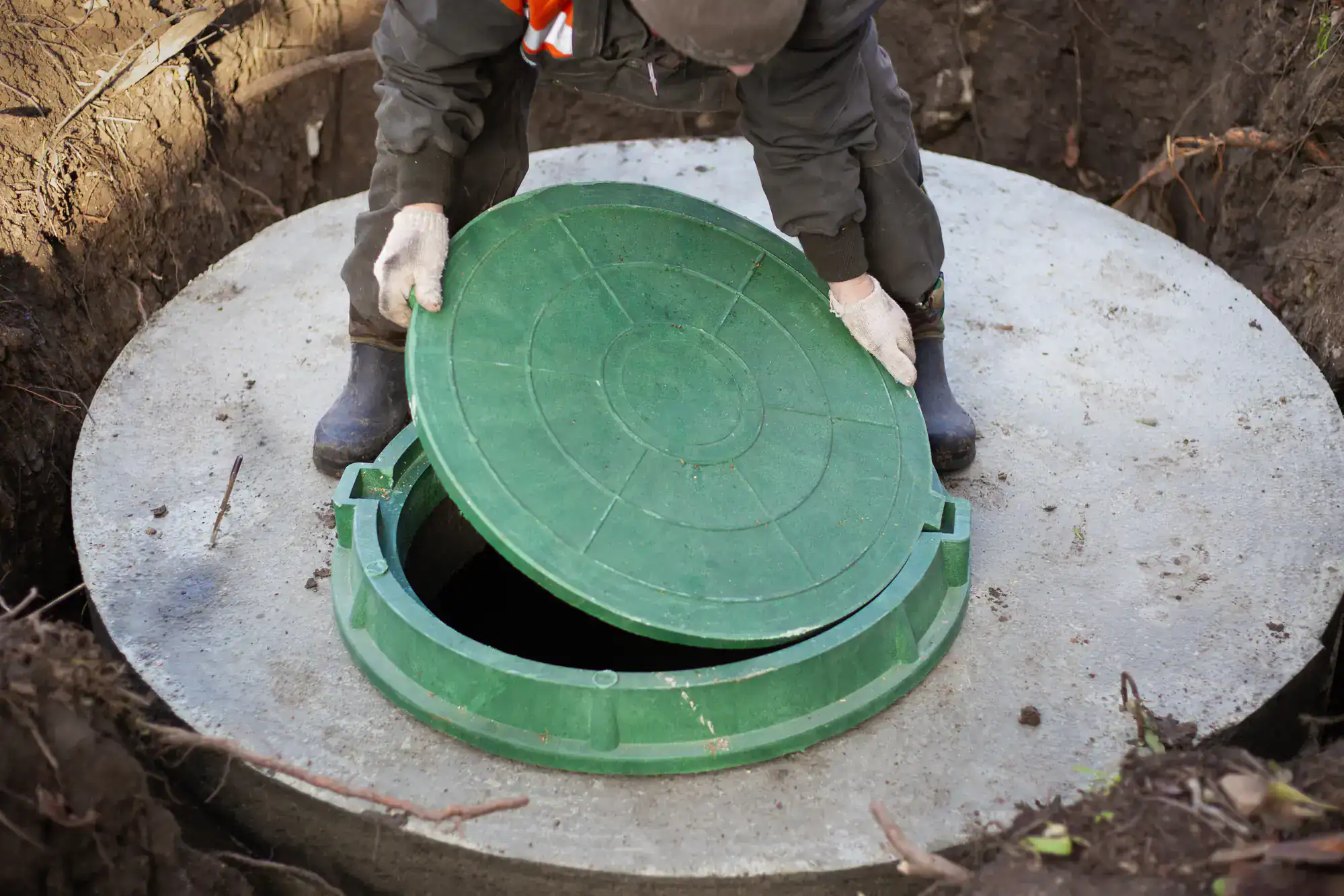
The physical installation typically takes two to three days once permits are approved and weather cooperates. That’s the actual excavation, tank placement, and system installation.
The full timeline from initial assessment to completed installation usually runs six to eight weeks. Most of that time is permit processing through Suffolk County, which takes two to four weeks on average. We can’t control government processing times, but we can make sure your application is complete and correct so there are no delays from missing information or errors.
Weather affects the schedule, especially during wet seasons when soil conditions make excavation difficult or unsafe. We don’t rush installations when conditions aren’t right—that’s how systems fail prematurely. If we need to wait a few days for the ground to dry out, that’s what happens.
You need a permit from the Suffolk County Department of Health Services before any installation work begins. That’s not optional—it’s required by law, and working without a permit can result in fines and mandatory system removal.
The permit application requires a site plan showing your property boundaries, existing structures, well locations, and proposed system placement. It also requires soil testing results and engineering specifications for the system design. Suffolk County reviews everything to make sure the installation meets setback requirements and environmental standards.
As of 2019, Suffolk County requires nitrogen-reducing systems for all new installations. Traditional cesspools are no longer permitted. That means you’re installing an I/A OWTS system that actively treats wastewater before it enters the soil. The permit process verifies your system meets these current standards, not outdated regulations from decades ago.
That depends entirely on proper soil testing and system design. Mastic Beach has varying soil conditions—some areas have sandy soil that drains quickly, others have clay-heavy soil that drains slowly. Your system needs to be designed for your specific property’s soil characteristics.
We conduct percolation tests that measure how fast water moves through your soil. That data determines the size and configuration of your leach field. If your soil drains slowly, you need a larger leach field area to handle the same amount of wastewater. If we skip this testing and guess, your system might fail within a few years because it can’t handle normal household use.
Suffolk County’s water table also affects system design. Areas closer to the coast or near wetlands have higher water tables that can interfere with system function. We account for seasonal water table fluctuations when designing your system so it works year-round, not just during dry months.
If an installation fails inspection, the specific issues need to be corrected before the system can be used. Common failure points include incorrect setback distances, improper tank installation, inadequate leach field sizing, or missing system components.
We don’t have installation failures because we know what inspectors are looking for before we start the job. Every installation follows Suffolk County specifications exactly. We’re not guessing about setback distances or estimating system sizes—we’re using the actual requirements that inspectors will verify.
If something unexpected comes up during inspection—like discovering an unmarked well or underground utility that affects system placement—we address it immediately. That might mean adjusting the leach field layout or relocating certain components. These situations are rare when proper site assessment is done upfront, but when they happen, we handle them without passing the problem to you.
Technically, Suffolk County allows homeowners to install their own systems, but you’re still required to obtain permits, pass inspections, and meet all regulatory requirements. You’re also personally liable if the installation fails or causes environmental damage.
Most homeowners don’t have the equipment needed for proper installation. You need excavation machinery, proper bedding materials, specialized tools for tank placement, and knowledge of Suffolk County’s specific installation standards. Renting equipment and buying materials often costs more than you’d save by not hiring professionals.
The bigger risk is installing a system that passes initial inspection but fails within a few years because of improper soil assessment, incorrect sizing, or poor construction techniques. When that happens, you’re paying for a complete replacement—not just repairs. Professional installation includes warranty protection and accountability. DIY installation means you’re on your own when problems develop.
If your current system is over 30 years old, showing signs of structural failure, or can’t handle your household’s wastewater volume, replacement is usually the right answer. Repairs make sense for newer systems with isolated problems like damaged pipes or a failing pump.
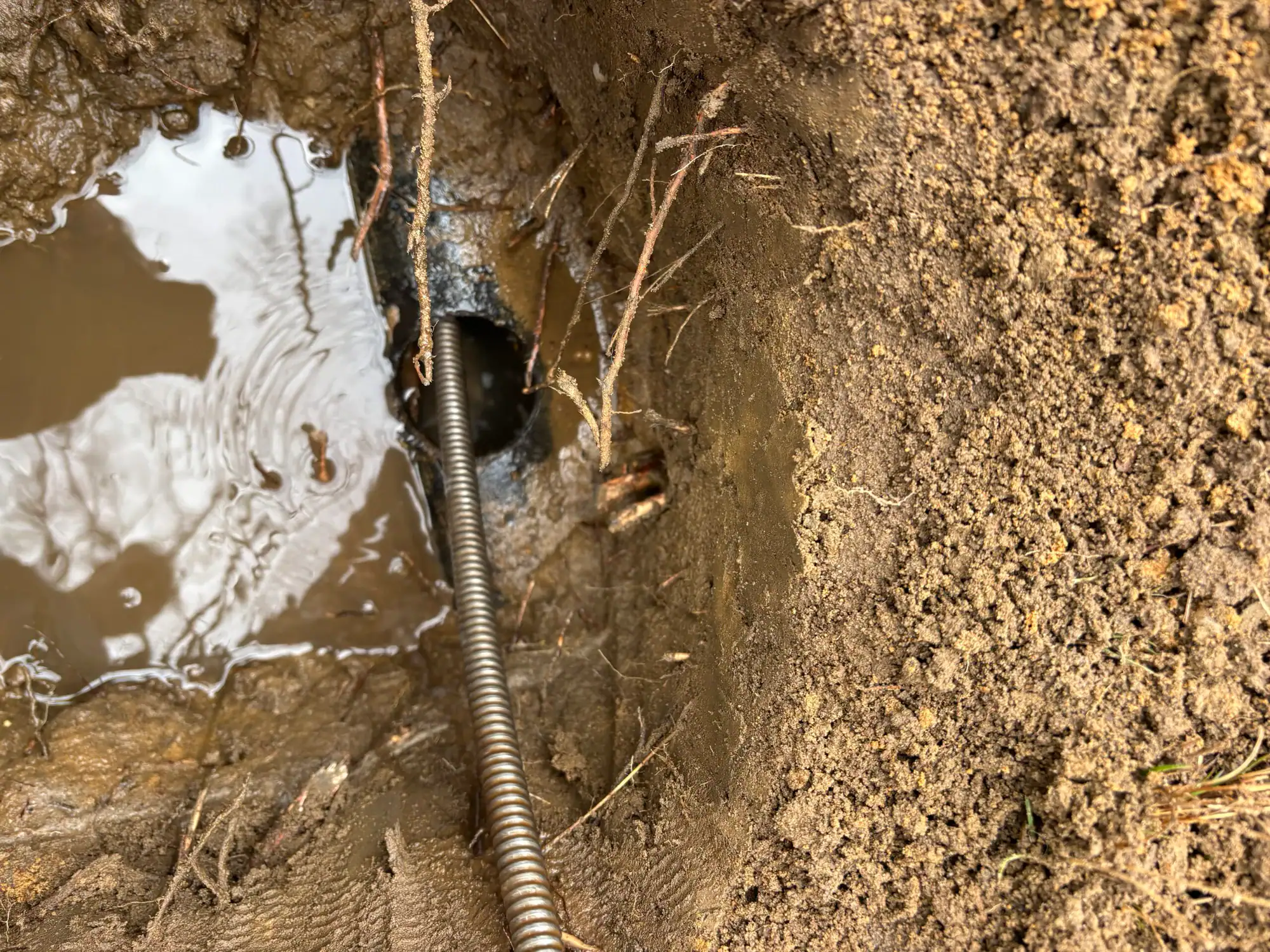
Signs that point to replacement include frequent backups even after pumping, sewage surfacing in your yard, soggy areas around the system, or strong odors that don’t go away. These indicate the system isn’t processing wastewater properly anymore. You can pump it every month, but that doesn’t fix a collapsed leach field or a deteriorated tank.
Suffolk County’s regulations also affect this decision. If your current system is a traditional cesspool that’s failing, you can’t replace it with another traditional cesspool. You’re required to install a nitrogen-reducing I/A OWTS system that meets current environmental standards. That’s not a repair—that’s a full replacement with a completely different type of system.
Other Services we provide in Mastic Beach