Hear From Our Clients
You’re not dealing with backups anymore. Your drains work. Your yard isn’t soggy. And when it’s time to sell or refinance, you’ve got the documentation Suffolk County requires.
That’s what a proper cesspool installation in Sag Harbor gets you. Not just a hole in the ground—a system that’s sized correctly for your property, installed to code, and built to handle Long Island’s clay soil conditions without failing in five years.
The difference shows up when inspectors arrive and everything checks out. When your neighbors are scrambling to fix violations before closing, you’re already clear. When heavy rains hit and other systems overflow, yours keeps working because it was designed for the load and the location.
We’ve handled cesspool installations across Suffolk County for over 25 years. We know Sag Harbor properties—the older homes near Main Street, the waterfront lots with tight setback requirements, the historic cottages where access is tricky.
We’re not a crew that shows up, digs, and disappears. We’re licensed, insured, and local. We pull the permits, coordinate inspections, and make sure your installation meets Article 6 regulations without you having to translate county code.
You’re working with a family-owned business that’s been here long enough to know what actually works in this area. And we’re still here because we do the job right the first time.

First, we assess your property. That means checking soil conditions, measuring setbacks from wells and property lines, and figuring out what size system you actually need based on your home’s usage and Suffolk County requirements.
Then we handle the permits. You don’t chase down health department approvals or try to decode nitrogen-reduction mandates. We submit everything, coordinate inspections, and keep the process moving.
Installation day, we excavate, set the tank, connect your plumbing, and backfill. If you’ve got landscaping or hardscaping that needs protecting, we work around it. If access is tight, we adjust. The goal is a functioning system that passes inspection without tearing up more of your yard than necessary.
After installation, we walk you through maintenance requirements and provide all documentation for your records. You’ll have everything you need for future property transfers or inspections.

Ready to get started?
You’re getting a full system replacement, not a patch job. That includes site evaluation, permit applications, health department coordination, excavation, tank installation, and final inspection scheduling.
In Sag Harbor, that also means navigating setback requirements that are stricter near the harbor. Properties close to water need additional considerations for environmental protection. Older homes often have unique challenges—shallow bedrock, limited access, or existing systems that weren’t documented properly.
We handle residential cesspool installation for single-family homes, multi-family properties, and older estates that need modern compliance. If your property requires a nitrogen-reducing system under current Suffolk County regulations, we’ll spec and install what’s required.
The installation includes connecting to your existing plumbing, proper grading for drainage, and backfilling with appropriate materials. You’re not left with a crater in your yard or a system that settles unevenly in six months.
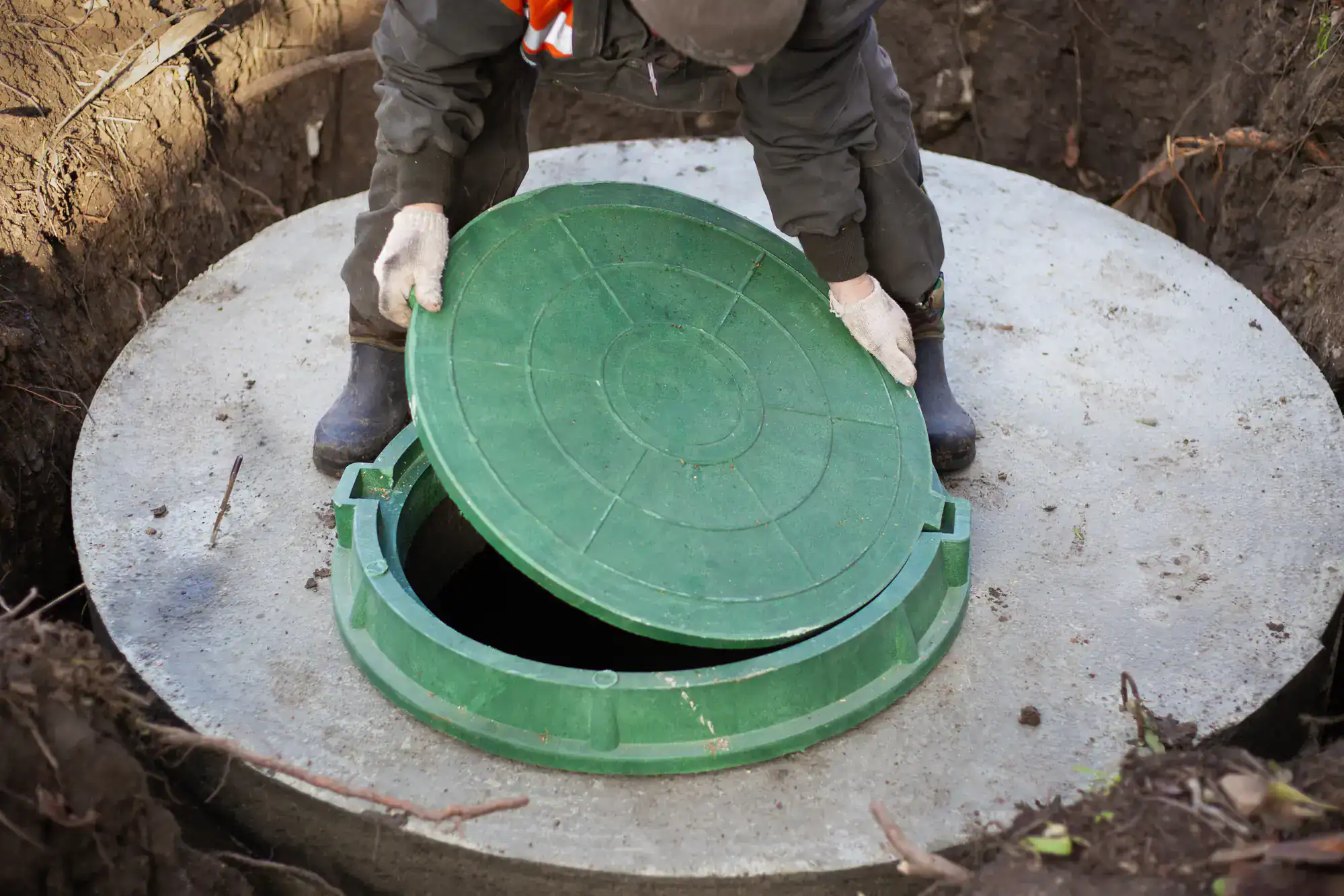
Suffolk County banned new cesspool installations in July 2019. If you’re replacing an old cesspool, you need to upgrade to a septic system that meets current Article 6 regulations.
That means you’re installing a septic tank with a leaching system, not just replacing your old cesspool with another one. The new system needs to handle wastewater treatment differently—separating solids, allowing bacterial breakdown, and in many cases, reducing nitrogen levels before discharge.
For Sag Harbor properties, this often means a nitrogen-reducing septic system if you’re near water bodies or in areas with high water tables. The health department determines specific requirements based on your lot size, soil conditions, and proximity to wells or surface water. We handle that evaluation and make sure your new system meets every requirement without you having to interpret county regulations.
Permitting typically takes two to four weeks depending on health department schedules and how quickly your application moves through review. The actual installation usually takes one to three days once permits are approved.
That timeline assumes normal conditions—accessible property, cooperative weather, and no surprises underground. If we hit bedrock, need to relocate utilities, or deal with unexpected groundwater, it takes longer.
The permit phase is where most delays happen. Suffolk County requires detailed site plans, soil testing results, and system specifications before approving any cesspool replacement. We submit everything correctly the first time to avoid back-and-forth revisions that stretch the timeline. Once we’re approved and scheduled, the physical work moves quickly. You’re not waiting weeks for installation—you’re waiting for bureaucracy to clear.
You need a permit from the Suffolk County Department of Health Services before any excavation starts. That permit requires a site plan showing your property boundaries, existing structures, wells, and proposed system location with all required setbacks.
The health department reviews your application to confirm you’re meeting minimum distances from wells (100 feet), property lines (20 feet), and buildings (20 feet). They also verify your system is sized correctly for your home’s bedroom count and daily wastewater volume.
In some cases, you’ll also need a building permit from the Town of Southampton if your installation involves structural changes or affects other permitted systems. We handle all permit applications, coordinate required inspections, and make sure you’re not missing documentation that could delay approval or cause problems during property transfers later.
Slow drains throughout your house are usually the first sign. If multiple fixtures are backing up or draining slowly, your cesspool is likely full or failing.
Soggy areas in your yard, especially near where your cesspool is located, mean wastewater isn’t absorbing properly anymore. You might notice sewage odors outside or even inside your home when the system backs up.
If you’re pumping your cesspool more than once a year, that’s another indicator it’s not functioning correctly. A properly working system shouldn’t need constant pumping. And if you’re buying or selling property in Sag Harbor, Suffolk County requires pumping records and system documentation—if your cesspool is old or undocumented, replacement is often required before transfer. We can assess your current system and tell you whether you’re looking at repairs or full replacement.
Yes, because septic systems actually treat wastewater instead of just collecting it. Your old cesspool was basically a holding tank that let everything seep into the ground untreated.
Modern septic systems separate solids in the tank, allow bacterial breakdown of waste, and discharge only clarified liquid into the leaching field. That means less frequent pumping, better drainage, and significantly less environmental contamination.
For Sag Harbor properties, newer nitrogen-reducing systems also protect the harbor and local groundwater by removing up to 90% of nitrogen before discharge. You’ll notice fewer backups, better drainage during heavy use, and a system that doesn’t need pumping every year. The technology is just better—and it’s what Suffolk County requires because it actually works long-term without creating the pollution and failure issues cesspools caused.
Suffolk County can issue violations that prevent you from selling or refinancing your property until the system is brought into compliance. If your cesspool is creating a health hazard—sewage backups, contamination, or overflow—the health department can mandate immediate replacement.
You’re also risking damage to your home’s foundation if sewage backs up into your basement or crawl space. Raw sewage contains pathogens that create serious health risks for anyone living in the house.
And if your failing cesspool contaminates a neighbor’s well or causes environmental damage, you’re liable for remediation and potential legal action. The longer you wait, the more expensive the problem gets—emergency cesspool replacement costs more than planned installation, and you’re dealing with cleanup and repairs on top of the system itself. Getting it handled before it becomes an emergency saves you money and protects your property value.
Other Services we provide in Sag Harbor