Hear From Our Clients
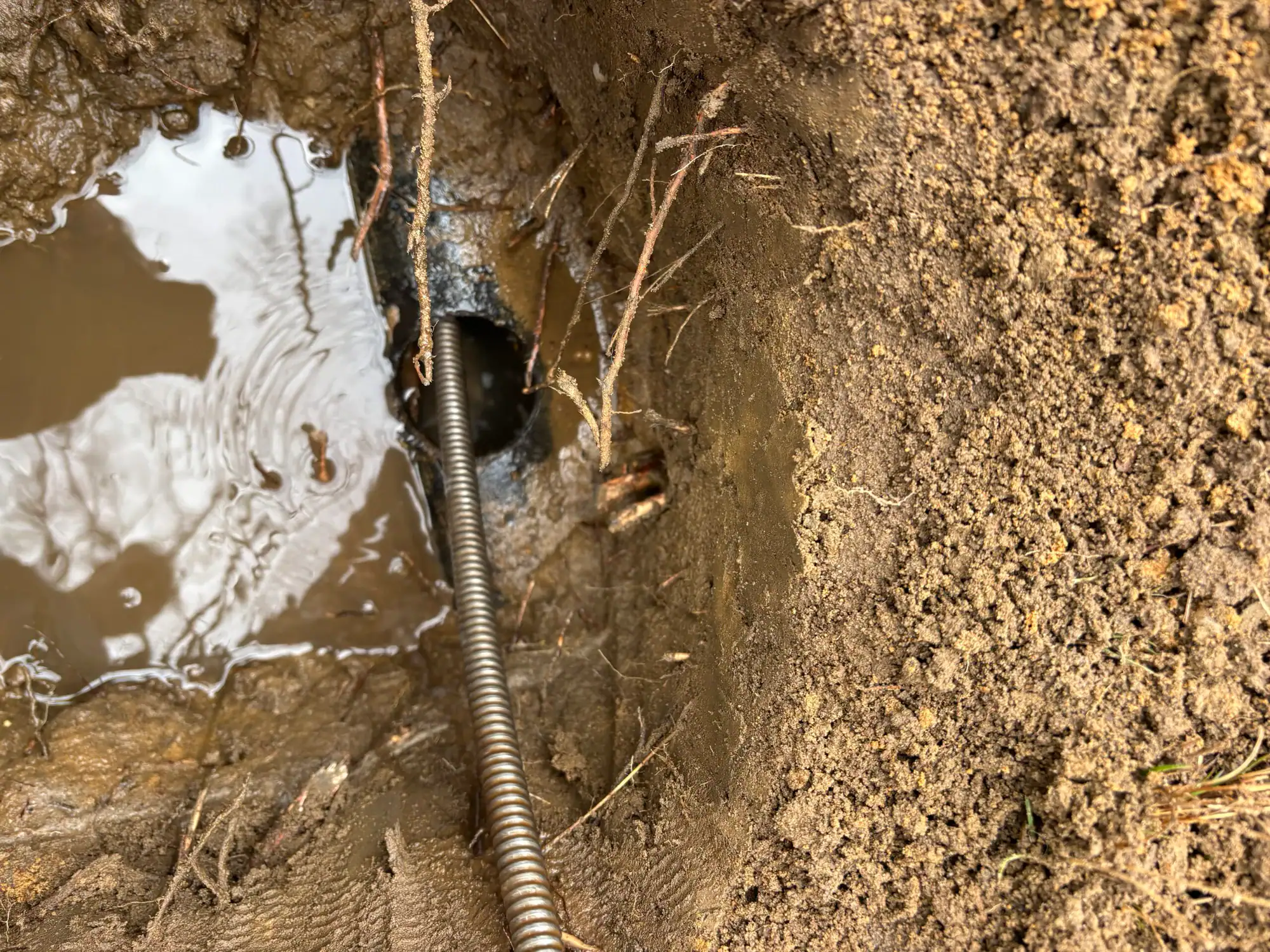
A system installed correctly handles your household wastewater without backing up into your home or surfacing in your yard. That’s the baseline.
Beyond that, you’re looking at compliance with Suffolk County’s nitrogen-reduction requirements, which changed how every new system gets installed starting in 2019. The regulations now require at minimum a septic tank preceding the leaching structure—straight cesspool installations aren’t permitted anymore.
Your property also needs proper permitting through the local health department, which means inspections at excavation, tank placement, and backfill stages. Miss any of those steps and you’re dealing with compliance issues that cost more to fix later than doing it right initially.
The soil conditions in West Bay Shore matter too. Sandy soil absorbs quickly but doesn’t filter nitrogen effectively without the right system design. High water tables create different challenges. A system designed for your specific property conditions works reliably for 20 to 30 years instead of failing within the first decade.
We’ve handled cesspool and septic installations across West Bay Shore and Suffolk County for over 25 years. We’ve seen how systems perform in local soil conditions, how regulations have evolved, and what actually works long-term versus what creates problems down the road.
Being family-owned means the same people answering your calls are the ones coordinating your installation. No corporate runaround. No technicians with six weeks of training trying to figure out Long Island soil on your property.
We’re licensed with Suffolk County Consumer Affairs, fully insured, and on the county’s approved installer list—which matters if you’re applying for grant funding that covers up to $10,000 of your installation. West Bay Shore properties face the same nitrogen-reduction requirements as the rest of Suffolk County, and we handle the permit process, inspections, and compliance documentation so you don’t have to decode Article 6 of the Sanitary Code yourself.

First, we assess your property’s soil conditions, water table depth, and setback requirements from wells and property lines. Suffolk County requires 100 feet from water wells and 20 feet from property lines, so your system location gets determined by those regulations plus where your home sits on the lot.
Next comes permit applications through the local health department. Processing typically takes two to four weeks for approval. During that time, we’re coordinating inspection schedules so the project doesn’t stall waiting for the health department to show up.
Once permits clear, excavation starts. The health department inspects the excavation before any tanks go in. Then we place your septic tank and leaching system—or I/A OWTS if your property requires nitrogen reduction—and call for the tank placement inspection. After that passes, backfilling happens with a final inspection before the system goes live.
The entire process from permit application to finished installation usually runs six to eight weeks, depending on health department scheduling. Your property gets restored to grade, and you have a system designed to handle your household’s wastewater output for the next several decades.

Ready to get started?
Every installation starts with a site evaluation specific to your West Bay Shore property. Soil percolation rates, groundwater depth, and existing site conditions all affect system design. You’re not getting a one-size-fits-all approach—your system gets engineered for your lot.
Permit coordination with Suffolk County Health Department is part of the service. We handle the paperwork, schedule the required inspections, and make sure everything meets current code requirements. That includes nitrogen-reduction standards if your property falls under the I/A OWTS requirements.
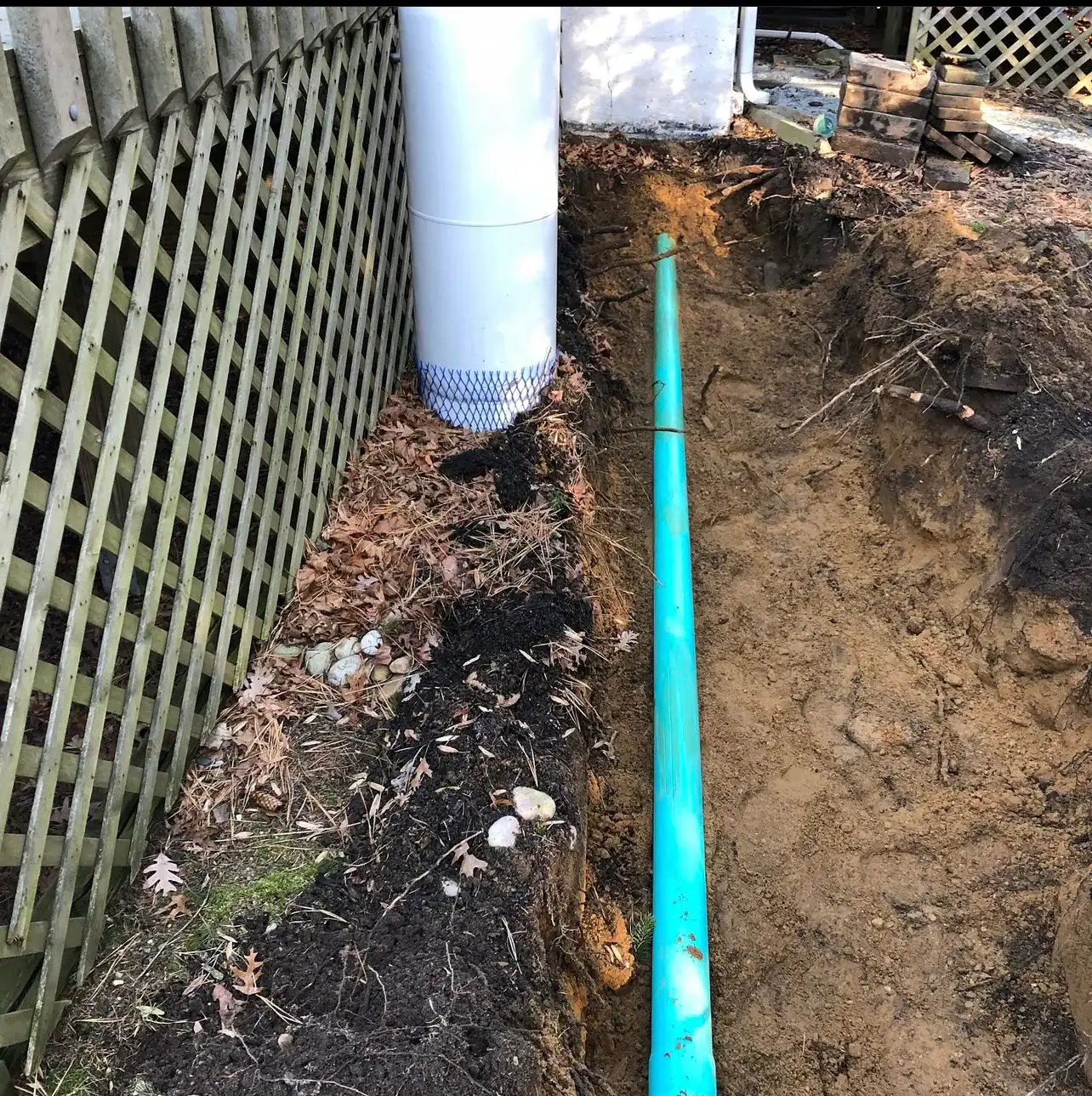
The physical installation includes excavation, tank placement, leaching field or advanced treatment system setup, and proper backfilling with site restoration. All materials meet or exceed Suffolk County specifications. All work gets inspected at the required stages.
West Bay Shore sits in an area where approximately 360,000 Suffolk County homes rely on individual wastewater systems, and the entire population depends on groundwater for drinking water. That’s why the nitrogen-reduction push happened—traditional systems weren’t designed to remove nitrogen, which causes algal blooms and beach closures. Modern I/A OWTS systems reduce nitrogen in residential wastewater by up to 70%, which protects the groundwater your neighbors—and you—drink from.
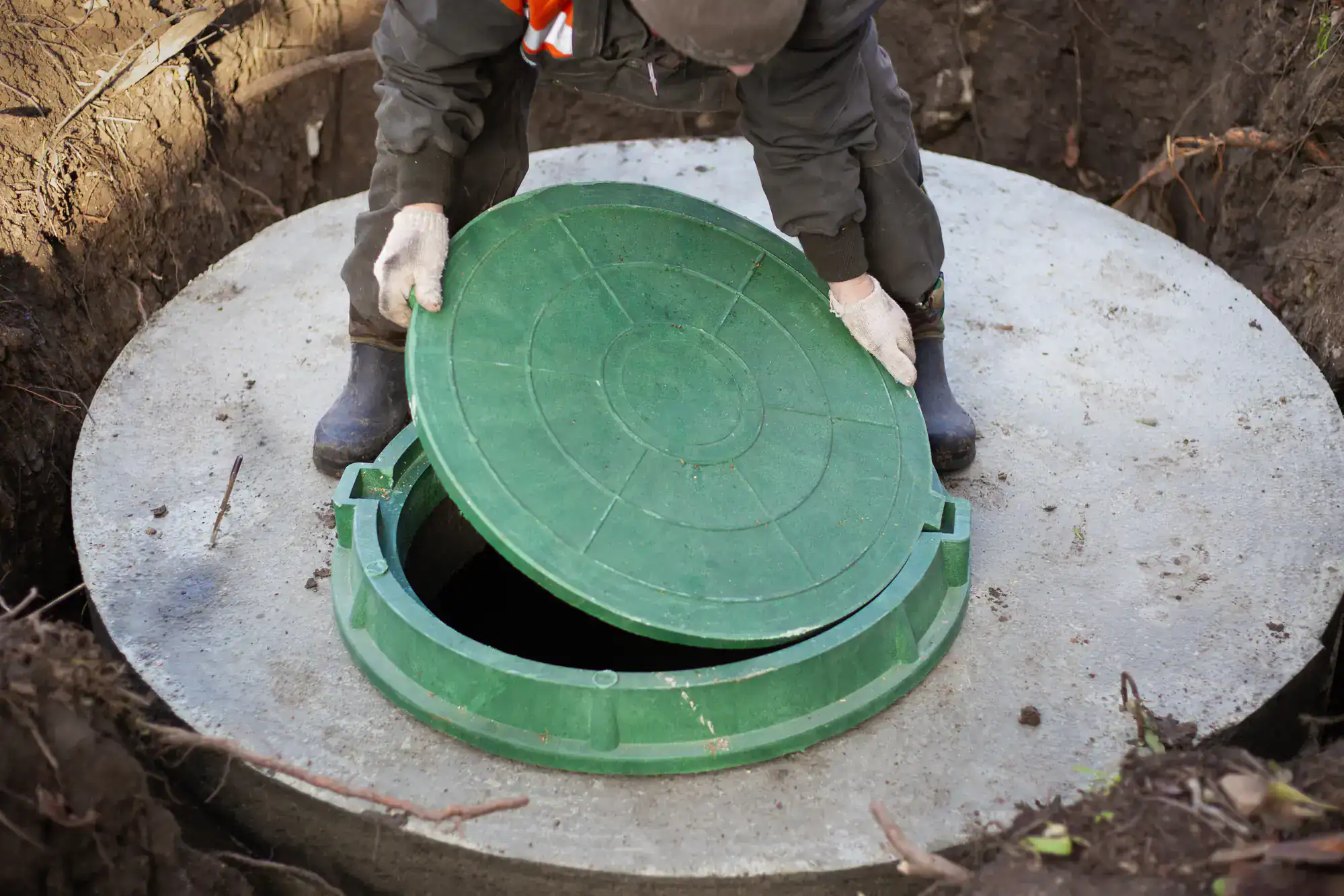
No. Suffolk County banned new cesspool installations effective July 1, 2019. If your existing cesspool fails completely—sewage backing up into your home, waste surfacing in your yard, or structural collapse—you’re required to replace it with at minimum a conventional septic system.
That means a septic tank preceding the leaching structure, not another cesspool. Depending on your property’s location and characteristics, you might need an I/A OWTS (Innovative/Alternative Onsite Wastewater Treatment System) that reduces nitrogen levels.
Existing cesspools can generally remain in operation if they’re still functioning. But new construction, replacement dwellings, bedroom additions that increase wastewater output, or major reconstruction projects costing 50% or more of your property’s market value all trigger the requirement for a compliant system. Most homes in West Bay Shore built before the 1970s still have cesspools, but once those systems fail, they’re getting replaced with modern septic or I/A OWTS installations.
From permit application to finished installation, expect six to eight weeks. The health department permit approval process takes two to four weeks on average. Once permits are approved, the physical installation work typically takes one to two weeks, depending on weather, soil conditions, and system complexity.
I/A OWTS installations take longer than conventional septic systems because of the additional components—pumps, treatment tanks, and monitoring equipment. But the timeline is mostly controlled by inspection scheduling with the health department, not the installation work itself.
You’ll need to be present or available for three inspections: excavation, tank placement, and final backfill. Missing an inspection pushes your timeline back, sometimes by a week or more depending on the inspector’s schedule. We coordinate those inspections to keep the project moving, but Suffolk County inspection availability varies throughout the year. Spring and summer tend to be busier, which can extend timelines slightly.
A conventional septic system uses a tank to separate solids from liquids, then disperses the liquid into a leaching field where soil bacteria break down contaminants. It’s a passive system—no pumps, no electricity, minimal maintenance beyond pumping the tank every few years.
An I/A OWTS (Innovative/Alternative Onsite Wastewater Treatment System) adds advanced treatment stages that actively reduce nitrogen levels before wastewater reaches the leaching field. These systems use pumps, aerators, and additional treatment tanks to support bacteria that remove nitrogen. They require electricity to operate and more frequent maintenance than conventional septic systems.
Suffolk County requires I/A OWTS installations in certain areas to address nitrogen pollution affecting groundwater and surface waters. If your West Bay Shore property is in a designated nitrogen-reduction area, or if you’re near sensitive water bodies, you’ll likely need an I/A OWTS instead of a conventional septic system. The health department determines which system type your property requires based on location and environmental factors. The upfront installation is more involved, but grant programs can cover up to $10,000 of the expense for Suffolk County residents.
Yes. Every new cesspool or septic system installation in Suffolk County requires permits from the local health department. No exceptions.
The permit process involves submitting site plans, soil evaluations, and system design specifications for review. The health department verifies that your proposed system meets setback requirements, soil conditions support the design, and the system type complies with current regulations for your property’s location.
Once approved, you’ll have three mandatory inspections during installation: one after excavation before any tanks go in, one after tank placement before backfilling, and a final inspection after backfilling is complete. Each inspection must pass before moving to the next phase. If you or your installer proceed without passing inspections, you’re facing compliance violations that can halt the project and require expensive corrections.
Using an installer on Suffolk County’s approved list—like us—ensures the permit process goes smoothly and inspections pass the first time. It also matters if you’re applying for grant funding, because the county requires approved installers for any projects receiving grant money.
West Bay Shore sits on Long Island’s South Shore, where soil composition varies from sandy to loamy depending on your specific lot. Sandy soils drain quickly, which sounds good but actually creates challenges for nitrogen filtration—wastewater moves through too fast for soil bacteria to break down contaminants effectively.
Areas with higher water tables present different issues. If groundwater sits close to the surface, your leaching field needs to be positioned higher or designed with additional treatment capacity to prevent untreated wastewater from reaching groundwater before it’s properly filtered.
Soil percolation testing determines how quickly water moves through your soil, which affects leaching field size and design. Slow percolation requires a larger leaching area. Fast percolation might require an I/A OWTS to treat nitrogen before wastewater enters the soil. The health department requires these tests as part of the permit application, and the results directly influence what system design will work on your property. That’s why site evaluation happens before any installation work begins—your soil conditions determine what system you need, not just what you prefer.
The Suffolk County Health Department determines system requirements based on your property’s location relative to sensitive water bodies, groundwater protection areas, and nitrogen-reduction zones. West Bay Shore properties near the Great South Bay or in designated groundwater recharge areas typically require I/A OWTS installations.
When you apply for a permit, the health department reviews your property’s environmental characteristics and tells you which system type is required. You don’t get to choose between conventional septic and I/A OWTS—the regulations dictate what your property needs.
Properties in nitrogen-reduction zones must install systems that remove at least 50% of nitrogen from wastewater before it reaches the leaching field. I/A OWTS systems accomplish this through additional treatment stages that conventional septic systems don’t have. The goal is protecting Long Island’s sole-source aquifer and reducing nitrogen pollution that causes harmful algal blooms and beach closures. If your property falls under these requirements, grant programs exist to offset installation expenses—up to $10,000 for Suffolk County residents, with an additional $5,000 available for low to moderate income applicants. We handle grant application documentation as part of the permit process.
Other Services we provide in West Bay Shore