Hear From Our Clients
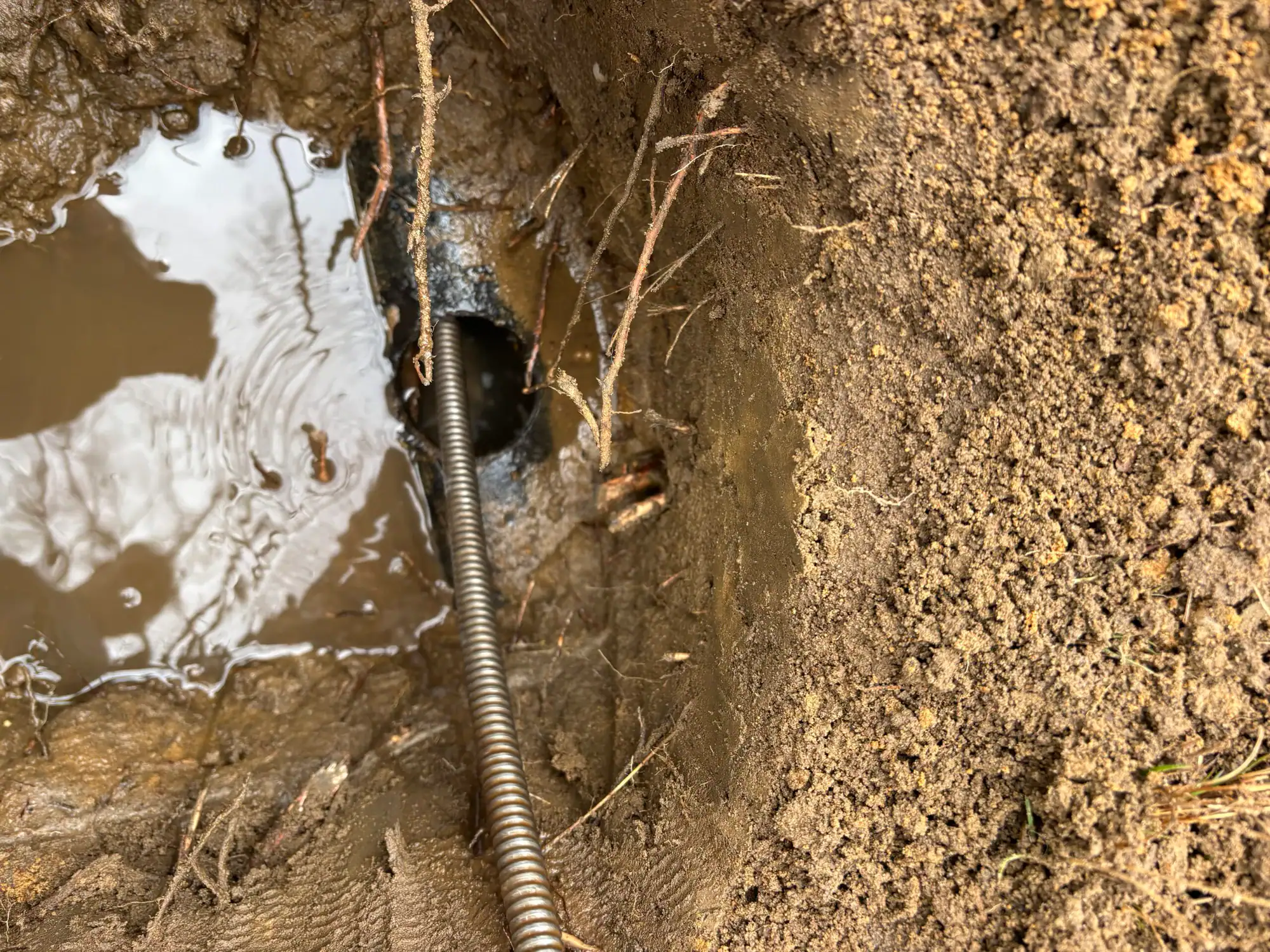
A cesspool system that’s installed correctly doesn’t just pass inspection. It handles your household waste safely for 20 to 30 years without backing up into your home or surfacing in your yard.
That means no emergency calls on weekends. No sewage smell during family gatherings. No scrambling to find someone who can fix what another company rushed through.
When your system is built to Suffolk County standards from day one, you’re protecting your property value and your family’s health. The permitting process gets handled. The soil testing gets done right. The inspections happen on schedule. And when the job’s finished, everything works the way it should—because it was installed by people who’ve been doing this in Westhampton for over 25 years.
We’ve been installing and replacing cesspool systems in Westhampton and throughout Suffolk County since 1998. We’re a family-owned operation, which means the same people who answer your call are the ones who show up to do the work.
We’ve seen how Suffolk County regulations have changed—especially since the 2019 cesspool installation ban. We know what triggers a required upgrade, what the health department looks for during inspections, and how Westhampton’s sandy soil affects drainage and system design.
Our team holds current Suffolk County Consumer Affairs licenses and maintains full insurance. We’re A+ rated with the Better Business Bureau, and we’ve earned over 325 five-star reviews from homeowners who needed their systems installed correctly without the runaround.

First, we handle the permit application with the Suffolk County Department of Health Services. That includes soil percolation testing to determine how quickly water drains through your property, plus verifying setback distances from wells, property lines, and structures.
Once permits are approved, the installation typically takes one to two days for most residential properties. Our crew excavates the site, installs the tank and distribution system according to approved plans, and coordinates required inspections during construction phases.
The health department inspector verifies everything before backfilling—tank placement, pipe connections, soil conditions, and system capacity. After final approval, we complete the installation and provide you with all documentation for your records. Your new system is ready to handle waste safely and meet current Suffolk County standards for decades.

Ready to get started?
Every cesspool installation in Westhampton includes full permit coordination, soil testing, and health department inspections. We’re managing the entire process so you don’t have to track down paperwork or wonder if something was missed.
For properties in Suffolk County, new installations now require I/A OWTS systems—innovative and alternative onsite wastewater treatment systems that reduce nitrogen pollution. These systems protect Long Island’s drinking water supply and help address the algae blooms affecting local bays. About 74% of Suffolk County remains unsewered, which means proper cesspool and septic installation directly impacts water quality for your neighbors and your own property.
Westhampton’s soil conditions play a major role in how your system performs. The sandy soil common throughout the area affects drainage patterns and requires specific system modifications for optimal function. Our installation teams account for these local conditions during every job, adjusting system design to match your property’s unique characteristics. That’s the difference between a system that works and one that fails inspection or causes problems down the road.
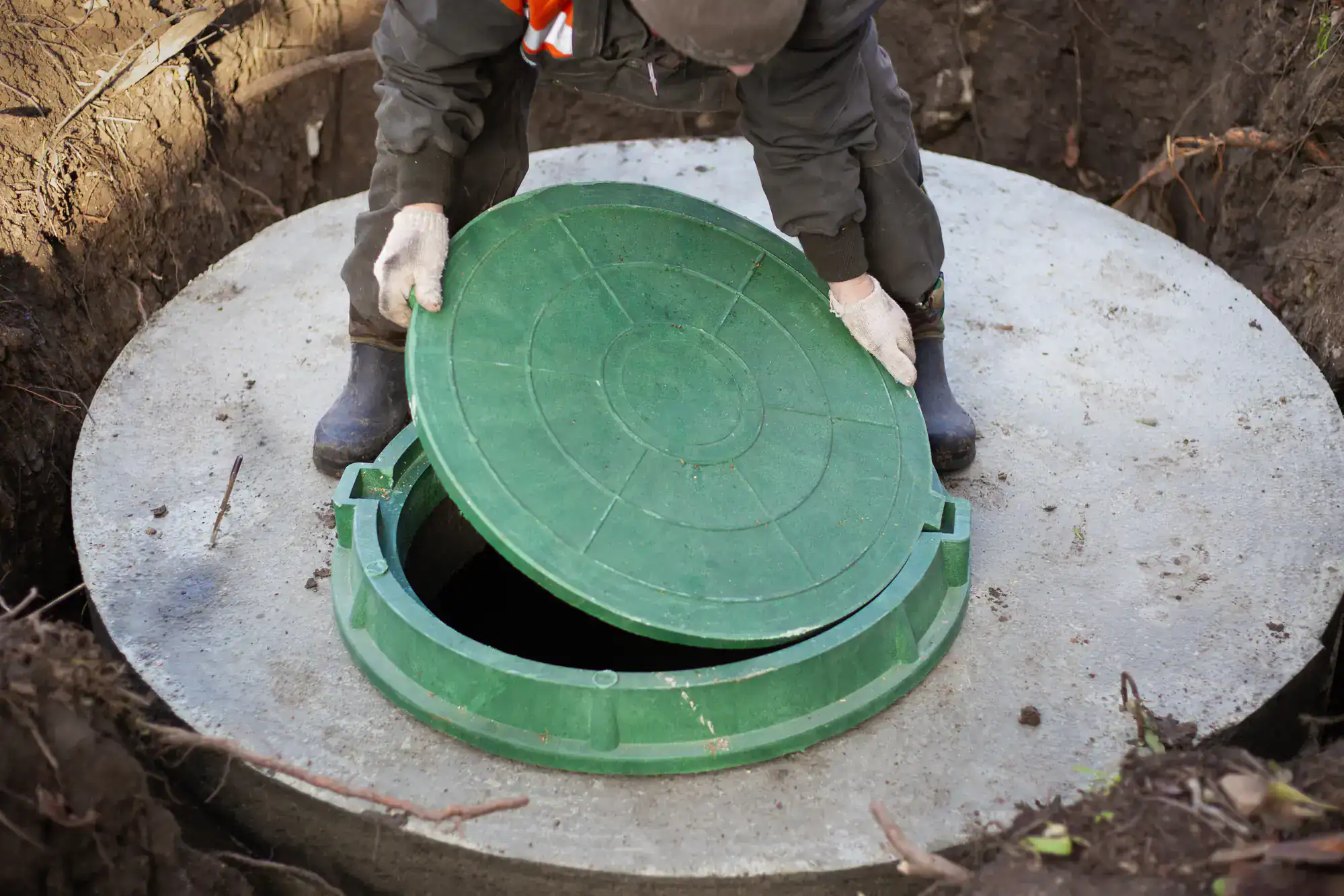
You’ll need a permit from the Suffolk County Department of Health Services before any installation work begins. The permit application requires a site plan showing your property boundaries, existing structures, wells, and the proposed system location.
The health department also requires soil percolation testing to verify that your soil drains adequately. This test measures how quickly water moves through the ground, which determines what type of system you can install and how it needs to be designed.
Setback requirements are strict in Suffolk County. Your new cesspool system must be a specific distance from wells, property lines, buildings, and other structures. The permit process verifies all these distances before approval. Once the permit is issued, inspections happen during installation to confirm everything matches the approved plans. We handle all of this coordination so the process moves forward without delays.
Most residential cesspool installations in Westhampton take one to two days once permits are approved and materials are on site. The timeline depends on system size, soil conditions, and whether we’re replacing an existing system or installing on new construction.
The permit approval process takes longer than the actual installation. Depending on the health department’s current workload, permit review can take several weeks. That’s why starting the application early matters.
During installation, we coordinate inspections at specific stages. The health department needs to verify the excavation, tank placement, and pipe connections before we backfill. Scheduling these inspections properly keeps the job moving and prevents delays. Once final approval comes through, your system is ready to use. The key is proper planning and knowing exactly what the county requires at each step.
Suffolk County banned new cesspool installations starting July 1, 2019. If you’re installing a new system today, you’ll need an I/A OWTS—an innovative and alternative onsite wastewater treatment system that reduces nitrogen pollution.
Traditional cesspools don’t treat wastewater before it enters the ground, which contributes to nitrogen contamination in Long Island’s aquifers. The county implemented the ban to protect drinking water quality and reduce algae blooms in local bays.
For existing cesspools, replacement isn’t always required immediately. But if you’re doing major renovations, increasing your home’s square footage, or adding bedrooms, the health department may require a system upgrade. If your current cesspool fails or needs replacement for any reason, the new installation must meet current I/A OWTS standards. These systems cost more upfront but provide better long-term protection for your property and the local water supply.
If an installation doesn’t pass inspection, the health department identifies exactly what needs correction before you can proceed. Common issues include improper tank placement, incorrect pipe slopes, or setback distance violations.
The inspector won’t approve backfilling until everything meets code. That’s actually protecting you—once soil covers the system, fixing problems becomes much harder and more expensive. The inspection process catches issues while they’re still easy to correct.
We know what inspectors look for and build the system to pass the first time. That means proper excavation depth, correct tank leveling, appropriate pipe materials, and accurate placement according to approved plans. When installation follows Suffolk County standards from the start, inspections move smoothly and your project stays on schedule. Cutting corners or rushing through steps is what causes failed inspections and project delays.
Commercial properties in Westhampton require cesspool systems sized for higher wastewater volumes than residential installations. The system capacity depends on your business type, building size, number of employees, and expected daily water usage.
Restaurants, medical facilities, and retail spaces each have different wastewater characteristics that affect system design. Grease, chemicals, and other substances require special considerations that don’t apply to residential installations.
The permit process for commercial cesspool installation involves more detailed engineering and often requires a licensed professional engineer to design the system. Suffolk County reviews these applications more thoroughly because commercial systems handle larger volumes and have greater potential environmental impact. Installation timelines are typically longer for commercial projects, and inspection requirements are more stringent. Working with us means your project meets all regulatory requirements and handles your business’s specific wastewater needs.
Emergency cesspool replacement happens when your system fails suddenly—sewage backing up into your building, waste surfacing in your yard, or structural collapse. These situations require immediate action to protect health and property.
Emergency replacements still need permits and inspections, but the health department typically expedites the process when there’s an active sewage hazard. The installation itself follows the same standards as planned work, but scheduling happens much faster.
Planned cesspool installation gives you more control over timing, system selection, and project coordination. You can schedule the work during convenient weather, compare options for system types, and ensure everything happens without rushing. Emergency situations often mean higher stress, less flexibility, and working around urgent timelines. If your current system is 20 years old or showing signs of failure—slow drains, odors, soggy areas in your yard—addressing it before complete failure gives you better options and less disruption.
Other Services we provide in Westhampton