Hear From Our Clients

Your drains flow. Your toilets flush. You’re not wondering if this is the weekend everything backs up into your basement.
Regular cesspool pumping in East Hampton North means you’re not dealing with emergency calls, last-minute scrambles before houseguests arrive, or that sinking feeling when water starts pooling in places it shouldn’t. It means your system gets emptied before it reaches capacity—typically every two to three years, depending on how many people live in your home and how much water you use.
Here’s what that actually looks like: no sewage odors around your property, no soggy patches in your yard, and no failed inspections when you’re trying to sell or refinance. You’re also protecting groundwater in an area where sandy soil and high water tables don’t give you much margin for error. Most cesspools in East Hampton North hold between 1,000 and 1,500 gallons. When solids hit 25 to 30 percent of that capacity, it’s time to pump—not when you start seeing problems.
We’ve been handling cesspool and septic work across Suffolk County for over two decades. We’re not a franchise. We’re a family-owned operation that shows up, does the work, and doesn’t oversell what you don’t need.
East Hampton North has its own quirks—seasonal homes that see heavy summer use, older systems that weren’t built for today’s water consumption, and soil conditions that don’t forgive neglect. We’ve seen it all, and we know how to work with what you’ve got. Whether you’re a year-round resident or managing a property that sits empty half the year, we’ll tell you what your system actually needs and when.
We also support the people who serve this community. That’s why we offer discounts to military members, first responders, and seniors—and why we back organizations like Paws of War.

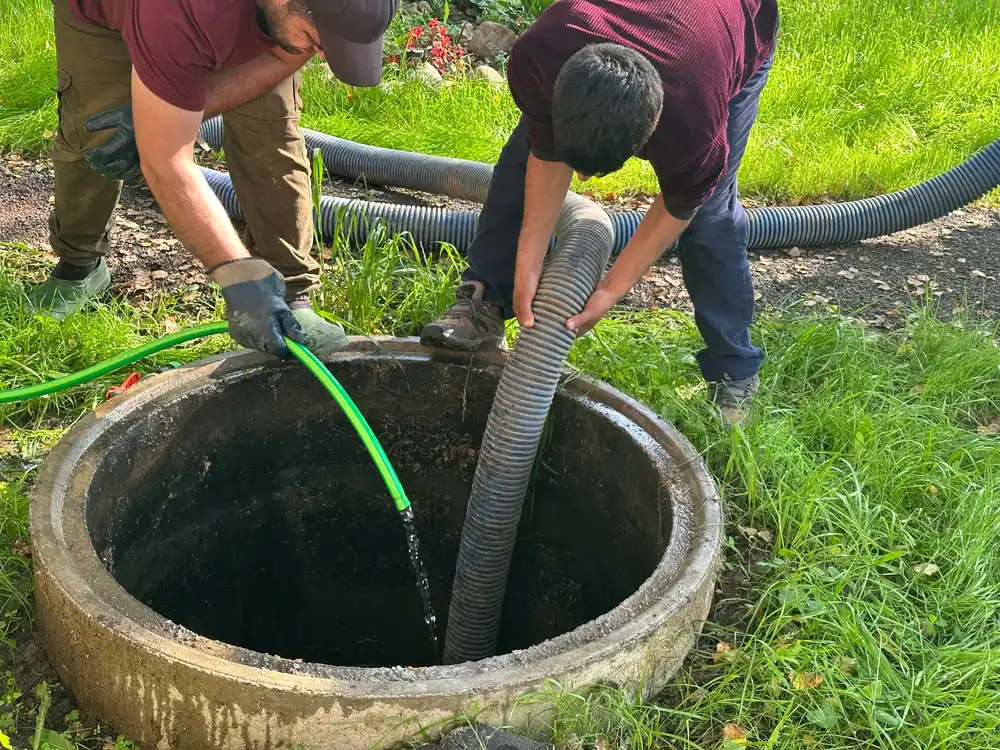
First, we locate your cesspool and open the access cover. Depending on your property, that might mean digging down a bit if it’s buried or overgrown—we handle that.
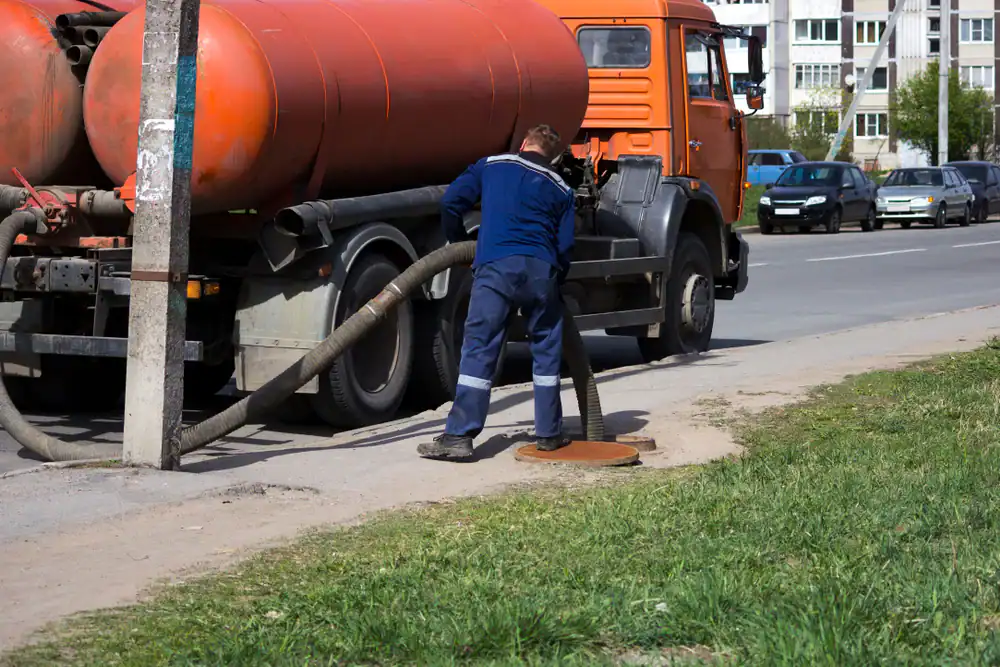
Next, we pump out the contents using a vacuum truck. This removes all the liquid waste and solids that have built up since your last service. While we’re doing that, we’re also checking the condition of your tank—looking for cracks, signs of deterioration, or anything that might cause problems down the road. If we see something, we’ll tell you. If we don’t, we’ll tell you that too.
Once the tank is empty, we make sure the inlet and outlet baffles are clear and functioning. Then we close it back up, document what we removed, and give you a receipt that shows the volume pumped and where it was disposed. That paperwork matters—especially if you’re selling your home or applying for permits in Suffolk County. You’ll also get a recommendation for when to schedule your next service based on your household size and usage patterns.
If it’s an emergency—backup, overflow, or something that can’t wait—we respond fast. Most calls in East Hampton North get a response within two hours.
Ready to get started?
When we pump your cesspool in East Hampton North, you’re getting a full tank evacuation—not a partial pump that leaves sludge behind. We remove liquid waste, solids, and anything else that’s accumulated since your last service.
You also get a system inspection while we’re there. We check for structural issues, baffle damage, and early warning signs that could turn into expensive repairs if ignored. If your tank is cracked or starting to fail, you’ll know before it becomes a crisis.
We provide documentation that proves the work was done—waste volume, disposal location, and system condition. That’s critical if you’re closing on a sale, refinancing, or dealing with Suffolk County regulations. A lot of homeowners in East Hampton North don’t realize that missing pump records can delay transactions or trigger fines between $250 and $2,000.
Pricing for standard cesspool pumping typically runs $400 to $700, depending on tank size and how much waste we’re removing. We don’t quote one price over the phone and then change it when we arrive. What we say is what you pay—unless we find something unexpected, and even then, we talk to you first.

Most homes need cesspool pumping every two to three years. That’s the general guideline, but your actual schedule depends on how many people live in your home, how much water you use, and whether your property sits empty for part of the year.
A family of four using a 1,000-gallon cesspool will fill it faster than a couple in a 1,500-gallon system. Seasonal homes in East Hampton North that see heavy summer traffic might need more frequent service because of the sudden spike in usage—showers, laundry, dishwashers all running at once after months of sitting idle.
The rule of thumb is to pump when solids reach 25 to 30 percent of your tank’s total capacity. Waiting longer than that increases your risk of backups, system failure, and expensive emergency calls. If you’re not sure when your system was last serviced, it’s worth getting it checked now rather than waiting for a problem to announce itself.
Solids build up, liquid has nowhere to go, and eventually your system backs up into your home or overflows onto your property. That’s the short version.
The longer version is that untreated waste starts breaking down your tank from the inside. Corrosive materials eat away at concrete or steel walls, leading to cracks and structural failure. In East Hampton North, where sandy soil and high water tables are common, a failing cesspool can contaminate groundwater fast—and that brings environmental violations, fines, and mandatory upgrades that cost tens of thousands of dollars.
You also run into problems when you try to sell your home. Properties with neglected cesspools often fail inspections, and buyers either walk away or demand that you replace the system before closing. A full cesspool replacement can run $15,000 to $30,000, compared to a few hundred dollars for routine pumping. Skipping maintenance doesn’t save money—it just moves the cost to the worst possible time.
Yes. We respond to emergency calls throughout East Hampton North, and most of the time we’re on-site within two hours.
Emergencies usually mean sewage backing up into your home, waste pooling in your yard, or drains that won’t clear no matter what you try. Those situations don’t wait for business hours, and neither do we. If your system is overflowing or you’re dealing with a backup, call us and we’ll get there as fast as we can.
That said, emergencies are almost always more expensive and more stressful than scheduled maintenance. If you’re reading this before you have a crisis, the best move is to get your cesspool pumped on a regular schedule. That keeps you off the emergency call list and keeps your system running the way it should.
Yes. Suffolk County requires documentation showing that your cesspool has been maintained by a licensed contractor, and buyers or their lenders will ask for proof during the transaction process.
If you can’t produce pump records, it raises red flags. Buyers assume the system hasn’t been maintained, and they’ll either request a full inspection, demand that you pump it before closing, or negotiate a lower price to cover potential repairs. In some cases, missing documentation can delay or kill a sale entirely.
We provide detailed receipts every time we service a cesspool in East Hampton North—waste volume, disposal facility, and system condition. Keep those records with your other home maintenance files. If you’ve lost them or you’re buying a property with no service history, get the system pumped and inspected before you move forward. It’s a small cost compared to what you’ll pay if something goes wrong after closing.
Sandy soil, high water tables, and seasonal property use. Those three factors change how cesspools perform and how often they need attention.
Sandy soil drains fast, which sounds good until you realize it also means less filtration before waste reaches groundwater. That’s why Suffolk County has strict environmental regulations here—and why failing systems get flagged quickly. High water tables mean your cesspool is already dealing with external pressure, and any cracks or leaks turn into bigger problems faster than they would in other areas.
Seasonal homes add another layer. If your property sits empty from September to May and then suddenly hosts a full house all summer, your cesspool goes from zero to full capacity in a matter of weeks. That kind of usage pattern can overwhelm a system that hasn’t been pumped recently, leading to backups right when you least want to deal with them. If you own a seasonal property in East Hampton North, plan your pumping schedule around your occupancy patterns—not just the calendar.
Slow drains, sewage odors, wet spots in your yard, or toilets that won’t flush properly—those are the most common signs that your cesspool is full or failing. But they can also point to other issues like a clogged pipe, damaged baffle, or cracked tank.
The only way to know for sure is to have someone open the tank and check the levels. If solids are at 30 percent or higher, pumping will solve the problem. If the tank is only half full but you’re still seeing symptoms, there’s likely a structural issue or a blockage somewhere in the line.
We check both when we’re on-site. If pumping fixes it, great. If there’s something else going on, we’ll walk you through what we found and what it’ll take to fix it. Either way, you’re not guessing. Ignoring the symptoms doesn’t make them go away—it just gives small problems time to turn into expensive ones.
Other Services we provide in East Hampton North