Hear From Our Clients

Raw sewage backing up into your home isn’t just disgusting—it’s dangerous and expensive. When your cesspool fails, you’re looking at emergency cleanup costs that can hit $8,000 or more, plus the health risks to your family.
Regular cesspool maintenance in Farmingville keeps that from happening. Most systems need pumping every two to three years, depending on household size and usage. Skip it, and you’re gambling with a system that’s already handling waste from a home built decades ago—most houses here were constructed in the 1970s, and their cesspools weren’t designed to last forever without care.
You also avoid the regulatory headaches. Suffolk County requires documentation of all pumping activity, and if you’re selling your home or pulling permits for renovations, missing records can stall everything. Professional cesspool cleaning gives you that paper trail and peace of mind.
Then there’s the environmental piece. Suffolk County sits on a sole-source aquifer, and over 360,000 cesspools are leaking nitrogen into the groundwater. A well-maintained system protects the water supply your family drinks from and keeps you from contributing to the pollution closing local beaches.
We’ve been handling septic tank pumping service in Suffolk County since 1998. We’re not a franchise or a call center—just a family-owned operation that knows Farmingville’s soil conditions, understands the county’s regulations, and shows up when we say we will.
Most of our work comes from repeat customers and referrals, which tells you something. We’re licensed, insured, and we don’t oversell services you don’t need. If your system just needs pumping, that’s what we’ll do. If we spot a problem during inspection, we’ll tell you what it is and what it’ll cost to fix—no surprises.
We also support the community we work in. That means discounts for military families, first responders, and seniors. It means contributing to veteran organizations like Paws of War. And it means being available 24/7 when emergencies happen, because a backed-up cesspool doesn’t wait for business hours.

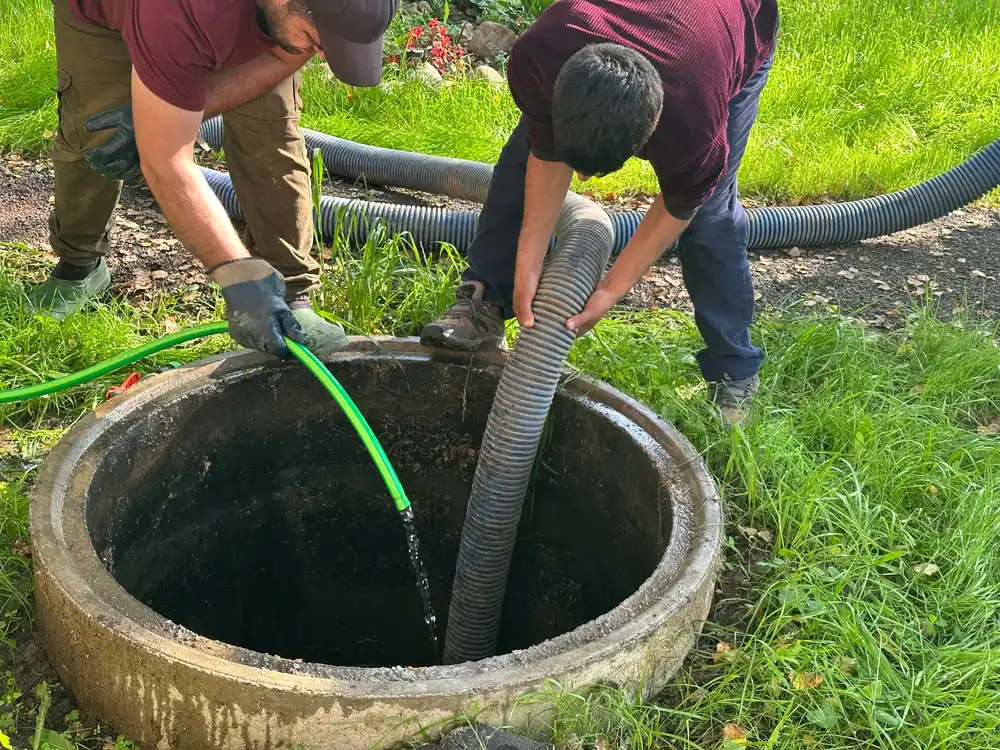
When you schedule cesspool pumping in Farmingville with us, we start by locating and uncovering your cesspool access point. Some systems have risers that make this easy. Others are buried, and we’ll need to dig down to reach them.
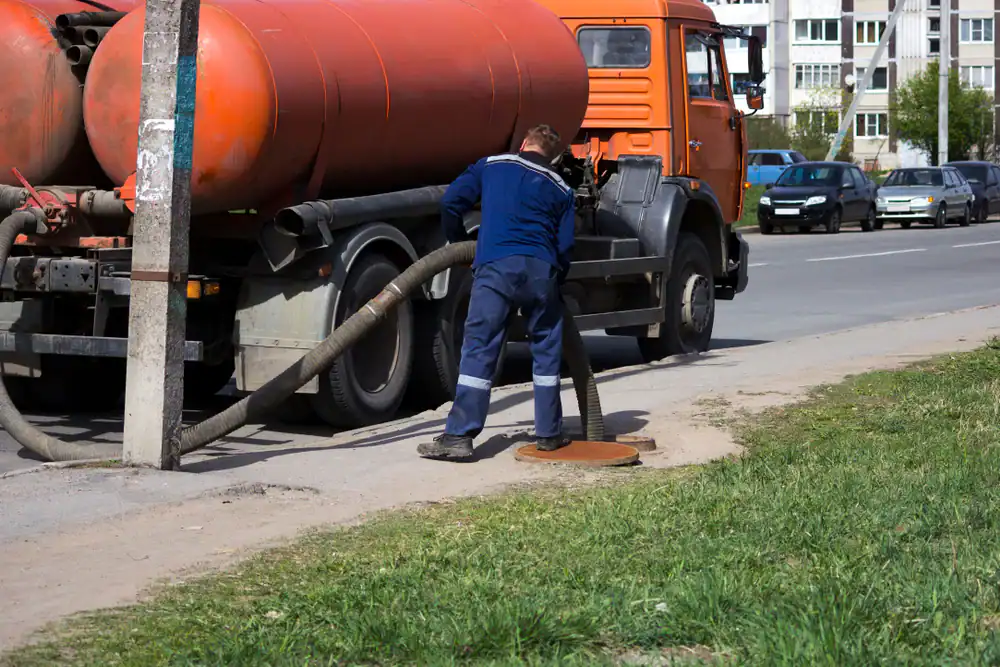
Once we’re in, we pump out all the liquid and solid waste using a high-powered vacuum truck. This isn’t just about emptying the tank—we’re removing the sludge layer that builds up at the bottom and can cause blockages or system failure if left too long.
While we’re pumping, we inspect the cesspool structure. We’re looking for cracks, shifting, signs of tree root infiltration, or other damage that could lead to bigger problems. If we find something, we’ll walk you through it and explain what needs attention now versus what can wait.
After pumping, we document everything and provide the records you need for Suffolk County compliance. The whole process usually takes an hour or two, depending on system size and access. Then you’re good for another few years, assuming normal usage and no underlying issues.
Ready to get started?
Standard cesspool pumping in Farmingville typically runs between $400 and $700, depending on tank size and how much waste has accumulated. Emergency cesspool service costs more—usually double—because you’re paying for immediate response outside normal scheduling.
Our service includes complete pumping of the tank, a visual inspection of the cesspool structure, and documentation for county records. We’ll also answer any questions you have about your system and let you know when you should schedule the next service based on your household size and usage patterns.
Most Farmingville homes have cesspools ranging from 1,000 to 2,000 gallons. A family of four typically needs pumping every two to three years. Single-person households can often stretch it to three or four years. If you’re running a lot of water—frequent laundry, long showers, heavy dishwasher use—you’ll need more frequent service.
Suffolk County has specific regulations about cesspool maintenance and reporting, especially with the push toward nitrogen-reducing systems. We handle all the compliance paperwork and make sure you’re covered if you need documentation for property transfers or renovation permits. That’s not something every cesspool pumping company in the area bothers with, but it matters when you’re trying to close on a sale or avoid delays with the health department.

Most homes in Farmingville need cesspool pumping every two to three years. That’s the general guideline for a family of four with typical water usage.
If you live alone or it’s just two people, you might stretch it to three or four years. But if you’ve got a full house—kids, guests, heavy laundry and dishwasher use—you’re looking at every one to two years. The more water you run through the system, the faster it fills.
You’ll know you’ve waited too long if you start seeing slow drains, sewage odors around the property, or wet spots in the yard near the cesspool. At that point, you’re close to a backup, and you want to call before it becomes an emergency. Regular pumping costs a few hundred dollars. Emergency service and cleanup can hit thousands.
Skip pumping long enough and your cesspool will fail. The solid waste layer builds up until there’s no room for liquid to drain, and everything backs up into your house through the lowest drains—usually toilets, showers, and basement fixtures.
Once that happens, you’re dealing with raw sewage in your home, which is both a health hazard and a property damage nightmare. Cleanup services start around $3,000 and go up from there depending on how much contamination there is. Then you still need emergency cesspool service to fix the original problem, which costs more than scheduled maintenance.
There’s also the structural risk. An overfilled cesspool puts pressure on the walls and can cause cracks or collapse. If the system fails completely, you’re looking at $15,000 to $30,000 for a new installation. Regular septic system cleaning in Farmingville prevents all of that for a fraction of the cost.
The clearest signs are slow drains throughout the house, gurgling sounds when you flush or run water, and sewage smells inside or outside the home. If you’re noticing any of these, your cesspool is probably full or close to it.
You might also see wet, soggy areas in your yard near where the cesspool is located, or patches of grass that are greener than the rest of the lawn. That’s wastewater surfacing because the system can’t handle any more volume.
If you can’t remember the last time you had the cesspool pumped—or if you just bought the house and don’t have records—it’s worth scheduling an inspection. We can tell you how full the tank is and whether you need immediate service or if you’ve got some time. Most people wait until there’s a problem, but catching it early saves you from dealing with a backup.
Yes. We offer 24/7 emergency response for cesspool backups and failures in Farmingville and throughout Suffolk County. If you’re dealing with sewage coming up through your drains, we’ll get someone out fast—usually within an hour or two.
Emergency calls cost more than scheduled service because we’re dropping everything to respond immediately. But when you’ve got raw sewage in your house, waiting until Monday morning isn’t an option. We’ll pump the system, identify what caused the failure, and get things functional again.
That said, most emergencies are preventable with regular maintenance. If you’re already seeing warning signs—slow drains, odors, wet spots—don’t wait for a full backup. Call now and we can handle it as a standard service call instead of an emergency, which saves you money and stress.
A cesspool is basically a large pit lined with concrete or stone that collects wastewater and allows liquid to seep into the surrounding soil. Solid waste settles at the bottom and needs to be pumped out regularly. There’s no real treatment happening—it’s just a holding tank with drainage.
A septic system is more advanced. It has a tank where solids separate from liquids, and then the liquid flows into a drain field where it’s filtered through layers of soil and gravel. Septic systems treat the wastewater before it enters the groundwater, which makes them better for the environment.
Most older homes in Farmingville have cesspools because that’s what was standard decades ago. Suffolk County is pushing homeowners toward upgrading to nitrogen-reducing septic systems to protect the aquifer, and there are grants available to help cover the cost. But until you make that switch, regular cesspool pumping is essential to keep your current system working and prevent contamination.
Probably, but not necessarily right away. Cesspools don’t last forever—most have a lifespan of 20 to 40 years depending on soil conditions, usage, and maintenance. If your home was built in the 1970s and still has the original cesspool, you’re likely getting close to the end of its functional life.
Suffolk County is also phasing out cesspools in favor of advanced septic systems that reduce nitrogen pollution. New regulations require upgraded systems for certain property transfers and renovations. Eventually, you’ll need to replace your cesspool with a compliant system, but the timeline depends on your specific situation.
The good news is there are grants and rebates available—up to $30,000 from Suffolk County and New York State—to help cover the cost of upgrading. In the meantime, regular cesspool maintenance keeps your current system running and buys you time to plan for the replacement. We can walk you through what’s required and help you understand your options when the time comes.
Other Services we provide in Farmingville