Hear From Our Clients

You stop worrying about backups during family gatherings. Your drains flow the way they’re supposed to. That smell near the yard? Gone.
Regular cesspool maintenance in Nesconset means you’re not scrambling when something goes wrong. Most Long Island cesspools hold between 1,000 and 1,500 gallons, and they need pumping every two to three years depending on how many people live in your home. Miss that window and you’re looking at standing water, foul odors, and the kind of mess that costs thousands to fix.
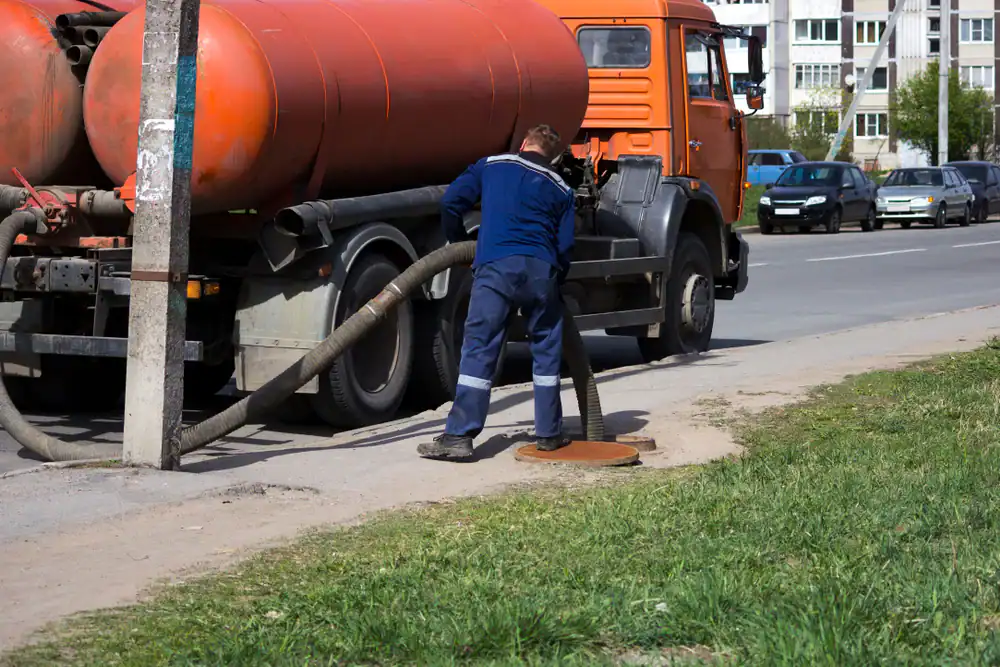
We pull everything out in one visit using 4,200-gallon vacuum trucks. You get documentation for Suffolk County records, a quick inspection to catch problems early, and straight answers about what’s actually going on underground. No upselling. No vague timelines. Just a system that works until the next scheduled service.
AAA Dependable Cesspool is a family-owned business serving Nesconset and the rest of Suffolk County for over 25 years. We’re licensed through Suffolk County Consumer Affairs, fully insured, and we show up when we say we will.
Nesconset homeowners deal with aging cesspool systems that were installed decades ago. We understand the local soil conditions, the permit requirements, and what it takes to keep older systems running without breaking the bank. Our team doesn’t work on commission, so nobody’s pushing services you don’t need.
We offer discounts for military members, first responders, and seniors because it’s the right thing to do. And we support veteran organizations like Paws of War because this community matters to us.

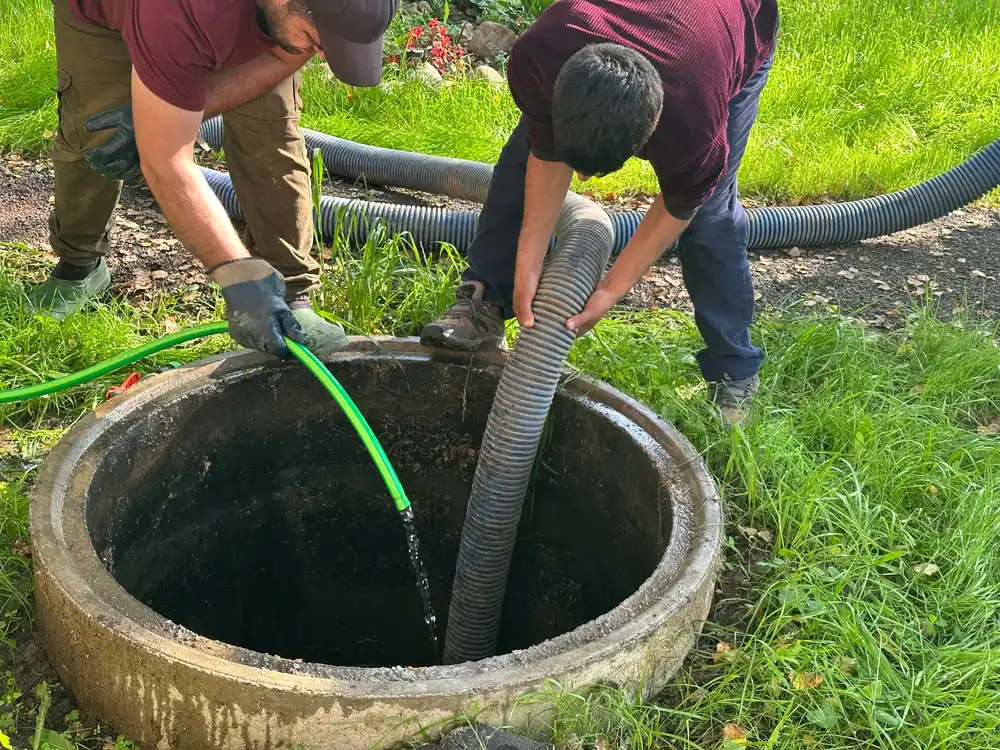
First, we locate and uncover your cesspool access point. If it’s buried or hard to reach, we handle that without charging you extra for basic access work.
Next, we measure the waste levels using depth tools to see how much solid buildup you’ve got. Most systems need pumping when solids reach 25 to 30 percent of total capacity. We pump everything out completely using industrial vacuum equipment—no partial jobs that leave you needing service again in six months.
While we’re there, we inspect the tank structure and baffles for cracks, deterioration, or signs that you’re headed toward bigger problems. You get a full rundown of what we found, and we document the service for Suffolk County records. If your system looks good, we tell you. If something needs attention, we explain what, why, and what happens if you wait.
The whole process takes a couple of hours for most residential systems. We clean up the site, restore access covers, and make sure you’ve got the paperwork you need for property transfers or permit applications down the road.
Ready to get started?
You get complete waste removal, not a quick pump-and-go. Our trucks pull out liquids, solids, and sludge until your tank is empty and reset for another cycle.
We inspect the tank interior, inlet and outlet baffles, and the distribution system for damage or clogs. Nesconset properties often have older cesspools with concrete tanks that crack over time, especially with freeze-thaw cycles and shifting soil. Catching those issues early saves you from emergency repairs that can run into five figures.
Every service includes proper waste disposal at licensed facilities and documentation that meets Suffolk County requirements. If you’re selling your home or applying for renovation permits, you’ll need proof of regular maintenance by a licensed contractor. We provide that automatically.
We also give you a realistic timeline for your next service based on household size, water usage, and tank condition. Some homes need pumping every two years. Others can stretch it to three. We base the recommendation on what we actually see, not a one-size-fits-all schedule.

Most Nesconset homes need cesspool pumping every two to three years. That window shifts based on how many people live in your house and how much water you use daily.
A family of four typically hits the pumping threshold faster than a couple. If you’re running multiple loads of laundry every day, taking long showers, or using a garbage disposal, you’re adding more solids and liquids to the system. That means more frequent service.
The 25 to 30 percent rule is the real marker. Once solid waste takes up that much space in your tank, it’s time to pump. Waiting longer risks backups, overflows, and damage to your drain field or leach lines. We measure waste levels during every visit and give you a specific timeline based on your system’s actual condition, not a generic schedule.
Emergency cesspool service in Nesconset typically costs more than scheduled maintenance because you’re dealing with urgent situations outside normal business hours. Standard pumping runs between $400 and $700 for most residential tanks, but emergency calls can add $150 to $300 depending on timing and severity.
Here’s the bigger issue: emergency service means something already went wrong. You’re not just paying for pumping. You might be dealing with sewage backup in your basement, standing water in your yard, or contamination that requires cleanup beyond the tank itself.
That’s why scheduled maintenance makes financial sense. A $500 pumping every few years beats a $2,000 emergency call plus potential damage to your foundation, landscaping, or interior floors. If you’re seeing slow drains, gurgling toilets, or wet spots near your cesspool, call us before it becomes an emergency. You’ll save money and avoid the health risks that come with raw sewage exposure.
Slow drains throughout your house are the first warning sign. If your toilets, sinks, and showers are all draining slower than usual, your cesspool is likely at capacity.
Gurgling sounds from drains or toilets mean air is getting trapped because wastewater has nowhere to go. Foul odors near your tank or inside your home indicate gases are escaping because the system is full. Standing water or soggy ground above your cesspool means it’s overflowing underground.
If multiple fixtures are backing up at the same time, your system has reached its limit. Don’t wait for sewage to come up through your drains or toilets. That’s when you’re looking at contamination, cleanup costs, and potential health hazards from bacteria and pathogens in raw waste. Most Nesconset homeowners who call us for emergency service ignored these early signs for weeks or months. Catching it early means a routine pumping instead of a crisis.
Yes. Suffolk County requires documentation of regular cesspool maintenance, especially during property transfers and permit applications for renovations or additions.
When you sell your home, buyers and their lenders want proof that the cesspool system was maintained properly. Missing records can delay closings or kill deals entirely. If you’re applying for permits to add a bedroom, expand your home, or make changes that affect wastewater flow, the county wants to see pumping history from a licensed contractor.
We provide detailed service records after every visit, including the date, waste volume removed, tank condition, and our contractor license information. Keep those records with your home maintenance files. If you’ve lived in your Nesconset home for years without documentation, start now. Regular pumping with proper paperwork protects your property value and keeps you compliant with local regulations that carry fines between $250 and $2,000 for violations.
Technically possible, but practically a bad idea for several reasons. First, you need specialized vacuum equipment capable of handling 1,000+ gallons of liquid and solid waste. Renting that equipment costs nearly as much as hiring a licensed contractor, and you’re still responsible for proper waste disposal.
Suffolk County requires cesspool waste to be disposed of at licensed facilities. Dumping it anywhere else is illegal and carries serious fines. You also won’t have the documentation needed for property transfers or permits, which defeats the purpose of saving money if it costs you a sale or delays a project.
There’s also the health risk. Cesspool waste contains harmful bacteria, viruses, and gases like methane and hydrogen sulfide. Without proper safety equipment and training, you’re exposing yourself to serious respiratory and gastrointestinal hazards. Licensed contractors carry insurance for accidents and contamination. Homeowners don’t. One mistake can lead to medical bills, property damage, and environmental violations that far exceed the cost of professional service.
A cesspool is a simpler, older system that collects wastewater in an underground tank with porous walls. Liquid waste seeps out through those walls into the surrounding soil, while solids stay in the tank until you pump it. Most older Nesconset homes have cesspools because they were the standard before modern septic regulations.
A septic system is more complex. It includes a sealed tank that separates solids from liquids, then sends the liquid through a drain field or leach lines for further treatment in the soil. Septic systems treat wastewater more effectively and meet current environmental standards.
Suffolk County changed regulations in 2019 and 2021, requiring new installations to use advanced septic systems with nitrogen-reducing technology. Existing cesspools can stay in place as long as they’re maintained properly, but if your system fails or you need a replacement, you’ll have to upgrade to a modern septic system. That’s a $15,000 to $20,000 project. Regular cesspool pumping extends the life of your current system and delays that expense as long as possible.
Other Services we provide in Nesconset