
Hear From Our Clients

Regular cesspool pumping keeps sewage where it belongs—not backing up into your basement or pooling in your yard. Most North Patchogue homes need pumping every two to three years, though your timeline depends on household size and water usage. Skip it, and you’re looking at overflows, foul odors, and emergency calls that cost double or triple what routine maintenance runs.
A pumped cesspool drains properly. Your toilets flush without hesitation. Your drains clear fast. You’re not dealing with slow backups, standing water in the yard, or that sewage smell creeping through the house.
Suffolk County requires pumping records for property transfers and permits. If you’re selling or renovating, missing documentation can stall the process and cost you negotiating power. We handle the paperwork, provide disposal receipts, and keep you compliant without the runaround.
We’ve served Suffolk County for over 25 years. We’re licensed, insured, and locally owned—not a franchise that rotates crews or hires whoever shows up. Same team. Same trucks. Same straightforward approach.
North Patchogue sits on varied soil conditions. Some areas drain too fast, others too slow. We’ve worked enough properties here to know what your system’s dealing with before we even pull the truck in. That means faster service and fewer surprises.
We don’t oversell. If your cesspool just needs pumping, that’s what we do. If there’s a real issue—cracks, collapse risk, leaching problems—we’ll tell you exactly what it is and what it costs to fix. No scare tactics. No upselling services you don’t need.

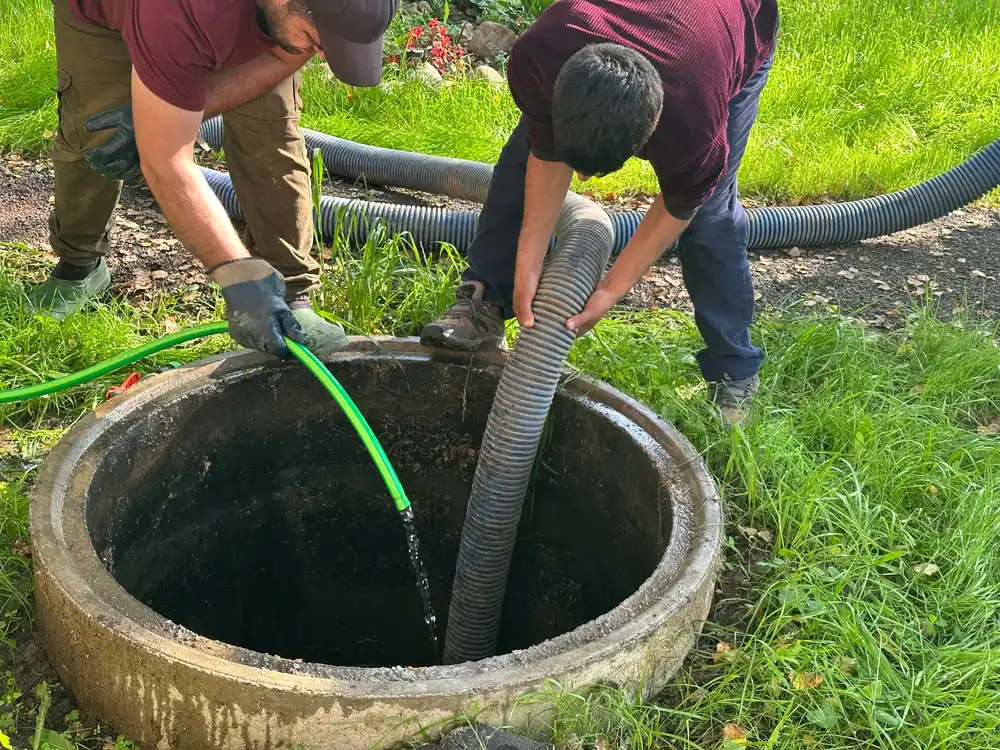
First, we locate and open your cesspool access point. Some are buried or overgrown—we handle that. Then we measure the sludge and scum layers to confirm how much waste has accumulated and whether the system’s near capacity.
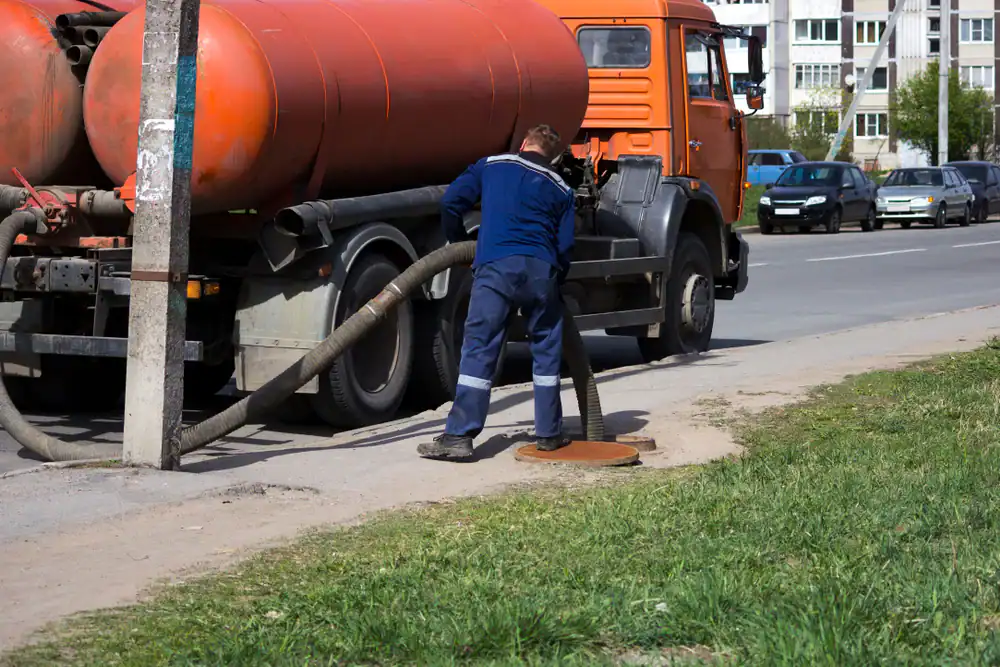
Next, we pump out the contents using a vacuum truck. This removes liquid waste, sludge, and floating solids. We don’t just skim the top—we clear it properly so your system has room to function. The process usually takes 30 to 60 minutes depending on tank size and waste volume.
While we’re there, we inspect for cracks, structural issues, or signs your cesspool isn’t draining like it should. If something’s off, we’ll explain what we found and what it means for your system’s lifespan. After pumping, we provide documentation showing waste volume, disposal facility receipts, and system condition notes. You get a record that satisfies county requirements and protects your property value if you ever sell.
Ready to get started?
Every service includes full tank pumping, not partial. We remove all liquid waste, sludge, and solids so your system resets to proper capacity. You also get a visual inspection while the tank’s open—we check for cracks, settling, or early signs of failure that most homeowners never see until it’s too late.
We provide complete documentation: waste volume removed, disposal facility receipts, and condition notes. Suffolk County requires this for property sales and permit applications, and we make sure you have everything filed correctly.
North Patchogue’s soil composition affects how cesspools perform. Clay-heavy areas slow drainage and cause faster buildup. Sandy zones drain quickly but can overload the system if it’s undersized. We’ve pumped enough systems here to spot these issues during routine service and give you a realistic picture of how often your property actually needs pumping—not just what the general guideline says.
If your cesspool’s struggling between pumpings—slow drains, odors, wet spots—we’ll tell you why and what fixes it. Sometimes it’s roots. Sometimes it’s a saturated leach field. Sometimes the system’s just old and needs replacement. We’ll walk through your options and costs with no pressure.

Most homes need cesspool pumping every two to three years. That’s the standard recommendation, but your actual timeline depends on household size, water usage, and how your system drains.
A family of four using typical water volumes hits that two-year mark pretty consistently. Larger households or homes with high water use—lots of laundry, long showers, older toilets—fill up faster. Smaller households might stretch it to three years.
If you’re noticing slow drains, gurgling toilets, or sewage odors before that timeline, your system’s telling you it’s full. Don’t wait. Pumping costs a few hundred dollars. Waiting until it backs up into your house costs thousands in cleanup and emergency service.
Skipping maintenance doesn’t save money—it just moves the cost to a worse scenario. When a cesspool fills beyond capacity, wastewater has nowhere to go except back into your home or up into your yard.
Sewage backups usually start in the basement. Toilets overflow, drains back up, and you’re dealing with raw sewage on your floors. Cleanup costs run $3,000 to $8,000 depending on how much water damage occurs. Emergency pumping during a backup costs $800 to $1,200, compared to $400 to $700 for routine service.
Overloaded cesspools also damage the system itself. Excess sludge clogs the outlet, saturates the leach field, and accelerates structural failure. What could’ve been handled with regular pumping turns into a $15,000 to $30,000 replacement job. Maintenance isn’t optional if you want to avoid that.
Yes. Suffolk County requires pumping records for property transfers and renovation permits. If you’re selling your home or applying for permits, missing documentation can delay the process or kill a sale.
We provide a full service record after every job: waste volume removed, disposal facility receipts, and system condition notes. That’s what the county wants to see, and it’s what buyers or inspectors will ask for during a transaction.
Even if you’re not selling anytime soon, keeping records protects you. If there’s ever a question about your system’s maintenance history—during an inspection, a permit application, or a neighbor’s complaint about groundwater contamination—you have proof the system was serviced properly. It’s not just paperwork. It’s liability protection.
Standard cesspool pumping runs $400 to $700 depending on tank size and waste volume. Larger tanks or systems that haven’t been pumped in years cost more because there’s more waste to remove and dispose of.
Emergency pumping—when your system backs up and you need someone immediately—costs $800 to $1,200. That’s why routine maintenance saves money. Scheduling service before there’s a problem keeps costs predictable.
If we find issues during pumping—cracks, structural damage, leaching problems—we’ll give you a separate estimate for repairs. We don’t bundle that into the pumping cost or surprise you with charges after the fact. You’ll know exactly what the job costs before we start, and you’ll get an itemized invoice when we’re done.
Legally, no. Suffolk County requires licensed professionals to pump, transport, and dispose of cesspool waste. Unlicensed pumping violates county regulations and can result in fines ranging from $250 to $2,000.
There’s also the health risk. Cesspool waste contains bacteria, viruses, and pathogens that cause serious illness. Improper handling exposes you and your family to contamination. Licensed contractors have the equipment, training, and insurance to manage waste safely.
Disposal is another issue. You can’t just dump cesspool waste anywhere. It has to go to an approved facility that treats it properly. We provide disposal receipts proving the waste was handled legally. DIY pumping leaves you with no documentation, no compliance, and potential liability if contamination occurs.
Sewage backing up into your home is the clearest sign. If toilets overflow, drains won’t clear, or you see wastewater coming up through basement fixtures, your cesspool is full or blocked. That’s an emergency. Call immediately.
Other warning signs include standing water or sewage odors in your yard, especially near the cesspool location. That means the system’s overflowing underground. Slow drains throughout the house, gurgling sounds when you flush, or persistent sewage smells indoors also indicate the system’s near capacity.
If you’re noticing any of these issues, don’t wait for it to get worse. Emergency cesspool service costs double what routine pumping runs, and the longer you wait, the more damage occurs. We offer same-day response for backups and overflows because we know every hour counts when sewage is involved.
Other Services we provide in North Patchogue