Hear From Our Clients

Your drains stop slowing down. That faint smell near the yard disappears. You’re not wondering if the next flush is going to be the one that causes a backup during your kid’s birthday party.
Most cesspools in Port Jefferson Station were installed decades ago when homes used half the water they do now. Washing machines, dishwashers, multiple bathrooms—your system wasn’t built for that load. Regular septic tank pumping keeps the tank from overflowing into your leach field and turning a routine service into a full system replacement.
Suffolk County requires documentation of regular maintenance for property transfers. If you’re selling, refinancing, or pulling permits for renovations, you’ll need proof your system’s been serviced. We handle that automatically—every pump gets logged, every job gets documented, and you get records that actually matter when the county asks for them.
AAA Dependable Cesspool is a family-owned cesspool service company based in Suffolk County. We’re licensed through Suffolk County Consumer Affairs, fully insured, and we’ve been pumping cesspools in Port Jefferson Station since before the county changed its septic regulations in 2019.
We’re not the biggest operation, and that’s intentional. Small team, local knowledge, and we show up when we say we will. No call center, no runaround—just straight answers about what your system needs and what it doesn’t.
Port Jefferson Station grew from farmland to suburbs in the 1950s and 60s, which means most of the cesspools here are older than the people living above them. We know the soil conditions, the common failure points, and what actually works in this area. That matters when you’re trying to keep a 60-year-old system running until you’re ready to upgrade.
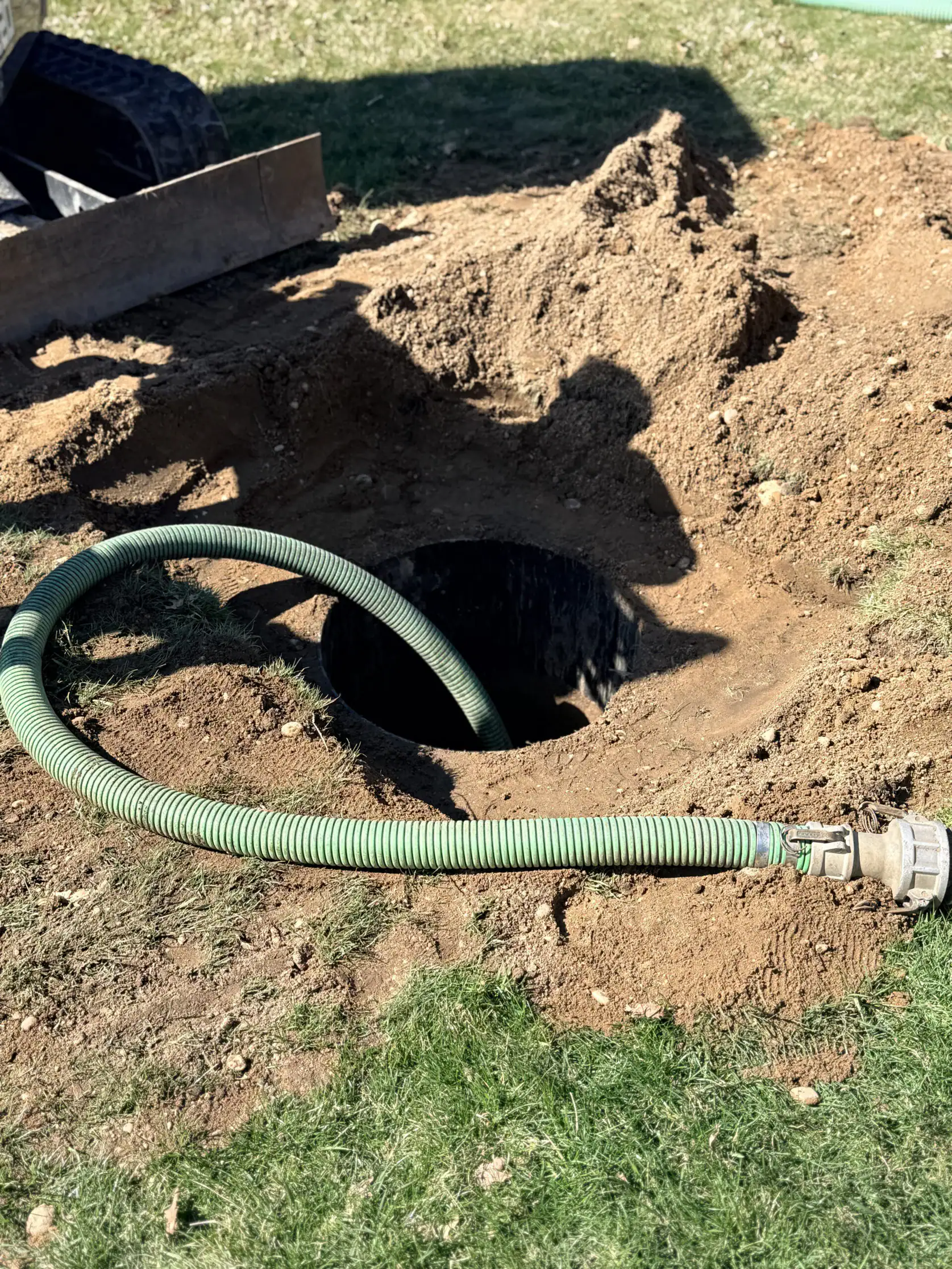
We locate your cesspool tank, dig down to the access cover if it’s buried, and open it up. Our vacuum truck pulls out all the liquid waste and solid buildup—not just the surface layer, but everything that’s accumulated since the last time it was serviced.
While the tank’s empty, we inspect the interior. We’re looking for cracks, structural damage, and how much usable capacity you’ve actually got left. Cesspools don’t last forever, and if yours is failing, you’ll know before it becomes an emergency.
Once it’s pumped and inspected, we document the volume removed, note any issues, and give you a disposal receipt showing where the waste went. Suffolk County tracks this now—since 2019, contractors have to report all pumping activity to the Department of Health Services. We handle that automatically.
If you’ve got an emergency—sewage backing up into your drains, water pooling in the yard—we offer 24/7 cesspool service in Port Jefferson Station. Real emergencies get handled fast, usually within a couple hours. We don’t make you wait until Monday if your system fails on a Saturday.
Ready to get started?
You get complete tank evacuation, not partial pumping. We clear the entire cesspool so you’re starting with full capacity. You also get a full system inspection while the tank’s open—checking for structural integrity, signs of failure, and measuring what’s left of your usable space.
Every job includes proper documentation. You’ll get waste volume records, disposal facility receipts, and notes about your system’s condition. If you need those records for a permit application or property sale, you’ve already got them.
Suffolk County has specific requirements that go beyond general EPA guidelines. Almost 75% of homes in Suffolk County rely on private septic systems, and most of those systems are older than modern water usage patterns account for. If your cesspool was installed in the 1950s or 60s, it wasn’t designed for today’s load. Regular commercial cesspool pumping and residential cesspool pumping keep older systems functional until you’re ready to upgrade to a modern nitrogen-reducing system.
We also offer same-day cesspool pumping in Port Jefferson Station when scheduling allows. If your system’s backing up and you need it handled today, call early and we’ll do what we can to fit you in.

Most cesspools in Port Jefferson Station need pumping every two to three years. That’s the baseline for a typical household with normal water usage.
If you’ve got a larger family, you’re running a home business, or your system’s older and smaller than modern standards, you might need service more often. The EPA recommends septic inspections every one to three years and pumping every three to five years, but Suffolk County’s aging infrastructure usually requires more frequent attention.
You’ll know it’s time when drains start slowing down, you notice sewage odors near the tank, or water starts pooling in the yard above the leach field. Don’t wait for a backup—by then, you’re looking at an emergency call instead of routine maintenance.
The tank fills up with solid waste and stops separating liquids properly. When that happens, solids get pushed into your leach field and clog the soil that’s supposed to filter your wastewater.
Once the leach field clogs, you’re not looking at a simple pump-out anymore. You’re looking at leach field repair or full system replacement, which runs into the tens of thousands. Suffolk County banned new cesspool installations in 2019, so if your system fails now, you’re required to upgrade to a modern septic system with nitrogen-reducing technology.
Regular pumping prevents that. It keeps solids in the tank where they belong, protects your leach field, and extends the life of your system until you’re ready to replace it on your terms—not because the county’s forcing your hand after a failure.
Yes. Suffolk County requires documentation of regular cesspool maintenance for property transfers. If you don’t have records showing your system’s been serviced, the tank needs to be pumped and inspected before closing.
That can delay your sale and create negotiation headaches if the inspection turns up problems. Buyers get nervous when there’s no maintenance history, and they’re right to be—it usually means the system’s been neglected.
We automatically provide documentation for every job. You get waste volume records, disposal receipts, and notes about your system’s condition. When your real estate attorney asks for proof of maintenance, you’ll have everything the county requires. Keep those records—they matter more than most homeowners realize until they’re trying to sell.
Yes, but it’s harder and takes longer. Frozen ground makes it difficult to access buried tanks, and if the access cover is frozen shut, we need to thaw it before we can open it.
That’s why winter emergencies end up being more complicated than summer routine service. What should be a straightforward pump-out turns into a multi-hour job because of ground conditions.
If you’re due for service in late fall, don’t wait until January. Get it done before the ground freezes. You’ll save yourself the hassle of dealing with frozen access points, and you won’t be stuck waiting for emergency service during the coldest part of the year when everyone else’s system is also struggling.
A cesspool is basically a large pit that collects wastewater and lets it seep into the surrounding soil. There’s no real treatment—just separation of solids and liquids, with the liquids leaching into the ground.
A septic system has a tank that separates waste, then sends the liquid to a leach field where it’s filtered through layers of soil and gravel. Modern systems include baffles, filters, and sometimes aerobic treatment to reduce nitrogen before the water reaches the groundwater.
Suffolk County banned new cesspool installations in 2019 because they don’t treat nitrogen, which is contaminating Long Island’s sole source of drinking water. If your cesspool fails now, you can’t replace it with another cesspool—you’re required to upgrade to a modern septic system. That’s why maintaining your existing cesspool matters. The longer you can keep it running, the longer you can delay that upgrade until you’re financially ready.
Yes. Sewage backups don’t wait for business hours, and we don’t either. If you’ve got a genuine emergency—drains backing up into your house, sewage pooling in the yard—we offer 24/7 cesspool service in Port Jefferson Station.
Real emergencies usually get handled within a couple hours. We prioritize based on severity, so if your system’s actively backing up into your home, you’re getting bumped to the front of the line.
If it’s not an actual emergency—drains are slow but still working, you’re noticing smells but no backup—schedule regular service instead. Emergency calls are for situations that can’t wait until Monday. We’ll be straight with you about whether what you’re dealing with is urgent or if it can hold until normal business hours.
Other Services we provide in Port Jefferson Station