Hear From Our Clients

You don’t think about your cesspool until something goes wrong. That’s how it should be.
Regular pumping keeps wastewater moving where it belongs—away from your home, your yard, and your water supply. It prevents backups that flood basements, slow drains that disrupt daily routines, and contamination that threatens the sole-source aquifer every Southold resident depends on.
Suffolk County homes with cesspools need pumping every two to three years, depending on household size and water use. Larger families or homes with garbage disposals may need service more often. The alternative isn’t just inconvenient—it’s a health hazard that can take weeks to remediate and leaves lasting damage to floors, walls, and anything porous.
Routine maintenance also keeps you compliant with Suffolk County regulations, which now require documented pumping records for property transfers and renovation permits. You avoid the scramble of trying to prove maintenance history when you’re ready to sell or upgrade.
We’ve served Suffolk County since 1998. We’re licensed, insured, and based right here—not a franchise operation that rotates crews through different regions.
Southold’s sandy soil and proximity to the water table create specific challenges for cesspool systems. Seasonal properties see different usage patterns than year-round homes. Older systems built before modern regulations require different handling than newer installations. We’ve worked with all of it.
You’re not getting a sales pitch or an upsell. You’re getting an honest assessment from someone who’s seen thousands of cesspools across the North Fork and knows what actually needs attention versus what can wait.
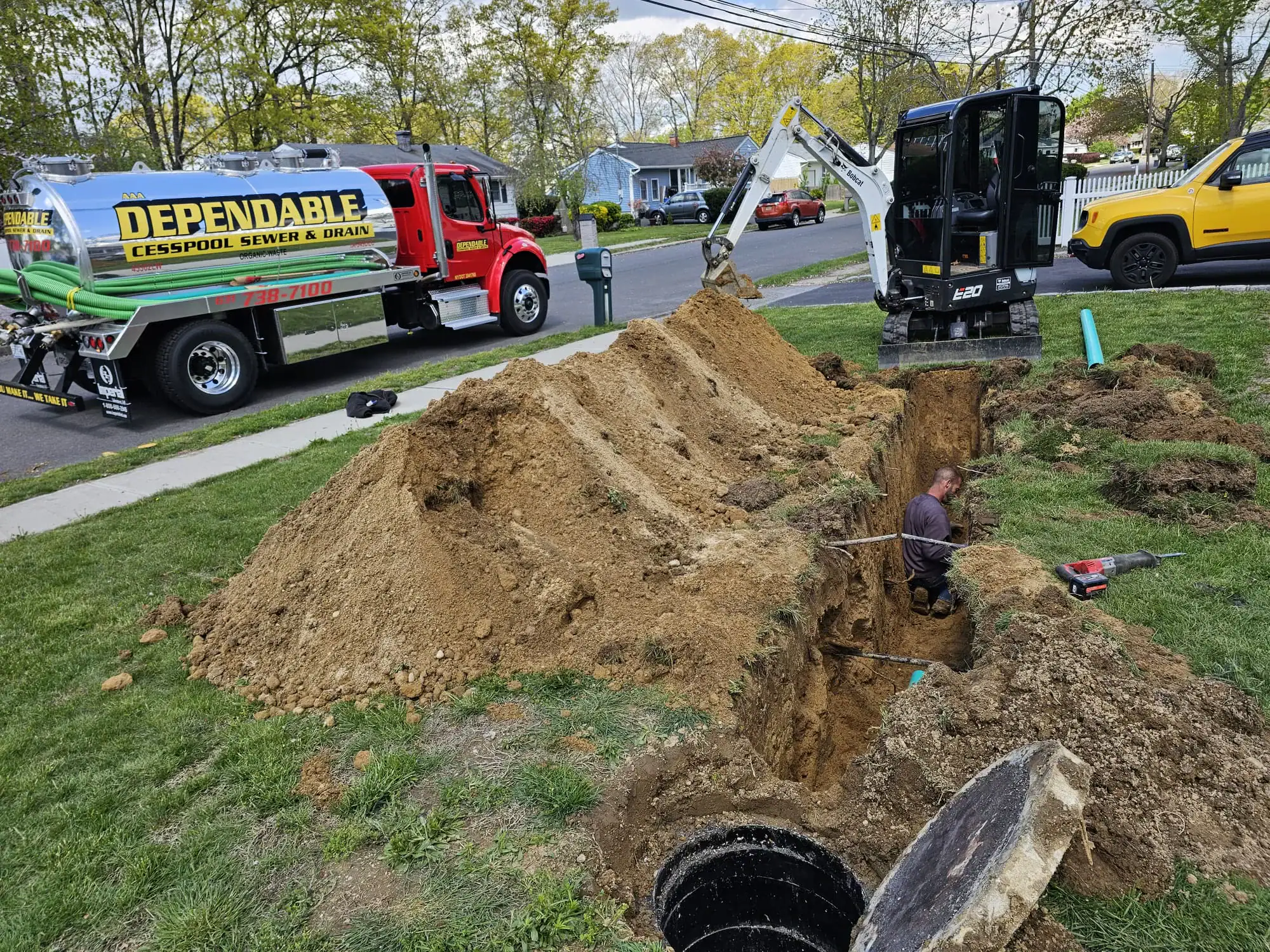
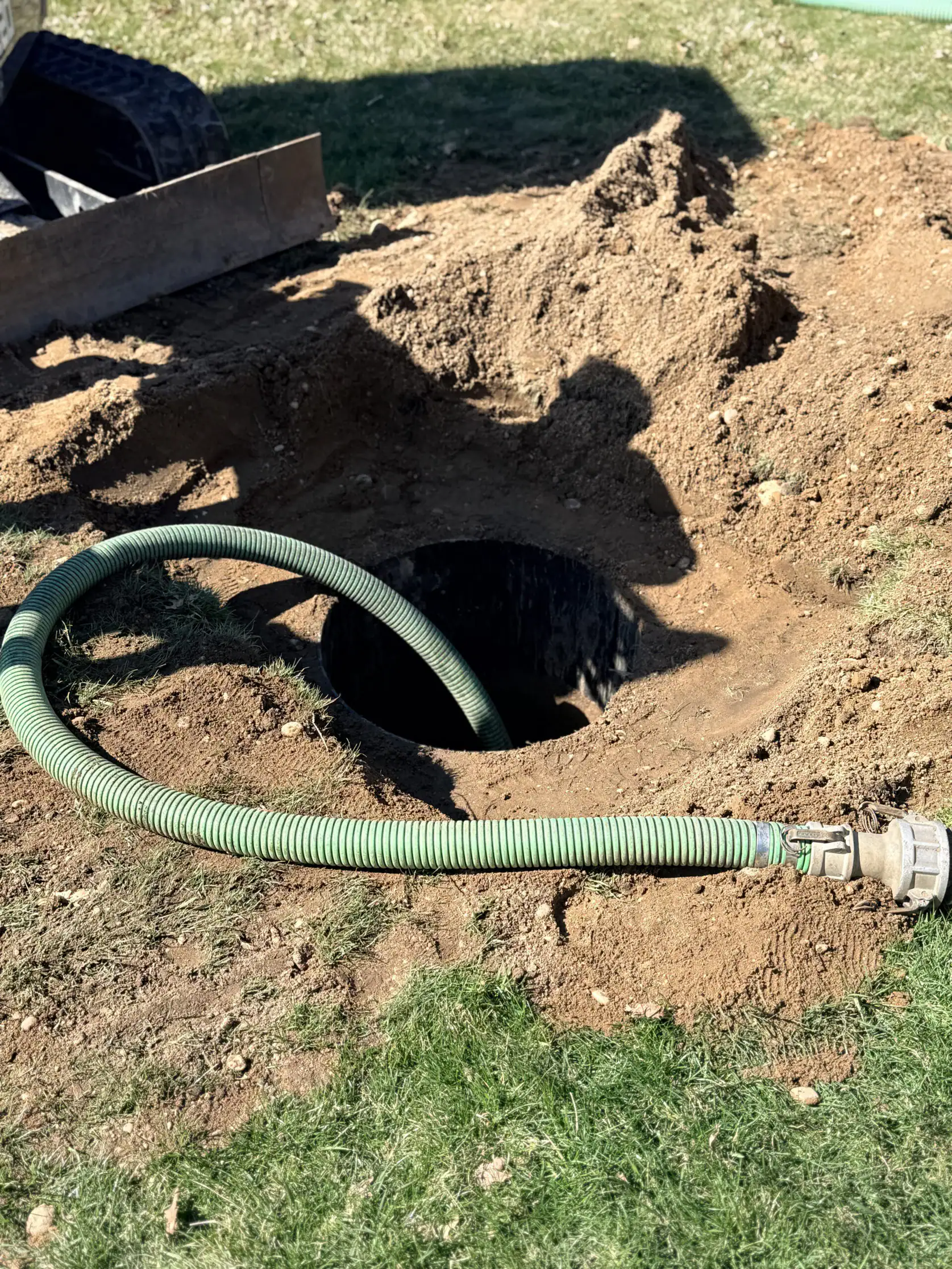
The process starts with locating and accessing your cesspool. Some systems have easily accessible lids. Others are buried and require digging to expose the opening.
Once we’re in, we use a vacuum truck to remove all liquid and solid waste from the tank. This isn’t a partial pump—we clear everything so you’re starting fresh. While we’re pumping, we’re also looking at the condition of your tank walls, baffles, and overall structure.
After pumping, we check for cracks, deterioration, or signs that your system is failing. If something looks off, you’ll know exactly what it is and what it means for your timeline. No vague warnings or pressure tactics.
We document the service, transport waste to an authorized treatment facility, and provide you with records for your files. If you’re maintaining the system properly and it’s in good shape, we’ll tell you when to schedule the next service. If there’s a problem, we’ll walk through your options without the runaround.
Ready to get started?
Every cesspool pumping service in Southold includes complete waste removal, system inspection, and documentation you can use for compliance or property records.
We’re checking the structural integrity of your tank, looking for signs of groundwater infiltration, and noting any red flags that suggest your system is nearing the end of its lifespan. Suffolk County has phased out cesspool replacements—if your system fails, you’ll need to upgrade to an advanced treatment system. Knowing where you stand now gives you time to plan instead of react.
Southold sits within Suffolk County’s designated groundwater protection zones. That means stricter oversight and higher expectations for wastewater management. Regular pumping isn’t just about avoiding backups—it’s about preventing nitrogen contamination that’s already affecting Long Island’s drinking water and coastal ecosystems.
We also offer 24/7 emergency cesspool pumping in Southold for situations that can’t wait. Sewage backing into your home, standing water in your yard, or drains that won’t clear are all signs your system is beyond capacity and needs immediate attention.

Most Southold homes need cesspool pumping every two to three years. That’s the baseline for a typical household with moderate water use.
If you have a larger family, run multiple loads of laundry daily, or use a garbage disposal, you’ll likely need service every two years. Homes with just one or two occupants might stretch to three years, but that’s pushing it. Suffolk County regulations require pumping at least once every five years, but waiting that long increases your risk of backups and system damage.
The size of your cesspool also matters. Older systems tend to be smaller and fill faster. If you’re not sure when your system was last pumped, schedule an inspection. We can measure sludge levels and give you a realistic timeline based on what’s actually happening in your tank—not a generic recommendation.
Slow drains throughout your home are usually the first warning. If sinks, showers, and toilets are all draining slower than normal, your cesspool is likely full.
Sewage odors in your yard or near your cesspool location mean waste is backing up and potentially surfacing. Gurgling sounds when you flush or run water indicate air displacement caused by a full tank. Wet spots or unusually green patches of grass above your cesspool suggest wastewater is saturating the soil.
If you’re seeing any of these signs, don’t wait. A full cesspool doesn’t just stop accepting water—it starts pushing waste back toward your home. That’s when you get sewage in your basement, contamination in your yard, and a much bigger problem than a routine pumping appointment. Call for emergency cesspool service in Southold before it escalates.
You need a licensed cesspool service company in Southold to handle pumping legally and safely. Suffolk County requires proper permits, licensed operators, and documented disposal at authorized treatment facilities.
Cesspool waste contains harmful bacteria, viruses, and pathogens that pose serious health risks. Handling it without the right equipment and training exposes you and anyone nearby to contamination. Improper disposal also violates environmental regulations designed to protect Long Island’s groundwater.
Licensed companies carry insurance that covers property damage and environmental incidents. If something goes wrong during a DIY attempt, you’re liable for cleanup, remediation, and any regulatory fines. Professional pumping also includes system inspection—something you can’t do effectively without experience and the right tools. You’re not just paying for waste removal. You’re paying for compliance, safety, and early detection of problems that could cost you significantly more if they’re ignored.
All waste gets transported to a licensed wastewater treatment facility where it’s processed according to environmental regulations. We don’t dump it in random locations or dispose of it improperly.
Suffolk County tracks cesspool waste from pickup to final treatment. Licensed haulers like us are required to document every load, including where it came from and where it’s going. This protects the aquifer and ensures accountability.
Treatment facilities separate solids from liquids, treat the wastewater to remove harmful contaminants, and process the remaining material safely. It’s a regulated system designed to prevent the kind of groundwater pollution that’s already affecting parts of Long Island. When you hire a licensed company, you’re getting proof that your waste was handled correctly—documentation that matters if you ever need to verify compliance for property sales or county inspections.
Yes. We offer 24/7 emergency cesspool pumping in Southold for situations that can’t wait until regular business hours.
Sewage backups, overflowing cesspools, and complete system failures don’t happen on a convenient schedule. If you’re dealing with wastewater in your home or yard, you need someone who can respond immediately—not a company that puts you on a waitlist.
Emergency service means we prioritize your call, dispatch a crew as quickly as possible, and handle the situation before it causes more damage. We’ve responded to middle-of-the-night backups, holiday emergencies, and weekend failures when other companies weren’t available. Southold’s seasonal population means some properties sit empty for months, then see heavy use during summer. That creates unique pressure on cesspool systems, and failures often happen right when you need your system most. Having access to same-day service means you’re not stuck dealing with a health hazard while you wait for an appointment.
Pumping removes the immediate problem—a full tank—but it won’t fix underlying issues with your cesspool or drain lines. If your system is damaged, undersized, or failing, pumping gives you temporary relief, not a permanent solution.
Slow drains can also be caused by clogs in your pipes, tree root intrusion, or a collapsed drain line. Pumping the cesspool won’t address those issues. That’s why inspection during pumping matters. We’re looking at the whole system to identify what’s causing the problem.
If your cesspool is structurally sound and appropriately sized for your household, regular pumping should keep things running smoothly. If we find cracks, significant deterioration, or signs that your system can’t handle your wastewater volume, we’ll explain what’s happening and what your options are. Some problems require repairs. Others mean it’s time to plan for a system upgrade. Either way, you’ll know exactly where you stand and what needs to happen next.
Other Services we provide in Southold