Hear From Our Clients

You stop wondering when the next backup will happen. Your drains flow like they should. Your yard doesn’t smell like a swamp every time someone does laundry.
Regular cesspool maintenance in Middle Island means your system gets pumped before it fails, not after. Most homes here need service every two to three years depending on household size and water usage. Skip it, and you’re looking at sewage surfacing in your yard or backing up into your home.
The difference between a maintained system and a neglected one isn’t subtle. One keeps working quietly in the background. The other fails during your kid’s birthday party or right before you’re trying to sell your house.
We’ve been handling cesspool service in Middle Island since before most companies had websites. That’s over 25 years of working with Long Island’s sandy soil, high water tables, and the specific challenges Suffolk County properties face.
You’re not getting a national franchise or someone who just moved here. You’re getting a family-owned team that knows exactly where cesspools tend to be buried in older Middle Island homes, how local soil drains, and what Suffolk County regulations actually require.
We offer military, first responder, and senior discounts because this community matters to us. We support veteran organizations like Paws of War. And we don’t oversell services you don’t need just to pad a bill.

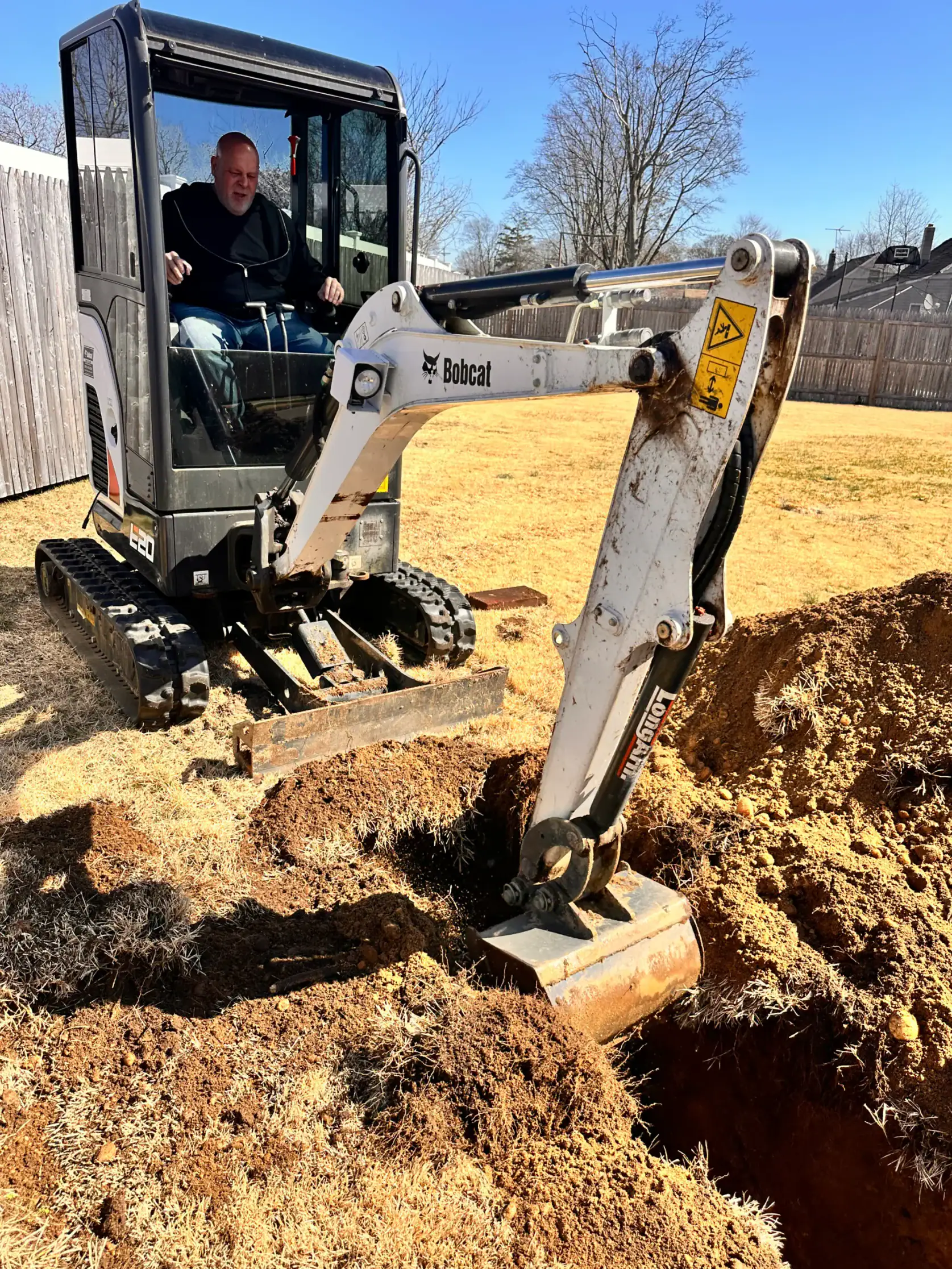
First, we locate your cesspool. Many Middle Island homeowners have no idea where theirs is—covers get buried under years of grass and soil. We find it, dig down to access it, and open it up for inspection.
Before pumping, we check the condition of your tank and baffles. This is where you find out if there are cracks, structural issues, or signs that your system is failing. We’re looking at what’s happening now and what might happen in six months.
Then we pump out the accumulated solids and liquids, disposing of everything at approved facilities to meet Suffolk County regulations. After pumping, we assess whether your system needs repairs, how soon you’ll need service again, and whether there are any red flags you should know about. You get a clear explanation of what we found and what it means for your property.

Ready to get started?
Every cesspool service in Middle Island includes complete system pumping, a thorough inspection of your tank’s condition, and documentation of the service for your records. That paperwork matters when you’re selling your home or need to prove maintenance history.
We offer 24-hour cesspool service because backups don’t wait for business hours. Systems fail on weekends, holidays, and the most inconvenient times possible. When you call, you get someone who answers—not a voicemail promising a callback in two days.
Suffolk County has specific requirements for cesspool contractors. We’re licensed, insured, and report all pumping activities to the Department of Health Services like we’re supposed to. Since July 2019, you can’t replace an old cesspool with another cesspool in Middle Island—new installations must meet current standards. If your system is failing, we’ll walk you through what your actual options are and what Suffolk County’s grant programs might cover.

Most Middle Island homes need cesspool service every two to three years. A family of four typically hits that mark around the three-year point, but it depends on your household size, water usage, and whether you have a garbage disposal.
If you’re running more water than average—lots of laundry, frequent guests, or a larger household—you’ll need pumping more often. Smaller households might stretch it to four years, but that’s pushing it.
The real answer is in your tank. When we pump your system, we can tell you how fast it’s filling and give you a realistic timeline for the next service. Waiting too long means solids overflow into your drain field or back up into your house. Neither is cheap to fix.
Slow drains throughout your house are usually the first sign. If multiple fixtures are draining slowly at the same time, your cesspool is likely full. One slow drain is a clog. All of them together means your tank can’t handle any more volume.
Sewage odors in your yard or near your cesspool location are another red flag. When your tank is full, gases have nowhere to go but up. You’ll smell it before you see it.
The worst sign is sewage backing up into your home or surfacing in your yard. At that point, your system isn’t just full—it’s failed. You need emergency cesspool service in Middle Island immediately. The longer sewage sits in your house or yard, the more damage it causes and the more expensive cleanup becomes.
You can try, but most Middle Island homeowners have no idea where their cesspool is actually located. Covers get buried under three feet of grass, soil, and decades of landscaping. Even if you know the general area, pinpointing the exact spot takes experience.
We use knowledge of how homes were built in different eras in Middle Island and where cesspools were typically placed. Older properties often have cesspools in unexpected locations because building practices were different before 1970.
Digging randomly in your yard trying to find it wastes time and tears up your landscaping. We locate it, dig down to the cover, and get access without turning your property into a construction zone. That’s part of what you’re getting with professional cesspool service—not just pumping, but knowing where to look in the first place.
A cesspool is basically a covered pit that collects wastewater and allows it to leach directly into the surrounding soil. There’s no treatment, no filtration—just raw sewage seeping into the ground. Most were installed before environmental regulations tightened up.
A septic system has a tank where solids settle and separate from liquids, then a drain field where partially treated effluent disperses through soil. It’s a more sophisticated setup that actually treats wastewater before it enters the ground.
Suffolk County identified roughly 250,000 cesspools that discharge untreated waste directly into Long Island’s aquifer. That’s why new cesspool installations have been banned since 2019. If your cesspool fails in Middle Island, you’ll need to upgrade to a compliant system. The county offers grants up to $25,000 for nitrogen-reducing systems, which helps offset the upgrade expense.
You don’t legally need one, but buyers and their inspectors will ask for it. A documented history of regular cesspool maintenance in Middle Island shows you’ve taken care of the property. No records raises questions about what else hasn’t been maintained.
Lenders sometimes require proof of recent pumping before approving a mortgage. If you can’t provide it, the sale gets delayed while you scramble to get emergency service and documentation. That’s leverage the buyer can use to renegotiate.
We provide detailed service records every time we pump your system. Keep them with your other home maintenance documents. When it’s time to sell, you hand them over and show that your cesspool has been properly maintained. It’s one less thing for a buyer to worry about and one less thing that can derail your closing.
If your cesspool fails, you can’t replace it with another cesspool. Suffolk County regulations require you to upgrade to a compliant septic system that meets current standards. That’s a bigger project than simple pumping and involves permits, inspections, and installation of a proper drain field.
The county offers financial assistance through grant programs—up to 75% reimbursement or $25,000 for nitrogen-reducing systems. You’ll need to apply and meet eligibility requirements, but it significantly reduces what you’ll pay out of pocket.
In the meantime, you need emergency cesspool service to assess the damage and determine whether a repair can buy you time or if replacement is your only option. We’ll walk you through what’s actually required, what the county mandates, and what financial assistance you might qualify for. The sooner you address a failing system, the more options you have.
Other Services we provide in Middle Island