Hear From Our Clients

A cesspool maintenance contract takes the guesswork out of when your system needs attention. You’re not trying to remember the last time it was pumped or waiting until something smells off.
Your system gets inspected and serviced on a schedule that matches how you actually use it. That means the sludge levels stay manageable, the structure gets checked before cracks turn into failures, and any small issues get caught while they’re still small.
Lake Ronkonkoma’s high water table and sandy soil put extra stress on older systems. Regular preventative septic maintenance keeps those conditions from turning into basement backups or soggy yard situations. You stay ahead of Suffolk County’s inspection requirements without scrambling for documentation when you need it.
The difference is simple: scheduled service means fewer surprises, longer system life, and knowing someone’s actually keeping an eye on what’s happening underground.
We’ve been handling cesspool and septic systems in Suffolk County since 1998. That’s over two decades of understanding how Lake Ronkonkoma’s soil conditions, water table fluctuations, and seasonal changes affect what’s buried in your yard.
This is a family-owned operation. We’re not a franchise following a script from another state. We know which streets still have grandfathered cesspools, which neighborhoods upgraded to septic systems in the ’80s, and what the county inspector is going to ask for when you need compliance records.
You get honest assessments from people who live here too. We’re not overselling you services you don’t need, and we’re not disappearing after one visit. Your system gets tracked, your service history stays documented, and you get reminders when it’s time for the next visit.

First, we assess your specific system and property. A four-bedroom house with six people living there needs different service intervals than a two-bedroom with occasional use. We’re looking at tank size, system age, household size, and whether you’re dealing with a cesspool-only setup or a full septic system with leach fields.
From there, we set up a routine cesspool pumping plan that matches your actual usage. Most residential systems in Lake Ronkonkoma need service every two to three years, but that changes based on what we find during inspection. Commercial properties often need more frequent attention.
Each visit includes a full assessment: sludge and scum levels, tank integrity, inlet and outlet baffles, and any signs of structural issues. We document everything for your records and Suffolk County’s requirements. You get a clear report of what we found, what we did, and when you’re due next.
Between scheduled visits, you get priority response if something does come up. We already know your system, so troubleshooting is faster and more accurate.

Ready to get started?
Your drain cleaning service agreement covers more than just pumping. You get comprehensive inspections that check the entire system’s condition, not just whether the tank is full. We’re looking for cracks, root intrusion, baffle damage, and early signs of drain field problems.
Lake Ronkonkoma properties deal with specific challenges. The sandy soil here means effluent moves fast, but it also means your system can’t filter contaminants as effectively. High water tables during wet seasons put pressure on older cesspools that weren’t designed for modern household water usage. We adjust service intervals based on these local conditions, not generic timelines.
You get complete documentation that satisfies Suffolk County’s reporting requirements. When you’re selling your property or applying for renovation permits, you’ll have the maintenance records inspectors want to see. That documentation also helps us track your system’s performance over time and catch developing issues before they become expensive problems.
Priority scheduling means you’re not waiting days for a callback if something needs immediate attention. We already have your system specs, service history, and site access notes on file.
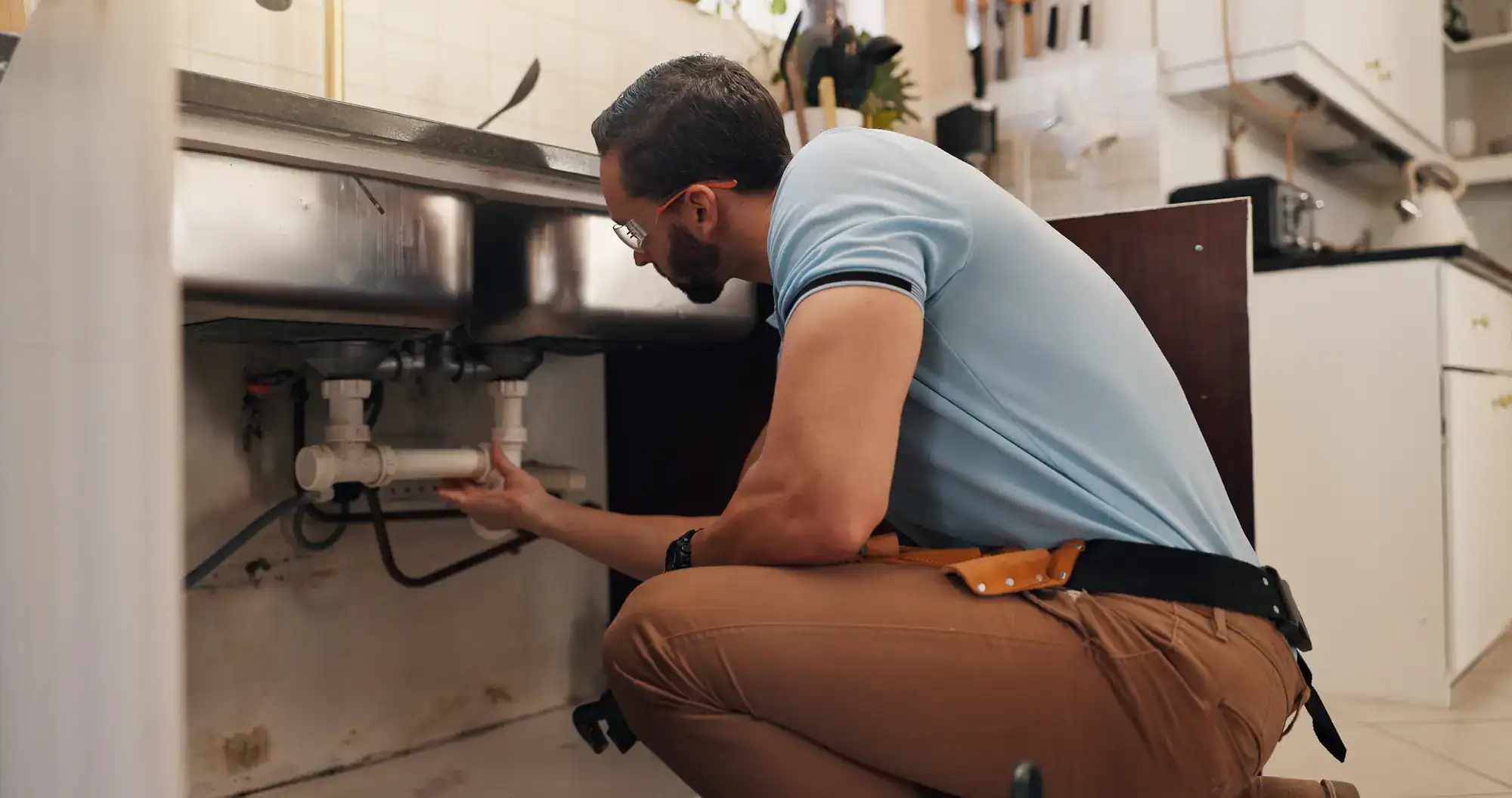
Most residential systems in Lake Ronkonkoma need pumping every two to three years, but that’s not a universal rule. Your actual service interval depends on tank size, how many people live in your home, and how much water you use daily.
A 1,000-gallon tank serving a family of four typically needs attention every two to three years. If you’ve got a larger household, do a lot of laundry, or run the dishwasher daily, you might need service sooner. Smaller households with bigger tanks can sometimes go longer.
Commercial properties are different. Restaurants, salons, and multi-unit buildings generate more wastewater and different types of waste, so they usually need more frequent service. We set the schedule based on what we find during the first inspection, then adjust as needed based on how your system performs.
Skipping maintenance doesn’t mean your system stops working immediately. It means you’re letting sludge build up until there’s no room left for new wastewater to settle and separate properly.
When that happens, solids start flowing into your drain field or leach pool. Those solids clog the soil, and once that soil is clogged, it doesn’t unclog. You’re looking at drain field replacement, which is significantly more involved than regular pumping.
You’ll also miss early warning signs. Small cracks, damaged baffles, or root intrusion that could be handled during routine service turn into full system failures. Suffolk County requires maintenance documentation for property transfers, so skipping service can complicate selling your home. Emergency repairs during a real estate transaction are never ideal.
It prevents most emergencies, not all of them. You can still get a surprise tree root punching through a tank wall or a baffle that fails between visits. But the common emergencies—backups from overfull tanks, failures from neglected maintenance, and system overloads that could’ve been caught early—those get prevented.
Regular inspections catch problems while they’re still manageable. A crack that’s noted and monitored during a routine visit doesn’t become a collapse that floods your basement. Sludge levels that are tracked and managed don’t turn into a backup during your holiday dinner.
Lake Ronkonkoma’s conditions make this even more relevant. High water tables can infiltrate compromised tanks, and sandy soil doesn’t give you much buffer when things go wrong. Scheduled service means someone’s actually looking at your system’s condition, not just reacting when it fails.
Cesspools are simpler but less effective. They’re basically large pits that collect wastewater and let it leach into surrounding soil. There’s no treatment happening, just storage and slow dispersal. Maintenance is mostly about pumping before they overflow.
Septic systems have a tank where solids settle and separate, then the liquid effluent flows to a drain field for soil treatment. You’re maintaining both components: the tank needs pumping, and the drain field needs to stay functional. That means monitoring for signs that solids are escaping the tank and clogging the field.
In Lake Ronkonkoma, older homes often still have cesspools that were grandfathered in. Newer construction and system replacements require full septic systems with advanced treatment. The maintenance approach changes based on what you have, and we adjust service based on your specific setup.
The best indicator is what we find when we open the tank. If sludge and scum layers are taking up more than a third of the tank’s capacity, you’re waiting too long between services. If we’re pumping and there’s barely anything in there, you could probably extend the interval.
We measure actual levels during each visit and track them over time. That data tells us whether your current schedule is working or needs adjustment. Household changes matter too—if your kids moved out or you added a bathroom, your usage pattern changed and your service interval should reflect that.
Suffolk County’s regulations require pumping often enough to prevent system failure and groundwater contamination. We make sure your schedule meets those requirements while also matching your actual usage. You’re not overpaying for unnecessary service, and you’re not risking problems from waiting too long.
You get a detailed service record after each visit: what was pumped, what was inspected, what condition everything is in, and when you’re due for the next service. That record includes measurements, observations, and any recommendations for repairs or monitoring.
Suffolk County requires proof of regular maintenance by licensed contractors when you sell your property or apply for certain permits. Without that documentation, you might face delays, required inspections, or even mandatory system replacement before a sale can close.
The records also protect you. If there’s ever a question about when your system was last serviced or what condition it was in, you have documentation from a licensed professional. That matters for insurance claims, property disputes, and proving you’ve maintained your system responsibly. We keep copies on file, so even if you lose yours, we can provide duplicates when you need them.
Other Services we provide in Lake Ronkonkoma