Hear From Our Clients

When you’re buying a home in Dix Hills, selling one, or just trying to stay ahead of problems, you need an inspection that checks every part of your system and gives you a report that means something. Not a quick look and a handshake.
A real septic inspection in Dix Hills means we’re measuring sludge levels, checking baffles, testing the drain field, and documenting what we find with photos and written notes. You walk away knowing if your system is working the way it should or if something needs attention before it turns into a bigger issue.
Suffolk County requires inspections every three years for certain systems, and real estate transactions almost always need documentation before closing. We make sure what you get satisfies the health department, your lender, and your own need to know what’s going on underground. That’s the point—clarity, not confusion.
We’ve been handling septic and cesspool inspections across Suffolk County for over 25 years. We’re a family-owned business, licensed and insured, and we know how systems behave in Long Island’s sandy soil and high water table conditions.
Dix Hills properties—especially older homes—often still have original cesspool systems that work fine with proper maintenance. We’ve inspected hundreds of them. We know what to look for, what matters, and what doesn’t. And we’re not interested in scaring you into services you don’t need.
You get straight answers from people who’ve been in the field long enough to tell the difference between a real problem and normal wear. That’s what local experience looks like.

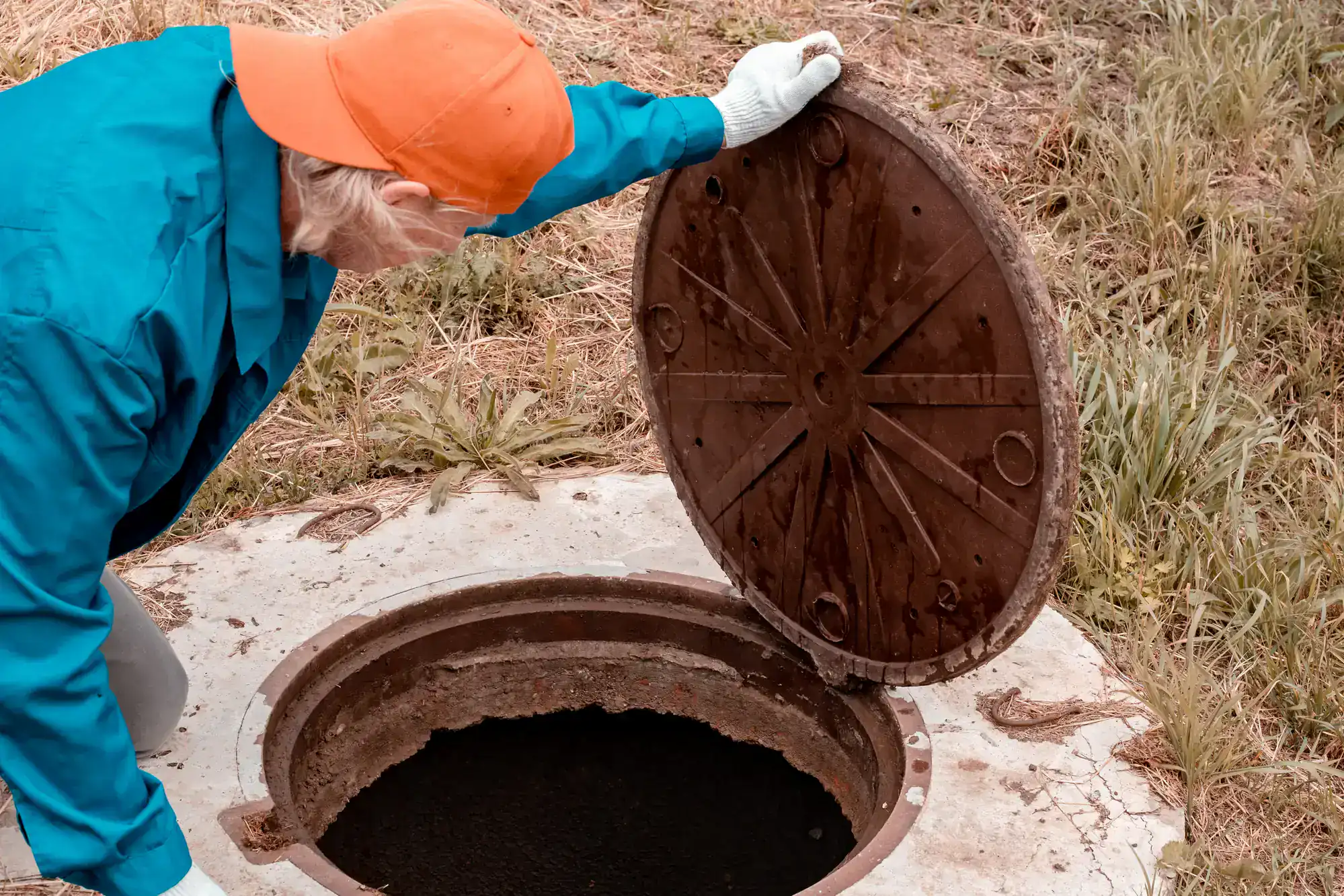
We start by locating your tank or cesspool and uncovering the access points. Then we check the structural condition—cracks, corrosion, anything that could compromise the system. We measure how much sludge and scum have accumulated to see if you’re close to needing a pump or if you’ve got time.
Next, we test the inlet and outlet baffles to make sure wastewater is flowing correctly and solids aren’t escaping into the drain field. If you have a drain field, we evaluate it for signs of saturation, odor, or surface pooling. On Long Island, drain fields can fail faster than in other areas because our sandy soil doesn’t give you much margin for error.
Everything gets documented with measurements, photos, and notes. You receive a written report that shows what we found and what, if anything, needs to be addressed. If you’re in a real estate transaction, we coordinate timing and provide same-day documentation when needed. If you’re a homeowner just staying on top of maintenance, you’ll know exactly where your system stands.

Ready to get started?
You get a full system evaluation that covers your tank or cesspool structure, sludge and scum levels, baffle function, and drain field condition. We’re looking at the components that determine whether your system works or fails—and we’re checking them the way Suffolk County health department regulations require.
For home buyers in Dix Hills, this inspection answers the question every lender and attorney asks: is the system functional and compliant? Many mortgage companies won’t close without proof that the septic or cesspool system has been professionally evaluated. We provide that proof in a format that satisfies their requirements.
For homeowners, this inspection catches problems early. A baffle that’s deteriorating now is a simple fix. A baffle that fails completely and lets solids into your drain field means you’re looking at drain field replacement—which is a different conversation entirely. Long Island’s geology makes early detection even more important because system failures here progress quickly once they start.
You also get an honest assessment. If your system is fine, we’ll tell you. If something’s developing, we’ll explain what it is, why it matters, and what your options are. No drama, no exaggeration—just information you can actually use.
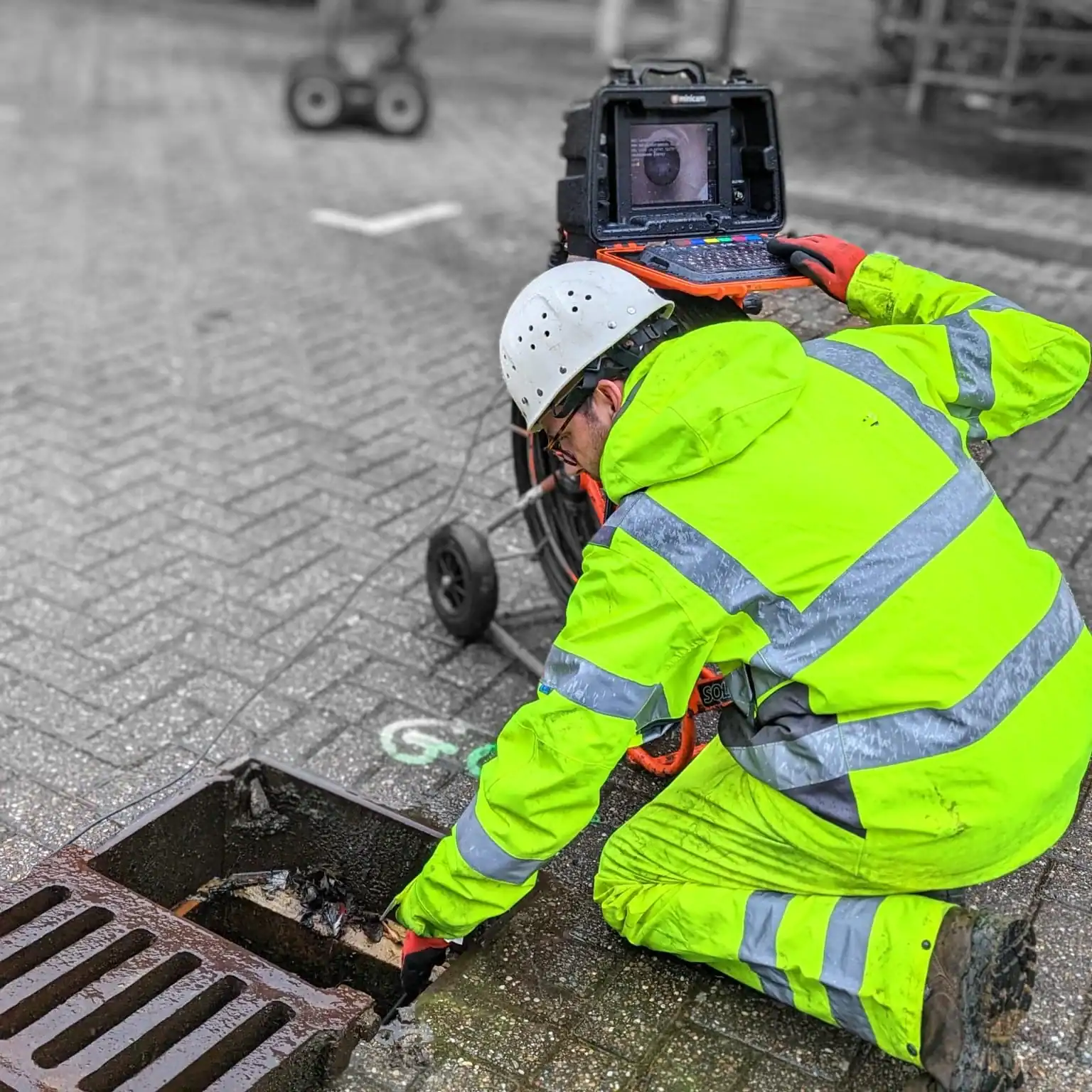
Suffolk County requires inspections every three years for certain systems, but the real answer depends on your household size, water usage, and system age. A family of five using a 30-year-old cesspool should inspect more frequently than a couple with a newer septic system.
If you’re buying or selling a home in Dix Hills, you’ll need an inspection as part of the transaction regardless of when the last one happened. Lenders and attorneys typically require documentation dated within the past year, sometimes within six months.
For routine maintenance, every three years is a solid baseline. But if you notice slow drains, odors, or wet spots in your yard, don’t wait. Those are signs something’s already wrong, and an inspection will tell you what’s happening before the problem gets worse.
The process is similar, but the systems work differently. A septic system separates solids from liquids in the tank, then sends the liquid to a drain field for further treatment in the soil. A cesspool is basically a large pit that holds everything until it slowly leaches into the surrounding soil—it doesn’t separate or treat waste the way a septic system does.
When we inspect a cesspool in Dix Hills, we’re checking structural integrity, measuring accumulation, and making sure it’s not leaching improperly or creating groundwater contamination risk. Cesspools were common in homes built before the 1970s, and many still function fine with regular pumping.
When we inspect a septic system, we’re also evaluating the baffles, the distribution box, and the drain field itself. There are more components, which means more potential failure points. Both types of inspections give you a full picture of system condition, but what we’re looking at varies based on how the system is designed.
You don’t legally need one unless Suffolk County regulations apply to your specific system type, but it’s one of the smartest things you can do as a homeowner. An inspection catches problems when they’re still small and manageable.
A baffle that’s starting to deteriorate can be repaired during your next scheduled pump. But if that baffle fails completely and you don’t know about it, solids start flowing into your drain field. Once that happens, the soil around your drain field pipes gets clogged with waste, and the whole field stops draining properly. At that point, you’re not repairing a baffle—you’re replacing a drain field.
Long Island’s sandy soil and high water table mean systems here fail faster once problems start. You have less time between “everything’s fine” and “this is a serious issue” than you would in other parts of the country. An inspection every few years gives you that early warning, and early warnings save you from emergency situations that disrupt your life and require major work.
If we find an issue during a real estate septic inspection in Dix Hills, it gets documented in the report, and then it’s a negotiation between buyer and seller. Sometimes the seller agrees to make repairs before closing. Sometimes the buyer asks for a reduction in purchase price to cover the work. Sometimes the deal falls apart if the problem is severe enough.
What matters is that you know what you’re dealing with before money changes hands. We’ve seen buyers discover failed drain fields, cracked tanks, and non-compliant cesspools during inspections—problems that would have cost them tens of thousands to fix if they’d closed without knowing.
The inspection protects both sides. Sellers who get an inspection done before listing can address issues on their timeline instead of scrambling during contract negotiations. Buyers who require an inspection avoid inheriting someone else’s deferred maintenance. Either way, you’re making decisions based on actual system condition, not assumptions.
Yes. If you’re in a time-sensitive situation—closing date moved up, sudden system symptoms, urgent lender requirement—we can usually schedule an inspection quickly and provide same-day documentation when needed.
Emergency inspections follow the same process as scheduled ones. We’re still checking every component, measuring accumulation, testing function, and documenting findings. The timeline is just compressed. We understand that real estate transactions don’t always go smoothly and that system problems don’t wait for convenient moments.
That said, if you know you’re going to need an inspection—whether for a home sale, a purchase, or routine maintenance—scheduling ahead gives you more flexibility and less stress. But when that’s not possible, we’ll work with your timeline and make sure you get what you need when you need it.
The main thing is making sure we can access your tank or cesspool. If you know where it is and the lids are already exposed, that saves time. If you don’t know where it is or it’s buried under soil or landscaping, we’ll locate it and uncover it as part of the service.
Clear any obstacles near the suspected location—move cars, patio furniture, anything that might be in the way. If you have dogs, keep them inside during the inspection. And if you have any maintenance records—previous pump dates, past inspection reports, installation documents—have those available. They give us context for what we’re looking at.
You don’t need to do anything to the system itself before we arrive. Don’t pump it, don’t add chemicals, don’t try to fix anything. We need to see the system in its current operating condition to give you an accurate assessment. If there’s a problem, we want to catch it as it actually exists, not after it’s been temporarily masked.
Other Services we provide in Dix Hills