Hear From Our Clients

You’re not looking for someone to tell you everything’s fine when it isn’t. You need an honest assessment of your septic system’s condition so you can make decisions based on facts, not hope.
A real estate septic inspection in Elwood, NY gives you documentation that satisfies lenders and health department requirements while showing you what’s actually happening with your tank, drain field, and distribution box. If you’re the buyer, you know what you’re inheriting. If you’re the seller, you know what needs attention before it becomes a deal-breaker.
Suffolk County requires inspections every three years for certain systems, and every real estate transaction involving a septic system needs proper documentation. You’re either staying compliant or you’re risking delays, fines, or worse—a failed system that backs up into your home. An inspection catches the slow leaks, the saturated soil, the cracked baffles, and the warning signs that turn into emergencies if you ignore them.
We’ve been working in Suffolk County since 1998. That’s over 25 years of understanding how systems behave in Elwood’s soil conditions, what fails first in older homes, and what the local health department actually requires versus what people think they require.
We’re a family-owned business, which means you’re not getting a different crew every time or talking to someone in a call center three states away. You get the same honest answers whether you’re a homeowner who’s lived here for decades or a first-time buyer trying to figure out what questions to ask.
We support local veteran organizations like Paws of War and offer discounts to military families, first responders, and seniors because this community matters to us. You’re not just another address on a route.

First, we locate and uncover your septic tank and distribution box. Some properties have clear records and easy access. Others require us to probe the ground or use locating equipment to find components that haven’t been opened in years.
Once we’ve accessed the tank, we measure sludge and scum levels to see if you’re due for pumping. We inspect baffles, check for cracks or structural damage, and look at the condition of the inlet and outlet pipes. Then we move to the distribution box to make sure effluent is flowing evenly to all drain field lines.
We evaluate the drain field itself for signs of saturation, odors, or surfacing wastewater. If you’ve got slow drains inside the house, soggy spots in the yard, or gurgling toilets, we trace those symptoms back to their source. The inspection typically takes two to three hours depending on system size and accessibility.
You get a detailed report documenting everything we found, including photos and recommendations. If you’re in a real estate transaction, that report goes to your lender, your attorney, and the health department as needed. If you’re a homeowner doing routine maintenance, you know exactly what needs attention now and what to watch in the future.

Ready to get started?
You’re not just getting a checklist and a signature. A thorough septic inspection in Elwood, NY includes a full system evaluation from your home’s plumbing connections to the final drainage area in your yard.
We inspect the tank structure for cracks, corrosion, or shifting that could lead to failure. We check inlet and outlet baffles to make sure they’re intact and functioning properly—these prevent solids from entering your drain field, which is the most expensive part of your system to replace. We measure waste levels and evaluate whether the tank has been maintained or neglected.
The distribution box gets inspected for even flow to all drain field lines. If one line is taking all the effluent while others sit dry, your system isn’t working as designed and you’ll see premature failure in that overloaded section. We also evaluate the drain field for saturation, compaction, or signs that it’s reaching the end of its lifespan.
Suffolk County has specific regulations about nitrogen-reducing systems and inspection intervals, especially with new 2026 requirements affecting Long Island properties. If your system needs upgrades to meet current standards, the inspection identifies that before it becomes a compliance issue. You also get documentation of the system’s age, maintenance history if available, and realistic expectations about remaining lifespan.
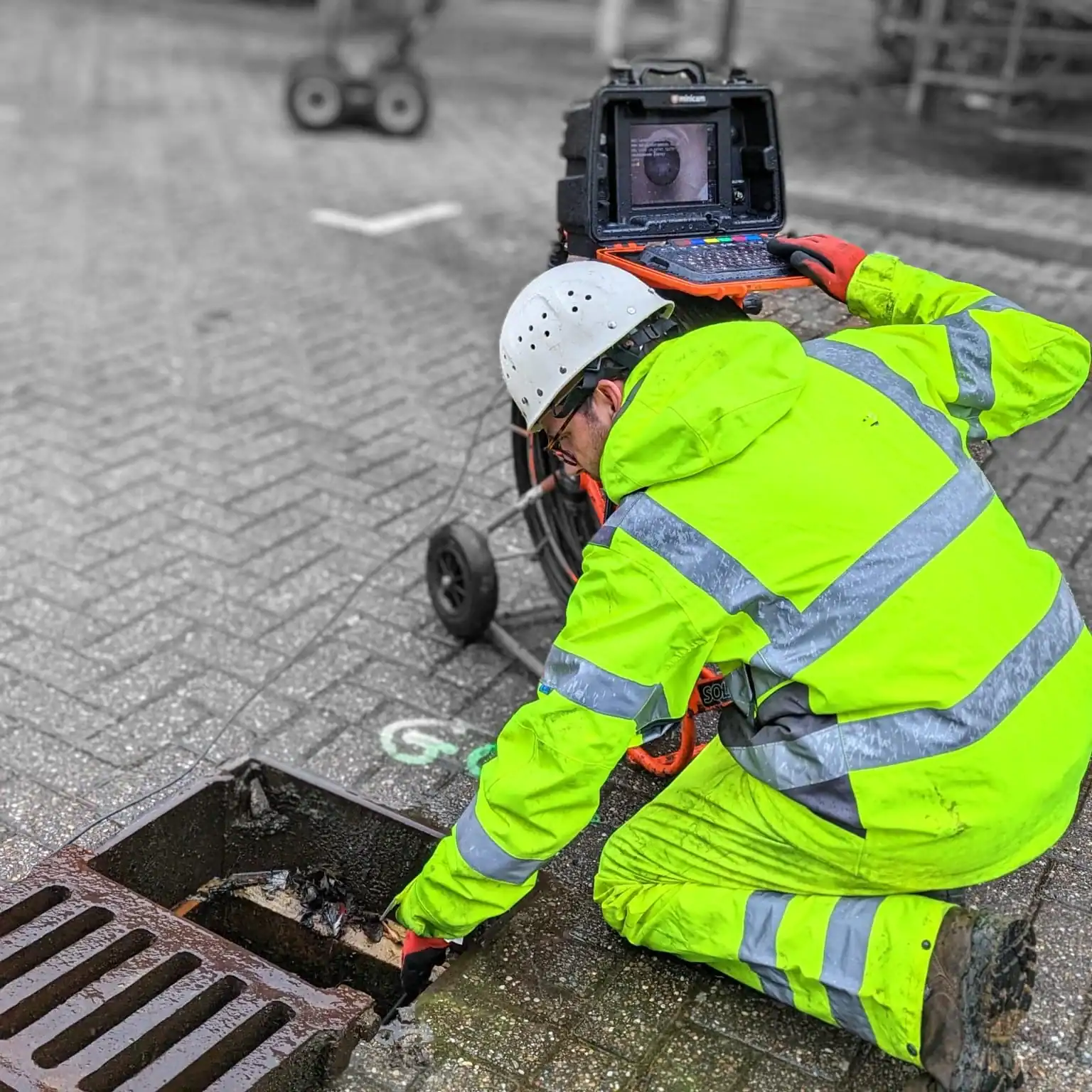
Most residential septic inspections take between two and three hours from start to finish. That includes locating and accessing the tank, inspecting all components, evaluating the drain field, and documenting everything in a report.
The timeline can vary depending on a few factors. If your tank and distribution box are easy to locate and access, things move faster. If we need to probe the yard or dig to find components that haven’t been opened in years, it takes longer. Larger systems or commercial properties with multiple tanks require more time than a standard residential setup.
You don’t need to be present for the entire inspection, but it helps to be available at the beginning to show us where you think the system is located and at the end to walk through our findings. If you’re buying a home, your home inspector or real estate agent might want to be there. If you’re a current homeowner, you’ll probably want to hear what we found so you understand what maintenance or repairs might be needed.
A complete inspection covers every major component of your septic system, starting with the tank itself. We check for structural damage like cracks, corrosion, or separation at the seams. We inspect the inlet and outlet baffles to make sure they’re intact—these are critical for keeping solids out of your drain field. We measure sludge and scum levels to determine if the tank needs pumping.
The distribution box gets inspected next. This component splits effluent evenly between drain field lines, and if it’s not level or if the outlets are clogged, some lines get overloaded while others don’t receive any flow. That leads to premature failure in the overworked section of your drain field.
We evaluate the drain field by walking the area and looking for signs of trouble: soggy spots, odors, surfacing wastewater, or unusually green grass in one area. We also check for compaction from vehicles or structures built over the drain field, which can crush pipes and reduce the soil’s ability to treat wastewater. Inside your home, we ask about slow drains, gurgling toilets, or backups that might indicate a system problem. All of this gets documented in a report with photos and specific recommendations.
Yes, and skipping it is one of the biggest mistakes buyers make. A home inspection doesn’t include a thorough septic evaluation, and sellers aren’t required to disclose system problems unless they’re obvious. You could be buying a property with a failing system that needs replacement within months of closing.
A home buyer septic inspection in Elwood, NY gives you leverage during negotiations and protects you from inheriting someone else’s deferred maintenance. If the tank hasn’t been pumped in a decade, if the drain field is saturated, or if the system doesn’t meet current Suffolk County regulations, you need to know that before you sign paperwork.
Most lenders require a septic inspection for properties not connected to public sewer, and the Suffolk County Health Department has specific documentation requirements for real estate transactions. Even if your lender doesn’t require it, you should. Replacing a failed septic system is a major expense, and discovering that problem after closing means you’re paying for it yourself. An inspection before closing means the seller either fixes it, reduces the purchase price, or you walk away and find a different property.
Suffolk County requires inspections every three years for certain systems, and those requirements are getting stricter with new regulations taking effect in 2026. Even if your system isn’t subject to mandatory reporting, getting it inspected every three to five years is smart maintenance.
Regular inspections catch problems early when they’re still manageable. A small crack in a baffle can be repaired during a routine inspection. If you wait until wastewater is backing up into your house, that same problem has likely damaged other components and you’re looking at a much bigger repair.
An inspection also tells you when the tank needs pumping, which should happen every three to five years depending on household size and water usage. If you’re pumping on schedule but the inspector finds high sludge levels sooner than expected, that’s a sign something else is wrong—maybe your garbage disposal is overloading the system, or a baffle has failed and solids are escaping into the drain field.
Point-of-sale inspections are required for real estate transactions, but you shouldn’t wait until you’re selling to find out your system has problems. Regular inspections keep you compliant with local regulations and give you a maintenance record that proves responsible ownership when it’s time to sell.
The report will specify what’s wrong, how urgent it is, and what your options are for addressing it. Some issues are minor and inexpensive to fix. Others require significant work or even full system replacement.
If the tank needs pumping, that’s routine maintenance and should be done before the inspection is finalized. If a baffle is cracked or missing, that’s a repair that prevents bigger problems down the road. If the drain field shows signs of failure—saturation, surfacing wastewater, or odors—you’re looking at a more serious situation that might require drain field replacement or system upgrades.
For buyers, inspection findings give you negotiating power. You can ask the seller to make repairs before closing, request a reduction in purchase price to cover the work yourself, or walk away if the problem is too severe. For homeowners doing routine inspections, findings give you a clear maintenance plan and help you budget for repairs before they become emergencies.
Suffolk County has specific regulations about system upgrades and nitrogen-reducing technology, especially with new requirements coming in 2026. If your system doesn’t meet current standards, the inspection will identify what needs to change and what timeline you’re working with for compliance. You’re not left guessing about what’s required or how to handle it.
Yes. If you’re experiencing backups, strong odors, or wastewater surfacing in your yard, you need an inspection as soon as possible to figure out what’s failing and how to fix it.
Emergency septic inspection in Elwood, NY typically happens within hours of your call, not days or weeks. We respond quickly because a failing septic system isn’t just an inconvenience—it’s a health hazard and a potential environmental violation. Wastewater backing up into your home or pooling in your yard exposes your family and neighbors to harmful bacteria and contaminates groundwater.
An emergency inspection focuses on identifying the immediate problem so we can stop the backup or overflow. That might mean pumping an overfull tank, clearing a clogged outlet pipe, or identifying drain field failure that requires temporary measures while you plan for repairs. Once the urgent issue is addressed, we complete a full inspection to assess overall system condition and recommend long-term solutions.
If you’re dealing with an emergency, don’t wait for business hours or try to diagnose it yourself. A backed-up septic system gets worse the longer you wait, and temporary fixes without proper inspection often just delay the inevitable while making the final repair more expensive.
Other Services we provide in Elwood