Septic Inspection in Greenport, NY

Real Septic Inspections That Actually Matter

Know exactly what you’re dealing with before problems cost you thousands in Greenport, NY.
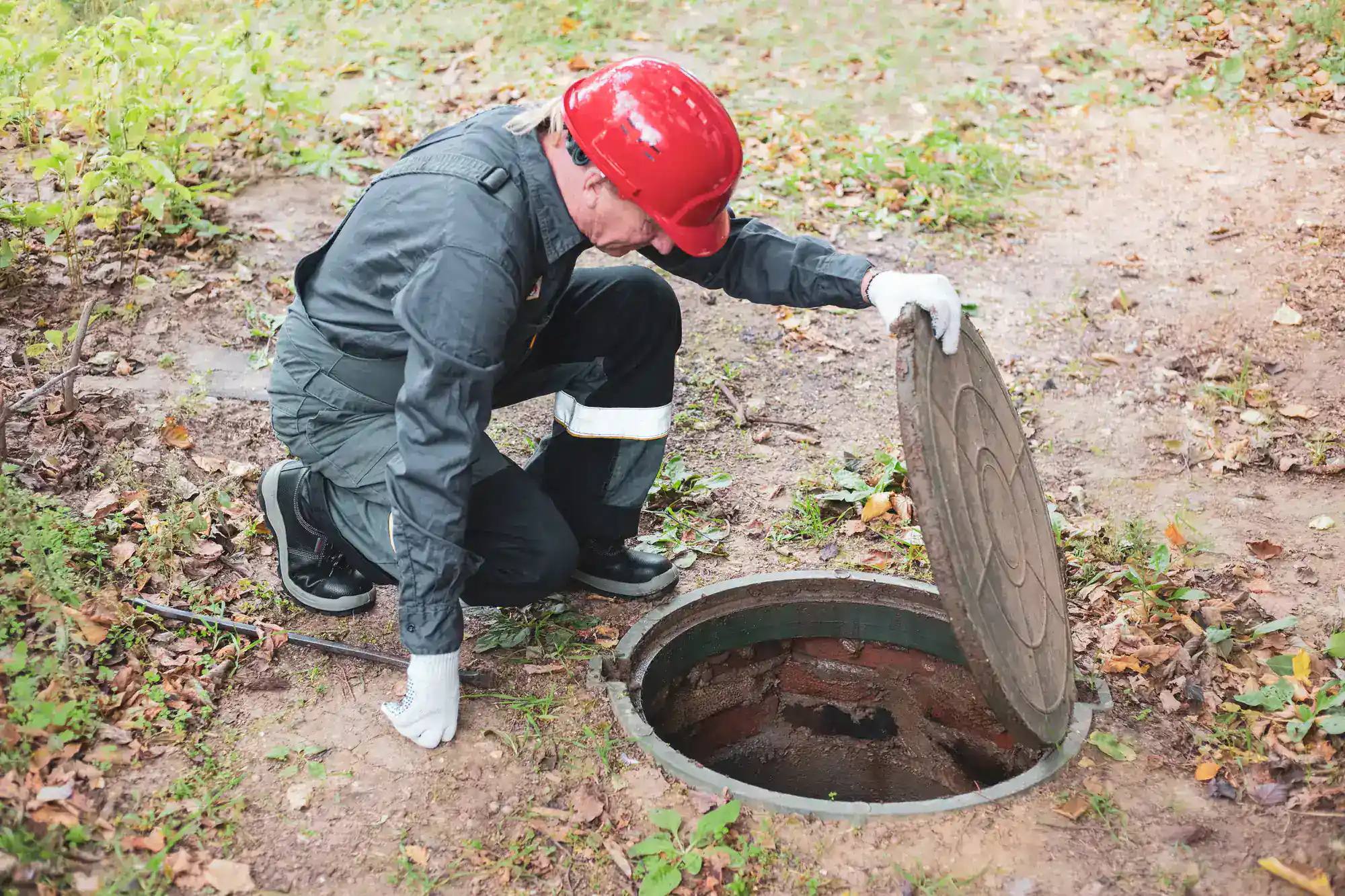
A worker in coveralls, gloves, and a red hard hat kneels outdoors, lifting the lid of a manhole to inspect the opening surrounded by grass and scattered leaves.

Hear From Our Clients

A worker wearing a red hard hat, gray overalls, and white gloves bends down to look inside an open manhole surrounded by grass, with the manhole cover lying nearby.

Professional Septic System Inspections

Skip the Surprises, Know the Facts
You’re not buying a house blind. You’re not gambling with a system that could fail next month. You get a real inspection from someone who knows what to look for. Your septic system either works or it doesn’t. Our certified septic inspector in Greenport, NY tells you which one you’re dealing with. No sugar-coating, no technical jargon you don’t need—just the straight truth about whether your system will handle what you’re asking of it. When we’re done, you’ll know if you’re looking at routine maintenance or a major expense. That’s information you can actually use to make decisions.

Greenport Septic Inspection Experts

Local Knowledge That Actually Counts
AAA Dependable Cesspool has been handling septic systems in Suffolk County since 1998. We know how coastal conditions, seasonal water table changes, and Long Island’s unique soil composition affect your system. We’re not some company that showed up last year. We understand what fails first in Greenport’s environment and what warning signs actually matter. When you’re dealing with something buried in your yard that you can’t see, experience with local conditions makes the difference. We’re the family-owned business that offers military, first responder, and senior discounts because we’re part of this community. Not just working in it.
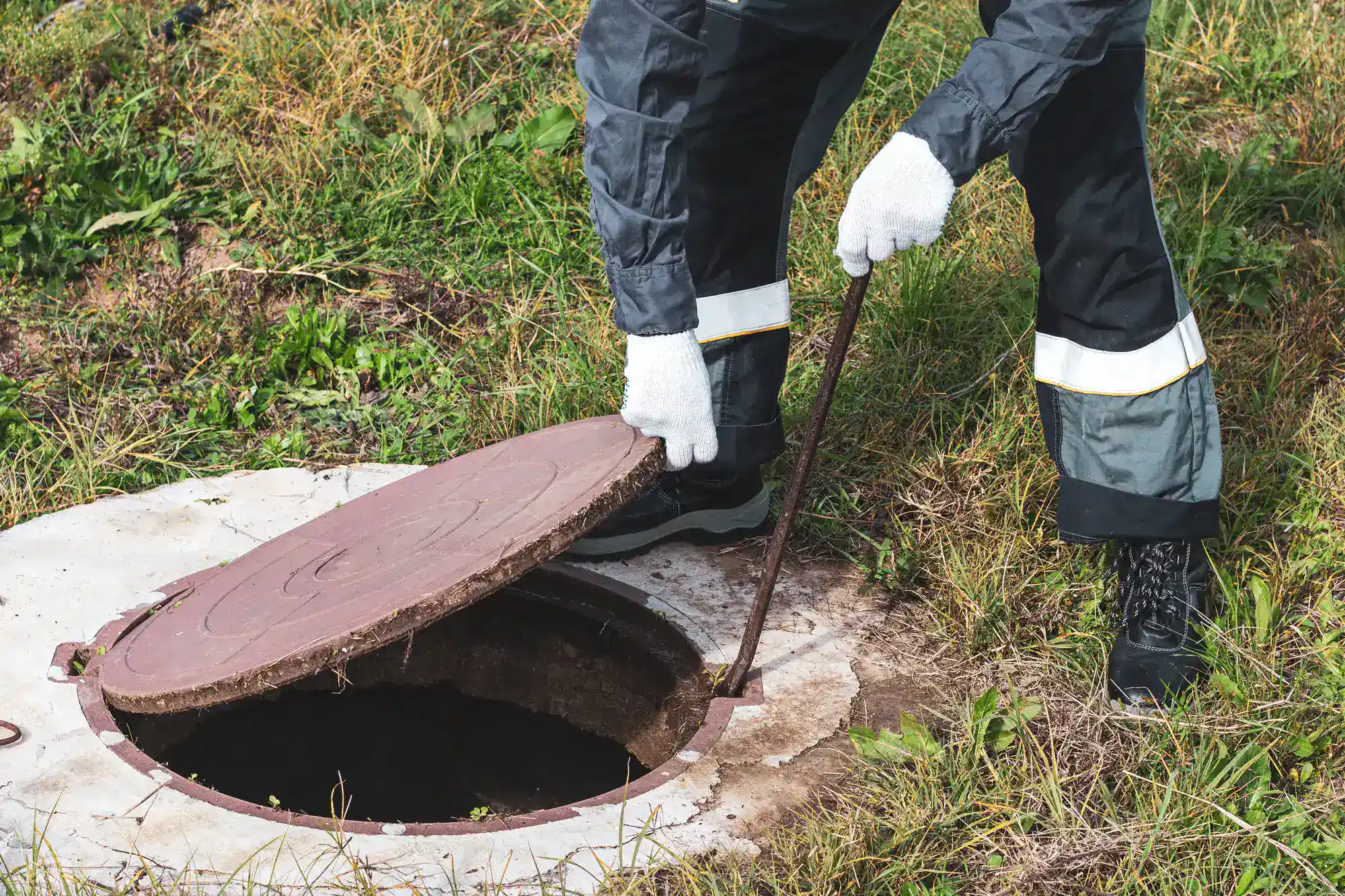
A person in protective work clothes and white gloves uses a tool to lift a round metal manhole cover, exposing an opening in the ground surrounded by grass.

Septic Inspection Process Greenport

Here's Exactly What You Get
First, we locate your system components—tank, distribution box, and leach field areas. No guessing, no assumptions about where things should be. Next comes the real inspection. Tank condition, inlet and outlet baffles, liquid levels, and signs of structural issues. We check your distribution system and test how well your leach field is actually handling wastewater flow. You get a written report within 24 hours that explains what we found in plain English. If there are problems, you’ll know what needs attention now versus what can wait. If everything checks out, you’ll have documentation that your system is working as it should.
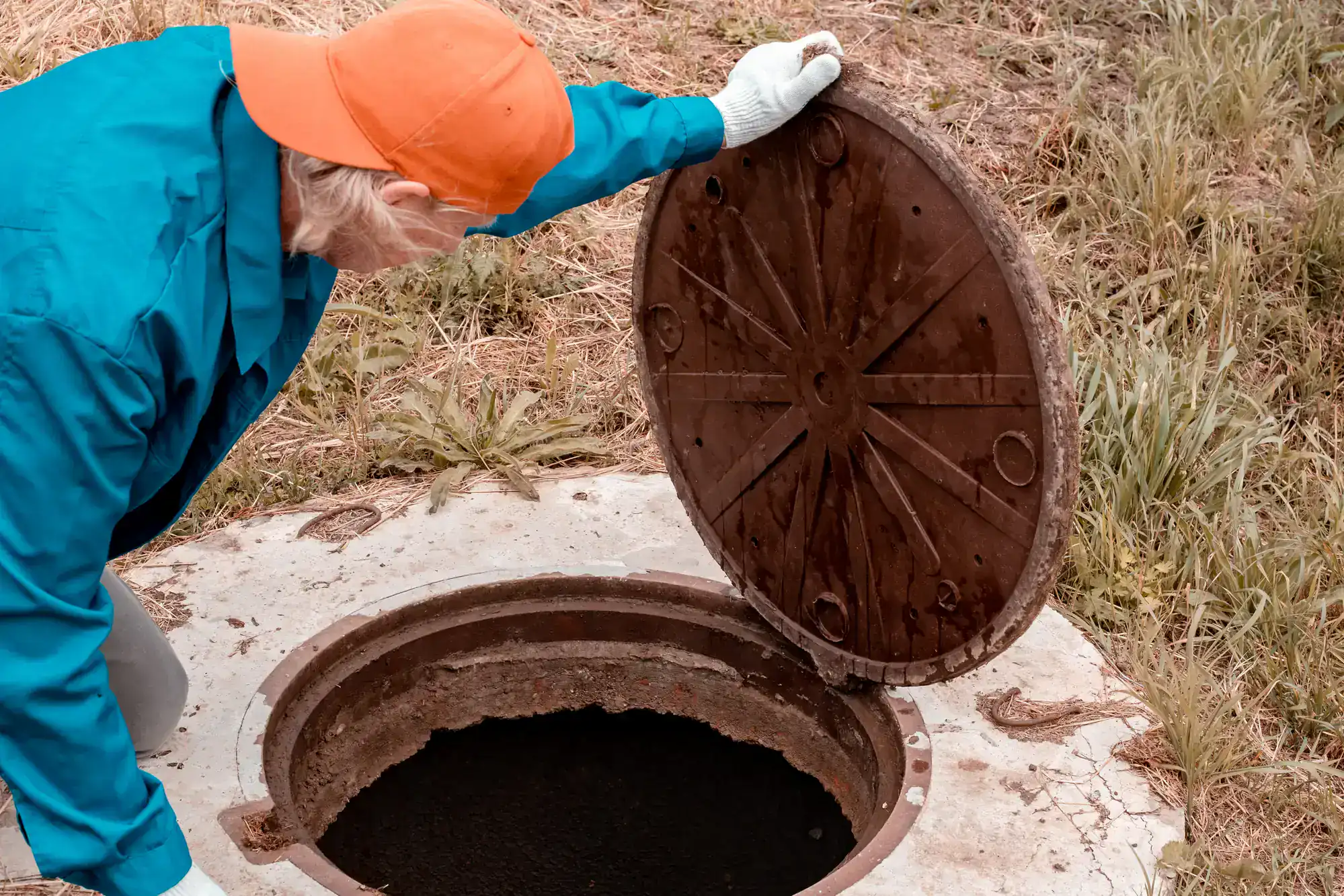
An older person in a blue jacket and orange cap lifts the heavy lid of a round manhole outdoors, revealing a dark opening surrounded by grass and concrete.

Explore More Services

About AAA Dependable Cesspool

Comprehensive Septic System Evaluation

What's Actually Included in Your Inspection
Your septic inspection covers every component that matters. Tank integrity, baffle condition, sludge and scum levels, and distribution system function. We test your leach field’s ability to handle normal household flow and check for any signs of system backup or failure. In Greenport’s coastal environment, we pay special attention to how seasonal water table changes affect your system. Many properties here deal with higher groundwater during certain times of year, and that impacts how well your septic system can function. You’re also getting an evaluation of compliance with current Suffolk County regulations. With new nitrogen-reduction requirements affecting many properties, knowing where your system stands can save you from surprises down the road.
A person wearing a glove lifts the lid of a green septic tank outdoors, revealing the dark interior. The tank is surrounded by soil and scattered leaves.

How often should I have my septic system inspected in Greenport?

The EPA recommends septic system inspections every one to three years, with professional inspections at least every three years and tank pumping as necessary (generally every three to five years). In Greenport’s coastal environment, you might want to lean toward the more frequent end of that range. Low-lying coastal areas like parts of Greenport can see septic systems affected by changing water tables, and many systems can fail at once when rain or storm surges elevate the water table. Regular inspections help catch issues before they become expensive emergencies. If you’re buying a home, getting an inspection regardless of when the last one was done is smart. If you sell your home, your septic system must be in good working order, and an unusable septic system or one in disrepair will lower your property’s value and could pose a legal liability.
Septic tank inspections cost $550 on average, with most homeowners paying between $200 and $900. The final price depends on the type of inspection you need—routine annual checks are on the lower end, while detailed inspections for a home purchase or those using camera technology can be more expensive. If your tank is difficult to access or locate, the inspector may charge additional fees for the extra work involved. If the inspection company doesn’t include digging to uncover the tank in the cost of the inspection, this could add between $50 and $250 to the overall septic inspection cost. The cost of an inspection is minimal compared to what you might face if problems go undetected. Failing septic systems are expensive to repair or replace, and poor maintenance is often the culprit. Having your septic system inspected is a bargain when you consider the cost of replacing the entire system.
Yes, absolutely. It is prudent for anyone purchasing a new home to have the septic system inspected. Out of sight, out of mind, but not always out of trouble. The septic system is the last thing people think of when they are maintaining their property, but it’s one of the most expensive to replace if it fails. If your septic system isn’t maintained, you might need to replace it, costing you thousands of dollars. A malfunctioning system can contaminate groundwater that might be a source of drinking water. In a purchase situation, you want to know what you’re getting into before you own the problem. The New York State Department of Environmental Conservation has determined that conventional septic systems and cesspools on Long Island are considered failing since they are neither designed, nor capable of removing significant amounts of nitrogen. This means you may be looking at upgrade requirements regardless of the system’s current function.
If your system has problems, you’ll get a detailed explanation of what needs attention and what your options are. Not every issue means immediate replacement—some problems can be repaired, while others might require monitoring or eventual upgrade. The extent of any issues discovered during the inspection can also lead to septic tank repair costs, which can be anywhere from $230 to $3,000 on top of the inspection fee. The exact price you’ll pay for the repair will depend on the type of issue you’re experiencing. If issues are spotted, the necessary repairs can be made before serious problems arise. The key is knowing what you’re dealing with so you can plan accordingly. Some repairs are straightforward, while others might indicate it’s time to consider system replacement or upgrade to meet current regulations.
Yes, Suffolk County has implemented new requirements for nitrogen-reducing septic systems. Septic improvement and innovative treatment systems are required in Suffolk County in accordance with new changes passed by Suffolk County Legislature in October 2020. The changes are effective July 1, 2021 and require I/A OWTS to be installed under a number of circumstances. An I/AOWTS will be required for all “New Construction” and all “Major Reconstruction” projects. “Major reconstruction” is universally defined as any project for which the cost of the project exceeds 50% of the market value of the existing structure, determined by comparing a design professional’s construction cost estimate with an appraisal of the existing building. IA OWTS systems have been shown to remove up to 90% of the nitrogen that leads to these problems. Understanding where your current system stands in relation to these requirements is part of what a thorough inspection should address.
Even when working properly, traditional Long Island cesspools and septic systems are not designed to keep reactive nitrogen from entering groundwater aquifers. Long Island’s conventional septic systems only function as designed when there is enough distance between the leaching pit and the ground water. In low-lying coastal areas septic systems are commonly considered “failing” when the ground water comes close to the leaching pit. Many septic systems can fail at once when rain or storm surges submerge septic systems and/or elevate the water table. This is particularly relevant in Greenport’s coastal location. Suffolk County has an estimated 360,000 septic systems, making this county the most densely populated area of septic systems in the United States. The combination of high density, coastal conditions, and environmental concerns creates unique challenges that require local expertise to properly evaluate and address.

Other Services we provide in Greenport